
SB-721 Balcony Inspection in Vista, CA
Vista sits in north county's transition belt — far enough inland to bake through summer, close enough to the coast to catch a morning marine push — and that split climate is hard on the wood-framed parts of an apartment building that people stand on. If you hold an apartment or multifamily property here with three or more dwelling units, SB-721 obligates you to have those exterior elevated elements inspected: the balconies, the open stair runs, the landings between upper units, and the walkways feeding them. AB 2579 reset the first deadline to January 1, 2026, and the clock restarts every six years from there.
This is a code-mandated safety check, not a buyer's walkthrough. A qualified inspector examines the load-bearing elevated elements and the waterproofing wrapped around them, then writes each one up as safe or unsafe with photo evidence for you and, where the jurisdiction asks, the City of Vista. Below is the scope, why Vista's terrain and stock matter to it, what tends to turn up, how the report comes together, and the firm line on where our work ends and an engineer's begins.
Call (619) 752-4399 Schedule an Inspection
What does an SB-721 inspection cover on a Vista property?
The statute draws a tight box around what the code labels Exterior Elevated Elements (EEE): wood-framed, weight-carrying components that sit more than six feet over the ground. On a Vista apartment building, the elements we walk and photograph are:
- Unit balconies and shared decks — the joists, the ledger tie into the wall, any support posts, and the membrane or coating meant to keep water off the framing underneath
- Open exterior staircases — stringers, treads, and the bracketry that anchors a stair run back to the building on Vista's two- and three-story walk-up complexes
- Landings and breezeways — the elevated entry platforms and upper corridors that thread between units on garden-style courts off Santa Fe and Vista Village Drive
- Guards and handrails — tested for a solid anchor and the ability to take a load, since the guard is the final barrier against a fall
- The water-protection layer — flashing, sealant joints, coatings, and drainage, all inspected alongside the structure because water getting into wood is the failure these inspections exist to catch
SB-721 calls for a visual look at a representative sample of each element type, sized so the result speaks for the whole building. Where the visible signs point to trouble behind a finish, the law permits intrusive investigation — a small, patchable opening to confirm what the eye can't reach. Each element earns a safe or unsafe classification backed by a photograph.
How do Vista's terrain and split climate work against balconies?
What ruins an elevated element is water reaching wood and lingering, and Vista's particular setting feeds that in ways a purely coastal or purely desert town doesn't. Here's what we factor in on a Vista visit:
- Inland-coastal swing: Vista gets the worst of both — hot, dry afternoons that check and crack deck coatings and dry out sealant, followed by humid marine mornings that keep landings and stair treads damp. That wet-then-baked cycle splits a membrane faster than steady weather on either extreme.
- Varied transition-zone soils: Vista's ground shifts from clay pockets to decomposed-granite hillsides across short distances, and that uneven movement nudges buildings over time, working stair connections and post footings loose and opening seams that channel water into the framing.
- Older ranch-era and mid-century stock: A good share of Vista's smaller apartment courts and converted multifamily lots date to a period before modern flashing details were routine — the exact vintage where ledgers and original deck coatings are now at the end of their life.
- Hillside and canyon lots: Buildings stepped down Vista's grades shed water toward and across elevated walkways, and a balcony pitched even slightly wrong holds that runoff against the wood instead of draining it.
All of this steers our judgment on where intrusive testing earns its keep, because the balconies that fail in Vista usually look fine from the courtyard right up until they don't.
What conditions keep turning up on Vista buildings?
Inspect enough multifamily property around Vista and the same defects surface again and again. Knowing them before the deadline lets an owner schedule repairs deliberately instead of reacting to an unsafe call:
- Ledger-line water damage: dried, gapped flashing where a balcony meets the wall, letting water slip behind the membrane and soften the ledger — the most dangerous thing on the building and the reason the law exists
- Heat-split deck coatings: elastomeric surfaces checked and cracked by Vista's afternoon sun, no longer shedding water and now feeding the joists below
- Soft framing at connections: joists, posts, and stringer ends that probe spongy where they tie to the structure, frequently hidden until an opening exposes them
- Loose guards: railings that give under a push because the anchorage or the wood behind it has weakened — an immediate life-safety flag
- Rusted connectors: joist hangers and lag bolts corroded at stair landings where marine-morning damp has been sitting, common on Vista's west-facing complexes
- Trapped water: scuppers and breezeway drains clogged with debris, or a deck pitched the wrong way, holding standing water against the very framing the coating should protect
We draw a clear line between cosmetic wear and a real load-bearing or safety defect, and we photograph each so what the owner and the city read is evidence, not opinion.
How do we run it, and what lands in your report?
It begins with a call to (619) 752-4399 or an email with the address, unit count, and a rough tally of balconies, stairs, and elevated walkways — that's what sets the representative sample SB-721 requires and lets us tell you what to expect before arrival.
On site we work each elevated element hands-on: reading flashing and probing for soft wood at the ledger connections, checking coating and drainage across the walking surfaces, pulling and pushing the guards to test their anchorage, and getting under the stairs and landings to look at stringers, footings, and connectors. When a visible sign hints at concealed rot — a stain below a deck, a coating that's failed right at a ledger — we'll talk through opening a small, repairable section to confirm it rather than guess at what's behind the finish.
You receive a HomeGauge report that classifies every inspected element as safe or unsafe, records the waterproofing condition, and pins each call to a photograph in the format your owner and the City of Vista expect on file — usually delivered same day or next day. To be plain about the lane: we report observed condition. We don't draw the repair, perform it, or stamp a structural certification on a building we inspect. Where a finding calls for repair design or an engineer's opinion, we say so and point you to the right licensed professional.
Why do Vista owners and managers hand us the inspection?
An SB-721 report lives or dies on the judgment behind the safe-or-unsafe call, and a wrong one stings both ways — a missed rotten ledger is a liability, a false alarm is a needless bill. Your inspection is run by Joseph Romeo, an InterNACHI Certified Professional Inspector (CPI) who also carries a California CSLB General Contractor license (#1113143). That builder's background is exactly what these elements demand: he reads how a balcony was framed, how a ledger was fastened, and what a corroded connector does to load capacity — not just surface wear.
- 20+ years and 10,000+ inspections across San Diego County's coastal and inland stock, including Vista's older apartment courts, hillside multifamily lots, and garden-style complexes
- 4.9 stars across 106 Google reviews from owners, managers, and agents
- Independent by design — we inspect and report; we don't sell the balcony repair, so nothing in the call is steered toward work we'd profit from
For the structural repair design and the work the report calls out, we coordinate or refer the right licensed engineer or contractor instead of pretending the inspection covers it. We're InterNACHI CPI and CSLB-licensed — not ASHI or CREIA members — and we don't post flat prices, since the fee tracks building size and element count. Reach Joe directly at joe@sandiegohomeinspection.com or the number above.
Which companion inspections suit Vista multifamily owners?
SB-721 settles the balcony-safety mandate, but owners and buyers in Vista often have more than one thing worth looking at on the same trip:
- SB-326 balcony inspection — the parallel requirement for condominium and HOA-governed buildings; if your property is a common-interest development rather than an apartment, that's the law that applies instead
- Full property inspection — roof, electrical, plumbing, HVAC, and structure when you need a buyer's-grade read on the entire building, not only its elevated elements
- Thermal / infrared imaging — reads hidden moisture behind deck and breezeway finishes the eye misses, handy when a coating raises a flag but the framing isn't exposed yet
- Roof inspection — a closer look at coverings worn by Vista's inland sun, separate from the SB-721 elements
- Sewer scope — a camera down the laterals serving Vista's older apartment lots, which the EEE inspection doesn't touch but which fail expensively
Send the address, the unit count, and whether the building is an apartment or a condo, and we'll tell you which of these genuinely apply before you spend on any of them.
Vista SB-721 Balcony Inspection FAQs
Which Vista buildings fall under SB-721?
When is my Vista SB-721 inspection due?
Does Vista's mix of inland heat and coastal mornings really matter here?
Will you cut into the balcony framing?
What happens if an element comes back unsafe?
What does an SB-721 inspection in Vista cost?
Properties we inspect
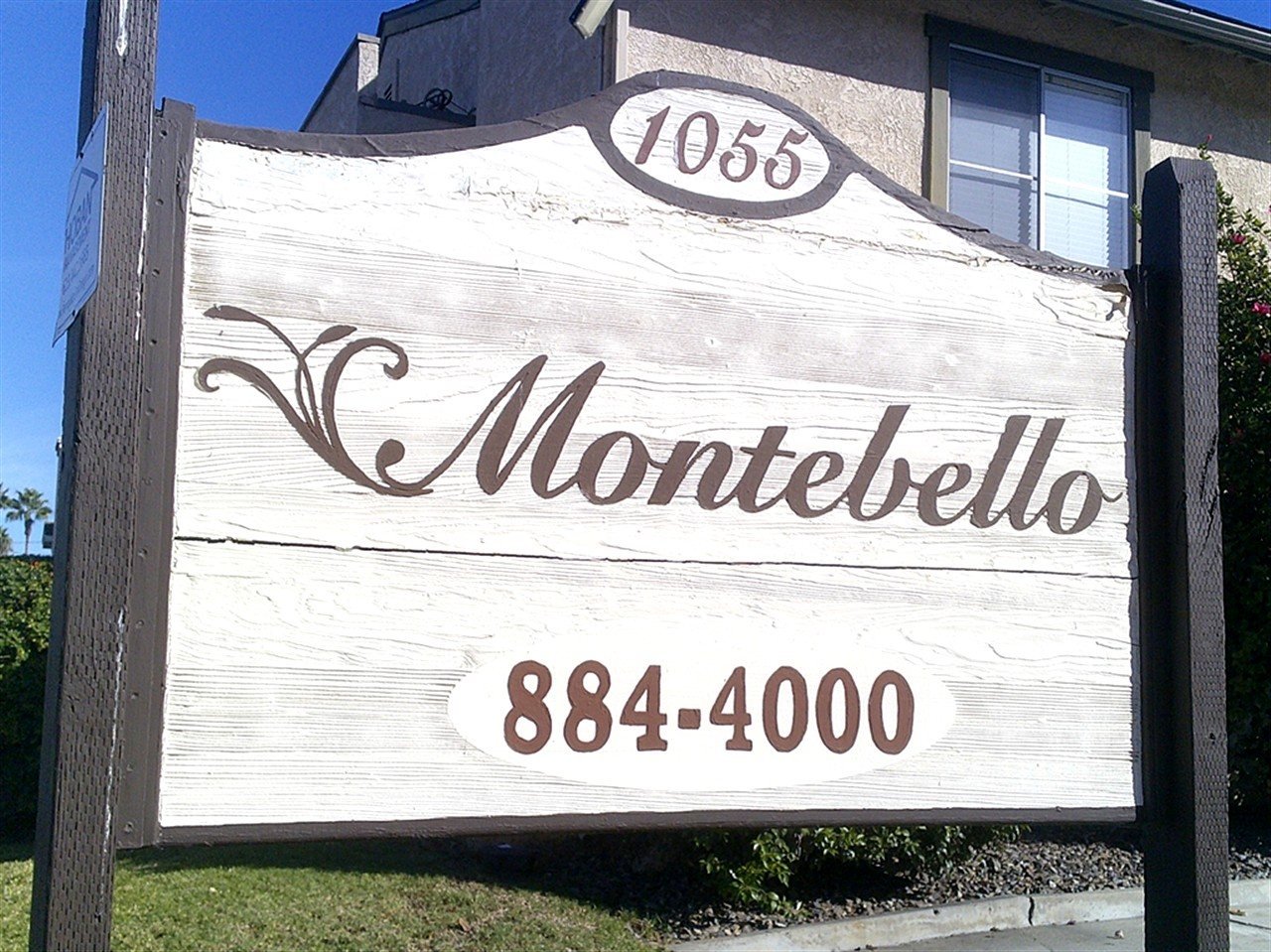
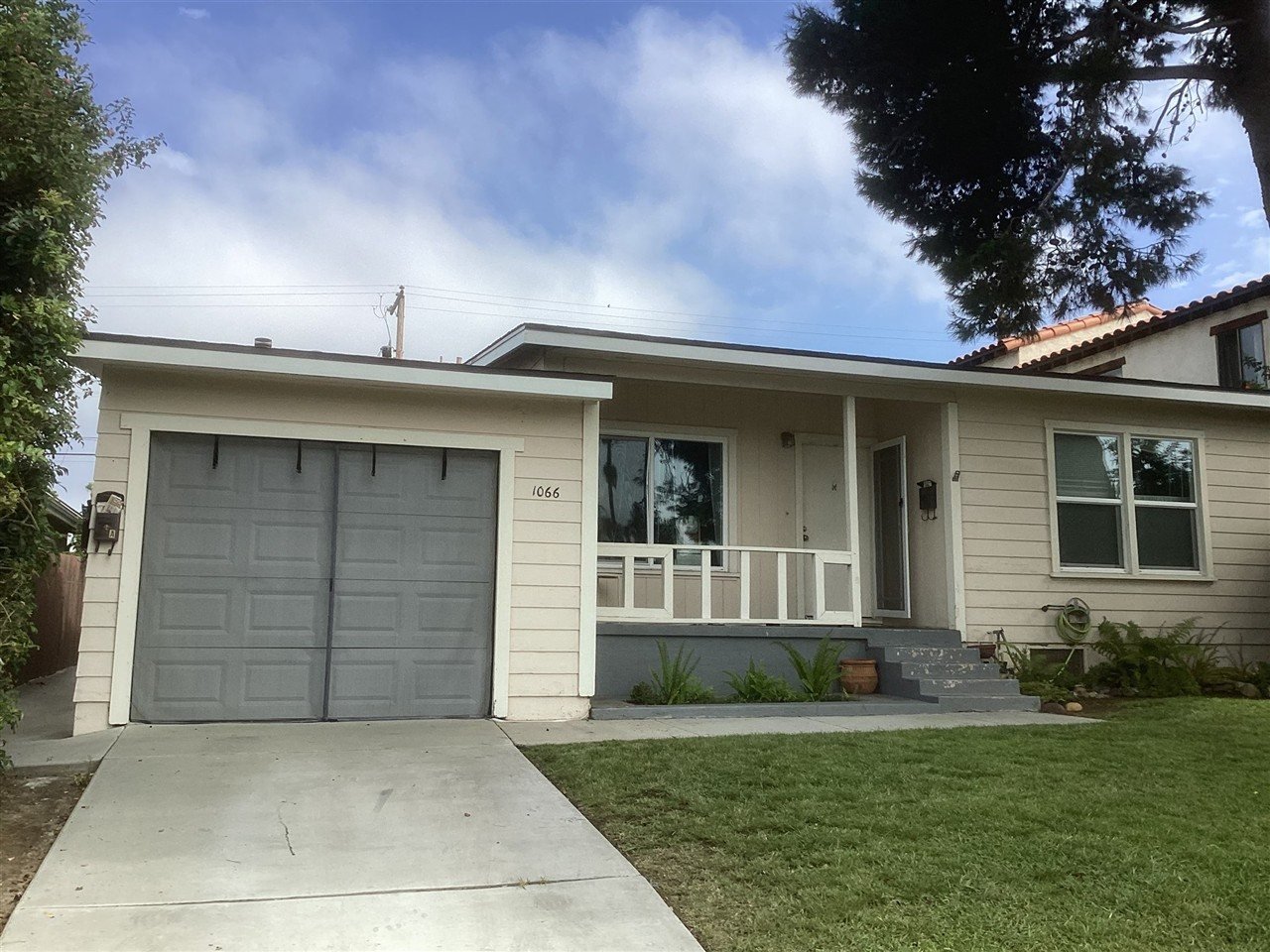
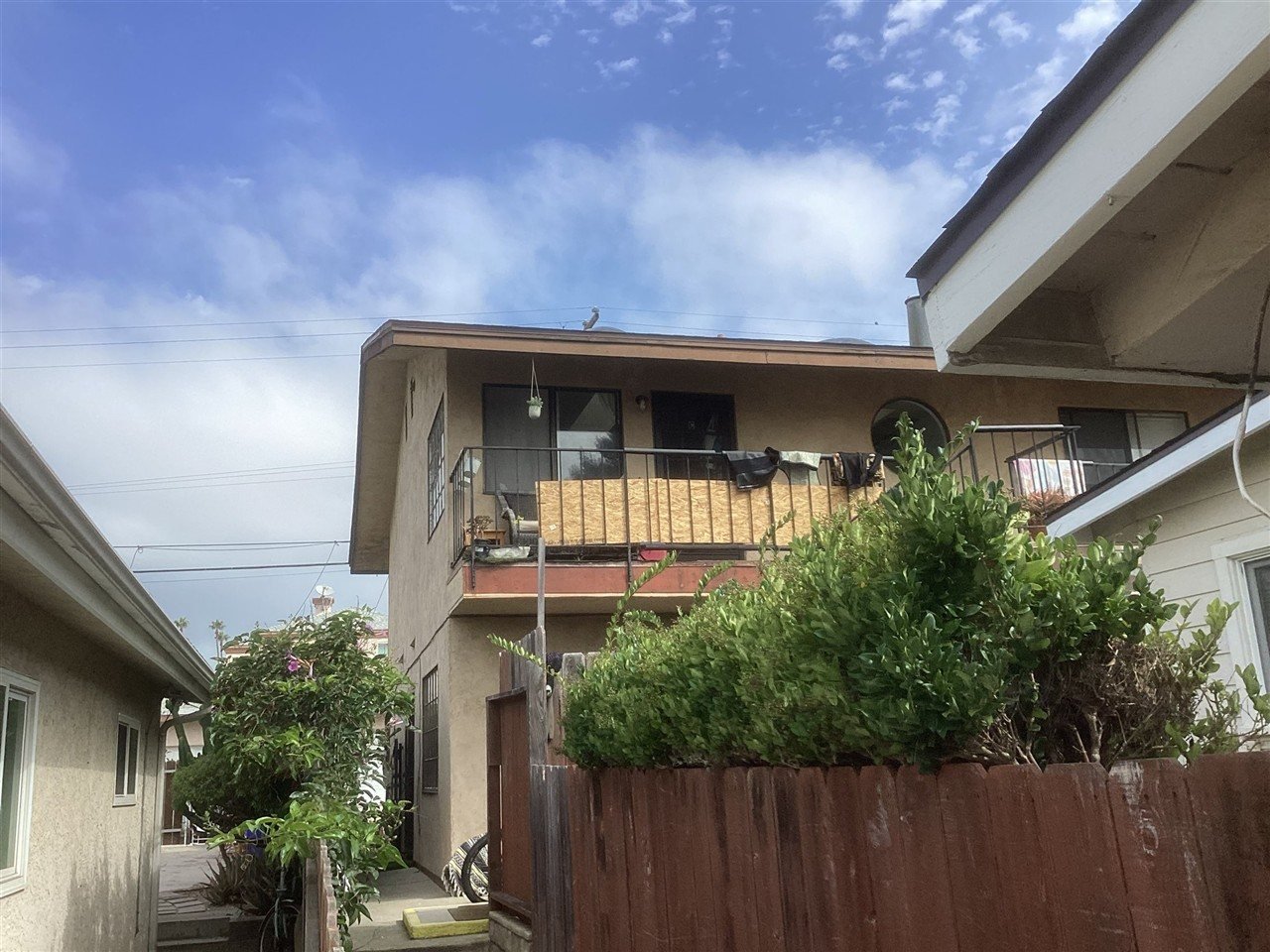
Multi-unit properties documented for SB 721 balcony compliance across San Diego County.
More inspections in Vista
- SB 326 balcony inspection in Vista
- SB 721 exemption letter in Vista
- Seller inspection in Vista
- Warranty inspection in Vista
- Home inspection in Vista
Nearby and countywide
Were You Happy With Your Inspection?
We are proud of our 4.9-star rating across 100+ Google reviews. If Joseph and the team did right by you, a quick Google review helps other San Diego County buyers and sellers find us.