
Seller's Pre-Listing Inspection in Vista, CA
In a Vista sale, whoever inspects the house first sets the terms. If that's the buyer's inspector, you're reading their findings mid-escrow with the clock running — and every line item becomes a credit, a price cut, or a reason to walk. A seller's pre-listing inspection reverses the order: I inspect your home before it reaches the MLS, so you see what a buyer's inspector will, while you still hold every option.
I'm Joseph Romeo, and I've worked Vista homes for more than two decades — the postwar and ranch-era houses around Townsite and the downtown grid, the hillside and avocado-belt parcels toward Bonsall, and the newer tracts off Shadowridge and Sycamore. This is the full InterNACHI Standards-of-Practice inspection a buyer would order, run for you first. Vista's spot in the inland-to-coastal transition zone — mixed soils, varied terrain, an older housing core — changes what surfaces here. This page walks through the scope, the local conditions that drive it, what I tend to find, how the report works, and where my work stops. The Vista home inspection hub covers the buyer's side.
Call (619) 752-4399 Schedule an Inspection
What does a Vista seller's pre-listing inspection include?
Nothing about a pre-listing inspection is scaled back — it's the complete home inspection, run to InterNACHI's Standards of Practice before you list rather than after an offer. I document the same accessible systems a buyer's inspector will, so their later report holds no surprises:
- Roof and exterior — covering condition and remaining life, flashing, gutters, stucco and trim, plus the grading and drainage that carry extra weight on Vista's hillside lots.
- Foundation and structure — slab or raised foundation, crack patterns, and movement signs, read against Vista's mixed transition-zone soils that shift from sandy to clay across short distances.
- Electrical — service panel, breakers, grounding, and the branch wiring an offer can turn on in an older Townsite-area home.
- Plumbing — supply and drain materials, water heater, fixtures, and visible leaks; on the rural eastern parcels I note any well pump, pressure tank, or septic-fed plumbing I can see.
- HVAC — heating and cooling equipment, age, and operation, weighed against Vista's warmer inland summers a few miles back from the coast.
- Interior, attic, and ventilation — windows, doors, ceilings, insulation, and the attic, where a roof leak or rodent intrusion usually tells its story first.
The scope matches a buyer's inspection exactly; what changes is that the report reaches you first, with room to act. I document observed condition with photos — I don't bid or perform repairs.
Which Vista conditions belong in the report up front?
What a buyer's inspector zeroes in on depends on where your home sits in Vista and when it went up. These are the local realities that decide which findings can reopen price talks late — and the ones worth documenting before you list:
- Transition-zone soils: Vista straddles the inland-to-coastal line, and the ground changes character across the city — sandy and fast-draining in some pockets, expansive clay in others. That inconsistency shows up as uneven foundation movement, sticking doors, and slab cracking.
- Older ranch and postwar stock: much of central Vista — Townsite, the downtown grid, the early tracts off Vista Way and Santa Fe — predates 1980, carrying the era's panels, galvanized lines, and original roofs that buyers' inspectors reliably write up.
- Hillside grading and drainage: on Vista's slopes and the avocado-belt parcels toward Bonsall, grading that runs toward the foundation is a cheap fix now and a flagged defect later.
- Heat-aged roofs: a few miles inland, Vista's sun runs hotter than the coast and shortens composition-shingle life, so a roof can read closer to the end than its install date suggests.
- Rural well and septic parcels: on the eastern and northern edges, well and septic systems are exactly where deals stall. Documenting what's visible early lets you schedule the specialist tests before escrow.
What do I routinely find before Vista homes list?
Run enough pre-listing visits across Vista and the same items keep surfacing — each far easier to handle now than as a buyer's repair demand later:
- Uneven foundation and slab movement — cracking and floor slope tied to the city's shifting soil types, which reads alarming to a buyer until it's documented and explained for what it is.
- Roofs near the end of their run — sun-tired shingles with little life left, or tile with failing underlayment, often the single biggest lever a buyer's agent reaches for.
- Drainage pushing water at the house — on Vista's grades, downspouts and grading aimed at the foundation instead of away from it.
- Dated electrical — Federal Pacific, Zinsco, and Sylvania panels and aging branch wiring in the older neighborhoods, items buyers and their insurers both scrutinize.
- Aging supply and drain lines — corroding galvanized supply, old cast-iron drains, and water heaters living on borrowed time.
- Stacked deferred maintenance — stucco cracks, dried caulking, and worn flashing that, added up, make a buyer question how the home was kept.
Seeing these first means you pick the response — fix it, get a bid to share, or disclose and price it in — rather than reacting once a buyer's inspector has handed them the leverage.
How does the inspection run, and what report do you get?
It opens with a call to (619) 752-4399 or an email with your Vista address and target listing date. The aim is to inspect with enough runway to act on whatever turns up — ideally a few weeks out, before you've spent on staging and paint — so we schedule with that lead time in mind.
On site I work the home the way a buyer's inspector will, top to bottom: up on the roof and through the attic, at the panel and water heater, across every room, and around the exterior and grading. I point things out as I go and talk through what a buyer is likely to seize on versus what's minor, so you leave with context, not just a checklist.
The deliverable is a full HomeGauge report with photos and plain-language condition notes, usually same day or the next day. Use it three ways: as a punch list to repair from, as a disclosure document, or as something you hand straight to buyers and agents to head off a second inspection. I report observed condition only — not bidding or performing repairs — which keeps the report independent and credible to the buyer's side. Where an item needs a specialist — a well, septic, pest, or structural question — I'll tell you and coordinate the right licensed pro.
Why do Vista sellers and agents trust the call?
A pre-listing report is only worth the judgment behind it — knowing which soil crack is cosmetic versus structural, or which roof still has real life left, keeps you from over-disclosing or under-pricing your Vista home. I'm an InterNACHI Certified Professional Inspector (CPI) and hold a California CSLB General Contractor license (#1113143). That builder's background pays off for a seller: when I flag something, I can tell you whether it's a weekend fix or a real project, so you decide repair-versus-disclose with real footing.
- 20+ years and 10,000+ inspections across San Diego County, including Vista's Townsite and downtown core, the Shadowridge and Sycamore tracts, and the rural hillside parcels toward Bonsall.
- 4.9 stars across 106 Google reviews.
- Independent and conflict-free — I don't sell repairs, so nothing in the report steers toward work I'd profit from; it's an honest baseline you can stand behind with a buyer who's wary of a seller-ordered inspection.
When a finding needs a licensed specialist before you list — a roof, a panel swap, a well or septic check — I coordinate or refer the right trade. Reach me at joe@sandiegohomeinspection.com or the number above.
Which related inspections suit Vista sellers?
The pre-listing inspection covers the whole house, but some Vista properties warrant a closer look at specific systems before you go to market. I can line these up around the same visit:
- Sewer scope: a camera down the buried lateral the main inspection can't see inside, where Vista's older clay and cast-iron lines and mature trees crack and invade — a classic late-escrow deal-killer.
- Roof inspection: a deeper read on remaining life when the walk shows a roof worn by inland sun.
- Foundation and slab evaluation: worth the focus given Vista's mixed transition-zone soils and the uneven movement they cause.
- Thermal / infrared imaging: surfaces hidden moisture and electrical hot spots behind walls before a buyer's inspector finds the stain.
- Well and septic coordination: for the rural eastern and northern parcels, arranged with a licensed specialist ahead of escrow rather than during it.
Not sure what your listing actually needs? Send the address and your timeline and I'll tell you what's worth doing before you spend on any of it — see all inspection services we offer or get a quote through contact.
Vista Seller's Pre-Listing Inspection FAQs
What does a seller's pre-listing inspection cost in Vista?
Is a pre-listing inspection the same scope as a buyer's inspection?
Why get a pre-listing inspection before selling in Vista?
Do I have to fix everything the inspection finds before listing?
Should I share the pre-listing report with buyers?
Do you test the well and septic on rural Vista parcels?
Pre-listing documentation
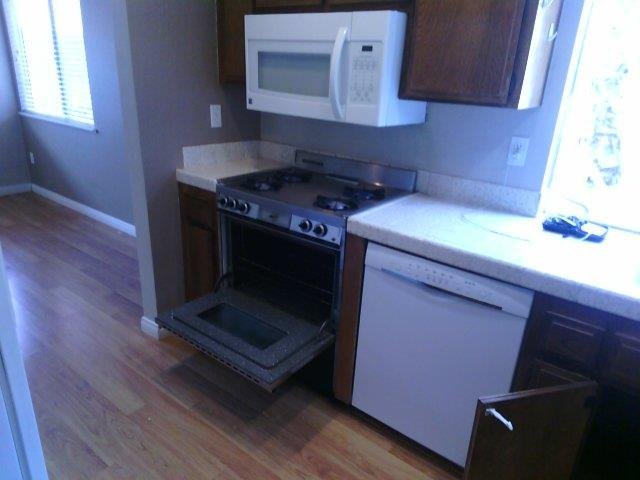
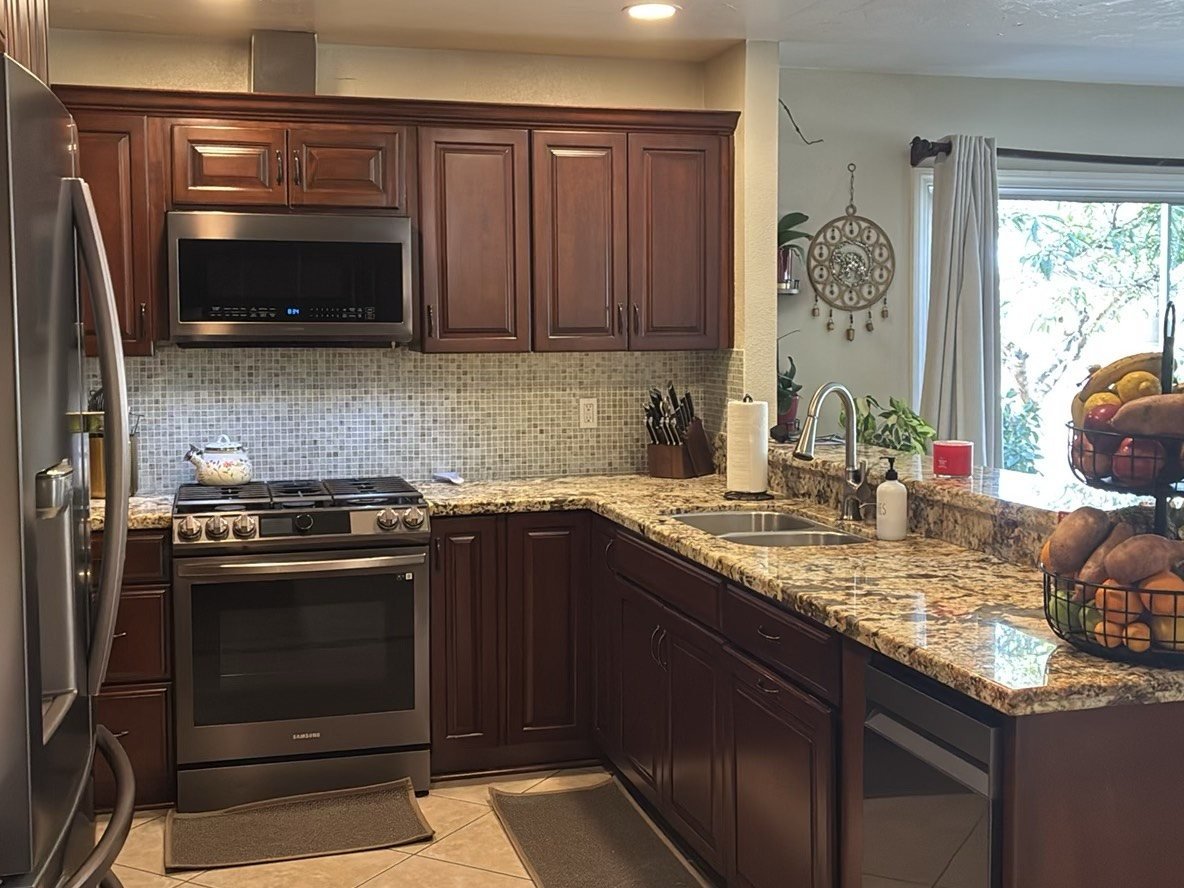
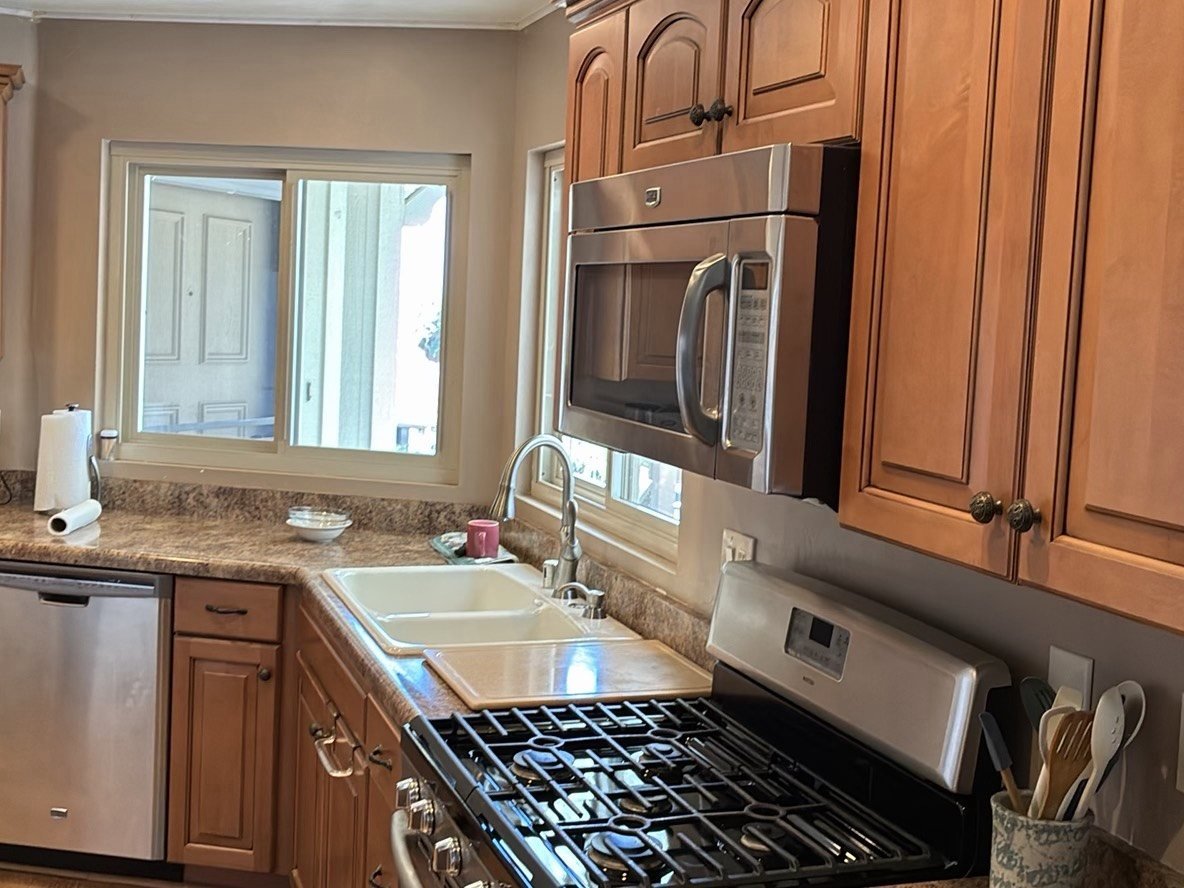
Pre-listing inspection photos from across San Diego County.
More inspections in Vista
- 4-point inspection in Vista
- Roof inspection in Vista
- Thermal imaging in Vista
- Foundation slab survey in Vista
- Home inspection in Vista
Nearby and countywide
Were You Happy With Your Inspection?
We are proud of our 4.9-star rating across 100+ Google reviews. If Joseph and the team did right by you, a quick Google review helps other San Diego County buyers and sellers find us.