
SB-326 Balcony Inspection in Vista, CA
If you serve on a Vista condominium board or manage an HOA here in inland north county, SB-326 is the rule that put the balcony question in front of your association. California's Balcony Inspection Law — written into the Davis-Stirling Act for common-interest developments — requires a qualified inspector to look over your wood-framed exterior elevated elements on a nine-year cycle. Those are the load-bearing balconies, raised decks, breezeways, exterior stairs, and landings that carry residents more than six feet up, plus the waterproofing that keeps water out of the framing underneath. The first cycle came due January 1, 2025, so a lot of Vista associations are getting their initial inspection on the calendar now.
Think of SB-326 as the condo-and-HOA twin of SB-721, which handles rental apartments — same elevated elements, different governing statute. Under SB-326, the inspector visually reviews a statistically significant random sample of those EEE across the community and writes it up for the board to fold into the association's reserve study. We sample and document; the repair itself belongs to a licensed contractor. Below is how that plays out on Vista's mix of older ranch-era and newer hillside condo stock.
Call (619) 752-4399 Schedule an Inspection
Which Vista HOA elements does SB-326 put under the lens?
SB-326 is written around Exterior Elevated Elements (EEE) — the wood-framed, load-bearing parts of a condo or HOA building that project past the wall, sit more than six feet above grade, and lean on a waterproofing system to last. Across a Vista common-interest development, the random sample typically pulls from:
- Private unit balconies and raised decks — the framing, the ledger tying the deck back to the wall, the posts, and the coated walking surface on each element we draw.
- Elevated breezeways and circulation walkways — the open upper-floor corridors linking stacked units in Vista's garden-style and townhome layouts.
- Common exterior stairs and inter-floor landings — the stringers, treads, and the way each run anchors back to the structure.
- Guardrails and handrails — checked for solid attachment and load resistance, since a guard that lets go is the association's liability.
- The waterproofing assembly — flashing, joint sealant, deck membranes, and drainage, which the statute pulls into the same review because they decide whether the wood behind them survives.
The sample has to be sized so its results fairly stand in for every element of that type across the property. The work is visual, but where signs of hidden damage show up, the law lets us call for a closer look behind the finish. Each sampled element gets graded, photographed, and given a remaining-useful-life read your board carries into the reserve plan.
How do Vista's terrain and building age affect elevated elements?
Vista sits in north county's inland transition zone, away from the steady marine salt the coast deals with but with its own set of pressures on a balcony. These are the local factors we weigh when we pick the sample and decide where to probe hardest:
- Varied transition-zone soils: Vista's ground shifts from sandy loam to heavier clay and decomposed granite over short distances, and that uneven support moves buildings differently across a single complex. Stair posts and landing connections work loose where the ground underneath them isn't uniform, opening gaps that route water into the wood.
- Older ranch-era and converted stock: Much of Vista's housing grew out of mid-century ranch development, and some condo conversions and early HOAs carry waterproofing detailing from before current standards — ledgers and membranes from that era are hitting the end of their service life right as the first SB-326 cycle arrives.
- Hot inland sun and big day-night swing: Vista runs hotter and drier than the shoreline, and the daily temperature swing flexes deck coatings and sealant joints until they check and split along the seams, the first opening water exploits.
- Concentrated seasonal rain: Inland rain here arrives in a handful of hard events. Sun-fatigued flashing that coasted through the dry months lets those downpours drive straight into a balcony ledger.
None of this announces itself from the courtyard, which is why on a Vista community the worst damage often hides behind an element that looks perfectly sound at a glance.
What findings recur on Vista condo decks and walkways?
Across the associations we sample in Vista, the same conditions surface in a familiar order. A board that recognizes the pattern can plan reserve spending on purpose rather than scramble when an element comes back graded for action:
- Failed ledger flashing: dried, lifted, or missing flashing where a balcony meets the wall, letting water sit against the ledger — the single defect SB-326 exists to catch.
- Heat-checked deck and walkway coatings: cracked, chalked, or thinned membranes on breezeways and unit balconies that have stopped shedding water and started feeding the framing.
- Soft or rotted framing: joists, posts, and ledgers that probe spongy at their connections, usually concealed until a section is opened to confirm.
- Loose guardrails: HOA-owned guards that give under load because the wood or hardware behind them has weakened — an immediate safety flag for the board.
- Corroded connectors: rusted joist hangers, bolts, and stair brackets where water has been pooling against steel at landings and stringers.
- Standing water and bad fall: decks and walkways drained the wrong way, holding water against the structure instead of carrying it off.
We separate cosmetic wear from a real load-bearing or safety defect and photograph each one, so the board and the reserve analyst read evidence rather than opinion.
How does the inspection run, and what does the board file?
We start by going over the association's building layout, unit count, and a rough tally of balconies, walkways, stairs, and landings. That count sets the statistically significant random sample SB-326 calls for and lets us tell the board what to expect before we mobilize. On site, we work each sampled element directly — reading flashing and probing framing at the ledgers, checking coating and drainage across the walking surfaces, testing guardrail attachment, and examining stringers, posts, and connectors under the stairs and landings.
Where the visual review turns up a sign of concealed trouble — a stained soffit under a balcony, a spongy landing, a coating that's failed right at a ledger — we flag the need to open a small section to confirm what's happening inside the assembly rather than guess. You receive a written report that classifies each sampled element, calls out anything posing an immediate safety threat, estimates remaining useful life, and backs every grade with photographs — the record your board drops into the reserve study, usually delivered same day or next day. SB-326 reports stay with the association; unlike SB-721, there's no city filing step.
Our lane stays clear: we inspect and report observed condition. We don't design repairs, perform repairs, or issue engineering or structural certifications on a building we inspect. When a finding needs repair drawings or a stamped structural opinion, we say so and coordinate or refer the right licensed engineer or contractor — which keeps the SB-326 report independent of any repair sale.
Why do Vista boards and managers bring us in?
An SB-326 grade is only as good as the judgment behind it, and a wrong call cuts both ways for an association — a missed rotten ledger is a liability the board carries, while a false alarm becomes a special assessment nobody needed. Your inspection is performed by Joseph Romeo, an InterNACHI Certified Professional Inspector (CPI) who also holds a California CSLB General Contractor license (#1113143). That contractor background is exactly what these elements demand: he reads how a balcony was framed, how a ledger was bolted, and what a corroded connector means for load capacity rather than noting surface wear a coat of paint hides.
- 20+ years and 10,000+ inspections across San Diego County, including Vista's ranch-era neighborhoods, its garden-style associations, and the hillside condo communities on the city's edges.
- 4.9 stars across 106 Google reviews from owners, boards, property managers, and agents.
- Independent and conflict-free — we inspect and report, we don't sell the balcony repair, so nothing in a grade points toward work we'd profit from, which is what a board bound by fiduciary duty needs.
For transparency: we're InterNACHI CPI and CSLB-licensed, not ASHI or CREIA members, and we don't post flat prices, since the fee turns on the community's size and the sample count. Check the fee schedule or request a quote before you book.
Which companion inspections suit Vista associations?
SB-326 answers the condo balcony mandate, but Vista associations often have more than one thing worth looking at on the same mobilization:
- SB-721 balcony inspection — the parallel law for rental apartment buildings; if part of the portfolio is multifamily rental rather than an HOA, that's the one that applies there instead.
- Roof inspection — a standalone read on common-area coverings worn by Vista's inland sun, on the same buildings whose balconies we're already sampling.
- Thermal / infrared imaging — finds hidden moisture behind deck and breezeway finishes the eye misses, useful when a sampled coating raises a flag before the framing is exposed.
- Sewer scope — a camera down the shared laterals under older Vista condo lots, which the EEE scope doesn't touch but which fail expensively on the association's dime.
- Full building walkthrough — a broader look at accessible common-area systems when the board is planning capital work.
Send the association name, the unit count, and a sense of how many elevated elements the property carries, and we'll tell the board which of these genuinely apply before any reserve dollars get committed.
Vista SB-326 Balcony Inspection FAQs
Which Vista buildings fall under SB-326 rather than SB-721?
When is our Vista HOA's SB-326 inspection due?
Do you inspect every balcony in the community?
Does Vista's inland climate change what you find?
Will you open up framing during the inspection?
What does an SB-326 inspection in Vista cost?
HOA properties we inspect
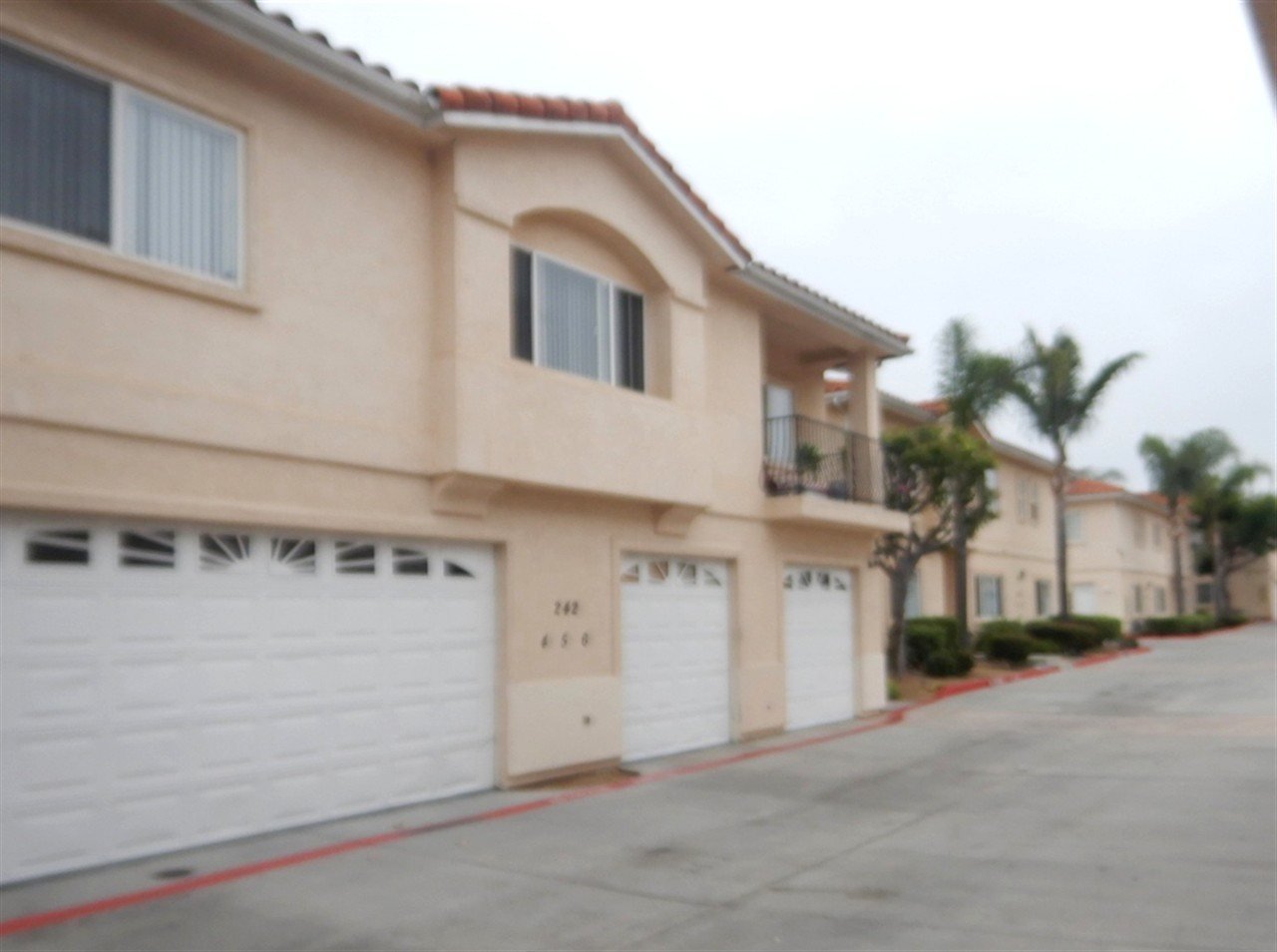
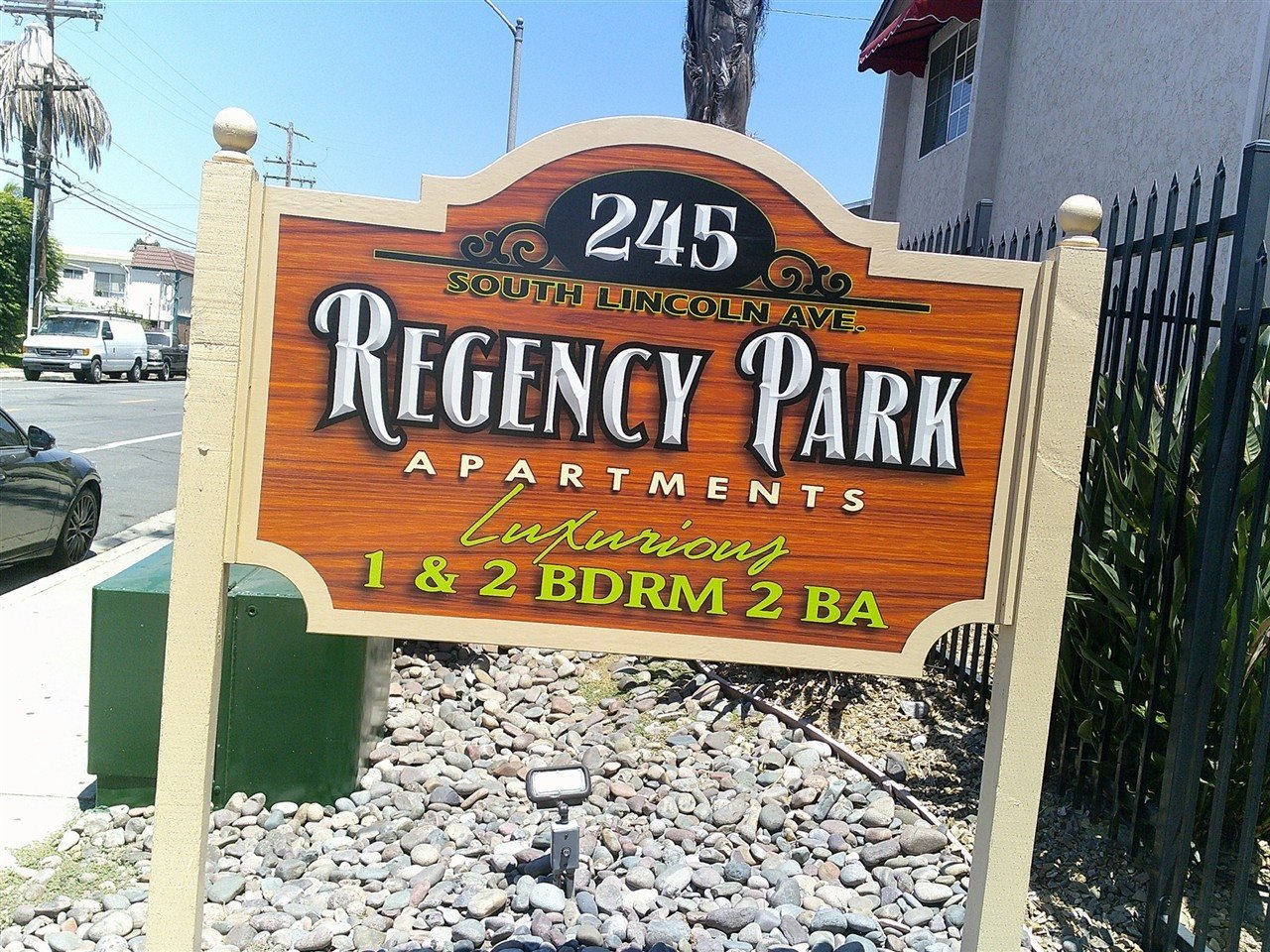
Condominium properties documented for SB 326 balcony compliance across San Diego County.
More inspections in Vista
- Pool and spa inspection in Vista
- Sewer scope inspection in Vista
- 4-point inspection in Vista
- Roof inspection in Vista
- Home inspection in Vista
Nearby and countywide
Were You Happy With Your Inspection?
We are proud of our 4.9-star rating across 100+ Google reviews. If Joseph and the team did right by you, a quick Google review helps other San Diego County buyers and sellers find us.