
11-Month Warranty Inspection in Vista, CA
A builder's first-year warranty behaves like a fuse you can't see burning. You closed on the new house, you moved in, the place looked finished — and almost no one circles month eleven on the calendar. But that's the deadline. Until then the builder is obligated to repair a long list of workmanship and component defects; after twelve months, the same items quietly become your expense.
I'm Joseph Romeo, and an 11-month warranty inspection is a full, whole-house inspection timed to land in month 10 or 11 — late enough that a year of Vista's seasons has pushed the defects to the surface, early enough to file the claim before coverage closes. Same scope as a buyer's inspection: roof, framing, electrical, plumbing, HVAC, grading, finishes. The difference is I write each finding so it reads as something a builder's warranty department is bound to fix, with the photos and location detail to back it. This page lays out what the inspection documents, the Vista-specific reasons a year-old home develops problems, what I keep finding here, how the report runs, and where my scope stops.
Call (619) 752-4399 Schedule an Inspection
What does the warranty inspection cover on a new Vista home?
This is a complete inspection, not a quick punch-list lap of the house. I work the same systems I would for a buyer, then frame every defect against what a typical one-year builder warranty obligates them to correct. On a year-old Vista build I'm reading:
- Roof and attic — concrete tile or composition shingle for slipped, cracked, or under-fastened pieces, flashing at penetrations and valleys, plus attic insulation depth and ventilation that often comes up short on a production schedule.
- Framing and finishes — nail pops, drywall cracking at corners and seams, separating base and crown, and door and window reveals that shifted as the house took its first year of soil movement.
- Electrical — panel labeling, GFCI and AFCI protection, grounding, and the loose fixtures and unterminated outlets that slip past a hurried builder walkthrough.
- Plumbing — fixtures, supply and drain connections, water-heater operation and seismic strapping, hose bibs, and slow seepage hiding behind new cabinetry.
- HVAC — heating and cooling in operation, duct connections and register balance room to room, and condensate routing — all of it tested hard by Vista's first warm inland stretch.
- Exterior and lot — stucco cracking, weep-screed clearance above grade, hardscape, and how the lot drains relative to the foundation.
Every item lands in the report with its location and a photo a warranty rep can act on. I document observed condition; I don't bid or perform the repairs.
Why does Vista's transition-zone ground drive first-year defects?
Vista sits in a genuine transition zone — the coastal influence reaches in from the west, but the inland heat and the back-country terrain start here too, and the soils underneath shift over short distances. A new house spends its first year reacting to whichever ground it landed on, and Vista's variety is exactly why timing the inspection here earns its keep:
- Mixed and expansive soils: Across Vista you'll find decomposed-granite pockets sitting near clay-heavy seams, sometimes on the same tract. Expansive clay swells in the wet season and shrinks in the dry, and a first-year home riding that cycle telegraphs it as drywall cracks, sticking doors, and hairline stucco separations — all builder-warrantable while coverage holds.
- Converted hillside and grove land: Many of Vista's newer tracts were cut into former avocado and citrus hillsides — Shadowridge, the slopes above Brengle Terrace, the North Vista grades. Cut-and-fill pads settle unevenly in year one, and drainage that wasn't graded to carry the first rains off the lot is a recurring finding.
- Inland heat cycling: Vista runs hotter than the coast a few miles west. A full first summer bakes the south and west walls, runs a brand-new AC system for months, and opens caulk joints, roof sealant, and any HVAC sizing shortcut from the build.
- Older ranch context, newer infill: Vista's housing stock leans toward older single-story ranch homes, so new construction here is often infill dropped between established lots. That means tie-ins to existing grade and drainage that deserve a careful first-year read.
What do I keep finding before the Vista warranty closes?
On the year-old Vista homes I document, the same defects surface again and again — most look cosmetic but are genuinely the builder's to repair, and a handful matter more than they look. Knowing the pattern is how you stop money from leaking out when coverage lapses:
- Drywall and ceiling cracks — at door corners, wall-to-ceiling seams, and over wide openings, the first-season settlement signature on Vista's mixed soils.
- Nail pops and seam ridging — framing shrinkage pushing fasteners back through the finish over the first dry season.
- Stucco hairlines and weep-screed problems — cracks at window corners and the screed set too close to grade or buried by hardscape, a real moisture path on infill lots.
- Grading that fell back toward the house — soil sloped or settled toward the foundation instead of away, the classic concern on cut-and-fill hillside pads.
- HVAC and duct shortcuts — rooms that never reach temperature, loose or crushed flex duct, and condensate routed poorly — obvious after one full inland cooling season.
- Roof and flashing misses — slipped tiles, exposed fasteners, and thin sealant at penetrations after the roof took its first summer of heat.
- Finish and plumbing leftovers — unsealed grout, drips under vanities, GFCI gaps, unstrapped water heaters, and fixtures left loose at the end of the build.
I separate normal first-year settling from a defect the builder owes you, so the list you hand over is one a warranty rep takes seriously instead of waving off.
How does the inspection run, and what do you submit?
Start with a call to (619) 752-4399 or an email with the address, the builder, and your closing date. That close date sets your deadline — book with a few weeks of runway so there's time to walk the home, write the report, and file the claim before month twelve closes the window. Builders don't grant extensions for a deadline you let slide.
On site I run the whole house at a full-inspection pace: up on the roof and into the attic, across every room reading drywall and finish movement, at the panel and every GFCI, under sinks and at the water heater, and through the heating and cooling in operation. I read the exterior stucco, the weep screed, and the lot grading with Vista's mixed soils and hillside fill in mind. A new house doesn't earn a faster inspection — I give it the time the scope takes.
The deliverable is a HomeGauge report, typically same day or next day, with each finding located and photographed in plain language a warranty department can act on without a translator. Many owners forward it straight to the builder as their submission. It documents condition — I don't perform the repairs and I'm not re-grading the lot or patching drywall; the report tells you and the builder exactly what needs their crew. If something needs a structural opinion or a leak pressure-test, that's outside my scope and I coordinate or refer the right licensed specialist rather than stretch the inspection past what it is.
Why do Vista owners have me write the report?
A warranty report only does its job if the builder can't brush it aside, and that comes down to the judgment behind each call. I'm an InterNACHI Certified Professional Inspector (CPI), and I also hold a California CSLB General Contractor license (#1113143). That builder's-side background is the whole point on a warranty inspection — I know how these tracts go together and where a production crew cuts a corner, so I can tell a cosmetic settlement crack from a grading or framing defect the builder genuinely owes you, and write it so it holds up.
- 20+ years and 10,000+ inspections across San Diego County, including Vista's hillside infill and the newer Shadowridge-area tracts.
- 4.9 stars across 106 Google reviews from buyers, owners, and agents.
- Independent and conflict-free — I don't do the repairs my report calls out, so nothing on the list is padded toward work I'd profit from; it's what the builder actually owes.
For the record: I'm InterNACHI CPI and CSLB-licensed, not an ASHI or CREIA member, and I don't post flat prices — the fee follows the home, so check the fee schedule or send the address and I'll confirm before you book. Reach me directly at joe@sandiegohomeinspection.com or the number above.
Which related inspections suit new Vista homes?
The 11-month inspection drives your warranty submission, but depending on the home and the lot, a few companion inspections are worth folding into the same visit so you've got one complete record while the builder still has to stand behind the house:
- Full home inspection — the same whole-house scope written for a buyer, if you're purchasing a Vista resale rather than closing out a builder warranty.
- Sewer scope — a camera down the new lateral; even on a year-old home, construction debris and bellies turn up, and it isn't part of a standard warranty walk.
- Thermal / infrared imaging — reads hidden moisture behind that first-year stucco crack and missed attic insulation before coverage closes.
- Roof-focused inspection — a closer standalone look when the tile or comp roof shows fastener or flashing issues after its first inland summer.
- Pool & spa inspection — for new backyard builds on these tracts, often carried under a separate warranty from the house itself.
Send me the address, the builder, and your closing date, and I'll tell you which of these genuinely apply to your Vista home before you spend on any of them.
Vista 11-Month Warranty Inspection FAQs
When should I schedule my 11-month inspection in Vista?
Is this the same as the inspection I had before closing?
Do Vista's hillside and grove-conversion lots cause more warranty items?
Will the builder actually fix what's in the report?
What does an 11-month warranty inspection in Vista cost?
How fast will I get the report to submit?
New-home documentation
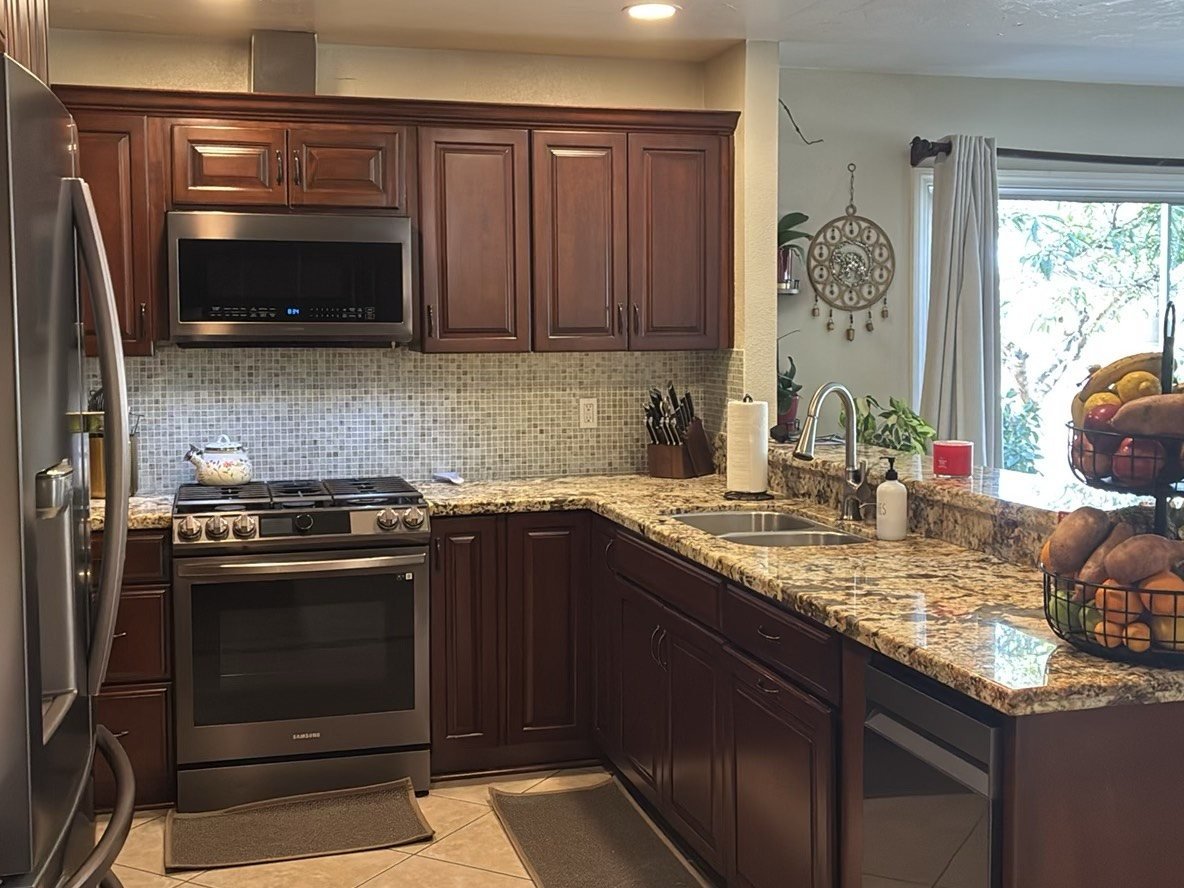
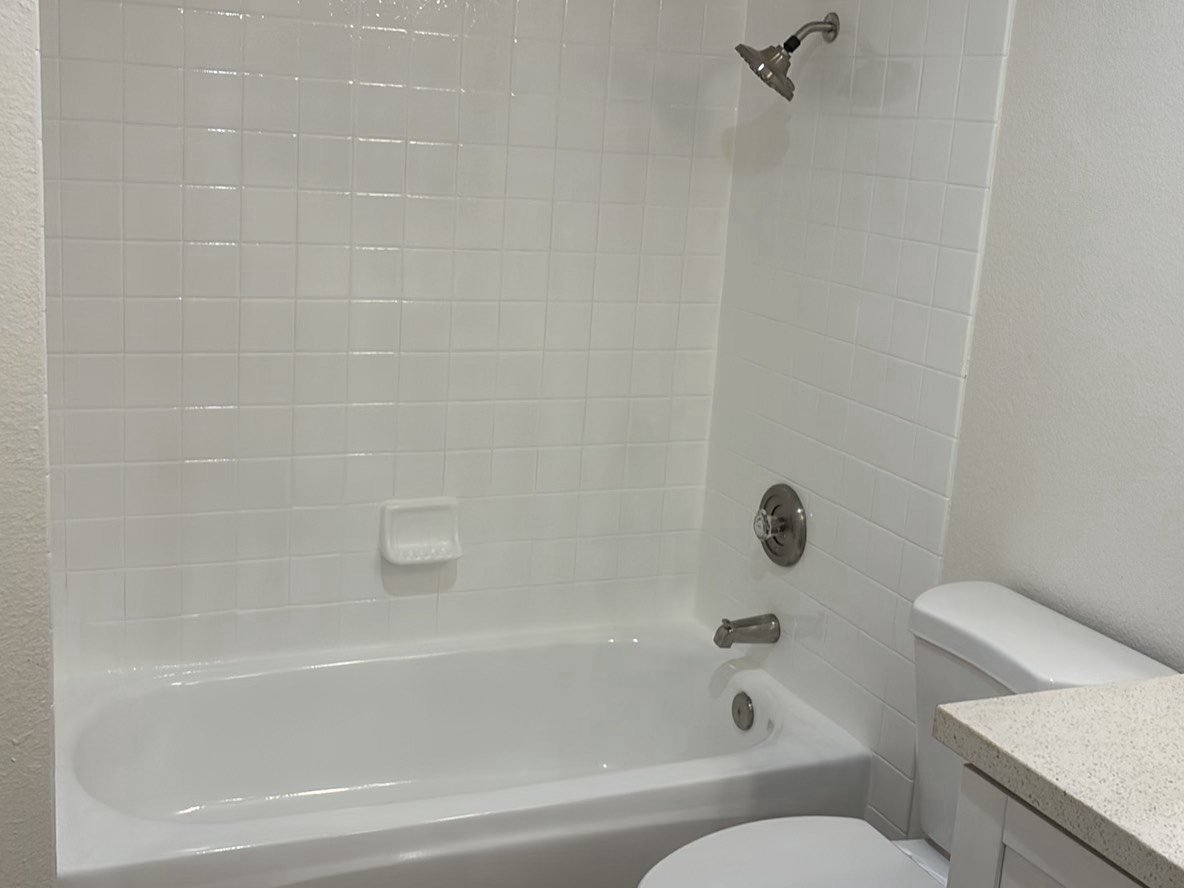
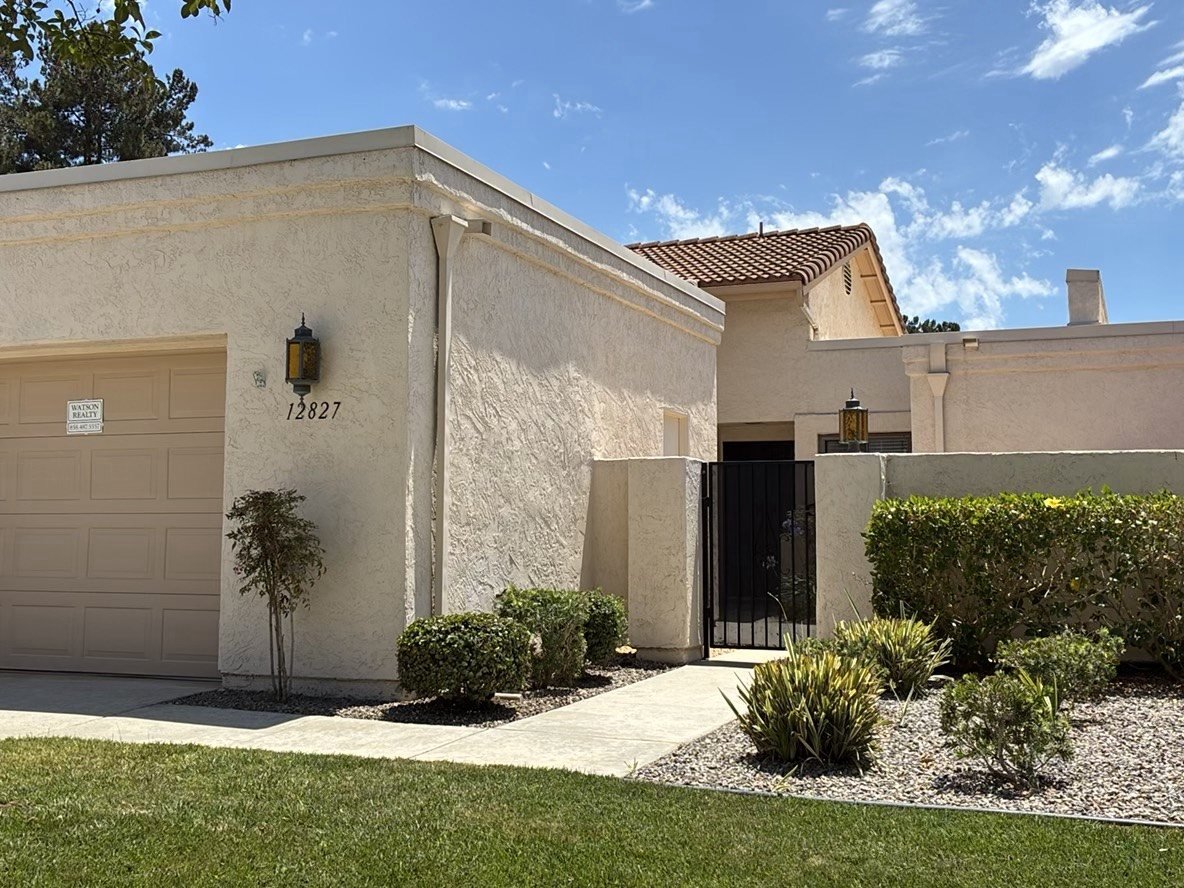
Photos from 11-month builder warranty inspections of newer San Diego homes.
More inspections in Vista
- Thermal imaging in Vista
- Foundation slab survey in Vista
- SB 721 balcony inspection in Vista
- SB 326 balcony inspection in Vista
- Home inspection in Vista
Nearby and countywide
Were You Happy With Your Inspection?
We are proud of our 4.9-star rating across 100+ Google reviews. If Joseph and the team did right by you, a quick Google review helps other San Diego County buyers and sellers find us.