
Buyer home inspections in San Diego
Know what you are buying before the contingency closes. We run every system, photograph what we find, and hand you a report you can negotiate with.









What's Included
Every system, on every visit. Click a system to jump to it.
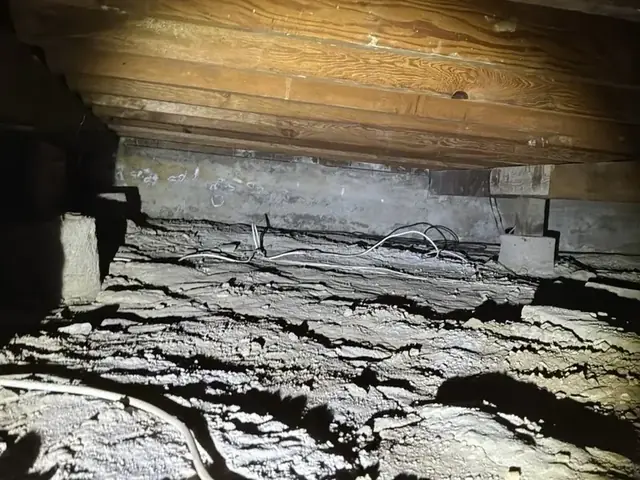
Structure and foundation
slab condition, visible cracking, settlement signs, and crawlspace components where accessible.
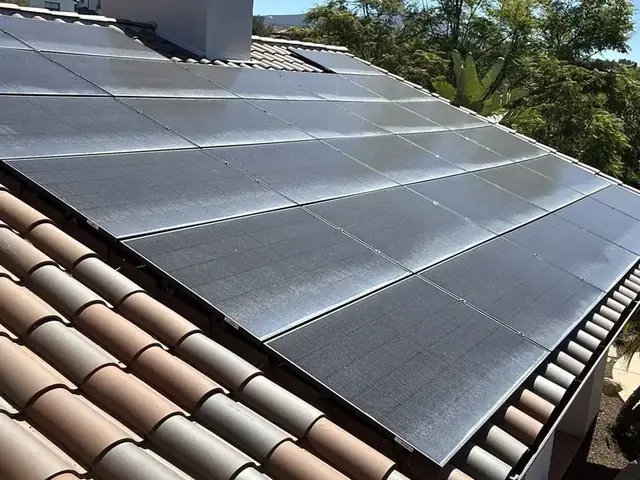
Roof
covering material, flashing, drainage, and visible signs of leaks or aging.
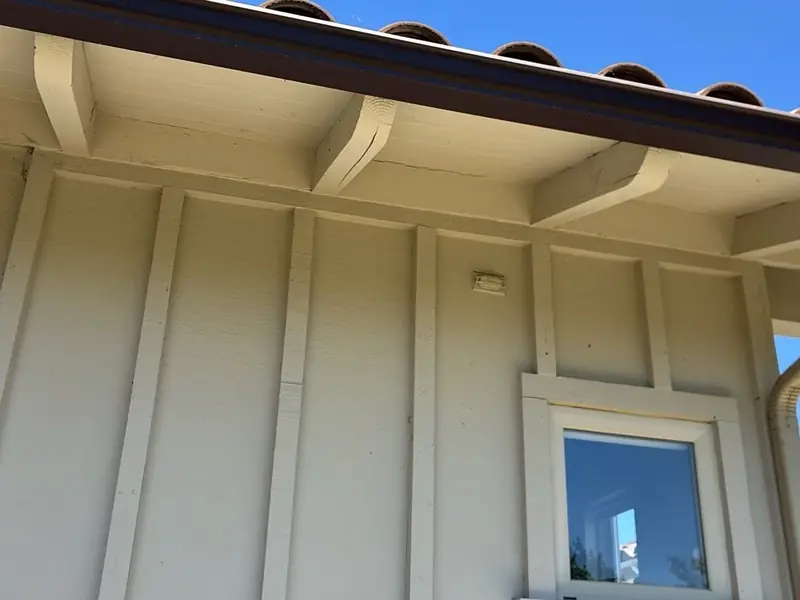
Exterior
siding, stucco, trim, grading, walkways, and drainage away from the foundation.
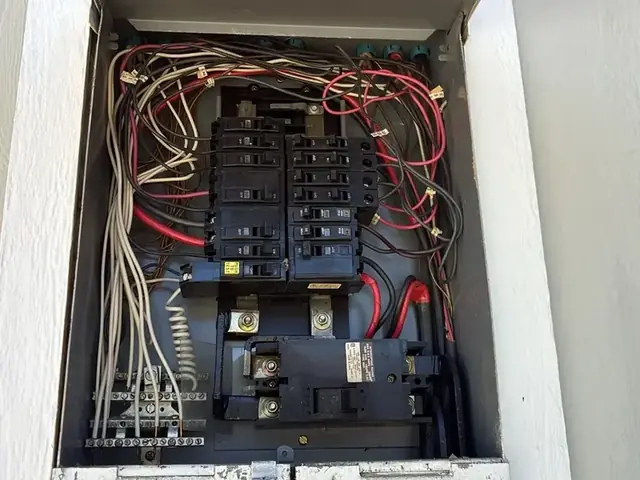
Electrical
main panel, breakers, visible wiring, GFCI/AFCI protection, and a representative sample of outlets and fixtures.
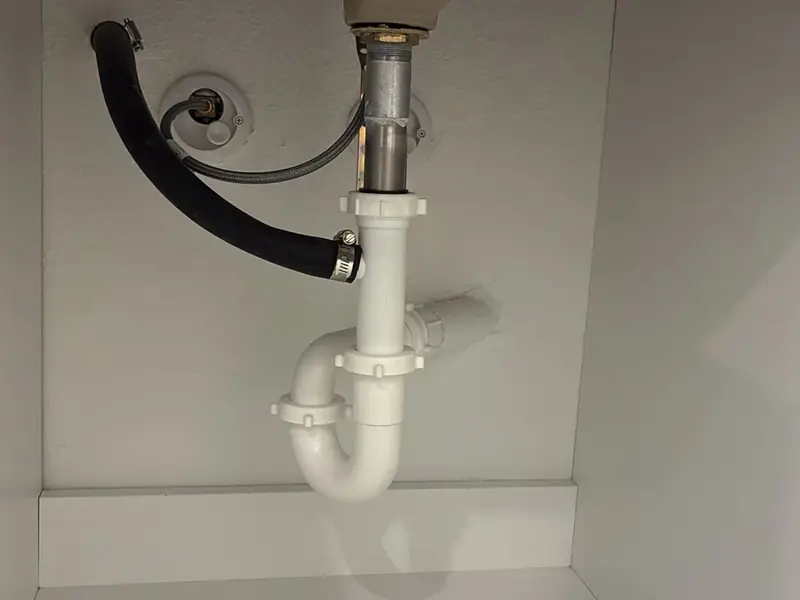
Plumbing
supply lines, drains, water heater, functional flow and drainage, and visible leaks or corrosion.
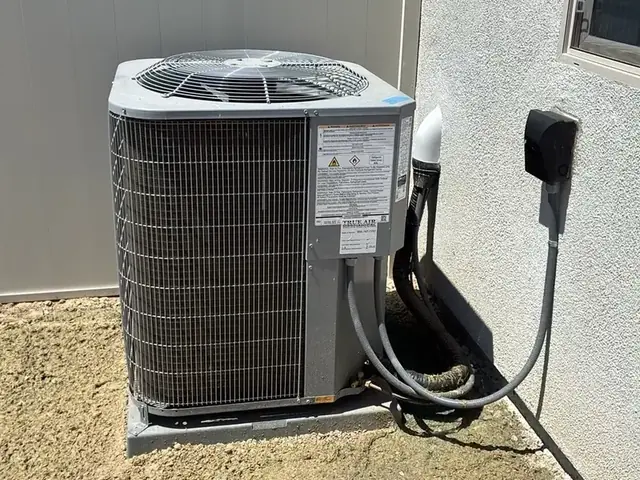
HVAC
heating and cooling equipment operation, age indicators, and accessible ductwork.
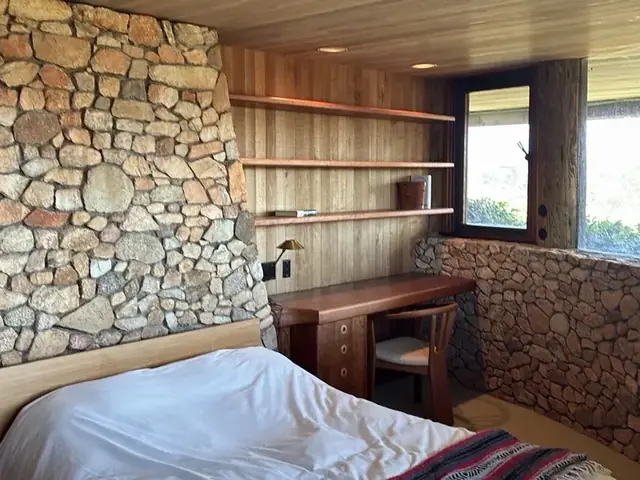
Interior
walls, ceilings, floors, windows, doors, and stairs.
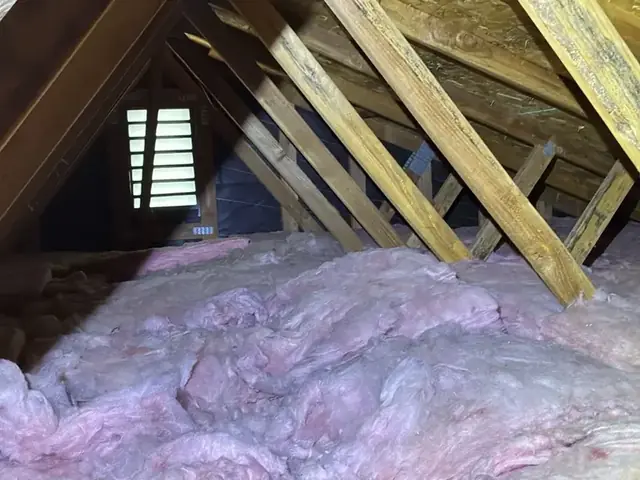
Attic and insulation
ventilation, insulation, and signs of moisture intrusion.
What a buyer inspection covers
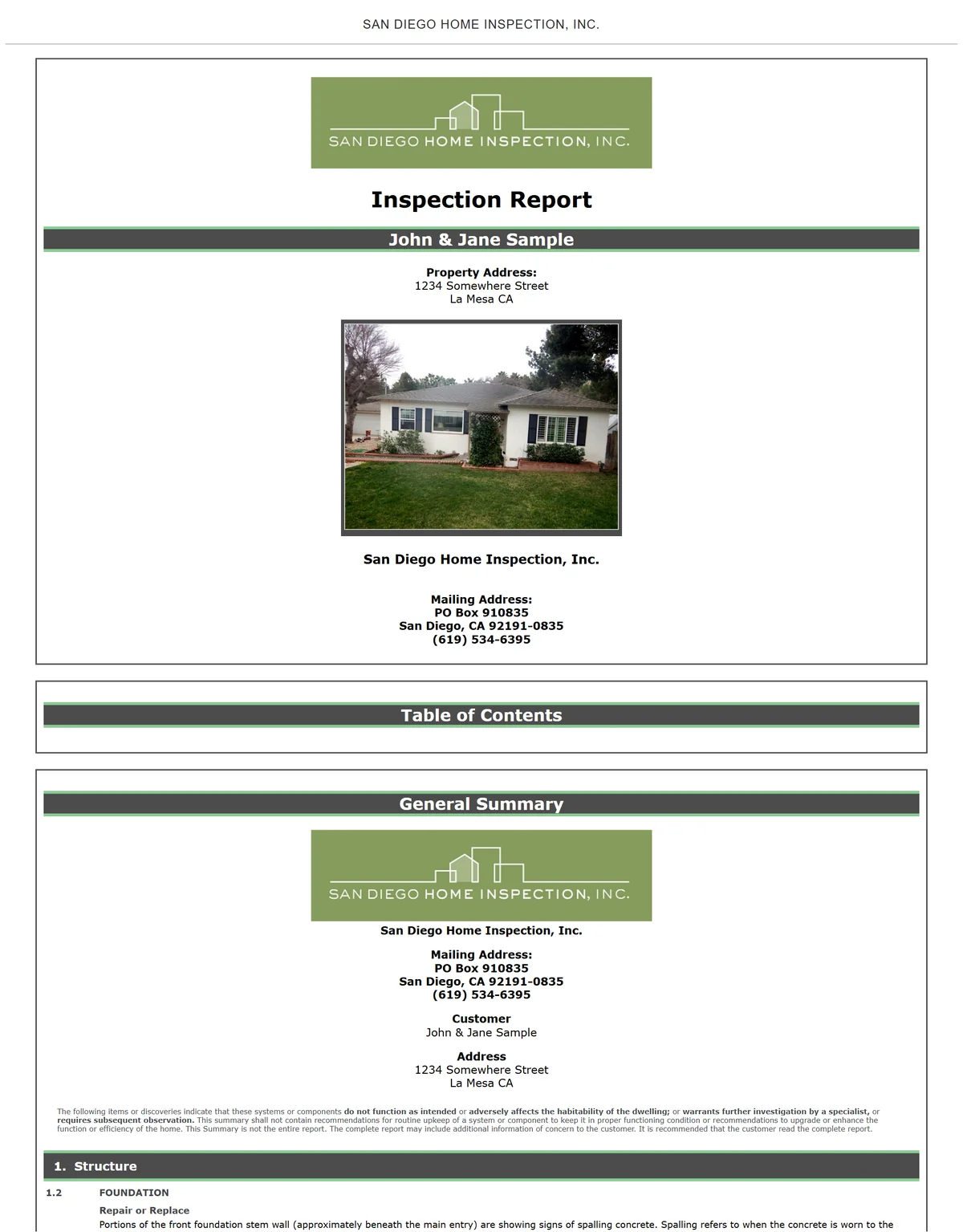
This is the one most buyers book, and the one to take if you are in a standard contract. You get a full walkthrough plus an infrared scan and moisture readings.
We go through the roof, foundation, electrical, plumbing and every other major system, inside and out, then send an electronic report with photographs of what we found. Pricing goes on square footage and whichever add-ons the property needs.
I also have Joe inspect all my own personal properties I purchase and his opinion holds a lot of weight in my decision to purchase a property.

The add-ons worth pairing with it
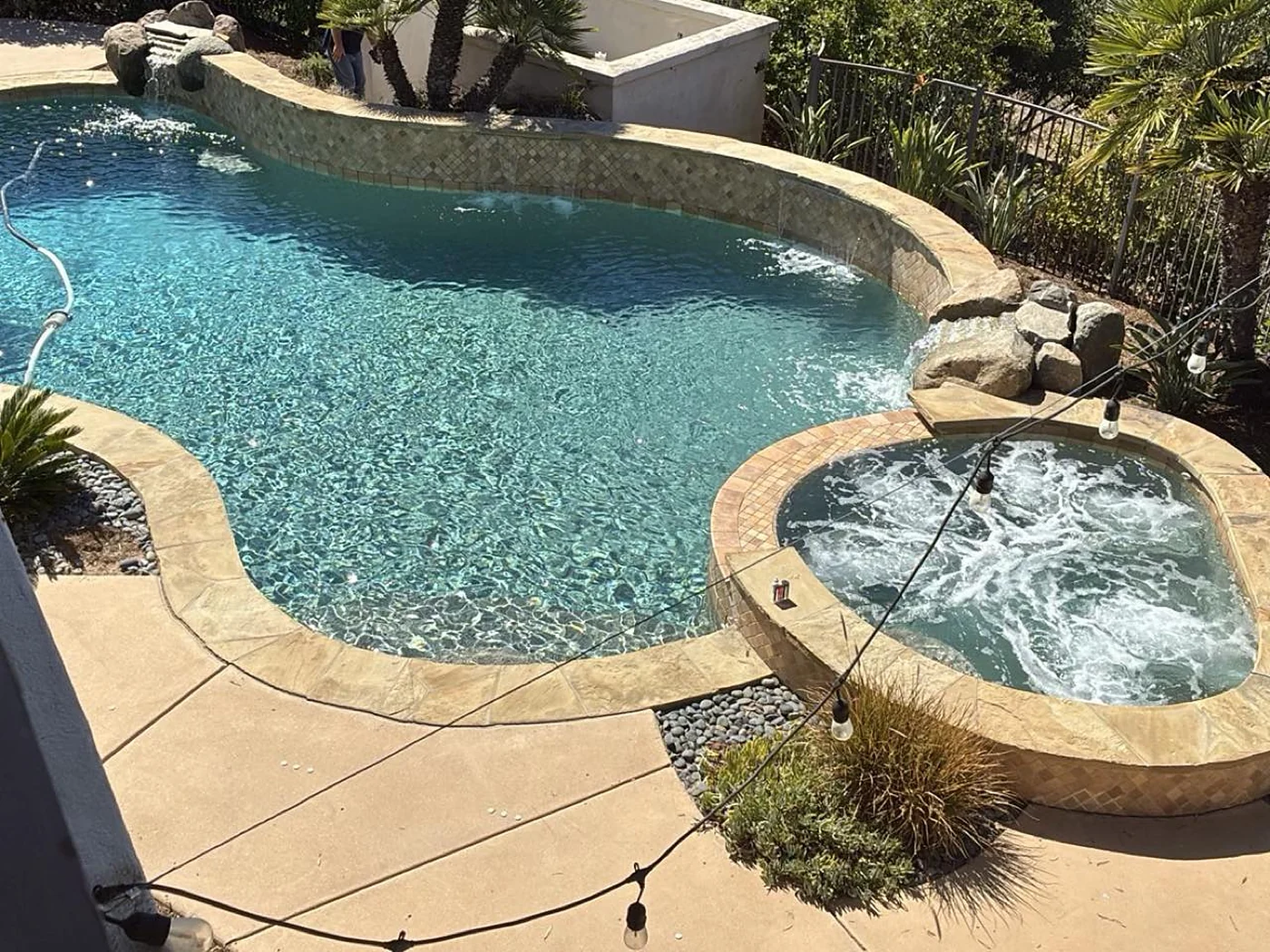
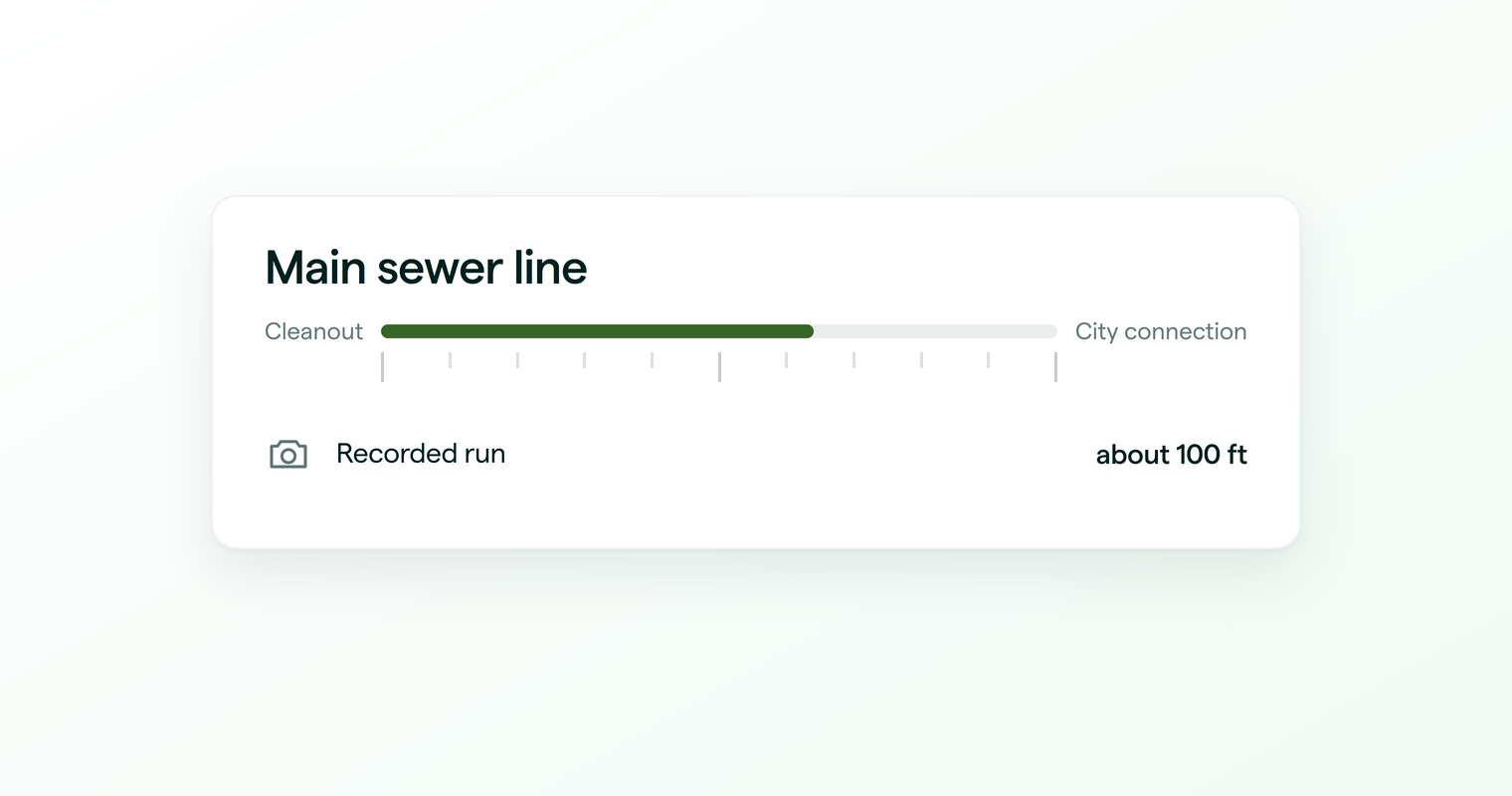
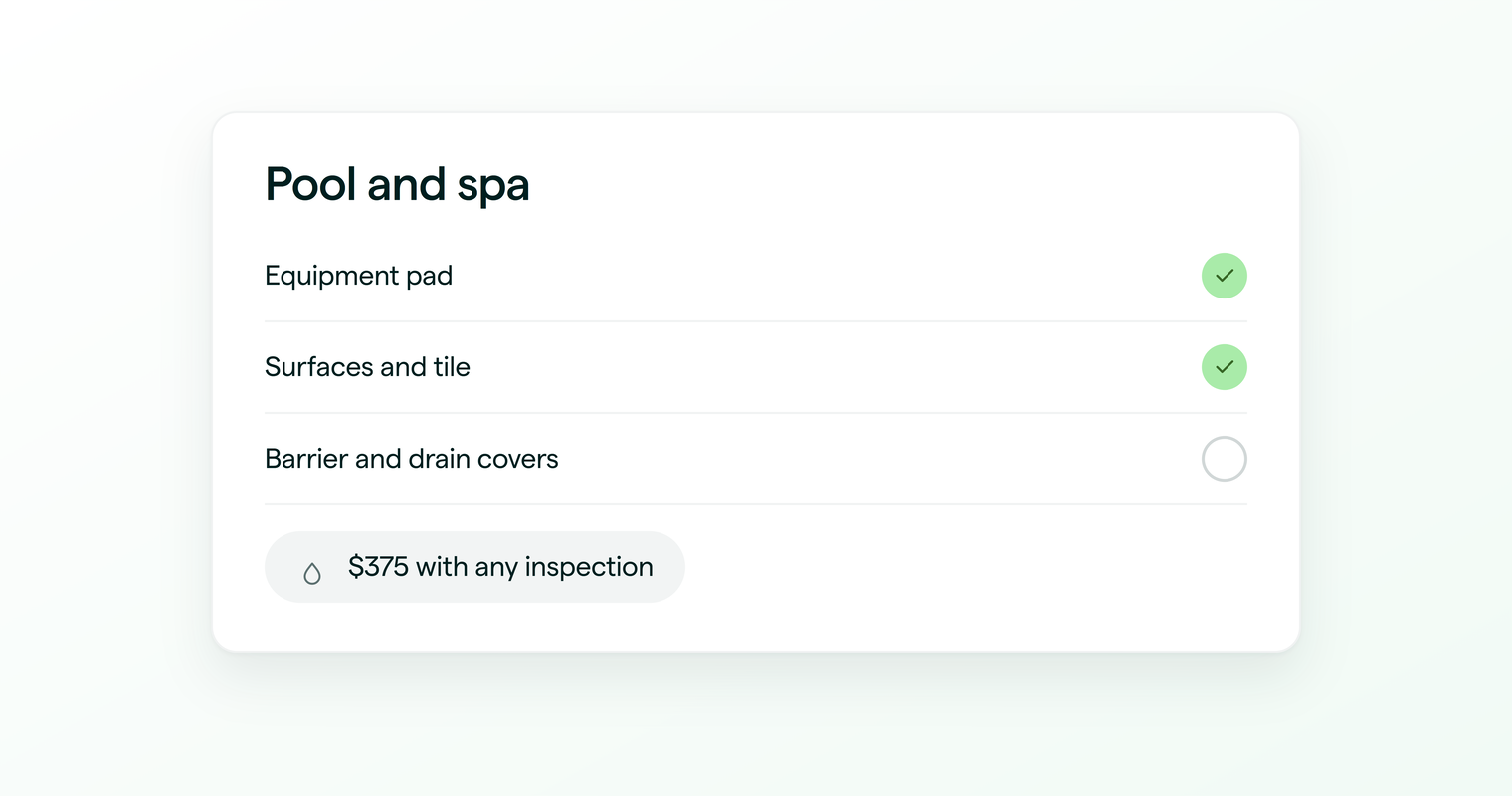
A standard inspection stops at the house. Sewer scoping is $299 alongside any inspection, pool and spa $375, a concrete slab survey $40. Which of them is worth it depends on the property: an older lot with mature trees earns the sewer camera, a slab-on-grade house earns the survey.
A report you can negotiate with
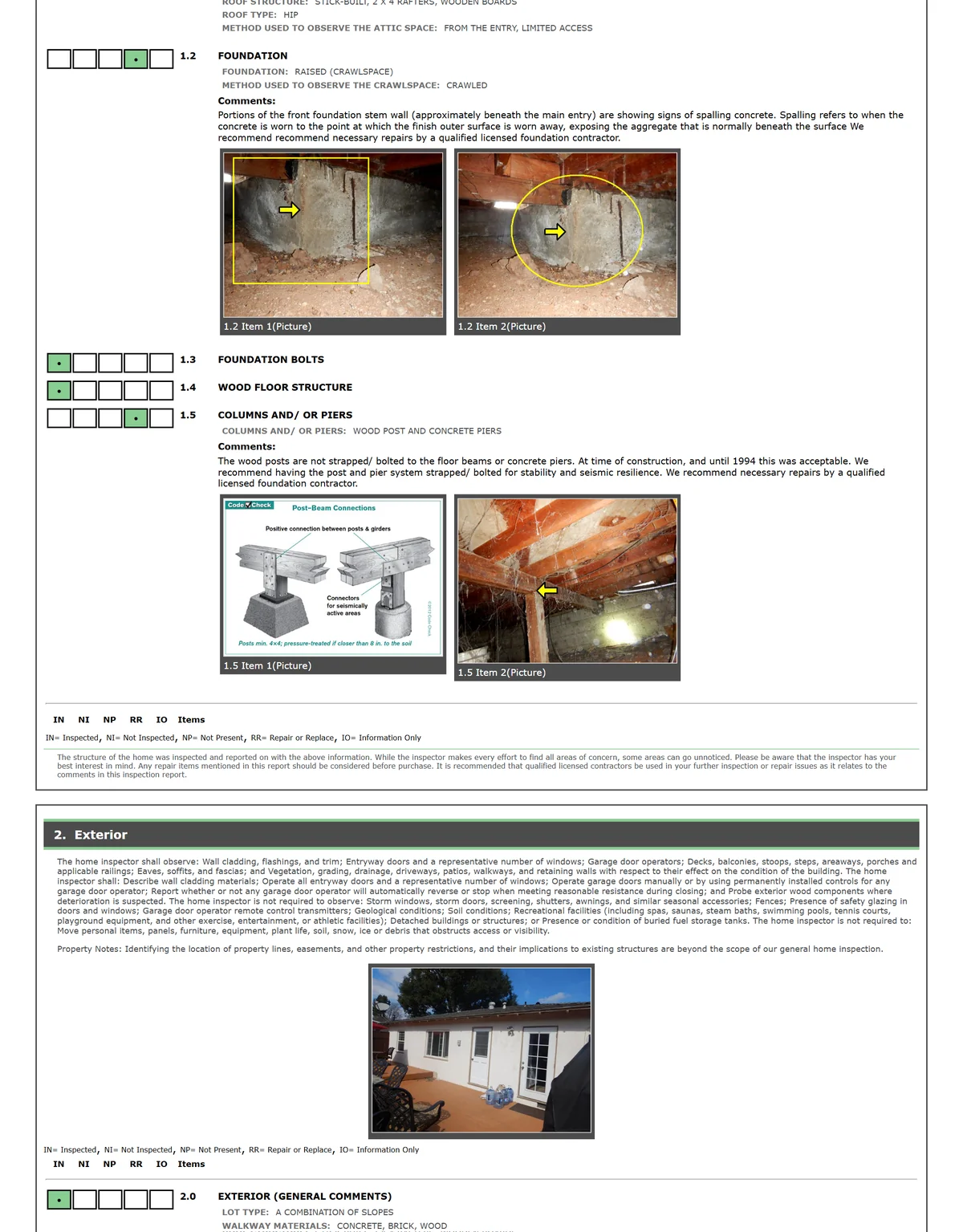
Every finding carries a photograph, a description and its location, with the major concerns kept apart from the cosmetic ones. You and your agent can see in a minute what is worth asking the seller to fix. Sample reports show the format that we provide.
From booking to report
1
Book inside your contingency
Call as soon as you are in contract.
2
On-site inspection
Roof to foundation, photographed as we go.
3
The report
Major concerns separated from cosmetic, with photos.
4
Questions after
We talk you and your agent through it.
Saving tens of thousands in repairs.

San Diego Home Inspection is the one my clients love. Professional, thorough, respectful, and consistently dependable.

Joe discovered the foundation was completely shot. Thankfully the seller agreed to pay for the repairs.

Joe has been my go-to Home Inspector for all my clients. Reliable, punctual, and professional.

Thanks to their detailed report, we negotiated thousands of dollars in repairs and credits from the seller.

Joe Romeo is top of my list when it comes to recommending an inspector to clients — prompt and thorough.

He came on short notice, arrived early, and left no stone unturned. His references to specialists were particularly helpful.

I was looking for someone thorough, professional and honest. Joe was all of these things AND a super nice guy.

I've hired them before across Chula Vista, Clairemont, Carmel Valley, and Mission Valley — nothing but a good experience.
Priced by property type and square footage, nothing hidden.
Home inspection
- Single family, from$475
- Condominium unit, from$395
- Townhome or attached, from$425
- Raised foundation+ $150 / $245
ADD $150 for all raised foundation type properties under 2,000 sq ft, $245 over 2,000 sq ft
Add-ons
- Sewer Camera Inspection (standalone)$475
- Sewer Camera Inspection (with home inspection)$299
- Pool & Spa Inspection (standalone)$475
- Pool & Spa Inspection (with home inspection)$375
- Concrete Slab Survey (with home inspection)$40
Buyer inspections: questions we get
How long does a buyer's home inspection take?
It depends on the size, age, and condition of the home, but most single-family inspections take a few hours on-site. Larger or older properties with more systems to evaluate take longer. Same-day digital reports are typical, so you are not left waiting inside a tight contingency window.
Should I attend the inspection?
Yes, we encourage it. Attending (especially for the final walkthrough) lets you see issues in context, understand which findings are serious versus routine, and ask questions directly. It turns the report from a document into real understanding of your future home.
Does the inspection cover everything in the house?
A general inspection is a visual evaluation of readily accessible systems; we cannot see inside walls or underground. Specialized concerns like the underground sewer line or hidden moisture detected by infrared imaging are separate services. We will recommend add-ons when a property's age or location makes them worthwhile.
What happens if the inspection finds problems?
That is exactly what it is for. The report gives you and your agent a factual basis to request repairs, ask for a credit, renegotiate price, or (in serious cases) reconsider the purchase, all while you are still inside your contingency period.
What is a buyer's home inspection during the escrow contingency period?
A buyer's home inspection is a non-invasive evaluation of a home's condition performed during your escrow inspection contingency, before your purchase becomes final. The Real Estate Inspection Company examines the property and delivers a written report so you can request repairs, renegotiate, or cancel within your contingency window. It protects your money before you commit to the San Diego home.
When should I schedule my inspection during escrow?
Schedule it as soon as your offer is accepted, because your inspection contingency runs on a strict timeline, typically 17 days in California unless your contract states otherwise. Booking early gives you room to review the report, get follow-up quotes, and negotiate before the deadline. Call (619) 752-4399 right after acceptance so we can fit your escrow timeline.
What does a buyer's inspection include and check?
A standard inspection covers the roof, exterior, foundation and visible structure, attic, electrical, plumbing, HVAC, water heater, insulation, and built-in appliances. Joseph Romeo, an InterNACHI Certified Professional Inspector, documents findings with photos. We also offer add-ons like sewer camera scoping, thermal imaging, pool and spa, and visual roof inspections so you understand the full picture before closing.
Before you buy
Field notes from the inspectors.

Your home is a major investment.
Protect it with San Diego's certified, 5-star-rated inspectors.