
Commercial roof maintenance
Flat and low-slope commercial roofs we access, document and maintain.
How it works
From the first call to the report, in order.
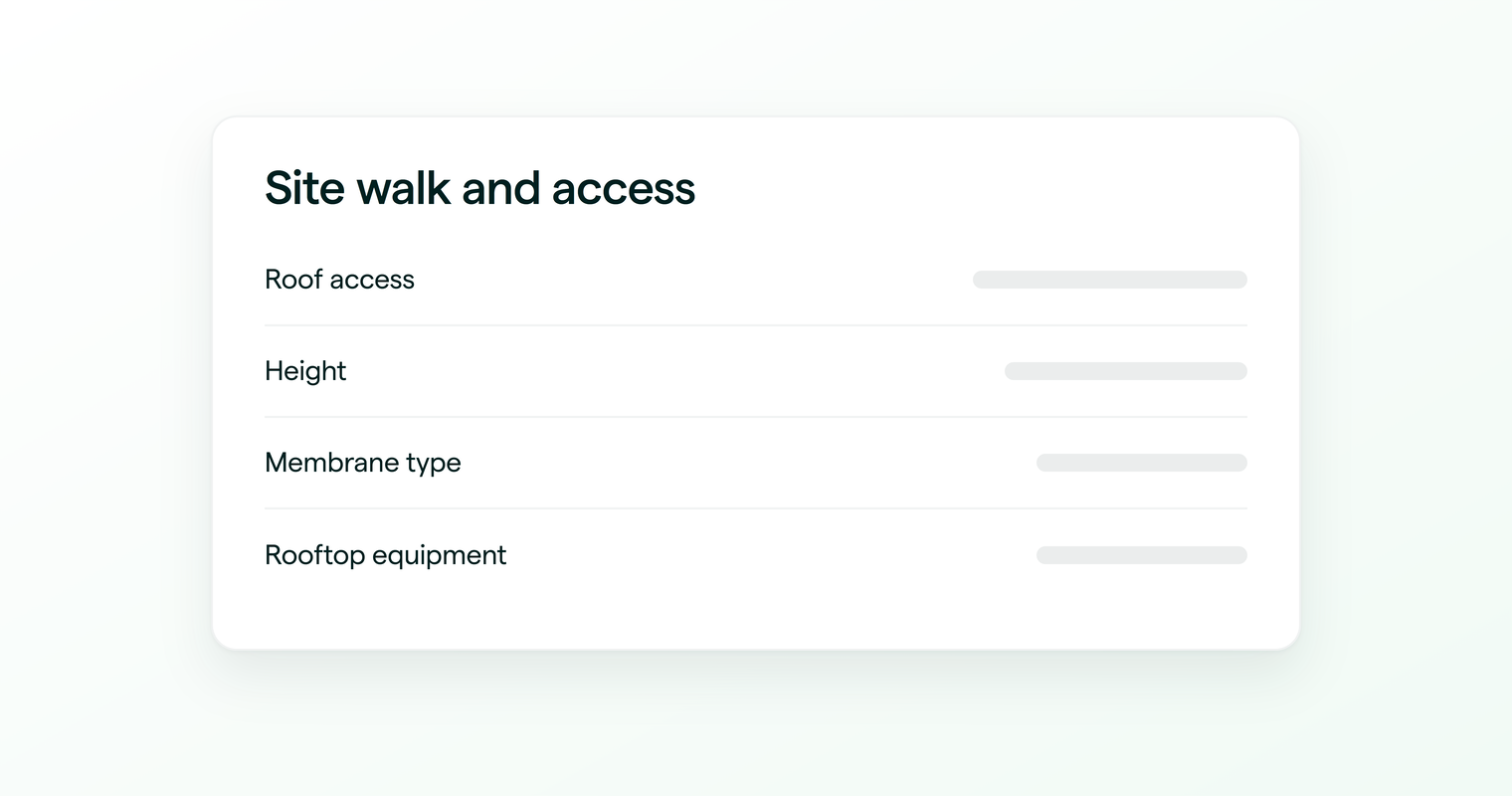
Step 1. Site Walk and Access Plan
We start by reviewing roof access, height, and layout, then identify the membrane type and any rooftop equipment that affects how we work. This keeps foot traffic controlled so the cleaning itself never damages the roof, which is a real risk on aged single-ply membranes.
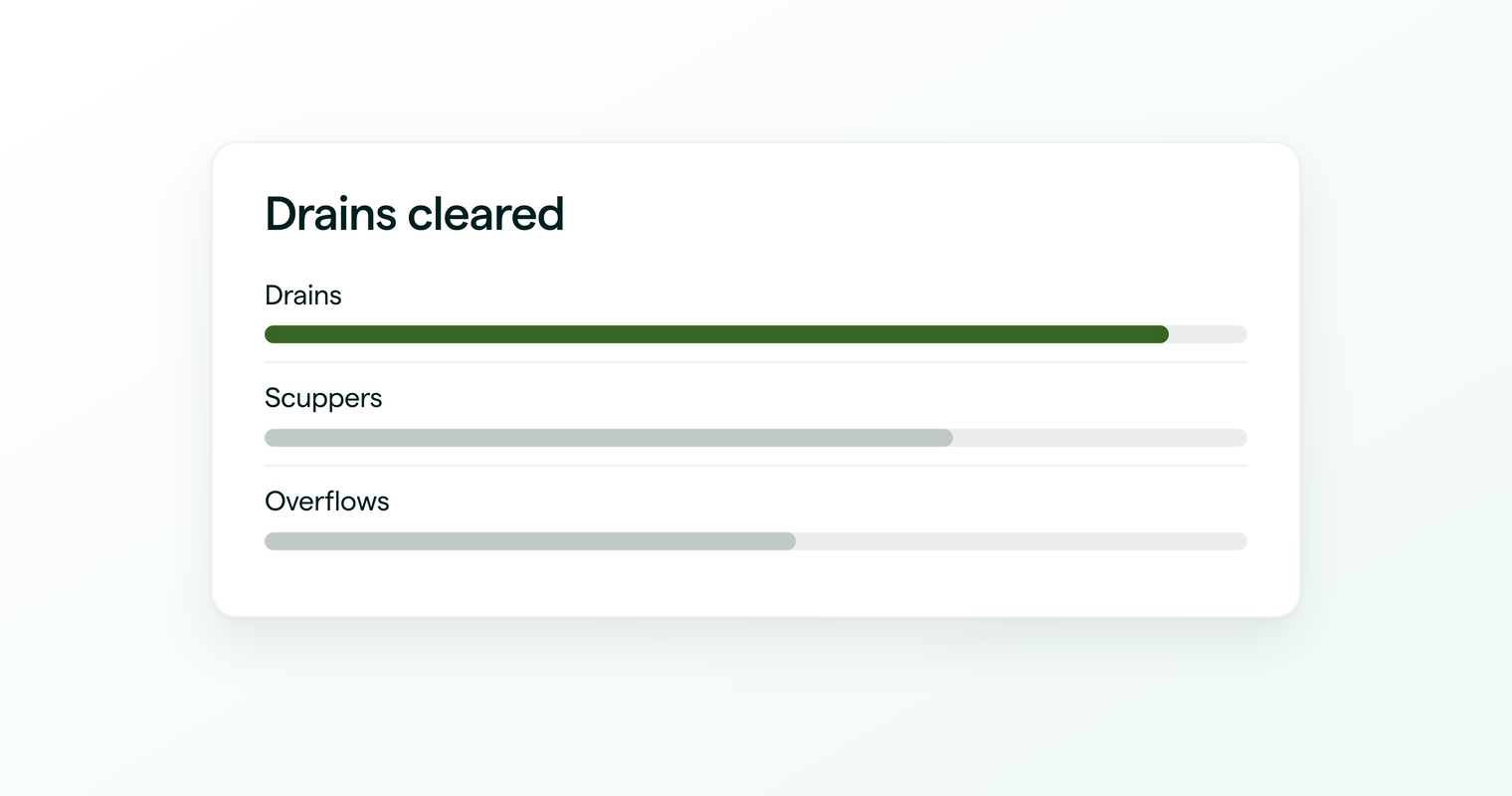
Step 2. Debris Removal and Drain Clearing
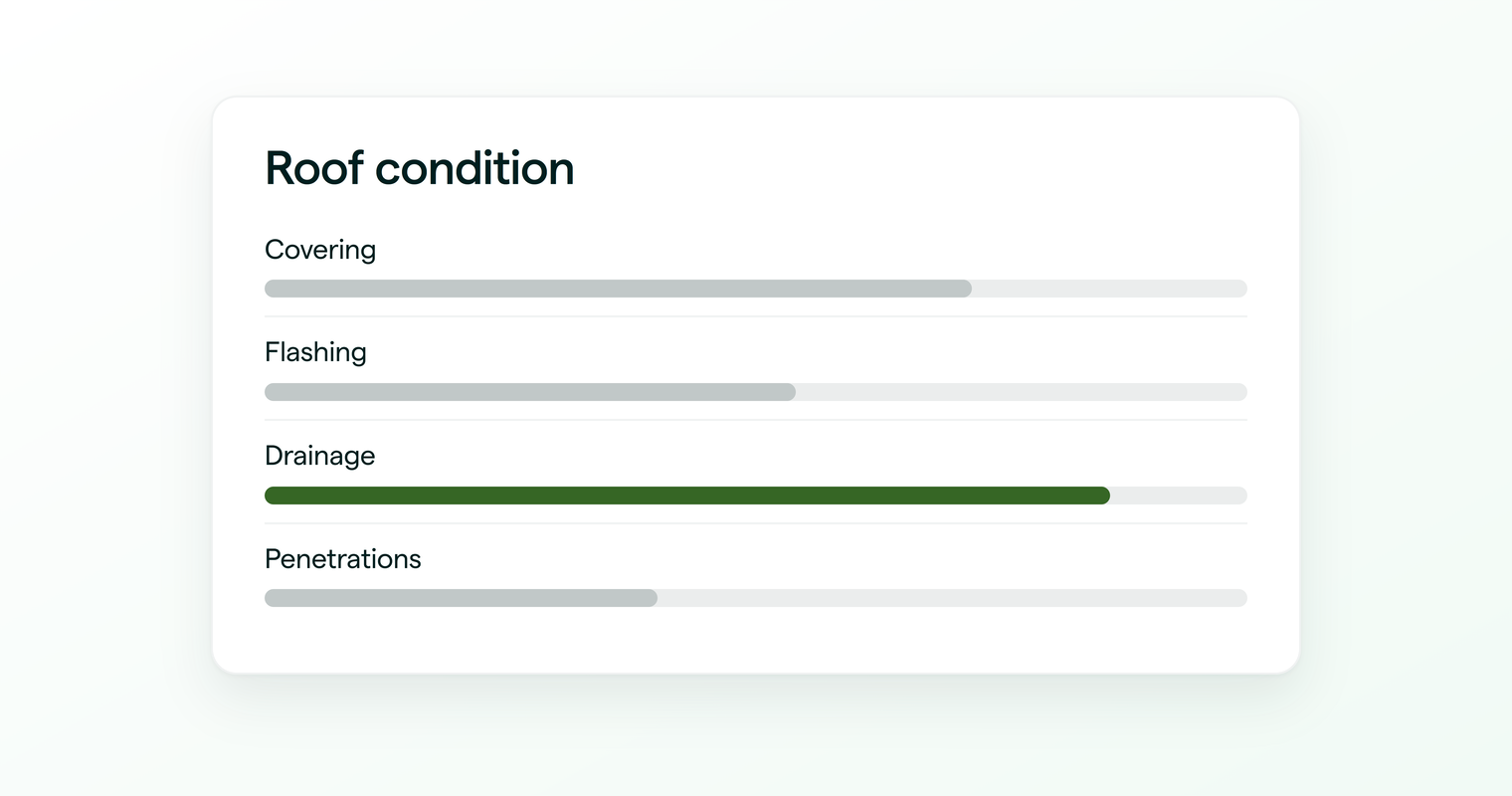
We remove surface debris and then clear every drain, scupper, and overflow so water can actually leave the roof. Drainage is the single most important outcome of a cleaning, because standing water is what shortens membrane life and finds its way through the smallest seam defect.
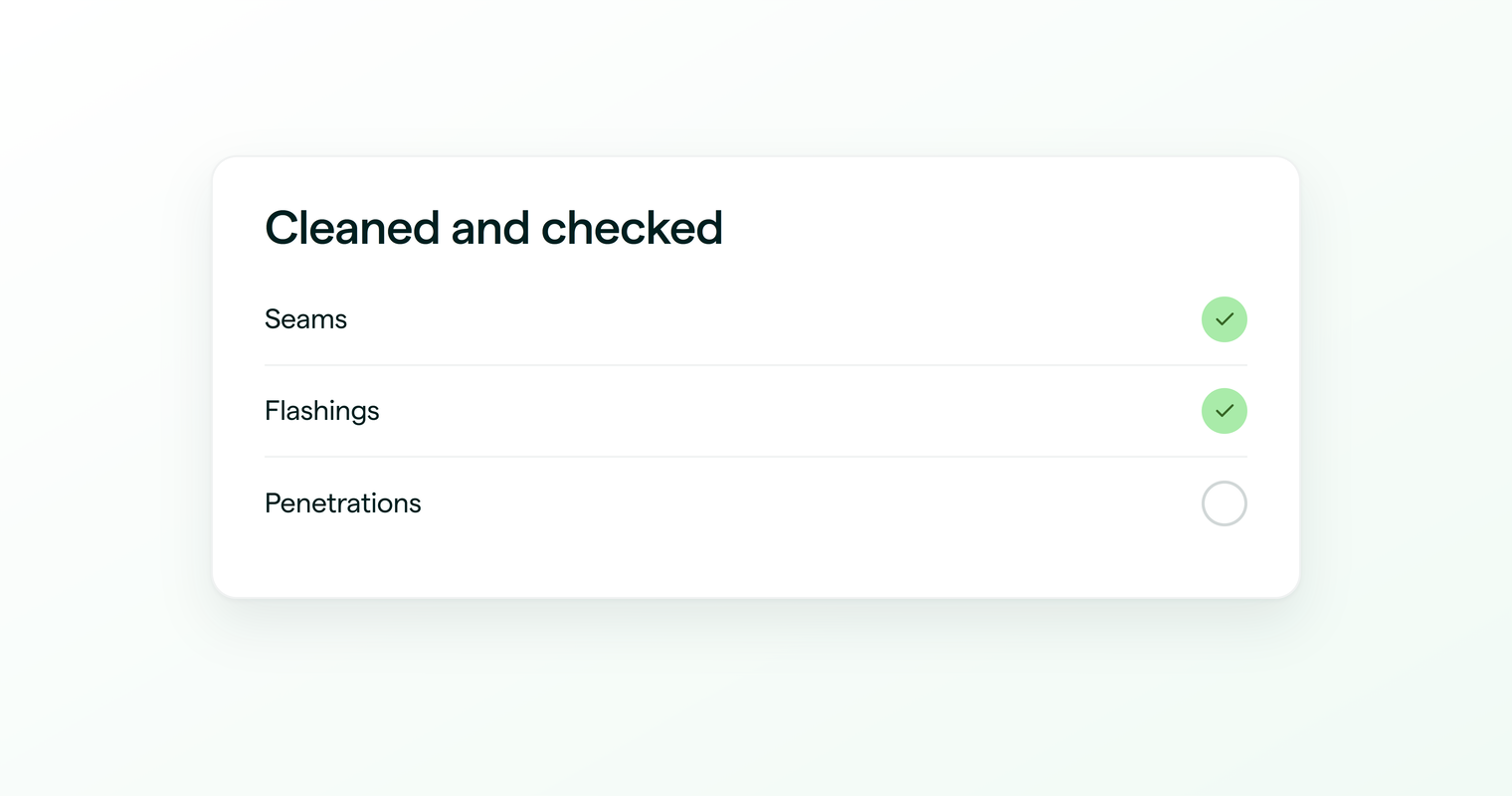
Step 3. Surface Cleaning and Component Check
Using methods appropriate to your membrane, we clean the field of the roof and inspect seams, flashings, and penetrations as we go. We use low-pressure, manufacturer-appropriate techniques. High-pressure washing can void warranties and tear single-ply membranes, so we never default to it.
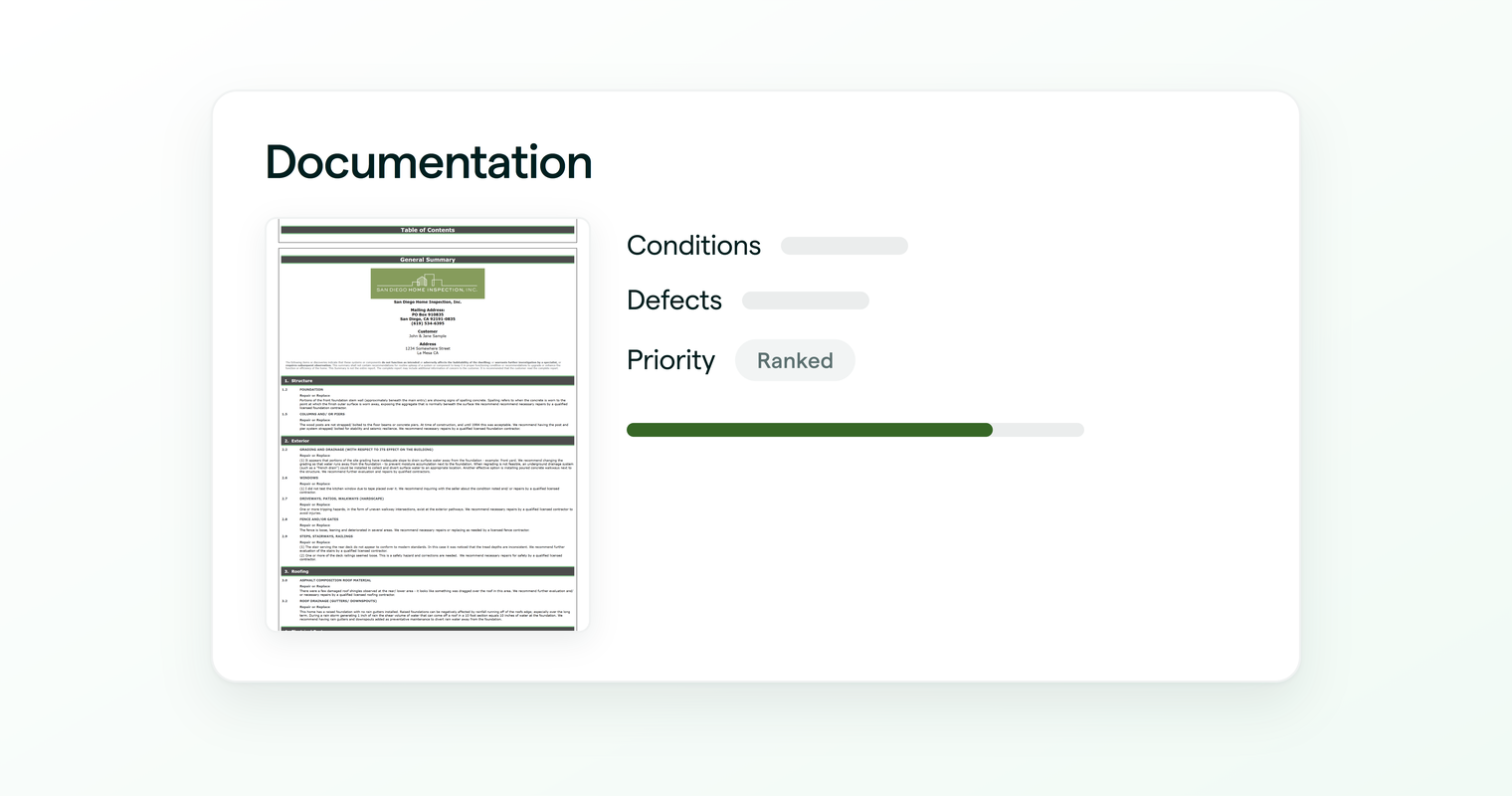
Step 4. Documentation and Recommendations
You receive a documented report with photos of conditions and any defects, plus prioritized recommendations. Same-day digital reports are typical, so your facilities team or property manager can act quickly. If the report flags a repair concern, we can scope it further with a dedicated roof inspection.

More than a blow-off
On a flat or low-slope roof we clear the debris, organic growth and the things holding standing water, so the membrane, drains and flashings keep working. A quick sweep misses the parts that actually cause the failure.
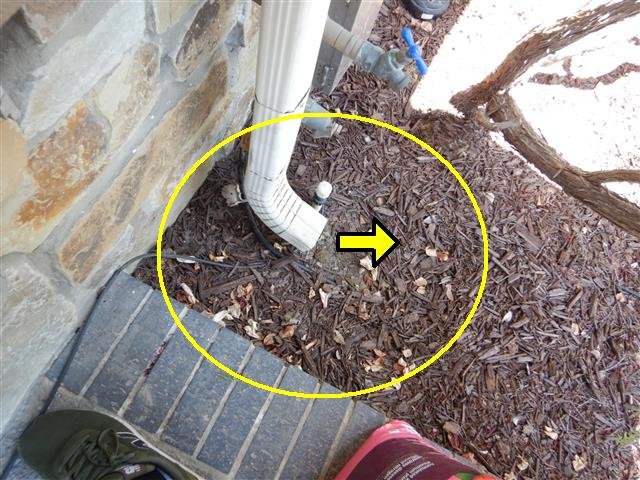
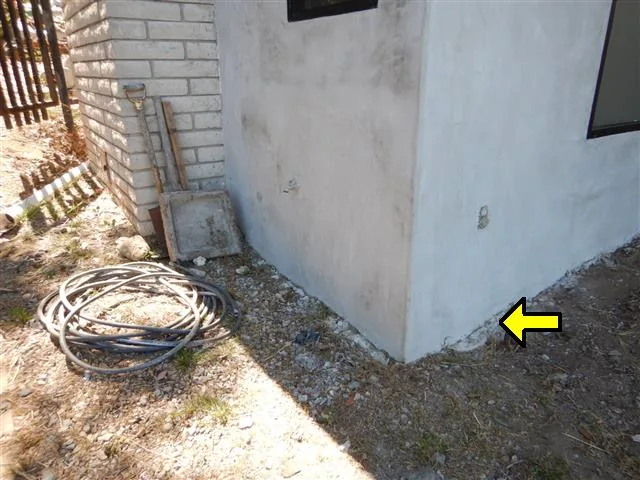
Despite the fact that it is a brand new home, they found left over materials and debris by the construction crew.

Why owners schedule it
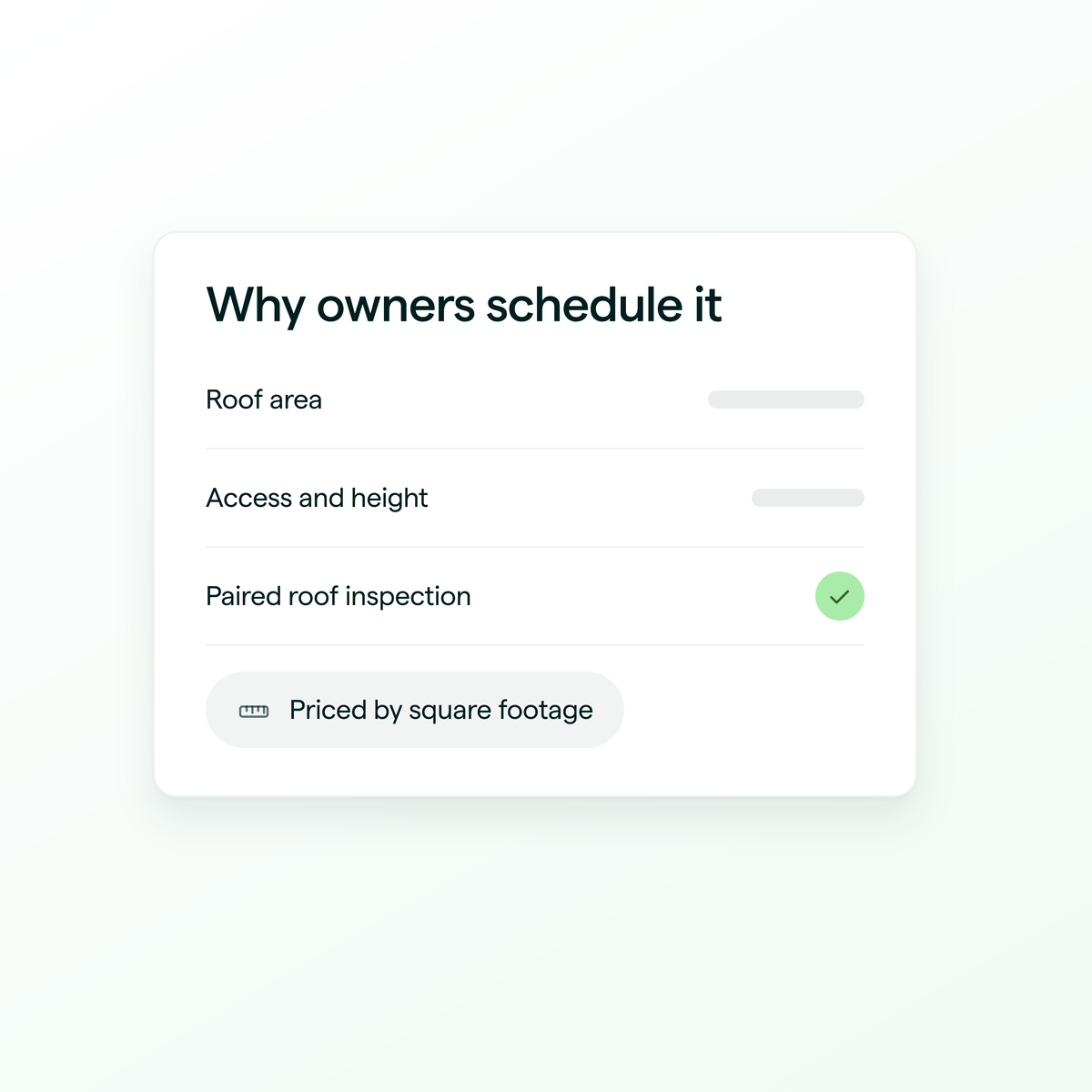
Blocked drainage brings a roof replacement years early. Cleaning is the cheap end of that arithmetic. Priced by square footage, and worth pairing with a roof inspection so you know what is under the debris.
Large rooftops, handled
Flat and low-slope commercial roofs we access, document and maintain.
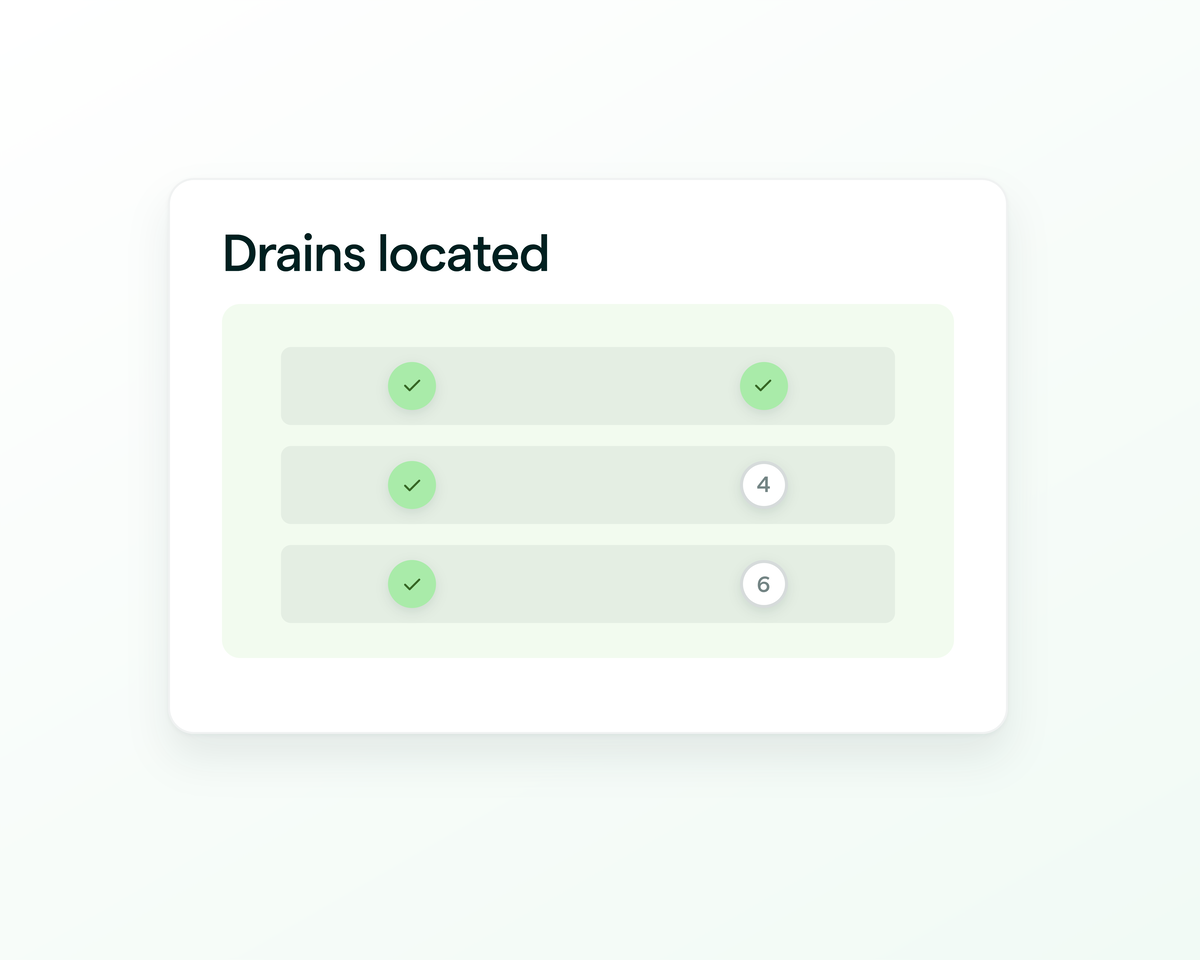
Drains, scuppers and overflows located across the roof, then cleared and re-checked
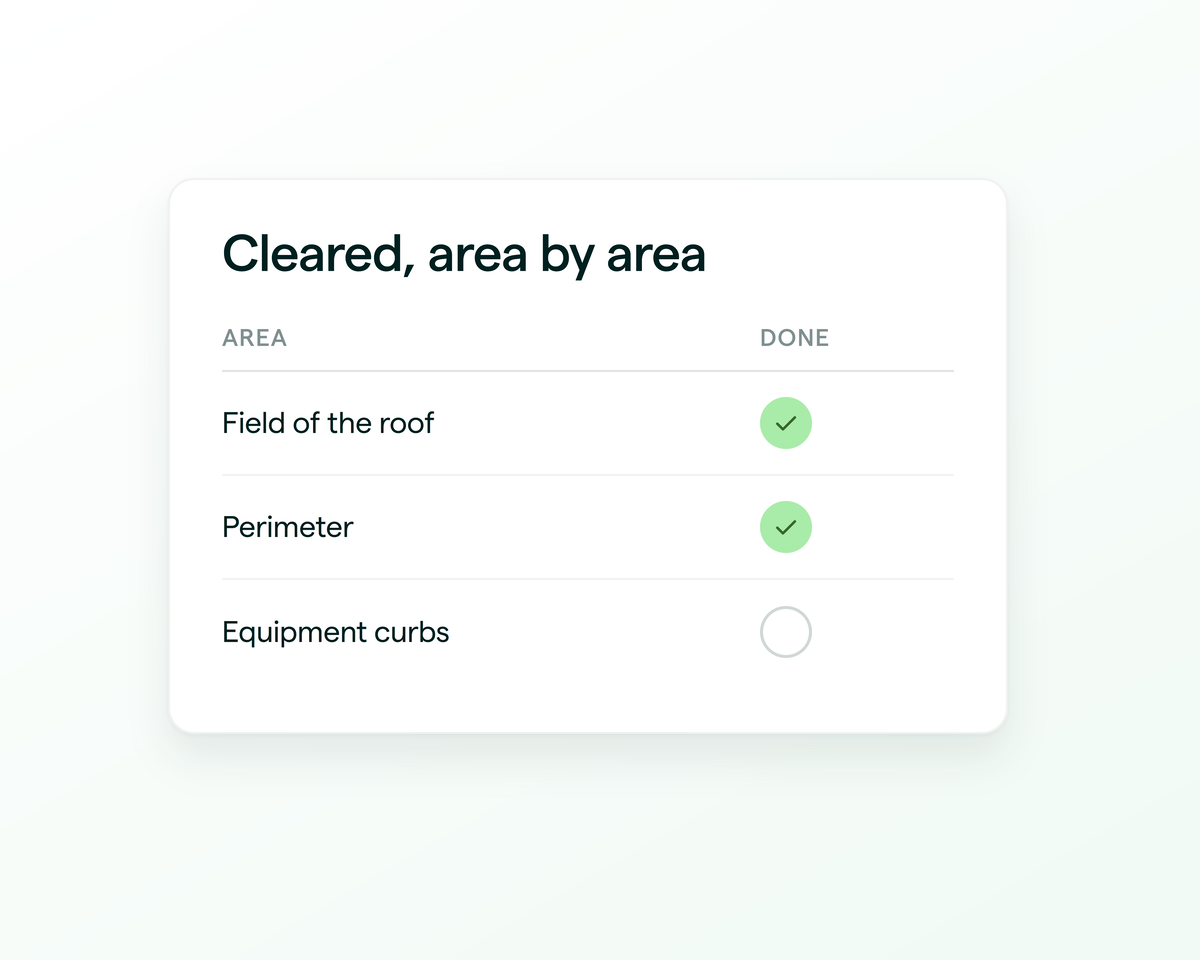
The roof cleared area by area: the field, the perimeter and the equipment curbs
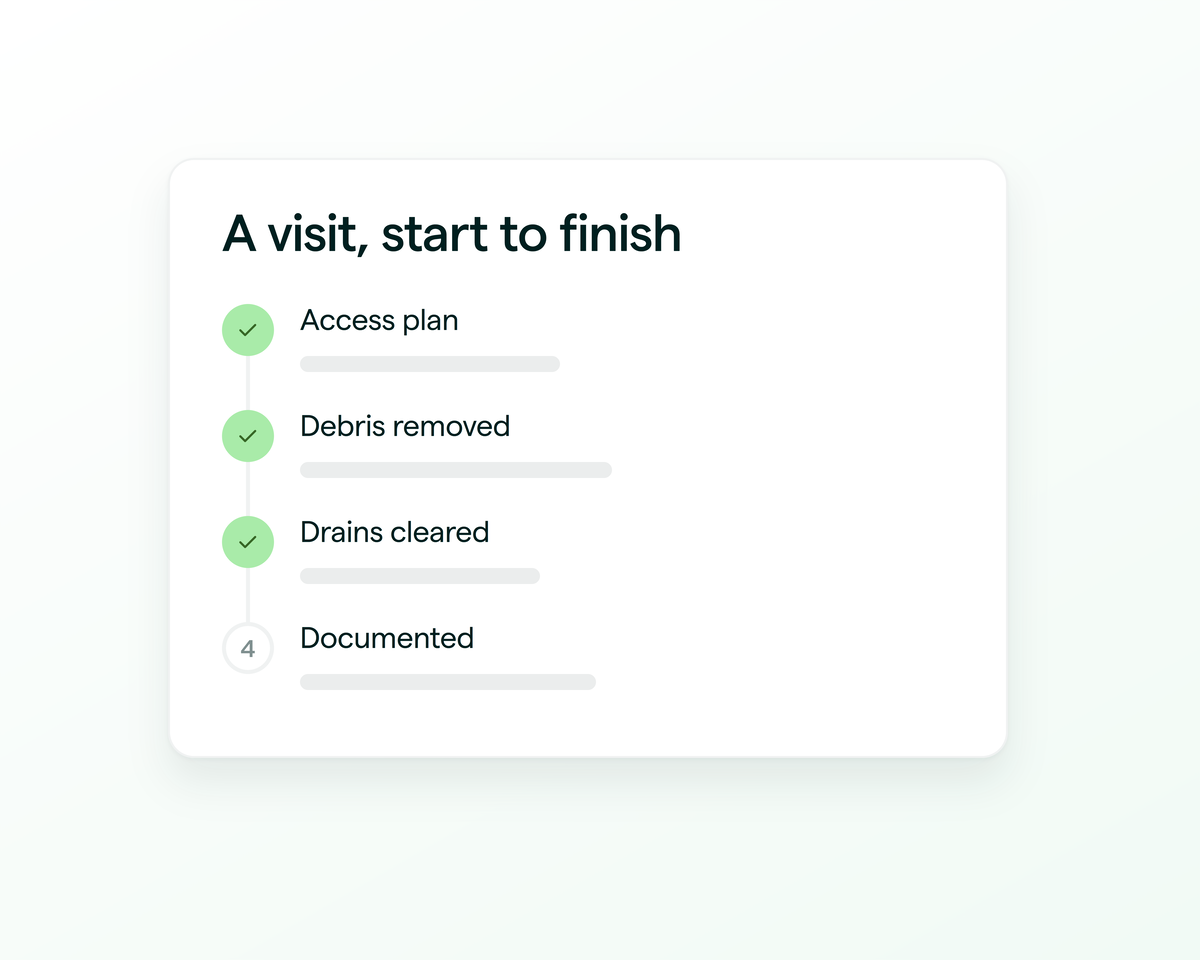
A maintenance visit start to finish: access plan, debris removed, drains cleared, documented
Priced by square foot of roof surface.
Commercial roof maintenance
- Up to 10,000 sq. ft.$800
- 10,001 – 20,000 sq. ft.$1,250
- 21,000+ sq. ft.Call for quote
Commercial roof maintenance: questions we get
How often should a commercial roof be cleaned in San Diego?
For most San Diego County buildings, twice a year works well, typically before the rainy season and again after peak debris periods. Buildings under heavy tree cover or near the coast often need more frequent attention. Our bi-annual roof care program is built around this cadence.
Will pressure washing damage my roof membrane?
High-pressure washing can damage single-ply membranes and void manufacturer warranties. We use low-pressure, membrane-appropriate methods so cleaning protects the roof rather than shortening its life.
Does cleaning include leak repairs?
Cleaning includes inspection and documentation, not repairs. If we find seam failures, punctures, or flashing problems, we document them with photos and prioritized recommendations so you can address them promptly.
Can you clean the roof while my building is occupied?
Yes. Most commercial roof cleaning happens without disrupting tenants. We coordinate access and timing with your facilities team or property manager in advance.
Roofs and drainage
Field notes from the inspectors.

Your home is a major investment.
Protect it with San Diego's certified, 5-star-rated inspectors.