
Commercial building inspections
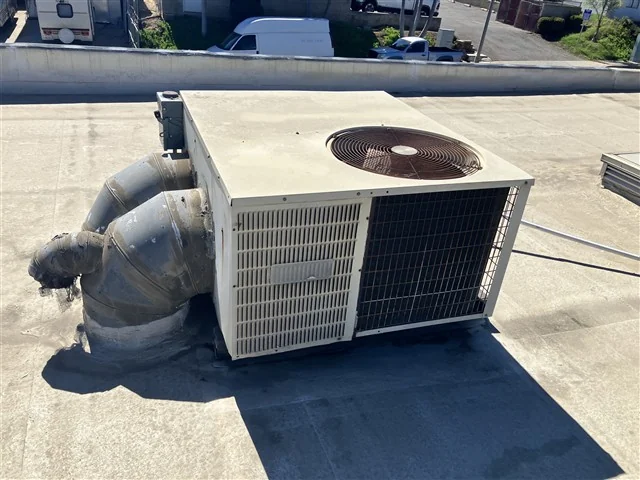
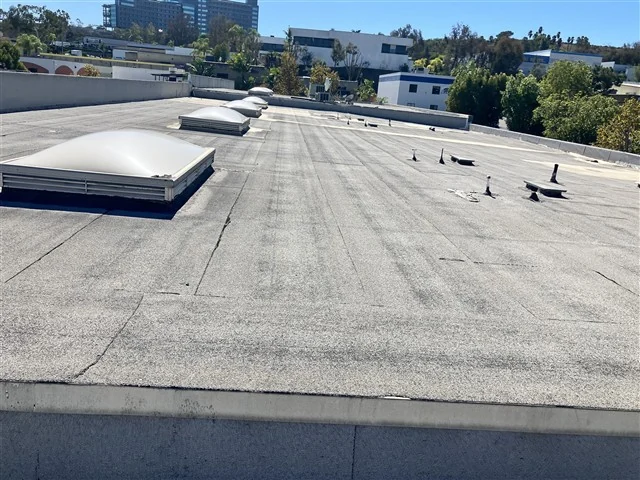
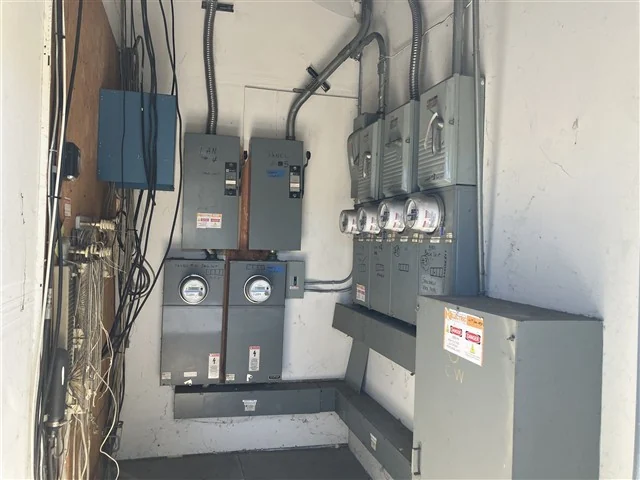
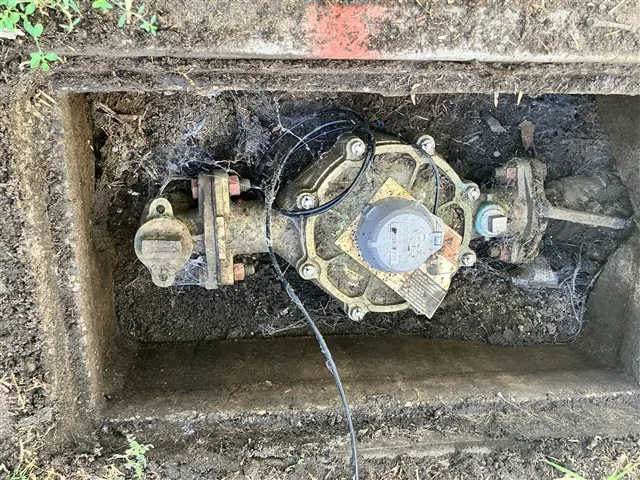
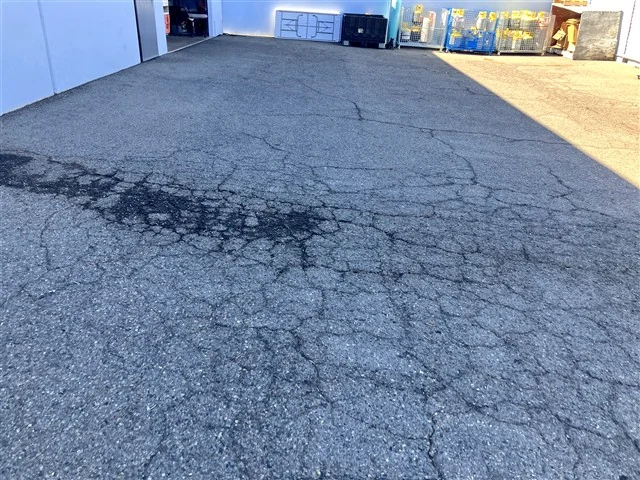
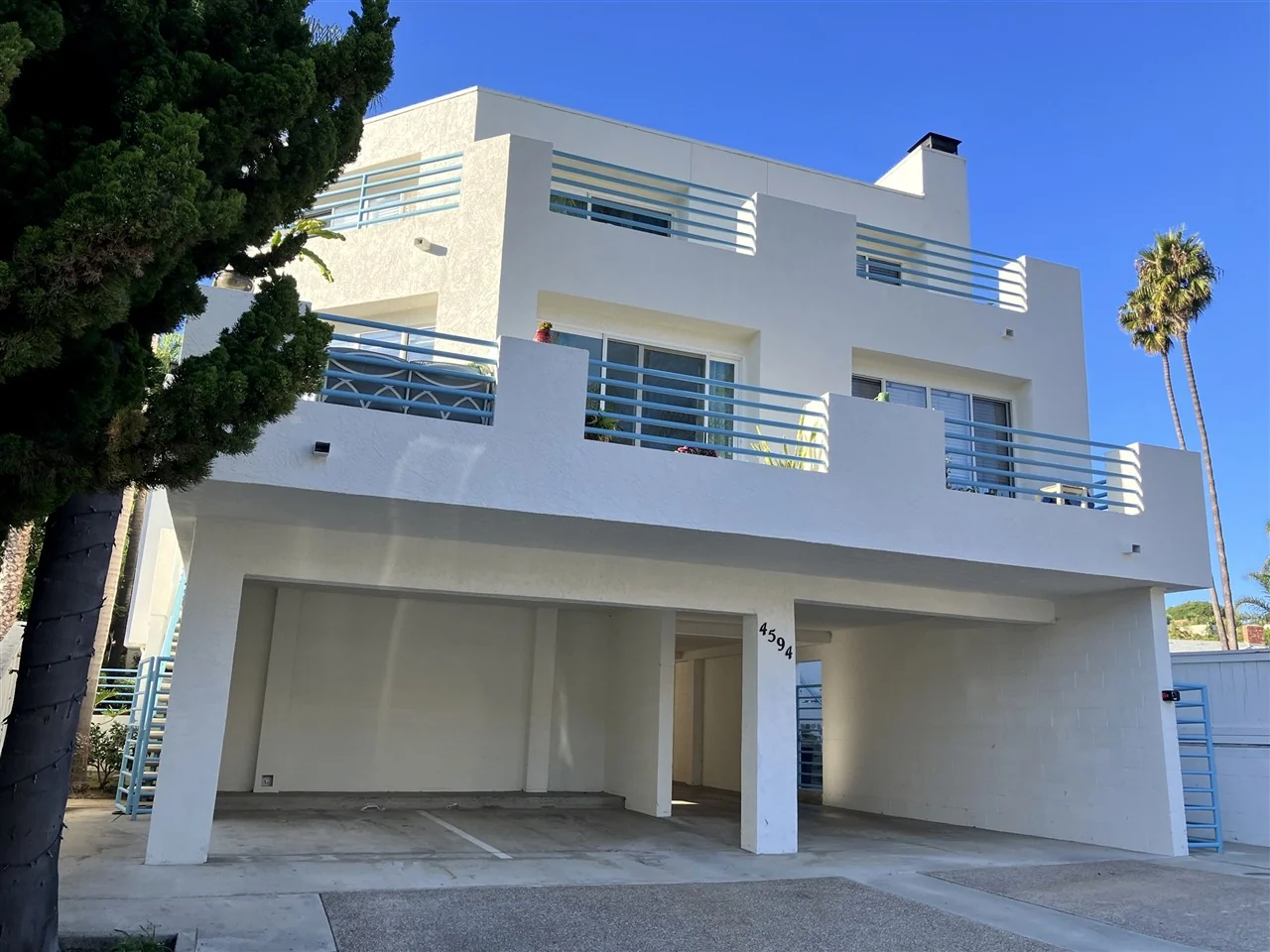
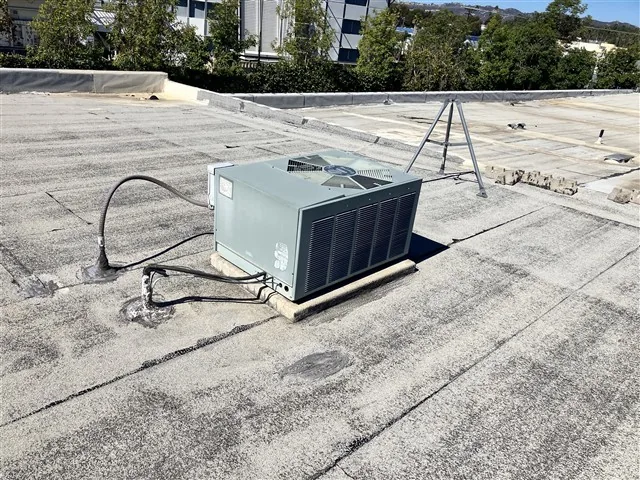
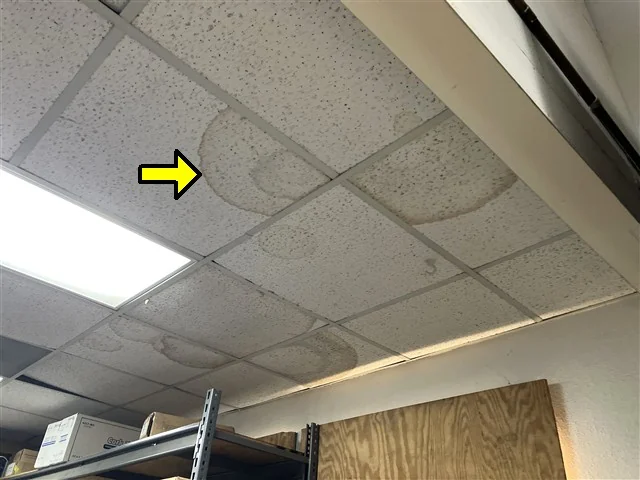
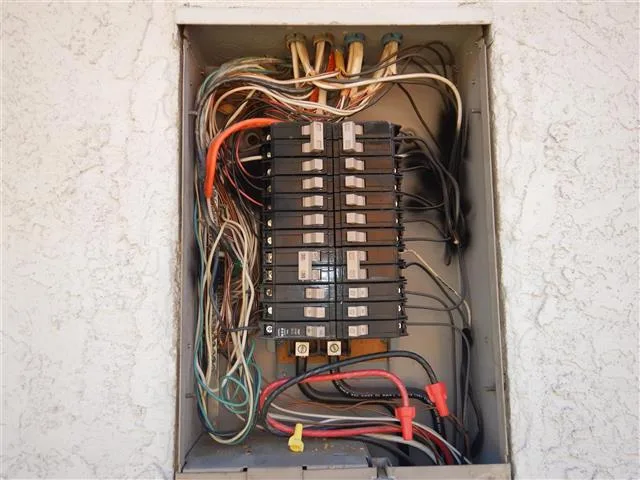
Walkways, railings and building systems from recent commercial jobs.
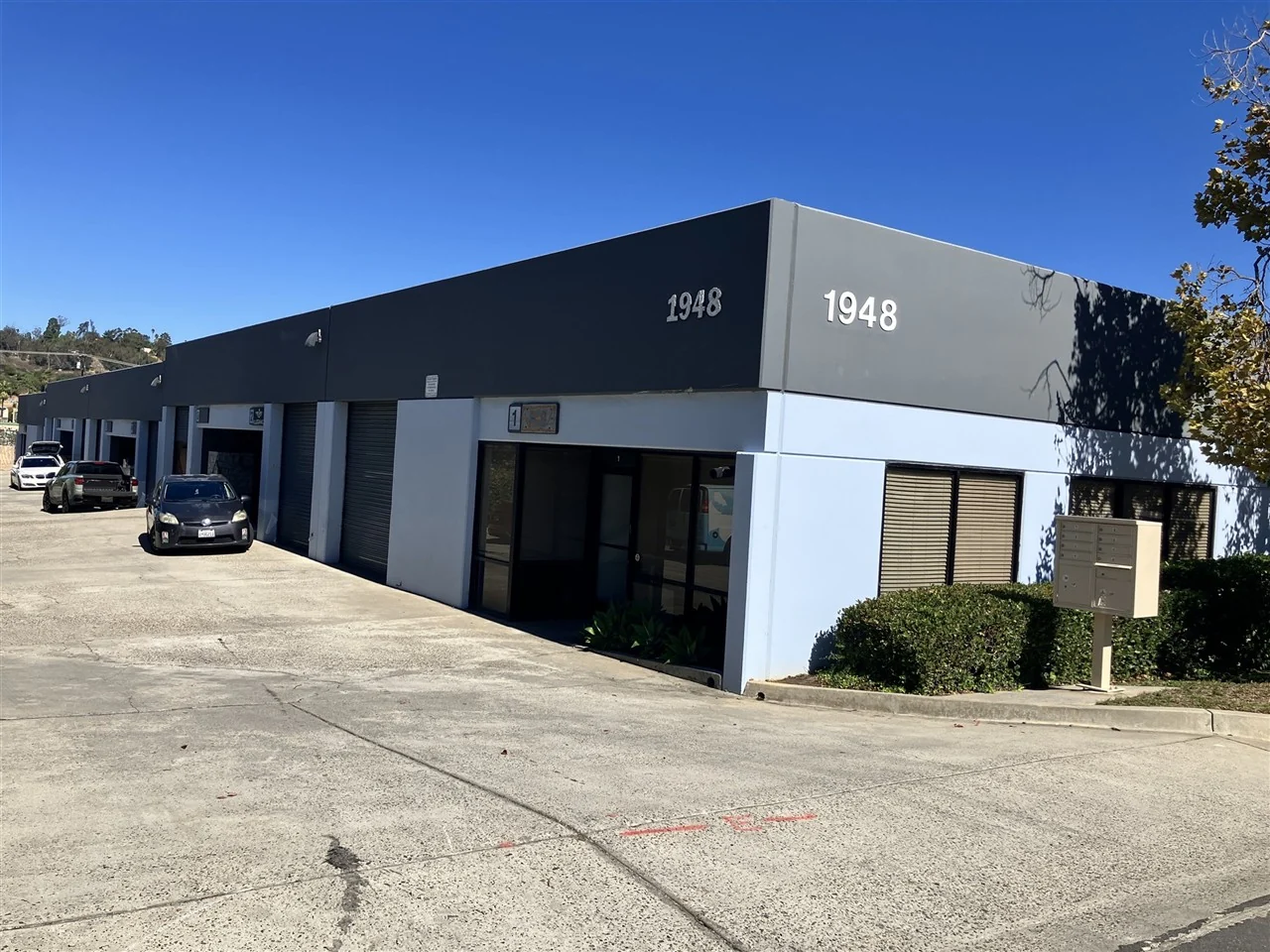
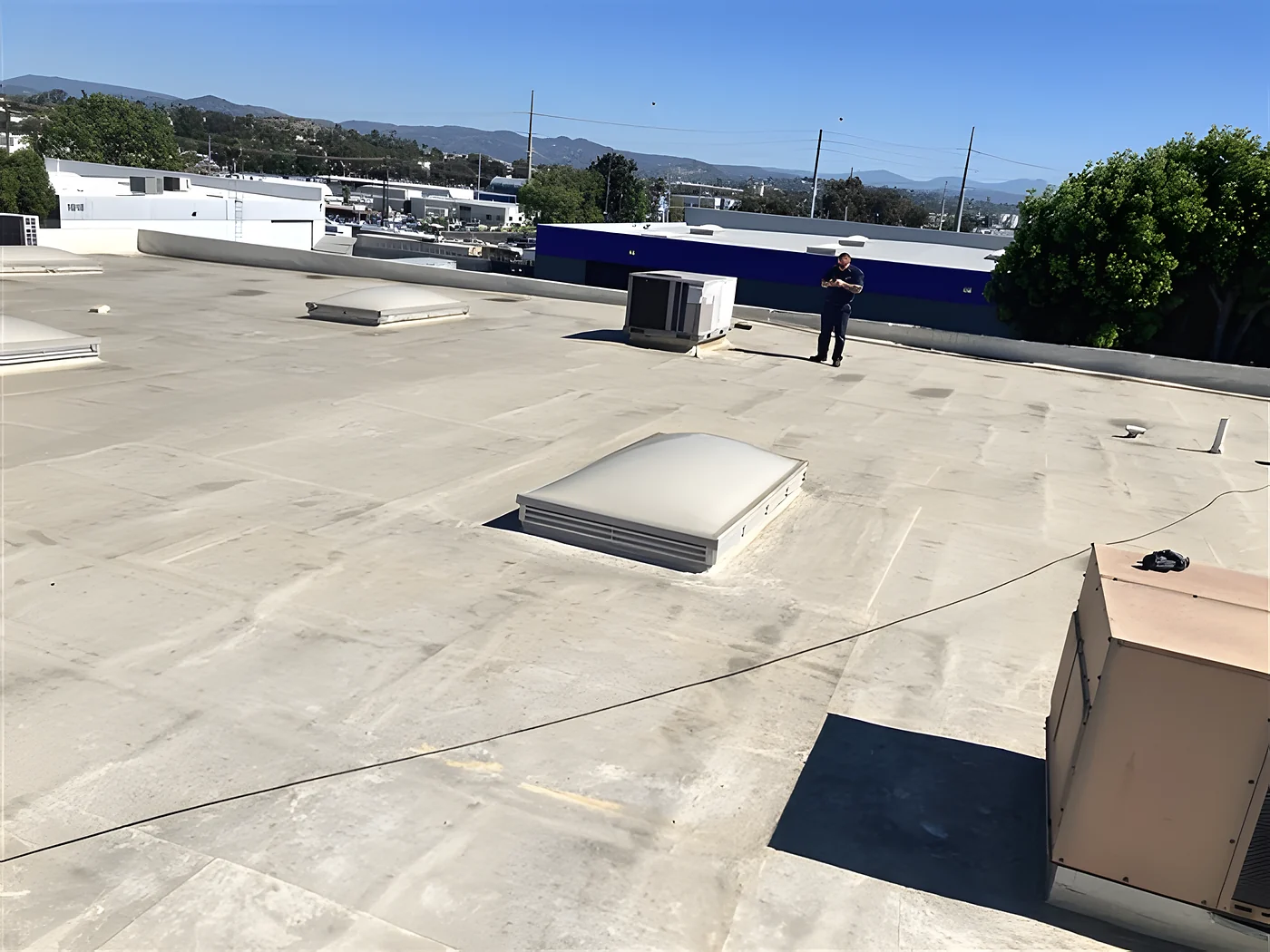
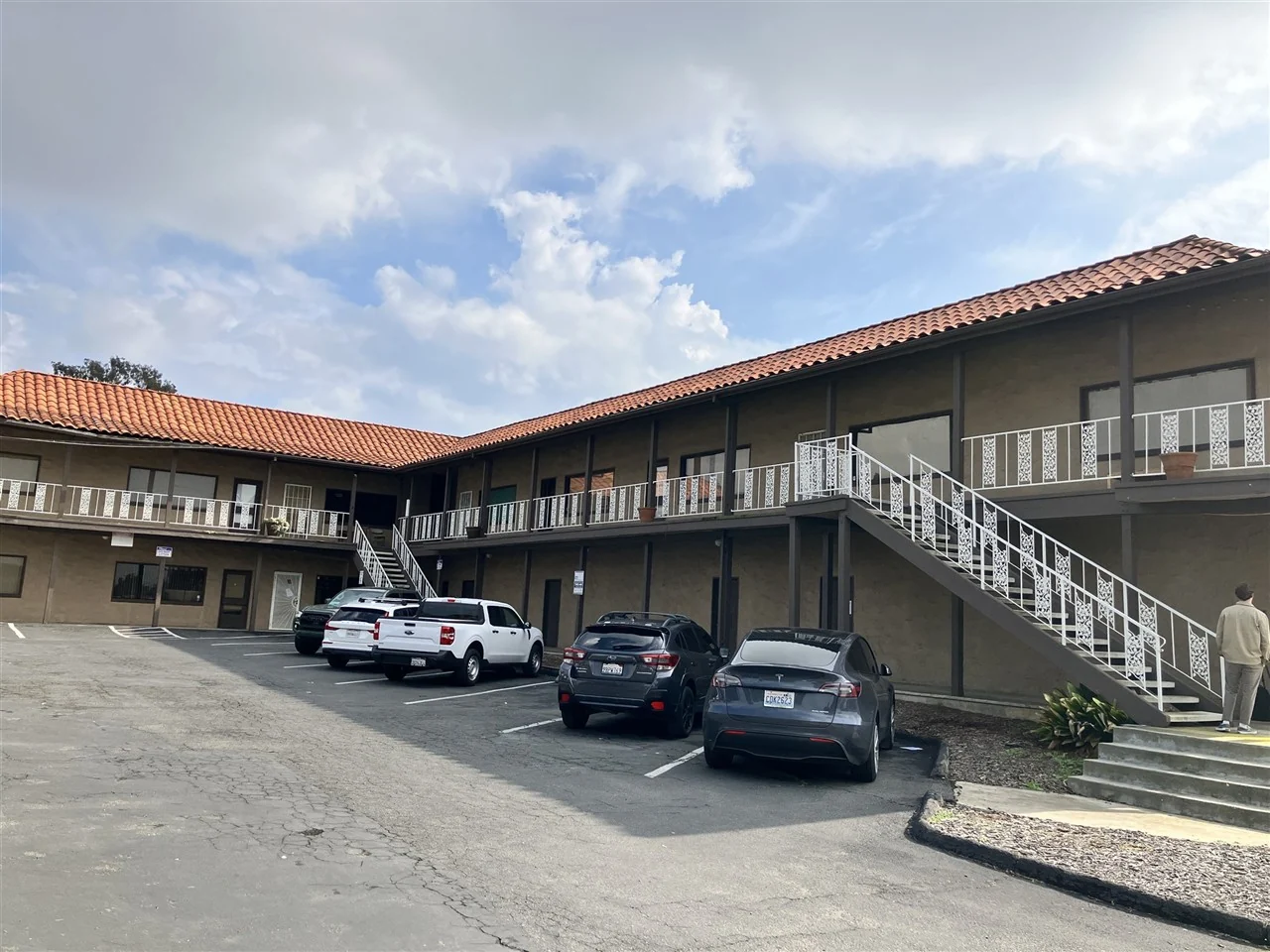
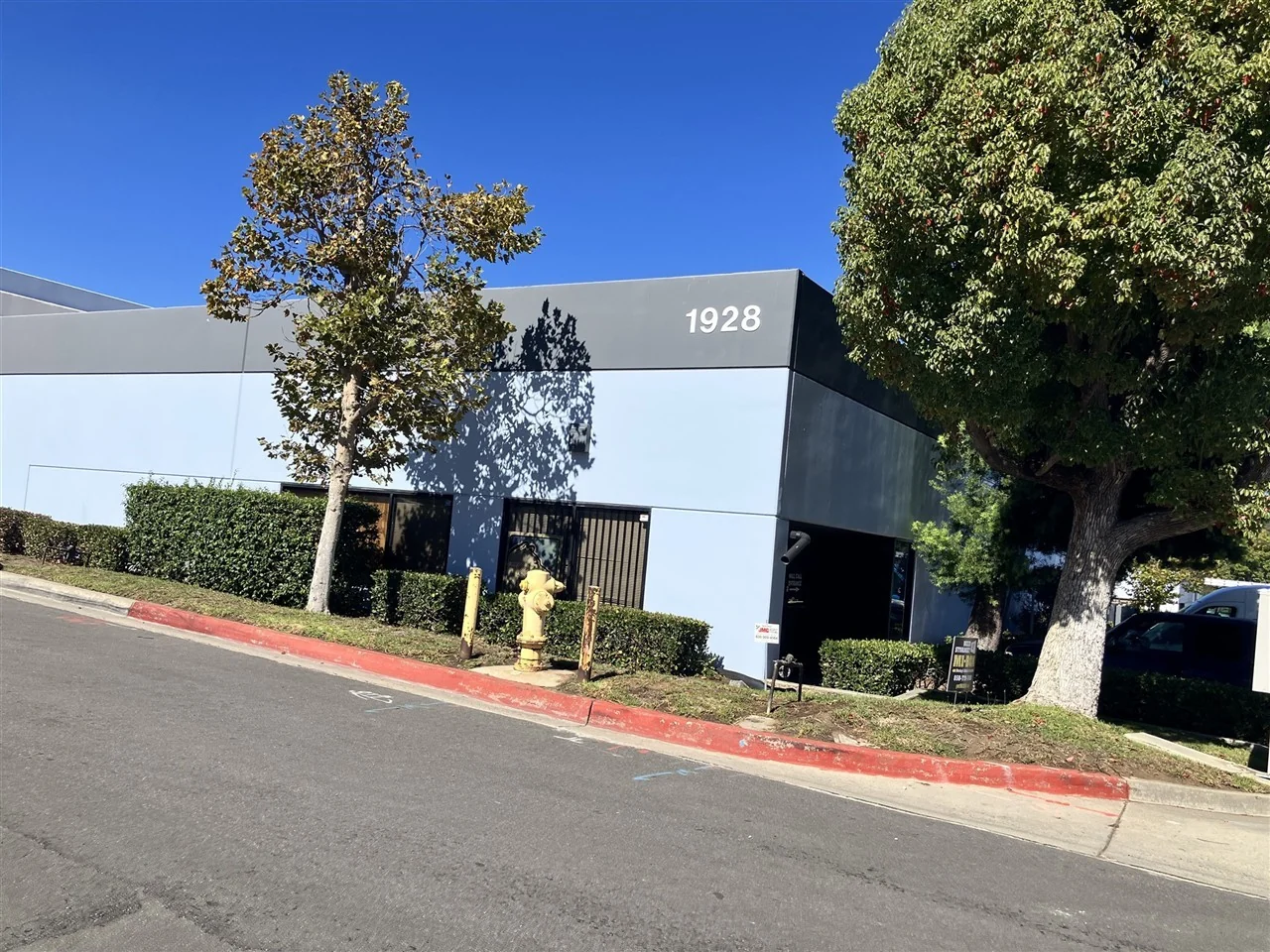
What a commercial inspection covers
A commercial building inspection, or Property Condition Assessment, records the condition of the building before you buy, lease, refinance or hold it. Structure, roof, envelope, electrical, plumbing and the mechanical plant.
It was a complicated, older, multi-unit property, but their inspection process was methodical and exhaustive.

Who books one
Buyers and investors use it to check the numbers they underwrote. Sellers use it to fix what is cheap to fix before it becomes a renegotiation. Office, retail and multi-unit, duplex to industrial.
How it works
From the first call to the report, in order.
Step 1. Pre-Inspection Scoping
We start with a conversation about the asset class, square footage, number of tenants, and your transaction timeline. Commercial properties vary enormously, so we confirm access needs, request available documents (prior reports, roof warranties, maintenance records), and define the scope before anyone shows up on site.
Step 2. On-Site Field Assessment
Joseph and, when warranted, supporting inspectors walk the entire property, exterior, roof, common areas, mechanical rooms, and representative tenant units. We document conditions with detailed photos and, where useful, infrared thermal imaging to reveal moisture intrusion and overheating electrical components that the eye alone would miss.
Step 3. Reporting and Capital Planning
You receive a clear, organized digital report; same-day or next-day digital reports are typical depending on building size. Findings are prioritized into immediate concerns and anticipated capital expenditures so you can negotiate credits, plan reserves, or walk away with confidence.
Step 4. Follow-Up Consultation
We are available to walk you and your team through the findings, clarify severity, and discuss which items merit a specialist follow-up such as a roofing contractor, structural engineer, or sewer scope.
What's Included
Everything below is in the written report.
- Site and grounds paving, parking lots, striping, drainage, retaining walls, and landscaping
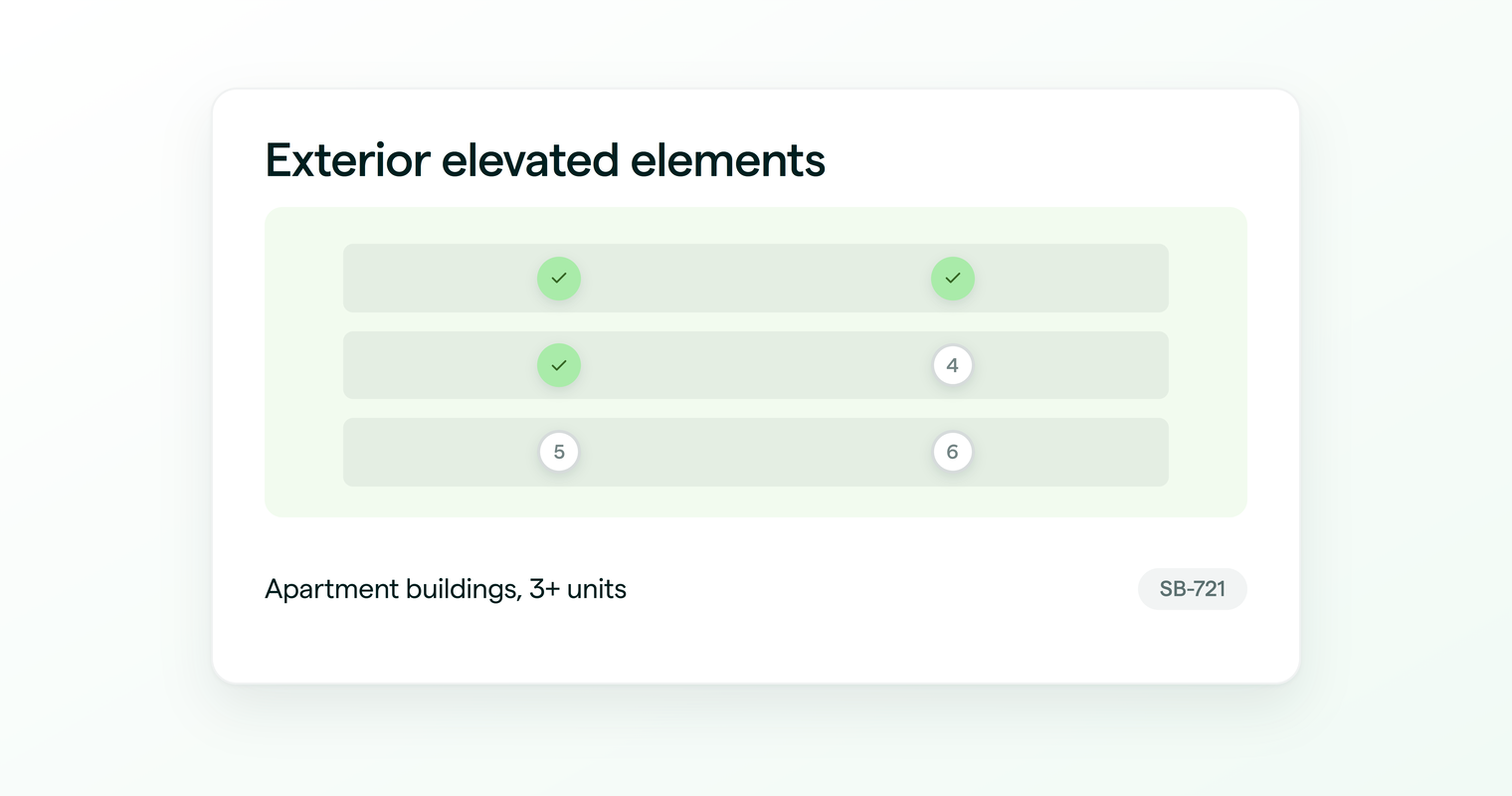
- Building envelope stucco, cladding, sealants, windows, and exterior elevated elements
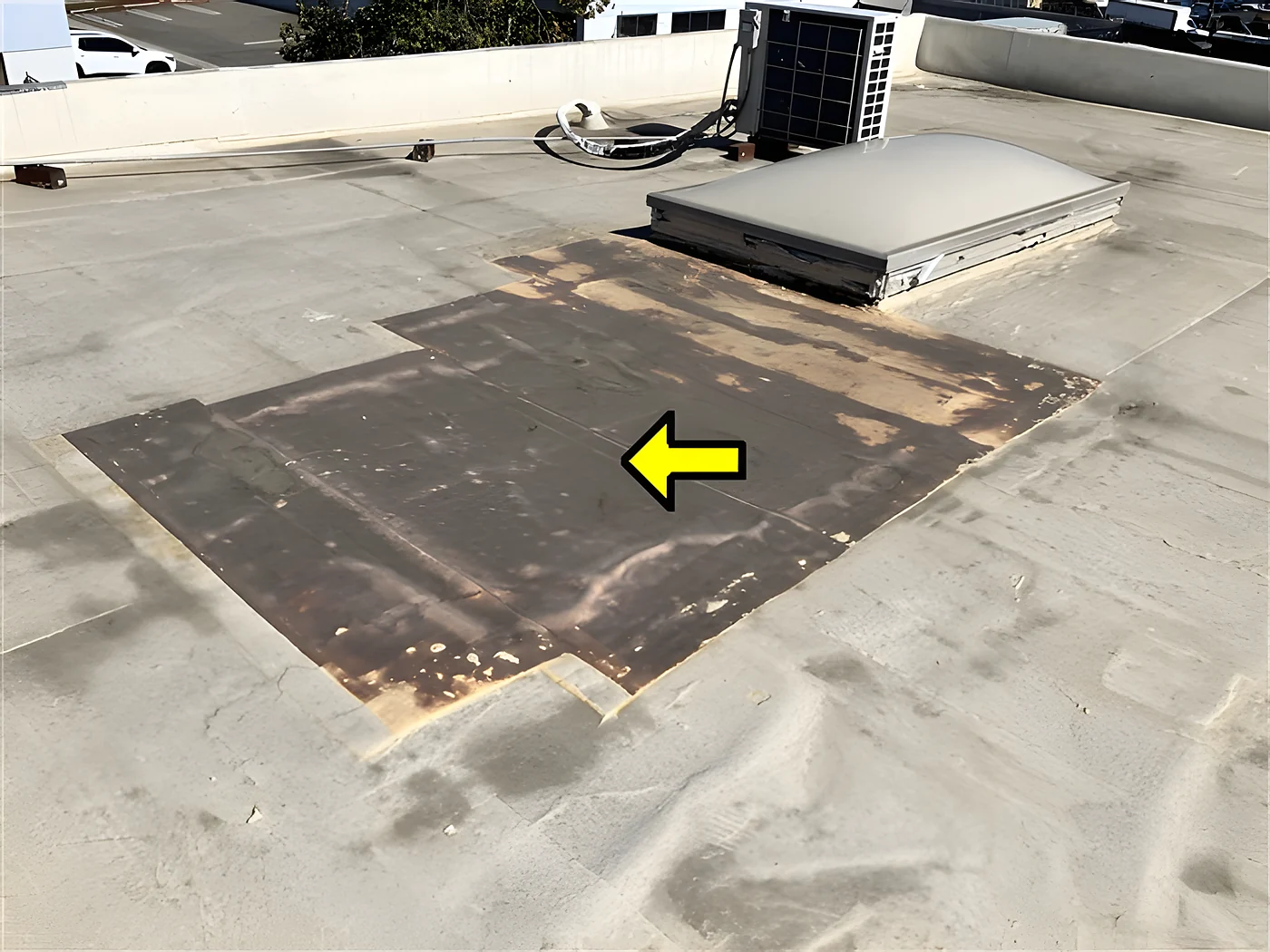
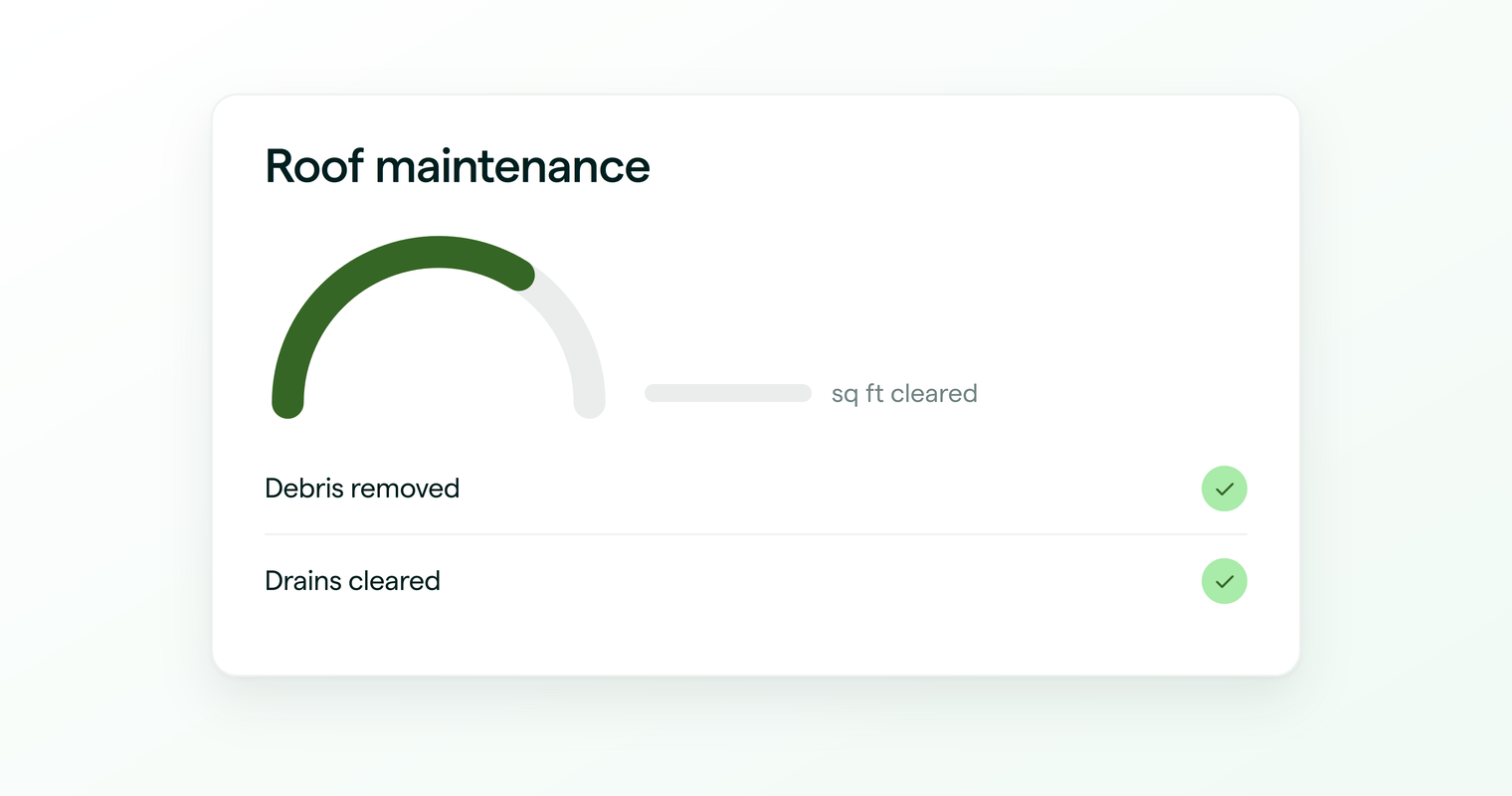
- Roof system membrane or covering condition, flashing, drainage, and visible signs of ponding or leaks
- Structural framing and foundation visible movement, cracking, and slab condition
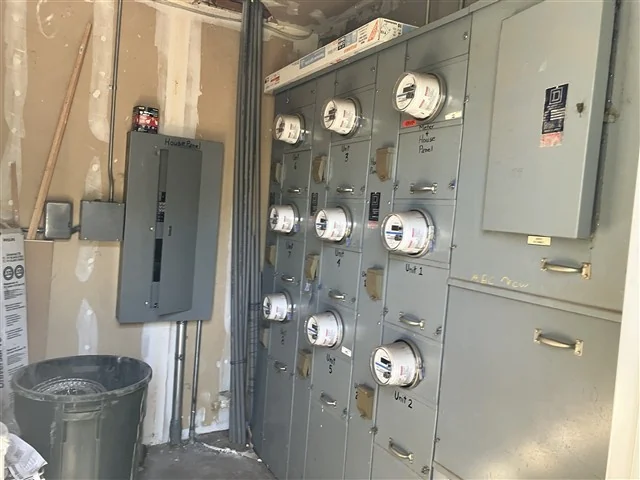
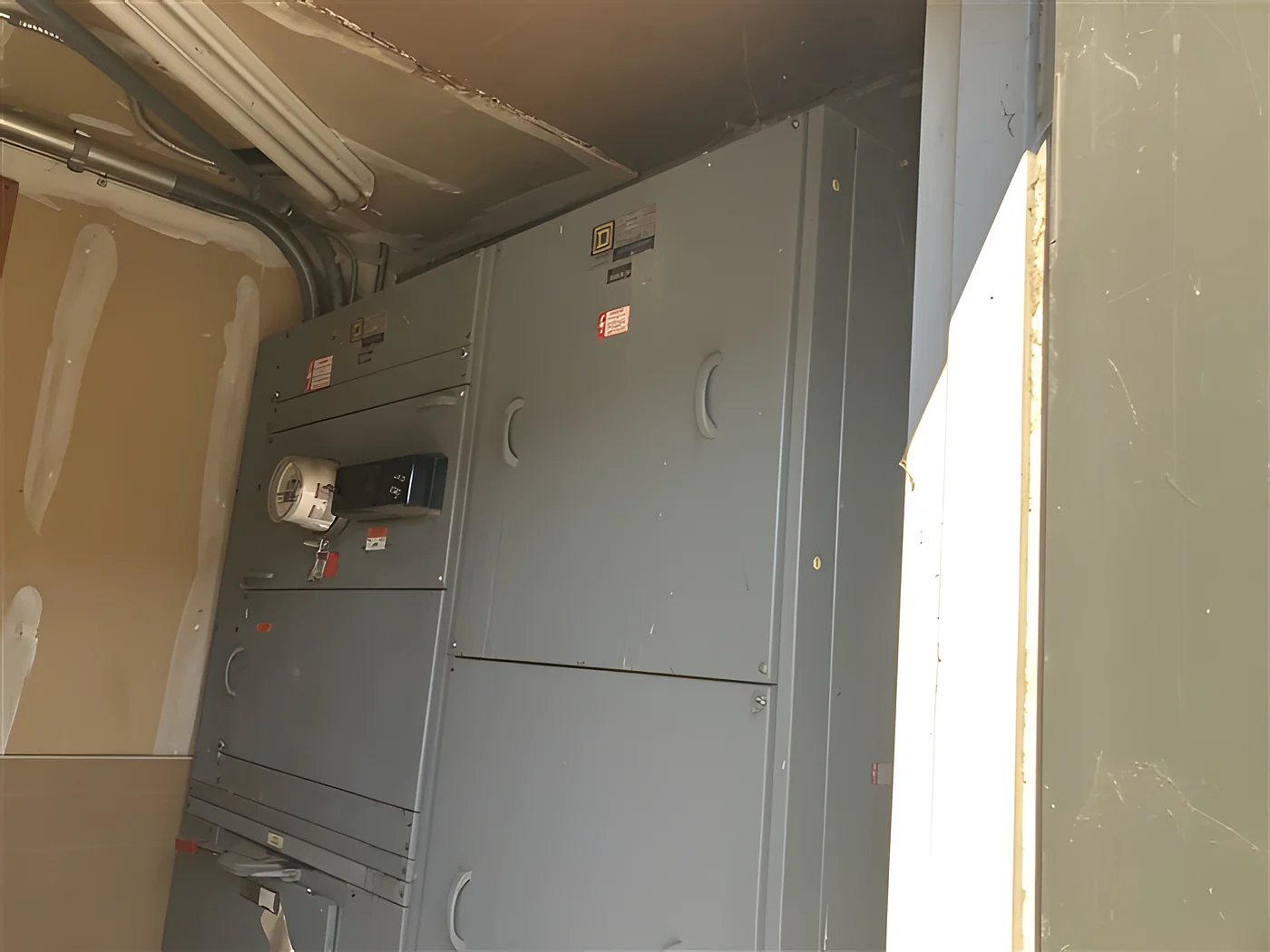
- Electrical service main panels, distribution, and capacity observations for the use type
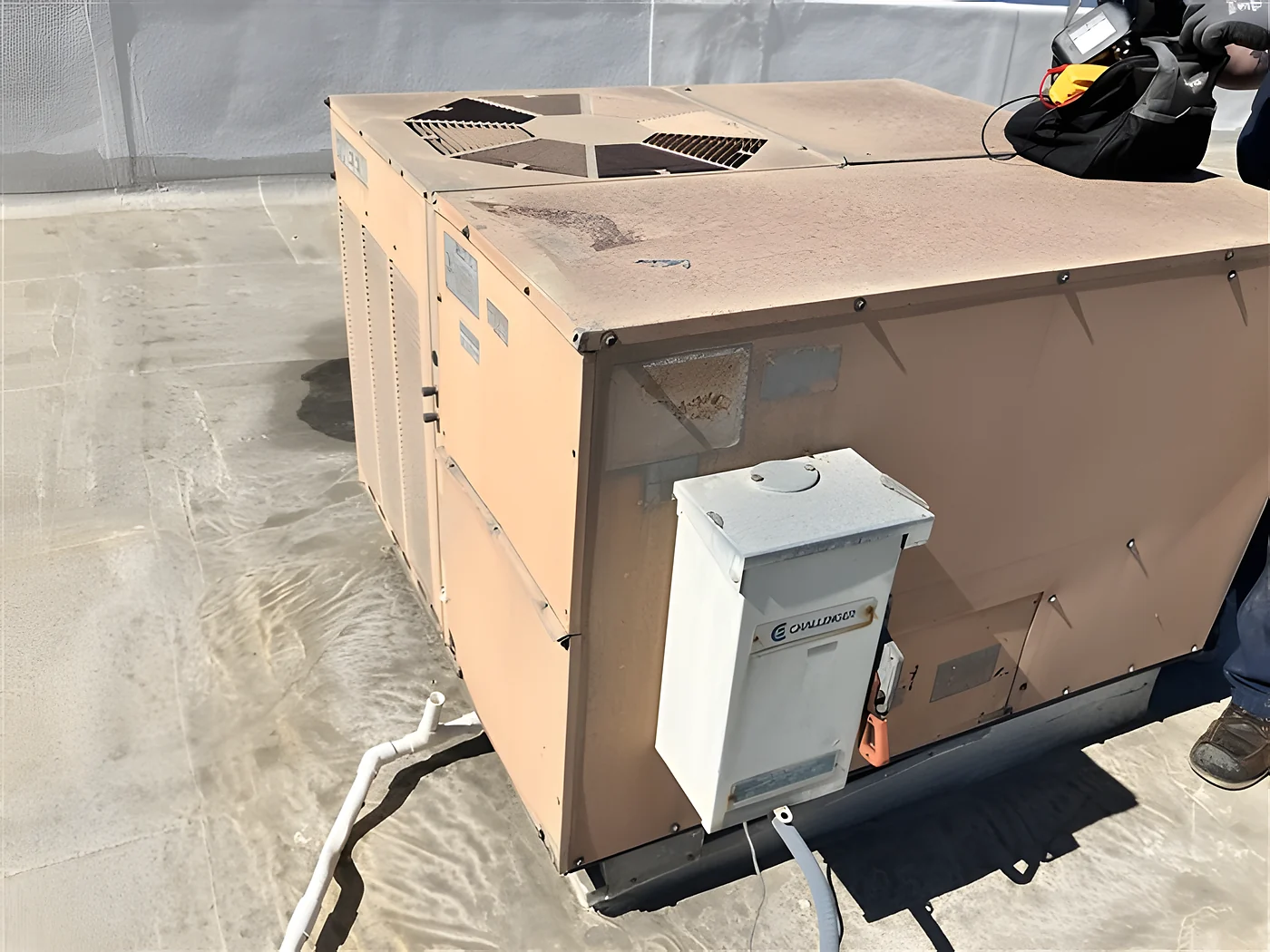
- HVAC equipment rooftop units, age, and serviceability across multiple tenant zones
- Plumbing systems supply, drainage, water heaters, and visible sewer lateral concerns
- Interior common areas and a representative sample of tenant spaces
- Life-safety observations exit signage, fire extinguishers, and visible alarm components
- General ADA accessibility observations parking, path of travel, restrooms, and entrances
- Vertical transportation noted where present (elevators referred to specialty contractors)
- An opinion of immediate repair needs versus longer-term capital reserve items
Commercial Building Inspections in San Diego County
Commercial buildings in the county fail in different ways depending on where they sit. On the coast, in La Jolla, Del Mar, Coronado and Ocean Beach, salt air corrodes rooftop HVAC units, metal flashing, fasteners and electrical components, so equipment only a few years old can already be near the end of its life. Inland, in Santee, El Cajon and Escondido, expansive clay soils move slabs and crack foundations. You see it as racked door frames and stress fractures in tilt-up and slab-on-grade construction.
Duplex to industrial. Larger buildings are quoted after a scoping call.
Commercial and multi-unit
- Duplex$675
- Triplex$895
- Fourplex$975
- 5+ unitsCall or text for quote
- Commercial & IndustrialCall or text for quote
Add-ons
- Sewer Camera Inspection (standalone)$475
- Sewer Camera Inspection (with home inspection)$299
- Pool & Spa Inspection (standalone)$475
- Pool & Spa Inspection (with home inspection)$375
- Concrete Slab Survey (with home inspection)$40
Commercial building inspections: questions we get
How long does a commercial inspection take?
It depends entirely on size and complexity. A small single-tenant retail building may take a few hours, while a large multi-tenant office or industrial property can take a full day or require a small team. We confirm the expected timeframe during scoping.
How is a commercial PCA different from a home inspection?
A home inspection follows a standard residential checklist. A commercial Property Condition Assessment is scoped to the asset, weighs findings in terms of capital expenditure and remaining useful life, and accounts for multi-tenant systems, parking, and accessibility, information an investor needs to underwrite the deal.
Do you inspect the roof and parking lot?
Yes. The roof system and site improvements such as paving, striping, and drainage are core parts of the assessment, because they are among the most expensive items to replace. For a deeper roof-only evaluation we also offer dedicated roof inspections.
Can you check the sewer line on an older commercial building?
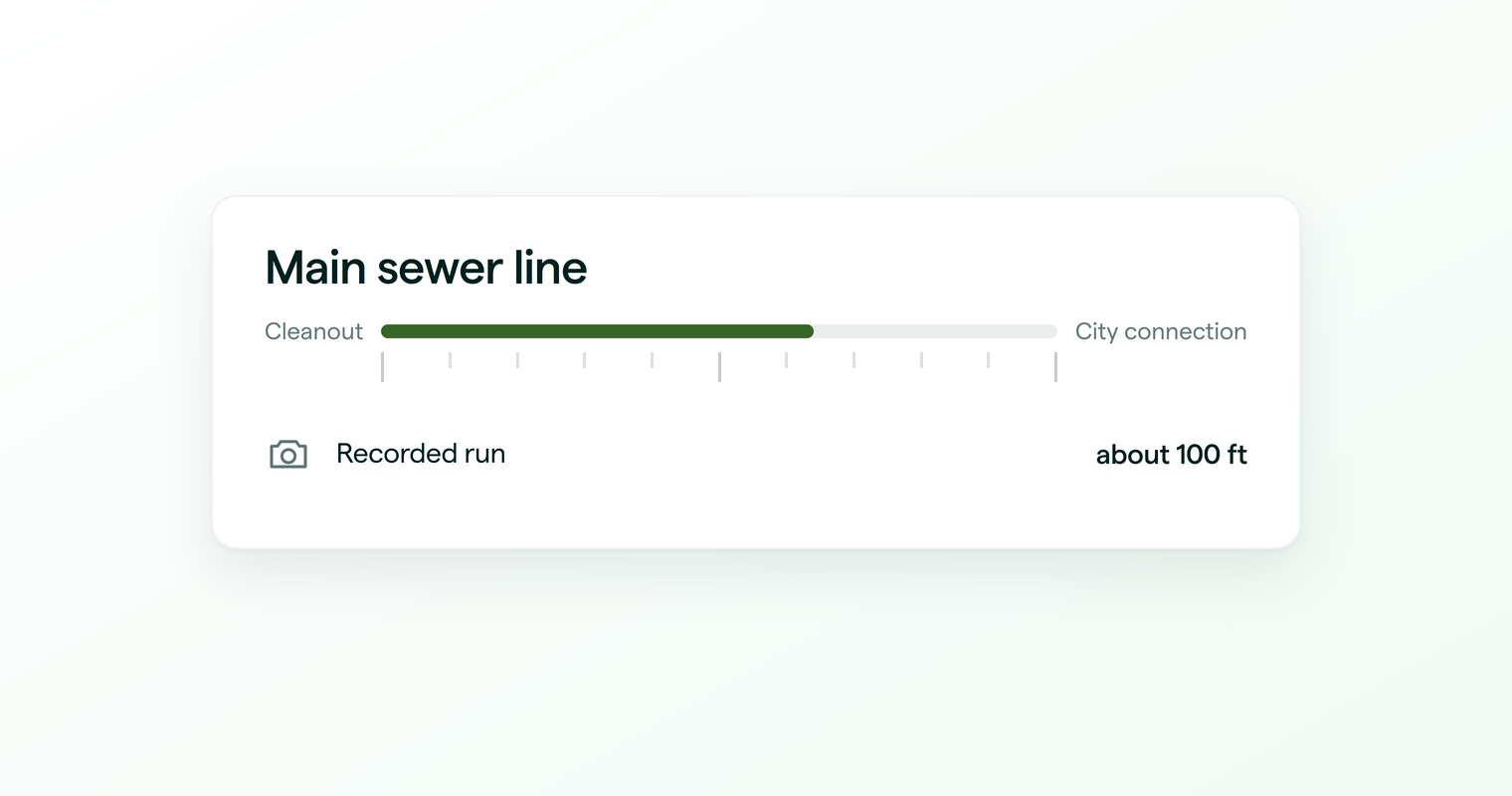
Absolutely, and on older San Diego properties we strongly recommend it. Our sewer scoping service runs a camera through the lateral to find cracks, root intrusion, and clay-pipe deterioration before they become an operating nightmare.
Do you note ADA issues?
We provide general accessibility observations (parking, path of travel, entrances, and restrooms) to flag obvious barriers. A certified CASp inspection is the appropriate next step when a formal accessibility determination is required.
What is a commercial building inspection?
A commercial building inspection is a visual property condition assessment of a commercial structure's major systems, conducted before purchase, lease, or refinancing. Our InterNACHI Certified Professional Inspector evaluates the roof, foundation, structure, electrical, plumbing, HVAC, and exterior, then documents findings in a written report. It covers offices, retail, industrial, and multifamily buildings across San Diego County.
Who needs a commercial property condition inspection and when?
Commercial buyers, investors, lenders, and tenants typically order an inspection during due diligence, before closing escrow, signing a lease, or refinancing. It is also smart before major renovations or when budgeting capital reserves. In San Diego, owners of older offices, retail centers, and apartment buildings often schedule one to plan repairs and verify a property's true condition before committing.
What is included in your commercial building inspection?
We visually assess the roof, structure and foundation, exterior cladding, electrical, plumbing, HVAC, interior, and site drainage, with thermal imaging and sewer camera scoping available as add-ons. You receive a detailed written report with photos. We coordinate referrals for termite/WDO, pest control, and specialized engineering, but we do not perform pest treatment or destructive engineering testing ourselves.
Other commercial services
Commercial reading
Field notes from the inspectors.

Your home is a major investment.
Protect it with San Diego's certified, 5-star-rated inspectors.