
Commercial Roof Cleaning in Oceanside, CA
Oceanside puts a flat roof closer to corrosive salt air than almost anywhere else in North County. Buildings near the harbor, the Strand, and the downtown blocks off Coast Highway breathe in ocean fog that keeps a membrane wet long enough for lichen and algae to settle and for scupper metal to rust from the edges in. A commercial roof cleaning is the maintenance step that gets ahead of all that — pulling debris and growth off the membrane, flushing the scuppers and drains so water leaves the roof, and recording exactly what the surface is doing underneath the buildup.
We work roofs across the whole city: the older two-story commercial stretches downtown, the light-industrial and flex buildings out along the Highway 78 corridor and Ocean Ranch, and the strip retail and offices that turn over fast with the Camp Pendleton population coming and going. The job is to clean and document, full stop. We do not recoat foam, reseal seams, or re-roof — when the cleaning uncovers a split lap, a blistered coating, or a chronic ponding bowl that needs real repair, we photograph it and route it to a licensed roofer so the condition record stays independent of whoever bids the fix.
Call (619) 752-4399 Schedule an Inspection
What does an Oceanside commercial roof cleaning cover?
Everything we do up there serves two goals: get standing weight and water off the membrane, and capture an honest record of its condition. On the low-slope roofs common around Oceanside — a downtown retail block, an Ocean Ranch flex bay, a Mission Avenue office — the cleaning takes in:
- Field debris: Wind-driven sand off the beach, palm fronds, eucalyptus and pepper-tree litter, and trash swept off the roof field, out of valleys, and away from parapet returns.
- Drainage that actually drains: Through-wall scuppers, internal drains, and overflow outlets flushed and tested so the roof sheds instead of holding a pond after rain.
- Living growth on the membrane: Algae film, lichen, and moss lifted off TPO, modified-bitumen, built-up, and sprayed-foam surfaces with methods matched to each material so the cleaning never scours what it's meant to protect.
- Rooftop equipment zones: Buildup cleared from around HVAC curbs, condensate lines, vents, and conduit runs, where trapped litter pins moisture against the most leak-prone seams.
- A documented baseline: Before-and-after photos of membrane, laps, flashing, and outlets so you hold dated proof of upkeep for a warranty file and a reference point for the next service.
Anything we can't safely reach gets noted and shot from the best available angle rather than guessed at. Cleaning and documentation are all we provide here; structural repair belongs to a licensed roofer.
How do Oceanside's salt coast and inland heat hurt a flat roof?
Few North County cities sit as hard against the ocean as Oceanside, and the same membrane can face salt damage near the pier and UV damage a few miles up the 78. A cleaning worth paying for has to read both ends of that spread.
- Beach corrosion: The harbor, the Strand, and the Coast Highway blocks live in salt spray and morning fog that eat scupper boxes, drain bowls, fasteners, and drip edge well before the membrane itself gives out — we routinely find sound roofing draining through rusted-shut metal.
- Persistent marine damp: Fog that lingers past mid-morning keeps shaded sections and north slopes wet, which is exactly the condition lichen and algae need to root into a coastal membrane.
- Inland UV and dry heat: Out toward Rancho del Oro, Ocean Ranch, and the industrial pockets off the 78, sharper sun chalks foam coatings and bakes exposed BUR and mod-bit brittle, opening the cracks where pooled water gets in.
- A mix of old and new stock: Vintage downtown buildings often carry layered, patched low-slope roofs with tight drainage, while newer business-park boxes have broad single-ply fields that pond fast once one outlet clogs.
- Military turnover pace: Camp Pendleton drives quick tenant churn through Oceanside's commercial space, and roofs on fast-leasing buildings tend to go years between anyone actually looking at the drainage.
What do you keep finding on Oceanside roofs?
The same coastal-and-inland building mix produces a familiar set of conditions in our documentation, job after job around the city:
- Salt-eaten drainage metal: Rusted scupper boxes, corroded drain bowls, and failing fasteners on harbor-side and downtown buildings, worn out ahead of the roofing they serve.
- Growth on the foggy side: Lichen colonies and dark algae streaking the north and shaded faces of TPO and mod-bit where the marine layer keeps things damp.
- Ponding signatures: Dirt rings, blistering, and soft low spots on foam and built-up fields where a blocked outlet has let water stand between storms.
- Sand-packed outlets: Wind-blown beach sand combined with leaf litter damming scuppers and drains on roofs within a mile or two of the coast.
- Chalked and cracked coatings: Thinned, brittle foam topcoat and alligatored BUR on the sun-exposed Highway 78 and Rancho del Oro buildings.
- Neglected equipment curbs: Debris wedged against HVAC curbs and penetrations on fast-turnover retail, holding moisture right at the laps most likely to open.
- Tired seams and flashing: Lifting laps and dried-out sealant at the details — conditions we flag for a licensed roofer rather than touch.
How do you clean and what does your report include?
We schedule around your tenants and traffic — off-hours for a busy downtown retail row, coordinated with the property manager on a multi-tenant Ocean Ranch building. On the roof we clear the field, valleys, and parapet corners first, then open and flush every scupper, drain, and overflow so the system carries water the way it was designed to. Biological growth comes off with methods matched to your membrane, and we give particular attention to the equipment curbs and penetrations where trapped debris does the quiet damage.
Findings come back in a clear, photo-backed HomeGauge report, usually delivered the same day or the next, with before-and-after images and condition notes called out by location — corroded outlet here, ponding bowl there, lifting seam over the east suite — so you and your roofer can act without a second climb.
We document observed condition only. We don't recoat, reseal, patch, or run leak pressure-tests on a roof we service, and we keep cleaning and repair separate on purpose. When something needs membrane work, recoating, or a warranty repair, we name it plainly and coordinate or refer a licensed roofer for it — the report stays yours and stays independent.
What credentials stand behind your Oceanside roof report?
Your roof is cleaned and documented under Joseph Romeo, an InterNACHI Certified Professional Inspector (CPI) who also carries a California CSLB General Contractor license (#1113143). That construction background changes what you get on a commercial roof: he reads how the drainage was detailed, whether a foam coat has been maintained or left to chalk, and what a ponding pattern says about the slope and deck below — not just whether the surface got swept clean.
- 20+ years and 10,000+ inspections across San Diego County's coast and inland mesas, from the Oceanside harbor district to the Highway 78 business parks.
- 4.9 stars across 106 Google reviews from owners, managers, and agents who wanted a straight read on a roof.
- Documentation built for warranty files and budgeting — specific enough to hand straight to your roofer.
- Honest separation of routine cleaning items from conditions that mean the membrane is near the end of its run.
We are InterNACHI CPI and CSLB-licensed; we are not ASHI or CREIA members, and we don't post flat prices — cost moves with square footage, access, membrane type, and how much debris and growth has built up, so we point you to the fee schedule or confirm a quote before the work is booked.
Which Oceanside commercial inspection services pair with this?
A clean, draining roof answers one question; a commercial building in Oceanside usually raises more. We offer the broader range so you can cover the property in fewer trips:
- Commercial building inspection — the full walk of accessible building systems, the right move at acquisition or before a lease renewal rather than chasing a single concern.
- Roof inspection — a focused condition and remaining-life assessment when you need more than a cleaning and a photo set.
- Thermal / infrared imaging — reads hidden moisture trapped under a flat membrane or behind the ceiling below a leak, a genuine asset this close to the marine layer.
- 4-point inspection — the insurer-focused look at roof, electrical, plumbing, and HVAC, common on Oceanside's older downtown commercial stock at renewal.
- Sewer scope — a camera down the lateral, smart on the aging clay lines under the older harbor-district and Coast Highway buildings.
On an older coastal building, pairing the roof cleaning with a thermal scan in a single visit answers the surface question and the hidden-moisture question together and keeps your warranty file current.
Oceanside Commercial Roof Cleaning FAQs
How often should an Oceanside commercial roof be cleaned?
What does Oceanside's salt air do to a commercial roof?
Do you repair or recoat the roof while you're up there?
Which roof types do you clean in Oceanside?
Can clearing the drains actually stop a leak?
Does a cleaning help keep my roof warranty valid?
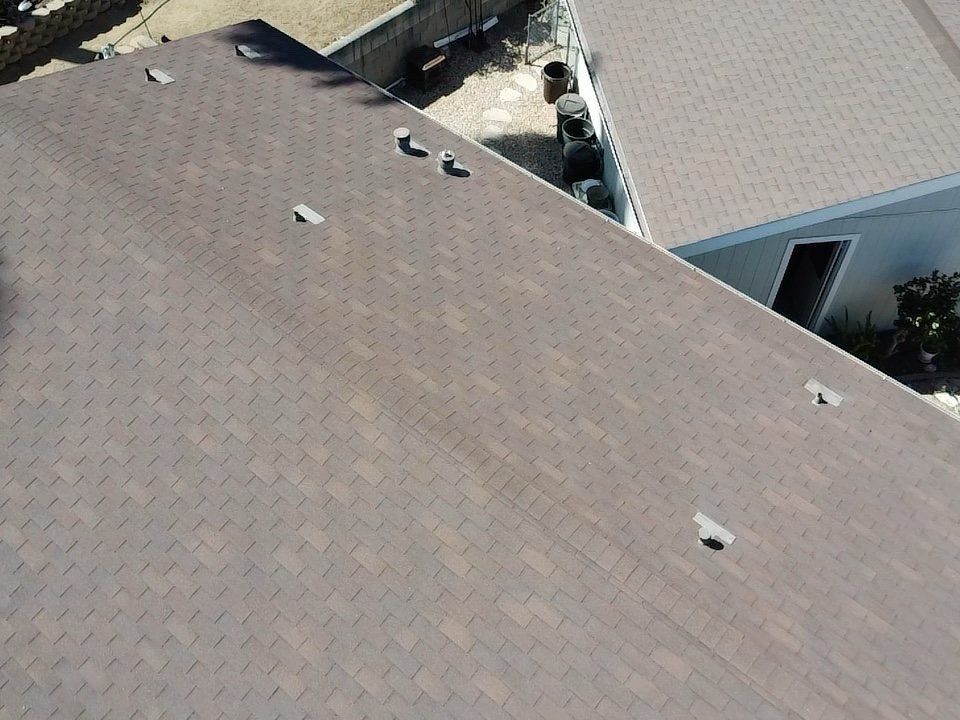
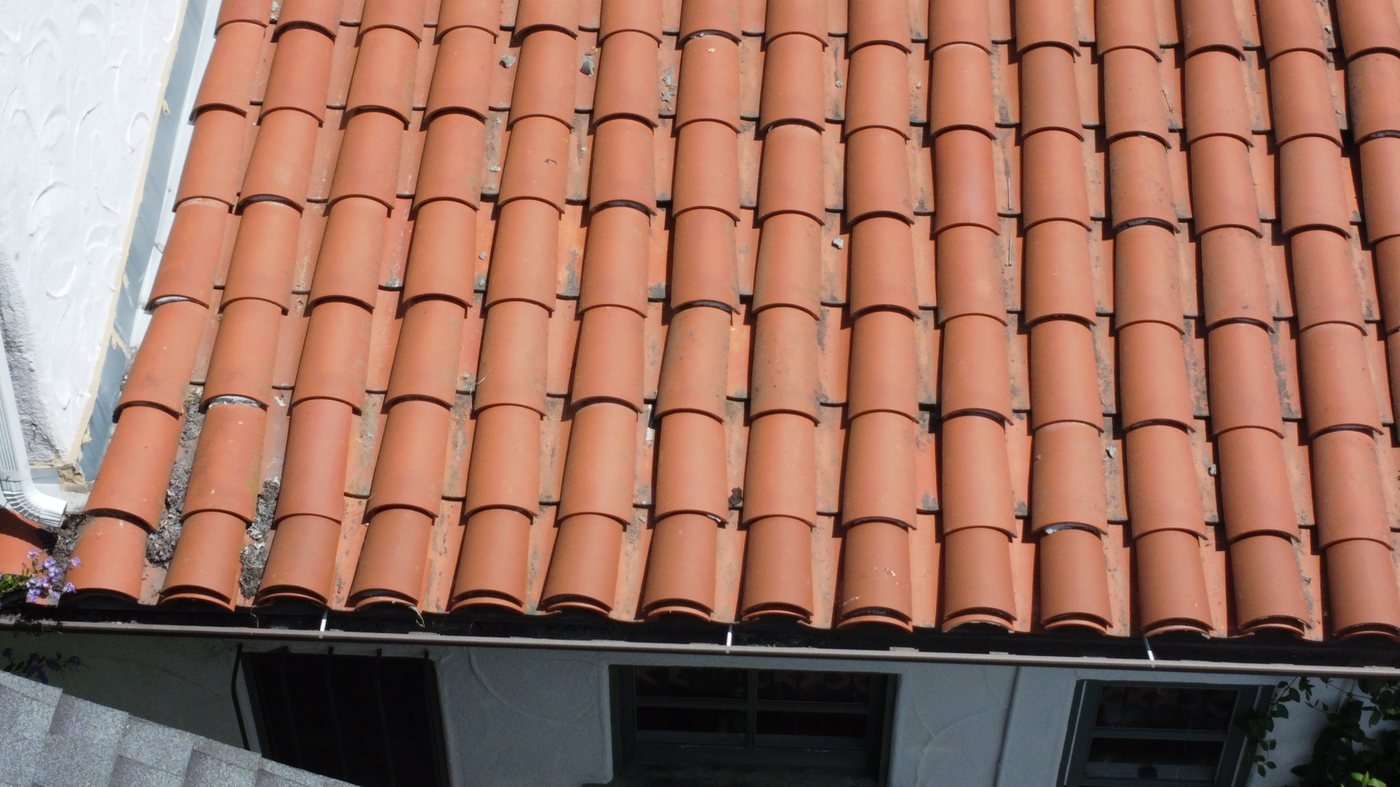
Large rooftops, handled
Flat and low-slope commercial roofs we access, document and maintain.

More inspections in Oceanside
- 4-point inspection in Oceanside
- Roof inspection in Oceanside
- Thermal imaging in Oceanside
- Foundation slab survey in Oceanside
- Home inspection in Oceanside
Nearby and countywide
Were You Happy With Your Inspection?
We are proud of our 4.9-star rating across 100+ Google reviews. If Joseph and the team did right by you, a quick Google review helps other San Diego County buyers and sellers find us.