
Commercial Roof Cleaning in Vista, CA
Vista sits in an odd spot for a flat roof. Drive west toward the 5 and the marine air carries salt and feeds biological growth; head east up the grade toward San Marcos and the temperatures climb and the sun gets meaner. A commercial roof here gets both problems on the same membrane — coastal damp that grows algae in the shaded corners, and inland heat that chalks the field by August. Most owners never see either, because the roof is flat and the trouble lives at the drains and the low spots.
I'm Joseph Romeo. Commercial roof cleaning and maintenance is the plain work of keeping a low-slope roof clear and draining: pulling debris and growth off the membrane, opening the scuppers, roof drains, and overflows so water actually leaves, and putting the roof's condition on the record with photos. The aim is to stretch the membrane's service life, keep a warranty's maintenance terms satisfied, and find a small thing before it stains a ceiling tile. I clean and document — recoating, seam work, and membrane repair go to a licensed roofer. This page lays out the scope, what Vista's split coastal-inland setting does to these roofs, and what I keep finding once the debris comes off. The Vista home inspection hub covers the property-wide picture.
Call (619) 752-4399 Schedule an Inspection
What does a Vista commercial roof cleaning cover?
This is maintenance and documentation for flat and low-slope roofs — TPO and other single-ply membranes, modified bitumen, built-up gravel and cap-sheet (BUR), and sprayed foam. On a Vista building the work breaks down like this:
- Clearing the membrane field — leaves, seed pods, windblown grit, and the fine sediment that drifts off the surrounding hillsides and settles into the low spots and along parapet bases
- Opening the drainage — through-wall scuppers, roof drains, strainer baskets, and overflow outlets cleared so storm water leaves the roof instead of backing up across the field
- Removing biological growth — algae, lichen, and moss pulled from the shaded, slow-drying corners and the north faces of rooftop equipment where Vista's marine moisture lets it take hold
- Working the details — clearing debris packed at curbs, pipe penetrations, equipment stands, and the crickets meant to steer water toward the drains, so the seams and flashings underneath can actually be seen
- Documenting condition — photographing the membrane, seams, flashings, ponding marks, and cleared drains so you hold a dated record of where the roof stood after the visit
You end up with a clear, draining roof and an honest read on its condition. What this is not: I don't recoat foam, weld or reseal seams, or patch the membrane. That's a roofer's trade, and the report tells you and your roofer exactly where it's needed.
How does Vista's coastal-to-inland split affect flat roofs?
Vista straddles a transition zone, and a flat roof here pays for both sides of it. The local conditions that drive cleaning and drainage maintenance on a Vista commercial roof:
- Marine moisture on the west side: Buildings nearer the coast and along the lower reaches sit under the marine layer long enough each morning that membranes stay damp. That feeds algae, lichen, and moss in any shaded or slow-draining corner, and on a TPO or cap-sheet roof that growth darkens the surface and creeps into seams.
- Salt-laden air: The onshore flow carries salt that settles on rooftop metal — drain strainers, scupper sleeves, flashing edges, fasteners, and HVAC housings — and accelerates corrosion. Debris that holds that salty moisture against metal details makes it worse, so keeping the surface clear matters here in a way it doesn't well inland.
- Inland heat up the grade: The eastern, higher parts of Vista climb out of the marine layer and bake. Direct sun and hot afternoons chalk foam coatings, dry and crack modified bitumen, and thin TPO — and any debris left sitting cooks onto the membrane and traps heat in one spot.
- Varied soils and hillside grit: Vista's transition-zone geology gives a patchwork of soils, and the surrounding slopes shed a steady load of fine grit and decomposed-rock sediment onto rooftops. That material rides straight to the scuppers and low points, which is where it does the damage.
- Older mixed building stock: Vista's commercial fabric runs from the older downtown and the established industrial pockets off the 78 to converted ranch-era parcels. Many carry older BUR or mod-bit low-slope roofs with original drains and undersized scuppers that clog fast and need watching.
What turns up on Vista commercial roofs?
The same conditions recur across the low-slope roofs I document around Vista. Finding them on a cleaning visit beats finding them as a wet drop ceiling:
- Clogged scuppers and drains — through-wall scuppers and roof drains packed with leaf litter and hillside grit, with standing water or a dried sediment tide-line showing where it backs up
- Ponding evidence on the low side — ringed mineral deposits and discoloration where water sits for days after a rain, a sign the slope or the drains aren't carrying it
- Growth in the marine-damp corners — algae, lichen, and moss concentrated on the shaded, slower-drying parts of the roof and behind rooftop equipment, heaviest on the west-facing parcels
- Salt-corroded rooftop metal — rusting drain strainers, scupper sleeves, fasteners, and flashing edges on buildings closer to the coast, the kind of detail corrosion that opens a leak path over time
- Heat-spent membrane up the grade — chalked and thinning TPO, alligatored modified bitumen, gravel scoured off BUR, and UV-cracked foam coating on the hotter inland roofs
- Debris dammed at penetrations and crickets — litter packed against pipe boots, equipment stands, and saddles, hiding the seams and base flashings where leaks usually start
- Punctures from uncoordinated rooftop work — membrane cuts and crushed laps left by HVAC, solar, or antenna trades, often buried under debris until a cleaning exposes them
I separate housekeeping — what a cleaning fixes — from a membrane, flashing, or corrosion condition that needs a roofer, and I photograph each so the report stands on what's actually there.
How does the visit run, and what lands in your inbox?
Start with a call to (619) 752-4399 or an email with the Vista building address, the membrane type if you know it, and what's prompting the visit — routine upkeep, getting ahead of the wet season, a warranty-compliance record, or a check before a sale or lease. That tells me what roof access and equipment to plan and whether you want a single clearing or a recurring schedule.
On site I work the roof in order: clear the field and the low spots, lift the biological growth out of the damp corners, then open every scupper, drain, strainer, and overflow so water has a clean path off. I work the parapets, flashings, penetrations, and crickets where litter dams up, and once it's clear I read what the debris was hiding — the membrane and foam for heat wear, the metal details for salt corrosion, the seams and base flashings for separations, the low spots for ponding history. I keep the method matched to the system so I'm not forcing water into seams or abrading a coating.
The deliverable is a photo-documented HomeGauge report — condition in plain language, the drains cleared and noted, and any membrane, flashing, or corrosion issues flagged for your roofer, with a photo behind every observation. In most cases it lands same day or next day. That dated record satisfies the maintenance clause most membrane warranties carry and gives a roofer a targeted place to start. I clean and document; I don't recoat, repair, bid, or certify the roof.
Why do Vista owners and managers bring me in?
A maintenance record is only worth keeping if the person writing it can tell a roofing system from a leaf pile. I'm an InterNACHI Certified Professional Inspector (CPI), and I hold a California CSLB General Contractor license (#1113143). That building background is why the documentation is useful: I know how a TPO seam, a mod-bit lap, a foam coating, and a scupper detail are supposed to perform, so when I flag corroding metal or a chronic ponding spot, I can tell you what it means and roughly what the fix involves before a roofer ever quotes.
- 20+ years and 10,000+ inspections across San Diego County, including Vista's downtown blocks, its industrial pockets off the 78, and the older converted parcels up the grade
- 4.9 stars across 106 Google reviews
- Independent and conflict-free — I clean the roof and document what's there; I don't sell roofing, coatings, or repairs, so nothing in the report is steered toward work I'd profit from
When the roof crosses from maintenance into a roofer's work — recoating a sun-spent foam roof, resealing a lifted seam, replacing corroded drains, or a formal roof certification — I coordinate or refer a licensed roofer to act on the documented findings rather than pretend a cleaning covered it. Reach me directly at joe@sandiegohomeinspection.com or the number above.
Which related services pair with a Vista roof cleaning?
A roof cleaning is one piece of keeping a Vista building tight. Depending on the property, a few companion services fold neatly into the same trip:
- Commercial building inspection: a documented walk of structure, envelope, electrical, plumbing, and HVAC when you're buying, leasing, or building a due-diligence file
- Roof condition assessment: a deeper, standalone read of the membrane, seams, and remaining life when you're weighing a recoat against a tear-off
- Thermal / infrared imaging: finds trapped moisture under a membrane or behind a parapet where a leak has tracked into the deck, which a surface cleaning won't reveal
- Drainage and grading check: ties the scuppers and downspouts to where runoff actually goes once it leaves the building — worth doing on Vista's varied hillside soils
- Pre-wet-season maintenance walk: a scheduled clear-and-document before the winter storms so the drains are open when the rain finally arrives
Send the address and what you're trying to protect, and I'll tell you which of these genuinely apply — see the full list of inspection services or reach out through contact.
Vista Commercial Roof Cleaning FAQs
How often should a Vista commercial roof be cleaned?
Does Vista's coastal air really affect a commercial roof?
Will cleaning protect my roof warranty?
Do you repair the leaks or recoat the foam you find?
What types of commercial roofs do you service in Vista?
What does commercial roof cleaning cost in Vista?
Large rooftops, handled
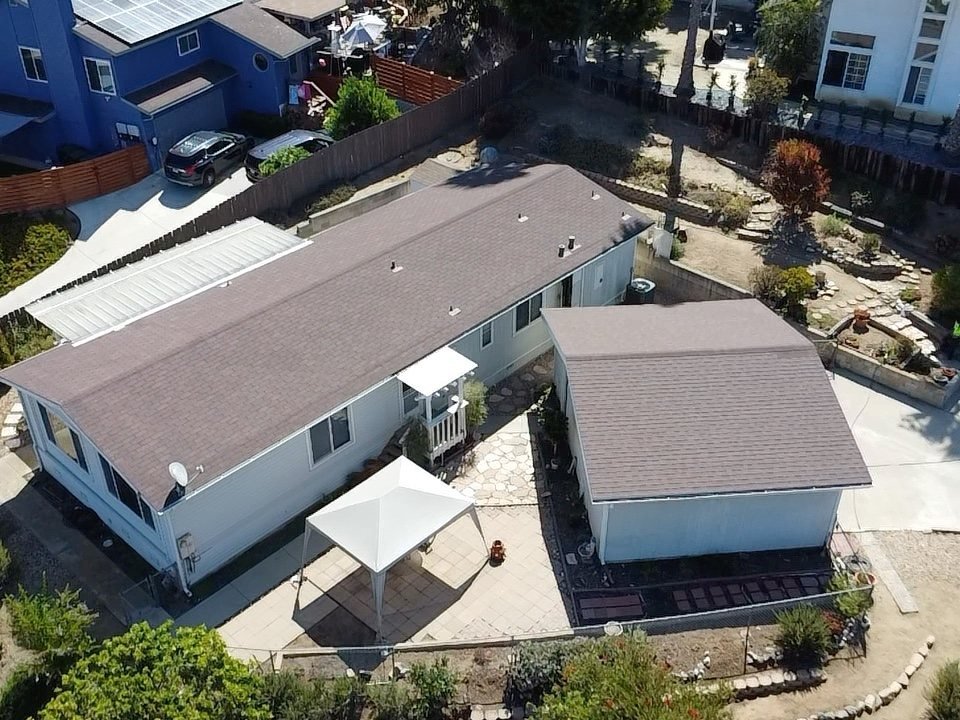
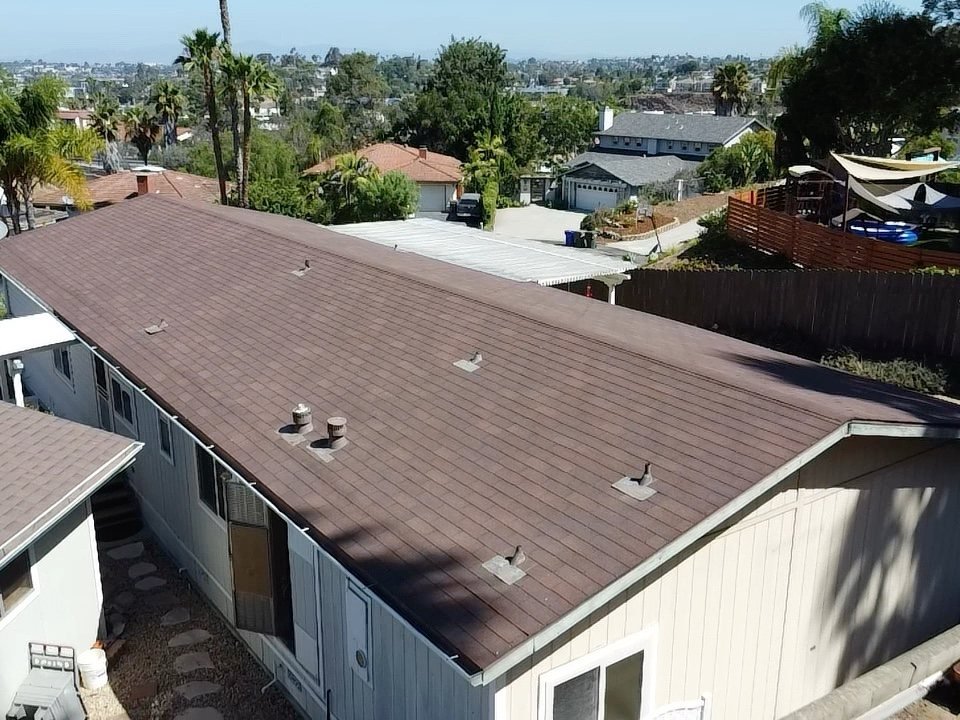
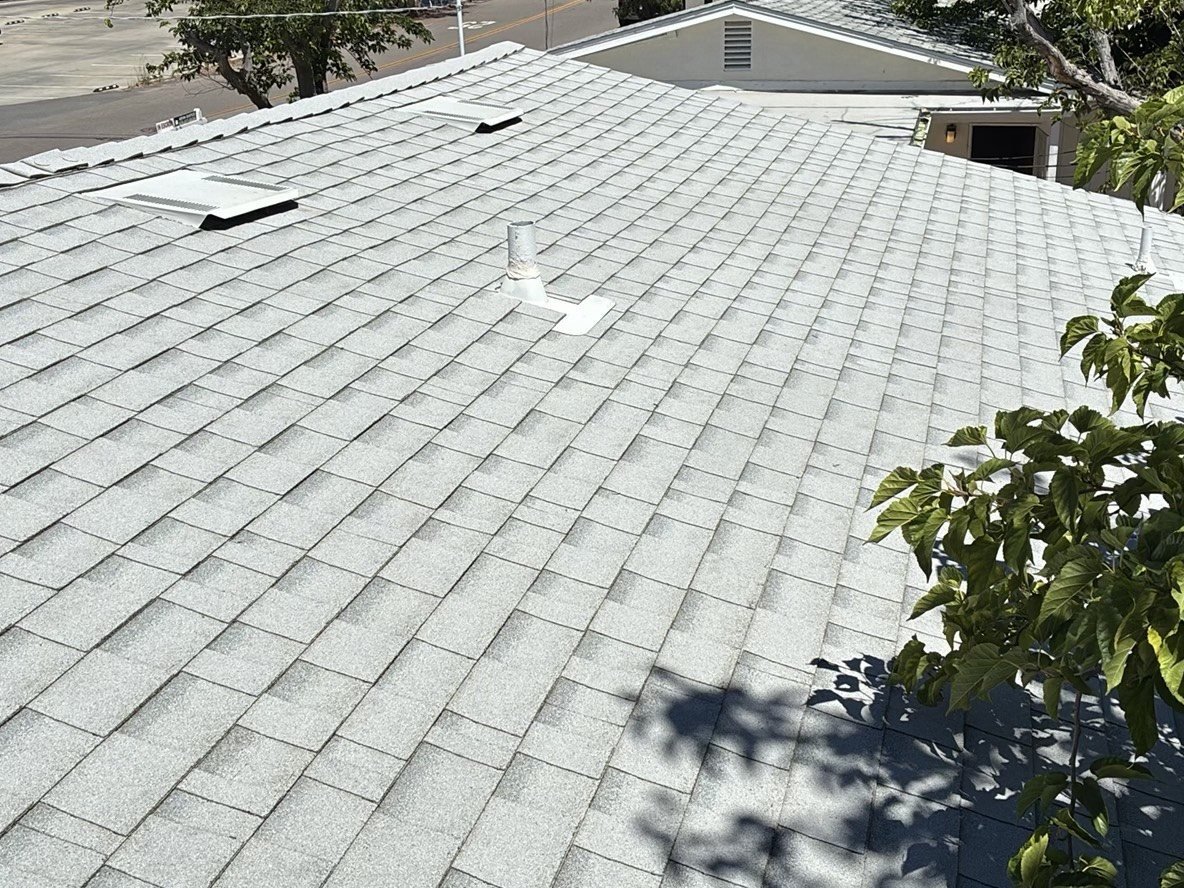
Flat and low-slope commercial roofs we access, document and maintain.
More inspections in Vista
- Foundation slab survey in Vista
- SB 721 balcony inspection in Vista
- SB 326 balcony inspection in Vista
- SB 721 exemption letter in Vista
- Home inspection in Vista
Nearby and countywide
Were You Happy With Your Inspection?
We are proud of our 4.9-star rating across 100+ Google reviews. If Joseph and the team did right by you, a quick Google review helps other San Diego County buyers and sellers find us.