
Commercial Roof Cleaning in San Marcos, CA
San Marcos sits in the transition zone — close enough to the coast for morning marine layer and biological growth, far enough inland that the afternoon sun off the hillsides hammers a flat roof all summer. A low-slope commercial roof here takes both punishments, and it takes them out of sight. Up on the CSUSM-adjacent retail strips and the business parks off San Marcos Boulevard and Rancho Santa Fe Road, the membrane over a building is the last thing anyone looks at until a tenant calls about a water stain.
I'm Joseph Romeo. Commercial roof cleaning and maintenance is the routine work of getting a flat or low-slope roof clear and keeping water moving off it: pulling debris and biological growth off the membrane, opening the scuppers, drains, and overflows so nothing ponds, and photographing the roof's condition while I'm up there. The aim is to stretch the membrane's service life, hold up your warranty's maintenance terms, and flag a small thing before it becomes a leak. I clean and document — recoating, seam work, and repairs go to a licensed roofer. This page walks the scope, what San Marcos's setting does to these roofs, what I keep finding, how the visit and report run, and where my work stops. The San Marcos home inspection hub covers the property-wide side.
Call (619) 752-4399 Schedule an Inspection
What does a San Marcos commercial roof cleaning cover?
This is maintenance and condition documentation for flat and low-slope commercial roofs — TPO and other single-ply membranes, modified bitumen, built-up (BUR) gravel and cap-sheet systems, and sprayed polyurethane foam. On a San Marcos building the visit includes:
- Field debris removal — clearing leaves, seed litter, windblown grit, and the fine sediment that rides off the surrounding hillsides and settles into the low spots and along parapet bases
- Scupper, drain, and overflow clearing — opening the through-wall scuppers, roof drains, strainer baskets, and overflow outlets so storm runoff actually leaves the roof instead of backing up onto the field
- Biological growth removal — lifting the algae, lichen, and moss that take root where the marine layer keeps a shaded, slow-draining corner damp into late morning
- Parapet, flashing, and penetration cleanup — clearing litter packed at parapet walls, curbs, pipe boots, and equipment stands where it dams water and hides the seams underneath
- Rooftop equipment surrounds — clearing around HVAC units, condensate lines, and skylight curbs where debris and growth concentrate, common on the heavy mechanical loads these newer commercial builds carry
- Condition documentation — photographing the membrane field, seams, base flashings, ponding marks, and drains so you hold a dated record of where the roof stood after service
You end up with a clean, draining roof and a documented read on its condition. What I don't do is recoat foam, weld or reseal seams, or patch the membrane — that's licensed roofer work, and I'll tell you plainly when the roof has crossed from upkeep into repair.
What does San Marcos's setting do to a flat roof?
San Marcos straddles the coastal-inland line, and its building stock is unusually young for North County. Both facts shape what goes wrong on these roofs:
- Marine layer in, valley heat out: mornings bring coastal moisture that feeds algae and lichen on shaded, slow-draining membrane; afternoons bring inland sun and UV that chalk foam coatings and age TPO and modified bitumen. A roof here gets the worst of both, and debris left sitting traps the moisture and bakes onto the membrane.
- Hillside developments and wind-driven litter: San Marcos is built into hillsides — the Cerro de las Posas slopes, San Elijo Hills, the grades around the university. Wind funneling off those slopes drops dirt, dry brush, and seed litter onto rooftops below, and it packs straight into the scuppers and low corners.
- Expansive soils under the building: much of the area sits on expansive clay that swells and shrinks with the wet and dry seasons. As a foundation and frame move seasonally, a low-slope roof's drainage slope can shift just enough to start a new ponding spot or stress a seam — worth watching even on a building that drained fine last year.
- Newer construction lulls owners: a lot of San Marcos commercial stock is recent, and owners assume a young roof needs nothing. But warranties on those new TPO and foam systems almost always require documented periodic cleaning, and the first clogged scupper on a 'new' roof ponds just as fast as on an old one.
- CSUSM-driven mixed-use and rentals: the university anchors a mix of retail, food, and student-rental buildings where rooftop kitchen exhaust, added HVAC, and after-the-fact equipment leave grease film, debris, and uncoordinated penetrations on the membrane — all of which a cleaning exposes and documents.
What do I commonly find on San Marcos commercial roofs?
The same conditions repeat across the flat-roofed retail and light-industrial buildings I document around San Marcos. Catching them on a maintenance visit beats catching them as a stained ceiling tile:
- Scuppers silted from the slopes — through-wall outlets and drains packed with the dirt and dry litter that blows down off the surrounding hillsides, the single most frequent finding
- New ponding low spots — ring-shaped sediment and growth marking water that now sits where it didn't before, sometimes traced to seasonal soil movement changing the roof's slope
- Marine-layer growth in shade — algae and lichen behind parapets and on the north side of equipment curbs, where morning moisture lingers and the surface never fully dries
- Grease and exhaust film near kitchen vents — membrane fouling around the food-service and mixed-use rooftops common in the university trade area, which holds debris and degrades coatings
- Uncoordinated penetrations — membrane cuts and unsealed boots left by after-the-fact HVAC, solar, or satellite work on these newer buildings, often buried under debris until a cleaning exposes them
- UV-chalked coatings and lifting laps — foam and TPO surfaces showing inland sun wear, and base flashings starting to pull away at parapets and curbs, the spots where leaks actually begin
None of that is a repair verdict by itself. I separate housekeeping — what a cleaning fixes — from a membrane or flashing condition that needs a roofer, and I photograph each so the report stands on what's there.
How does the visit run, and what do you get?
It starts with a call to (619) 752-4399 or an email with the San Marcos property address and, if you know them, the membrane type and roughly when the roof was last serviced. I'll confirm safe roof access — access matters on the hillside sites where the building sits below grade on one side — and whether you want a one-time clearing or a recurring schedule before the rainy season.
On site I work the roof in order: clear the field of debris, remove biological growth, then open every scupper, drain, strainer, and overflow so water has a clear path off. I work the parapets, flashings, penetrations, and equipment surrounds where litter dams up, and I confirm the drainage actually moves once it's clear. As I go I'm reading what the debris was hiding — the membrane and foam for heat and UV wear, the seams and base flashings for separations, the low spots for fresh ponding. I keep the methods appropriate to the system so I'm not driving water into a seam or abrading a coating.
The deliverable is a photo-documented HomeGauge report — the cleaned roof, the outlets I cleared, ponding patterns, and any membrane, seam, or flashing issues flagged for your roofer, with photos behind every observation. In most cases it lands same day or next day, which is what you need for a warranty file or a property manager's records. Where something reads past cleaning — a lifting seam, a chalked coating due for recoat, a recurring ponding spot — I point you to a licensed roofer. I clean and document; I don't bid or perform the repair, so the report stays independent of anyone selling the work.
Why do San Marcos owners and managers use us?
Telling a roof that just needs sweeping and draining apart from one that's genuinely failing is judgment, not a checklist. I'm an InterNACHI Certified Professional Inspector (CPI) and I hold a California CSLB General Contractor license (#1113143). That construction background is why my documentation is worth keeping: I know how a TPO seam, a mod-bit lap, a foam coating, and a scupper detail are supposed to perform, so when I flag a lifting flashing or a new ponding spot over expansive soil, I can tell you what it means and roughly what the fix involves before a roofer ever quotes it.
- 20+ years and 10,000+ inspections across San Diego County, including San Marcos's business parks, the CSUSM-area retail and mixed-use, and the hillside commercial sites
- 4.9 stars across 106 Google reviews
- Independent and conflict-free — I clean the roof and document what's there; I don't sell roofing, coatings, or repairs, so nothing in the report is steered toward work I'd profit from
When the roof needs a licensed roofer's hands — recoating a sun-spent foam roof, resealing a lifting seam, correcting a chronic ponding area, or replacing a drain — I coordinate or refer the right trade to act on the exact, documented findings rather than pretend a cleaning covers it. Reach me directly at joe@sandiegohomeinspection.com or the number above.
Which related services suit San Marcos commercial properties?
A roof cleaning is one piece of keeping a San Marcos building tight. Depending on the property, a few companion services are worth folding into the same visit, and I can line them up on a single trip:
- Commercial building inspection: a documented walk of the wider building — structure, envelope, electrical, plumbing, and HVAC — for a purchase, lease, or due-diligence file
- Roof condition assessment: a deeper, standalone read on the membrane, seams, and remaining life when you're weighing a recoat against a tear-off
- Thermal / infrared imaging: reveals trapped moisture under a membrane or behind a parapet that a surface cleaning won't show, useful where a leak has already tracked into the deck
- Foundation and drainage check: on the expansive-clay sites here, where seasonal soil movement and where roof runoff discharges both bear on the building's long-term health
- Pre-rainy-season maintenance scheduling: recurring clearing timed before North County's winter storms so the scuppers and drains are open when the rain actually arrives
Not sure what your building needs? Send the address and what you're protecting, and I'll tell you which of these genuinely apply — see all inspection services we offer, check the fee schedule, or get a quote through contact.
San Marcos Commercial Roof Cleaning FAQs
How often should a San Marcos commercial roof be cleaned?
My San Marcos building is fairly new. Does the roof still need cleaning?
Does cleaning the roof protect or void my warranty?
Can expansive soil here really affect a flat roof?
Do you repair the roof if you find a problem?
What does commercial roof cleaning cost in San Marcos?
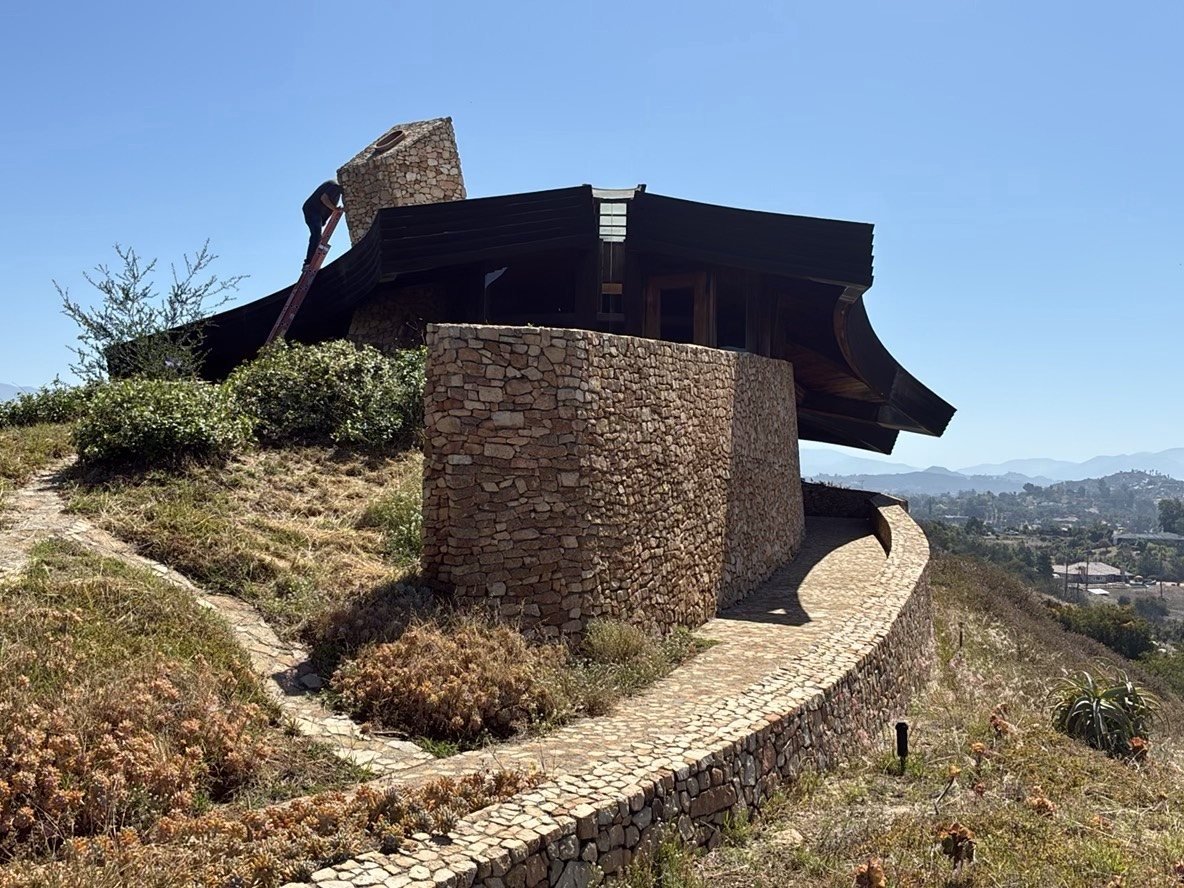
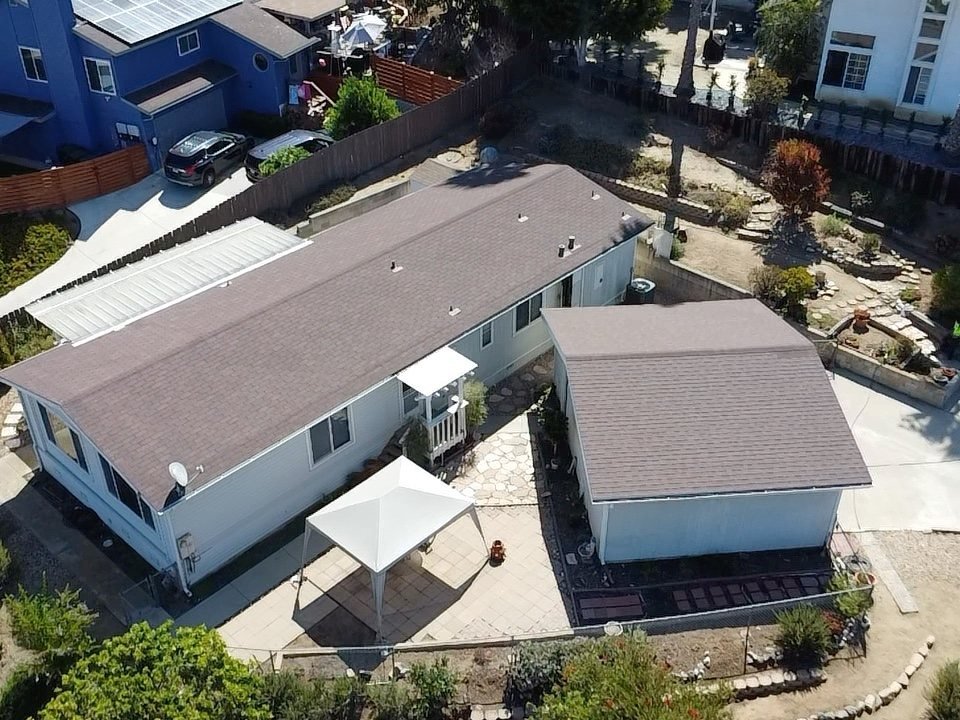
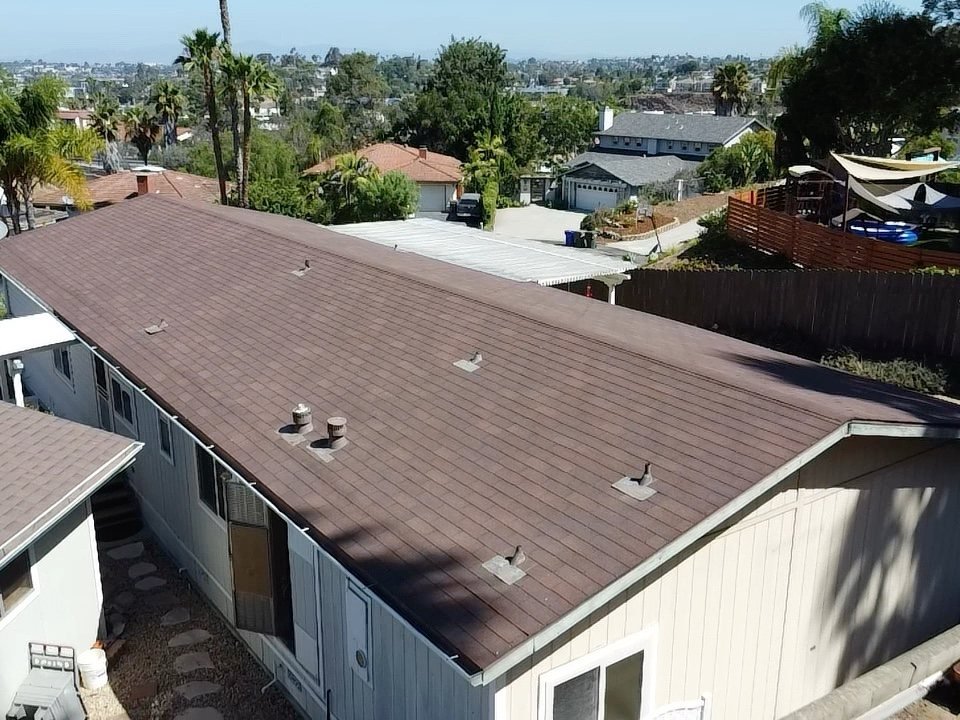
Large rooftops, handled
Flat and low-slope commercial roofs we access, document and maintain.
More inspections in San Marcos
- Seller inspection in San Marcos
- Warranty inspection in San Marcos
- Commercial inspection in San Marcos
- Pool and spa inspection in San Marcos
- Home inspection in San Marcos
Nearby and countywide
Were You Happy With Your Inspection?
We are proud of our 4.9-star rating across 100+ Google reviews. If Joseph and the team did right by you, a quick Google review helps other San Diego County buyers and sellers find us.