
Roof Inspection in San Marcos, CA
San Marcos roofs sit in an in-between climate, and that shapes how they wear. The newer hillside tracts climbing toward Double Peak and Discovery get hard afternoon sun and dry heat that ages a roof inland-fast, while the lower neighborhoods nearer the 78 corridor catch enough evening marine push to keep things from baking quite as hard. Then there are the student rentals around Cal State San Marcos, where roofs go years between anyone actually looking at them. A roof inspection sorts out where yours really stands instead of guessing from the install date on a permit card.
I'm Joseph Romeo. A roof inspection is a documented visual assessment of the roof covering and every part that keeps water off the structure — flashing, valleys, penetrations, vents, skylights, and the gutters and drainage that move runoff away from the building. I report condition, signs of leakage or aging, and remaining-life indicators, then point you to a licensed roofer for any repair or certification. I don't certify roofs and I don't bid the work, which is what keeps the read honest. This page walks the scope, the conditions particular to San Marcos's hillside lots and soils, and what keeps turning up on roofs here.
Call (619) 752-4399 Schedule an Inspection
What does the roof inspection reach on a San Marcos home?
I treat the roof as a water-management system, not a quick look at the field of shingles. On a San Marcos property I document each component with photos backing every note:
- The covering — composition (asphalt) shingle, concrete or clay tile, or a flat foam or modified-bitumen system. I record the material, rough age, any added layers, and the wear that shows up differently on each: thinning and granule loss on shingle, slipped or fractured pieces on tile, ponding and surface breakdown on foam.
- Flashing and roof-to-wall transitions — the metalwork at chimneys, sidewalls, and the many plane changes that come with San Marcos's stepped hillside floor plans, where water concentrates and leaks usually begin.
- Valleys — the channels where two slopes meet on the multi-gable tract homes, which collect debris and runoff and fail before the open field does.
- Penetrations and vents — plumbing stacks, flue caps, and attic venting, including the rubber boots that harden and split in the dry heat, plus whether vents are screened against embers on the wildland-edge parcels.
- Skylights — curb, glazing, and surrounding flashing, common on the open-plan newer construction up the hillsides.
- Gutters and drainage — whether runoff is carried clear of the building, which matters more here because of the slopes and the expansive soils underneath.
- Attic, where it's reachable — staining, daylight at penetrations, and the ventilation that keeps a deck from cooking from below.
What you get is a plain read on condition and remaining-life indicators. What you don't get from me is a roof certification or a repair quote — those belong to a licensed roofer, and I'll say when one is warranted.
What goes wrong with roofs on San Marcos hillsides?
San Marcos's terrain and building vintage drive a particular set of roof problems, and they're not the same ones you'd chase down on the coast:
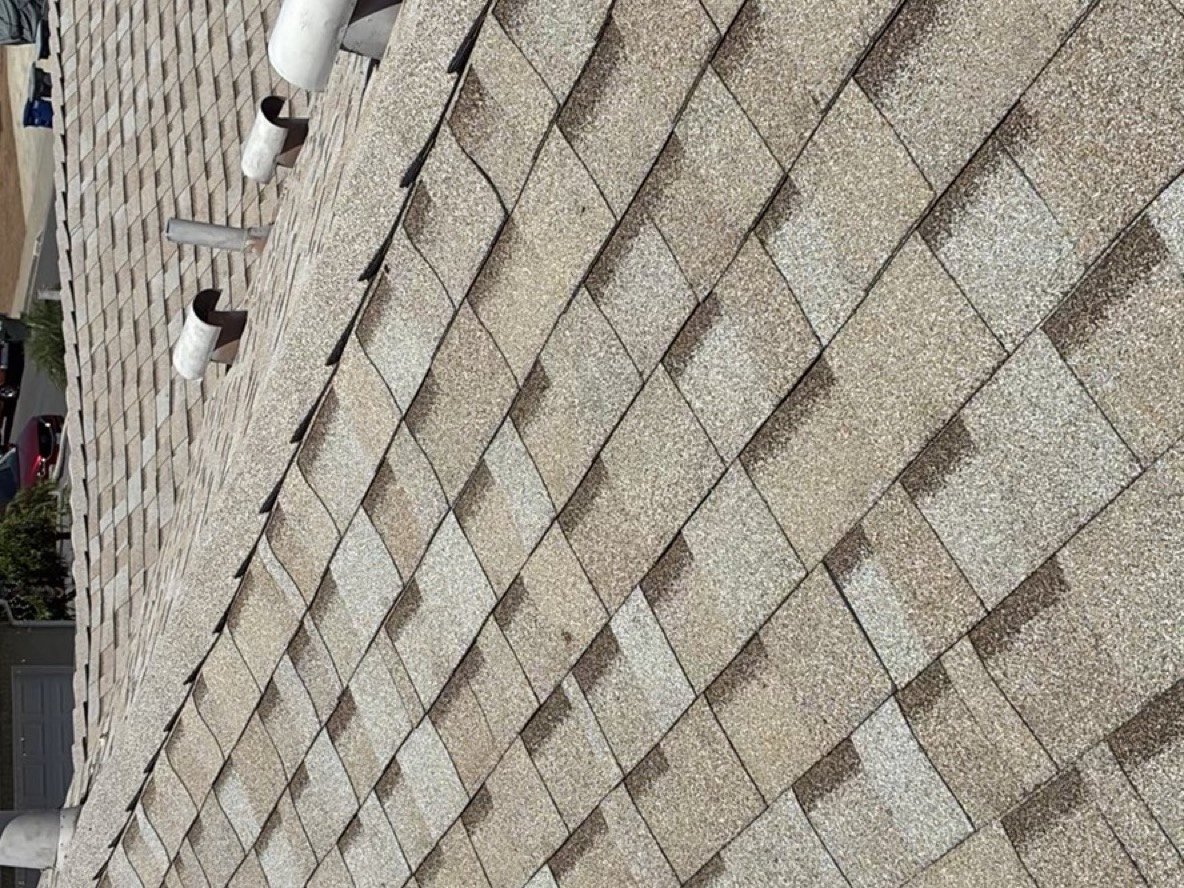
- Hillside exposure and sun angle: homes terraced up the San Marcos ridgelines often have slopes facing straight into the west and southwest afternoon sun with no shade and no marine cooling. Those faces lose granules, curl, and chalk well ahead of the shaded north slopes on the same roof, so wear reads unevenly across one structure.
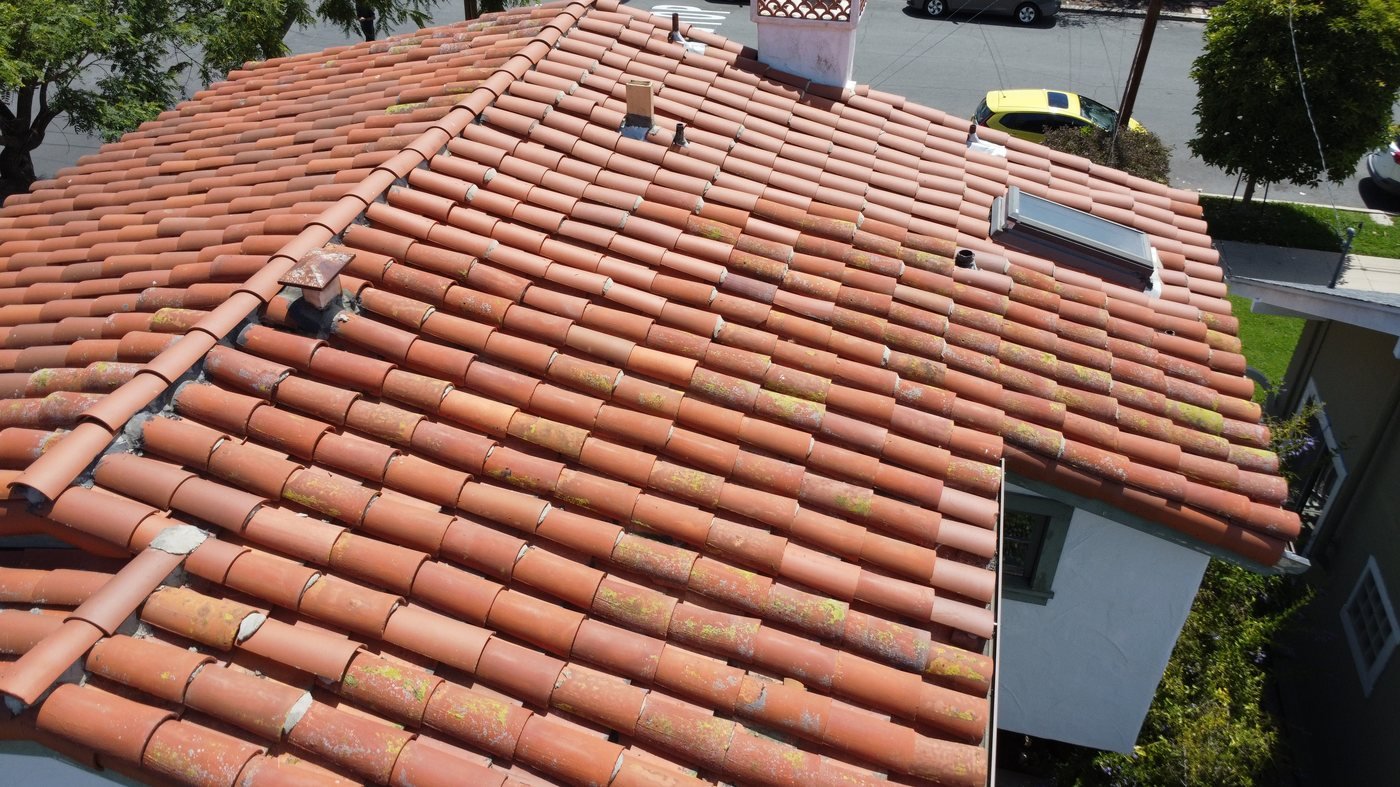
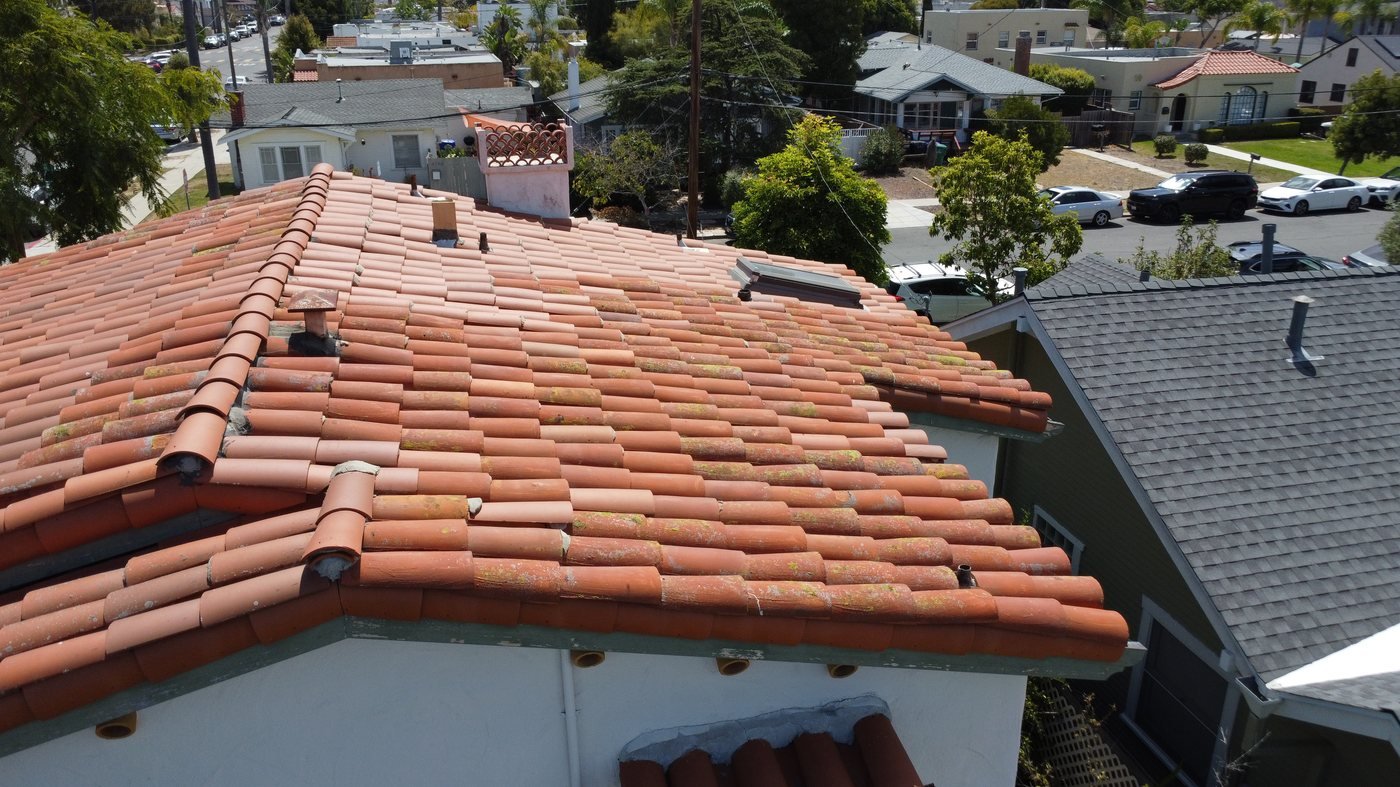
- Tile over aging underlayment: the master-planned tracts that built out the hillsides ran concrete and clay tile almost across the board. The tile itself lasts decades; the felt underlayment beneath it that actually sheds water doesn't, and once it dries and cracks in the heat, water passes intact-looking tile. I read what's happening under the tile, not just the surface.
- Expansive soil tied to roof drainage: the clay-bearing soils across much of San Marcos swell and shrink with moisture. Gutters and downspouts that dump runoff at the foundation feed that movement, so where the roof sends its water is part of a soil story, not just a roofing one — especially on a graded hillside pad.
- Student-rental wear near CSUSM: the rental stock around Cal State San Marcos tends to go long stretches with deferred roof attention — debris-packed valleys, patched-over leaks, and skylights nobody's resealed. These homes reward a careful look before purchase.
- Wildfire ember exposure on the edges: the WUI parcels along the open hillsides and canyon rims face wind-driven embers. Open or unscreened vents, gaps at the eaves, and litter caught in valleys are all entry points I flag specifically on those lots.
Which conditions repeat on San Marcos roofs?
Across the roofs I inspect here, a handful of findings come up again and again. Spotting them before an offer or a listing lets you handle them on your schedule rather than under contract pressure:
- Uneven sun-aging across one roof — west- and south-facing hillside slopes spent while the north faces still hold granules, on the same composition roof.
- Brittle underlayment beneath sound tile — serviceable tile sitting over felt at the end of its life, pointing toward a lift-and-relay rather than a tear-off, which a roofer should scope.
- Cracked and slipped tiles — breakage from prior foot traffic during solar, HVAC, or antenna work, leaving exposed underlayment over the living space.
- Hardened pipe boots and split flashing sealant — two of the most frequent active leak sources I find, regardless of covering, driven by the dry inland heat.
- Debris-loaded valleys and gutters — a drainage problem on the slopes and, on WUI-edge homes, an ember-collection problem, common on the deferred-maintenance rentals.
- Ponding and surface breakdown on flat foam — low spots holding water and UV-spent coating on flat sections that need recoating before the foam takes on moisture.
- Attic leak evidence — staining and prior patching at penetrations and valleys, often the first hard proof of a leak the roof surface hasn't shown yet.
None of these is a verdict by itself. I separate cosmetic wear from a condition actively letting water in or near end-of-life, and photograph each so the report stands on what I saw.
How does the inspection run, and what report do you get?
It starts with a call to (619) 752-4399 or an email with the San Marcos address. I'll ask the covering type and rough age if you know them, and whether this is a roof-only look or part of a fuller inspection — on a purchase it usually folds into the whole-house visit on one trip.
On site I assess the roof every way that's safe and useful for the slope and covering — walking it where the material and pitch allow, and working from a ladder at the eaves and from inside the attic where steep tile or fragile foam can't be safely walked on a hillside roof. I move through the covering, then the flashing, valleys, penetrations, vents, and skylights, then the gutters and drainage, and into the attic where access permits to check for leakage and ventilation. Every finding gets photographed.
You get a HomeGauge report documenting the roof's condition, the specific defects, and remaining-life indicators, with images behind each call — in most cases same day or next day, so you're not stalling an inspection contingency or a listing. Where something needs a specialist — a leak traced to flashing, underlayment near its end, ember-vulnerable venting — I say so plainly and point you to a licensed roofer. I report observed condition; I don't certify the roof or bid repairs, so the findings stay independent of anyone selling the fix.
Why do San Marcos owners and agents have me read the roof?
A roof report is only worth the judgment behind it — telling a roof with two years left from one with ten, or a cosmetic crack from a leak forming, takes experience with how the local stock actually fails. I'm an InterNACHI Certified Professional Inspector (CPI), and I hold a California CSLB General Contractor license (#1113143). That building background is what lets me tell you whether a flagged item is a spot repair or points toward a re-roof, and roughly what that path involves, before you bring a roofer in.
- 20+ years and 10,000+ inspections across San Diego County, including San Marcos's hillside tile tracts, the older stock near downtown and the university, and the WUI-edge homes on the open slopes
- 4.9 stars across 106 Google reviews
- Independent and conflict-free — I document the roof and report what's there; I don't sell roofing or certifications, so nothing in the report steers you toward work I'd profit from
When the roof needs a specialist's evaluation, repair, or a formal certification, I coordinate or refer a licensed roofer to act on the exact findings. Reach me directly at joe@sandiegohomeinspection.com or the number above.
Which related inspections suit San Marcos properties?
The roof is one system, and on most San Marcos visits it makes sense alongside a broader look at the house. I can line these up around a single trip:
- Full home inspection: the whole-house, buyer's-grade evaluation — start at the San Marcos home inspection hub if you're purchasing rather than only checking the roof
- 4-point inspection: the roof, electrical, plumbing, and HVAC summary an insurer may want documented together on an older San Marcos home
- Attic and ventilation evaluation: the underside of the roof you just had inspected, where moisture and airflow problems first surface
- Thermal / infrared imaging: reveals hidden moisture behind ceilings and walls where a roof leak has tracked but the surface hasn't shown it
- Foundation and grading review: worth pairing on a hillside lot, where roof runoff and the expansive soil interact at the pad
Not sure what your address needs? Send it over and I'll tell you what genuinely applies — see all inspection services we offer or get a quote through contact.
San Marcos Roof Inspection FAQs
What does a roof inspection cost in San Marcos?
Do you walk the roof or look from the ground?
My San Marcos tile roof looks perfect from the street. Why inspect it?
Can you certify my roof or say how many years it has left?
Does the hillside sun really age a San Marcos roof faster?
Does a roof inspection cover wildfire ember risk here?
Roofs we document
Aerial and on-roof photos from recent San Diego County roof inspections.
More inspections in San Marcos
- Sewer scope inspection in San Marcos
- 4-point inspection in San Marcos
- Thermal imaging in San Marcos
- Foundation slab survey in San Marcos
- Home inspection in San Marcos
Nearby and countywide
Were You Happy With Your Inspection?
We are proud of our 4.9-star rating across 100+ Google reviews. If Joseph and the team did right by you, a quick Google review helps other San Diego County buyers and sellers find us.