
Commercial Property Inspection in San Marcos, CA
San Marcos grew up fast, and its commercial buildings show two distinct generations side by side. Along San Marcos Boulevard and the Restaurant Row stretch you have older retail and pad buildings that have cycled through several tenants. Up by Cal State San Marcos and the University District, and out in the newer business parks off Bingham, Borden, and Rancho Santa Fe Road, the stock is far younger — tilt-up flex, light-industrial bays, and class-B office built into graded hillside pads. The age spread matters, because a 1980s strip center and a fifteen-year-old tilt-up fail in completely different ways.
I'm Joseph Romeo. I walk San Marcos commercial buildings personally and write every report myself — a Property Condition Assessment-style evaluation built on the ASTM E2018 framework, sized to what a buyer, 1031 investor, landlord, or incoming tenant needs before committing. The job is to document the building's systems and their remaining life with photos behind every line: roof, rooftop HVAC, electrical, plumbing, fire-life-safety, the envelope, and the site. This page lays out the scope, the San Marcos conditions I weigh hardest, and what I hand back. The San Marcos inspection hub covers residential if that's also on your plate.
Call (619) 752-4399 Schedule an Inspection
What gets walked on a San Marcos commercial building?
The walk covers every major building system, hands-on where it's safe. A commercial condition assessment is broader and far more system-by-system than a house inspection, because a retail pad or a flex-industrial bay is a stack of independent assemblies that wear out on their own clocks. On a San Marcos property I document, visually and hands-on where it is safe to do so:
- Roof and membrane — the low-slope TPO, modified-bitumen, or built-up systems carrying the boulevard retail and the business-park tilt-ups, plus parapet flashing, scuppers, internal drains, and ponding patterns the graded pads tend to hold
- Rooftop HVAC — the packaged RTUs serving most San Marcos commercial space, read for true age, refrigerant type, curb and economizer condition, and tonnage actually reaching each tenant suite
- Electrical service — service size and configuration, commonly three-phase in the light-industrial parks, with main switchgear, distribution and subpanels, and visible branch wiring
- Plumbing and water heating — supply and waste runs, commercial water heaters or boilers, grease-related drainage on the Restaurant Row tenancies, backflow assemblies, and restroom fixtures
- Fire and life-safety — visible sprinkler heads and risers, alarm panels, extinguishers, exit signage, and emergency lighting, reviewed visually rather than certified by a fire marshal
- Site, parking, and ADA — pavement, striping, drainage, and a visual read of accessibility path-of-travel, parking counts, and signage
- Building envelope and structure — tilt-up panels and joints, stucco, glazing, and visible framing and slab, read for movement and water intrusion
This is a visual assessment against ASTM E2018, not invasive or destructive testing. A Phase I Environmental Site Assessment and any engineered structural certification are separate scopes; when a San Marcos parcel calls for one, I say so and bring in the right licensed specialist.
Which San Marcos conditions earn extra time on the walk?
The way San Marcos was built — carved into hillsides, on soils that move, in an inland heat pocket — drives a specific short list I slow down on here:
- Expansive soil under graded hillside pads: much of San Marcos commercial development sits on cut-and-fill hillside lots over expansive clay. That soil swells and shrinks with the seasons, and on a building it reads as slab cracking in warehouse bays, separated tilt-up joints, heaved parking asphalt, and retaining-wall movement on the sloped sites. I trace these for the difference between cosmetic and structural.
- Inland heat on membranes and RTUs: San Marcos summers run hot and dry, well above the coast. Single-ply membranes chalk, shrink, and open at the seams faster here, and rooftop units cycle their compressors hard for years — usually the largest deferred-maintenance figure on the building, so I verify real-world wear, not just the data plate.
- Newer construction is not problem-free: a lot of the University District and business-park stock is young enough that owners assume it's fine. What I find instead is original-equipment RTUs reaching end of life all at once, builder-grade flashing details that leak, and first-generation tenant improvements done on the cheap.
- Restaurant Row grease and plumbing load: the San Marcos Boulevard restaurant cluster puts heavy demand on drainage, grease handling, exhaust, and make-up air. On a food-use tenancy I look hard at those systems and at the rooftop penetrations they add.
- Hillside site drainage: when North County rain arrives it arrives hard, and graded commercial pads channel a lot of it. Undersized roof drains, clogged scuppers, and slope draining toward the building turn into ponding and intrusion quickly.
What do I routinely turn up on San Marcos commercial properties?
Across boulevard retail, business-park flex, University District office, and mixed-use buildings, the findings cluster in repeatable ways. Knowing the pattern lets you price the risk into the deal rather than meet it after you close:
- Membranes living on patches — stacked repairs around drains, curbs, and parapets, blistered built-up sections, and ponding that the hillside pads hold longer than they should
- RTUs at or past service life — rusted cabinets, tired compressors, dead economizers, and undersized tonnage left behind by a prior tenant buildout, often with no maintenance log
- Tenant-improvement electrical — added subpanels, unlabeled circuits, and double-taps from layered buildouts that never reached a permit, plus panels with no working clearance
- Expansive-soil cracking across slabs, tilt-up joints, retaining walls, and parking fields on the graded hillside sites, separated cosmetic from consequential
- Fire and life-safety gaps — obstructed or painted sprinkler heads, expired extinguisher tags, and exit and emergency lighting that no longer functions
- Accessibility shortfalls — out-of-spec parking striping, missing van-accessible signage, and path-of-travel slopes a change of use will have to correct, all logged as visual observations
- Plumbing and backflow age on older boulevard parcels, plus grease and drainage strain on the restaurant tenancies
- Unpermitted buildouts — demised suites, added restrooms, and mezzanines with no paperwork behind them
I split the safety and big-ticket capital items from routine upkeep, so your team can build a credible repair-or-credit position instead of guessing at it.
How does the assessment run, and what report do you receive?
It starts with a call to (619) 752-4399 or an email with the address, building type, and rough square footage. A 25,000-square-foot tilt-up off Borden with three roof units is a different day than a 1,400-square-foot suite on San Marcos Boulevard, so I scope time and fee to the actual asset and your due-diligence clock. I line up roof access, tenant-suite entry, and any utilities-on needs ahead of the walk so nothing stalls on site.
I work the building system by system and get on the roof wherever it is safely reachable. You, your broker, partner, or lender's rep are welcome to walk it with me. Standing at the switchgear while I explain the three-phase service, or on the roof while I point out open seams and worn RTU curbs, tells you more than any spreadsheet line. It is also the right moment to sort the deal-breakers from the reserve items out loud.
The deliverable is a HomeGauge report with a photo on every finding, organized by building system, with safety and major capital items called out separately from routine maintenance. I turn it around same day or next day in most cases, formatted so your attorney, lender, and contractors can each pull what they need without a translator. It is an ASTM E2018-style condition assessment — not a Phase I ESA and not an engineered structural certification — and the report states that plainly.
Why do San Marcos buyers, investors, and brokers bring me in?
A condition assessment is only as good as the person reading the building. I'm an InterNACHI Certified Professional Inspector (CPI), and I also carry a California CSLB General Contractor license (#1113143). That contractor's license is what changes the conversation on a commercial deal: I have built and repaired the tilt-up roofs, three-phase services, and rooftop mechanical systems I'm evaluating, so when I flag a finding I can tell you whether it is a maintenance line or a six-figure capital event.
- 20+ years and 10,000+ inspections across San Diego County, including San Marcos's boulevard corridor, the University District, and the Bingham, Borden, and Rancho Santa Fe Road business parks
- 4.9 stars across 106 Google reviews
- Independent and conflict-free — I assess the building's condition and do not bid the repairs, so nothing in the report is steered toward selling you work
Investors and landlords send repeat work because the reports hold up in a price negotiation without blowing up the deal. For environmental, structural-engineering, or termite/WDO scopes, I coordinate or refer the right licensed specialist rather than pretend a walkthrough covers it. Reach me directly at joe@sandiegohomeinspection.com or the number above.
Which related inspections suit San Marcos commercial properties?
The condition assessment covers the building's systems. Depending on the asset and your due-diligence list, a focused add-on or a coordinated specialist often earns its keep, and I can line these up around the same visit:
- Roof-only deep dive: a closer read on a large multi-section membrane and rooftop equipment loads when remaining life is the central question on a business-park tilt-up
- Thermal / infrared imaging: for hidden roof moisture, envelope leaks, and overheating connections in a three-phase panel
- Sewer scope: a camera down the lateral on older boulevard and Restaurant Row parcels where original lines hide grease buildup, root intrusion, and offsets
- Phase I Environmental Site Assessment: a separate environmental scope I coordinate with a qualified firm — standard on industrial and former auto-use parcels
- Structural / engineering evaluation: referred to a licensed engineer when a tilt-up panel, mezzanine, retaining wall, or expansive-soil question outruns a visual review
- Termite / WDO inspection: coordinated through a licensed pest-control company when your lender or contract requires a clearance
- Residential home inspection: for the small multi-family and mixed-use buildings near campus that straddle the line between commercial and residential
Not sure which apply to your address? Send it over and I'll tell you what is genuinely worth doing before you spend on any of it.
San Marcos Commercial Property Inspection FAQs
What does a commercial property inspection in San Marcos cost?
Is this the same as a Phase I Environmental Site Assessment?
San Marcos sits on hillside and expansive soil. How does that affect a commercial building?
Can you inspect a San Marcos business-park flex or warehouse building?
Do you certify ADA or fire-life-safety compliance for a commercial building?
Who attends the inspection, and how fast is the report?
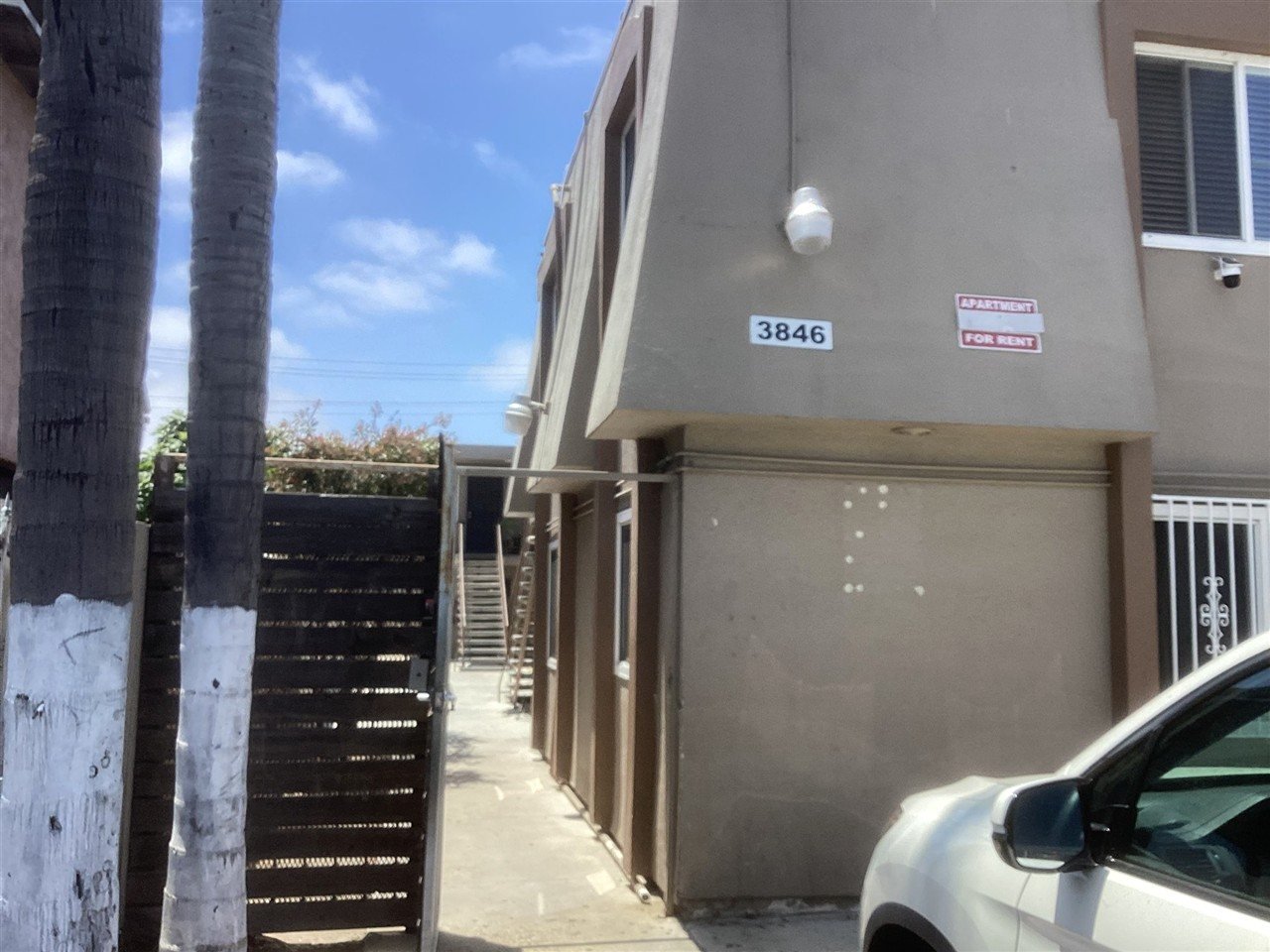
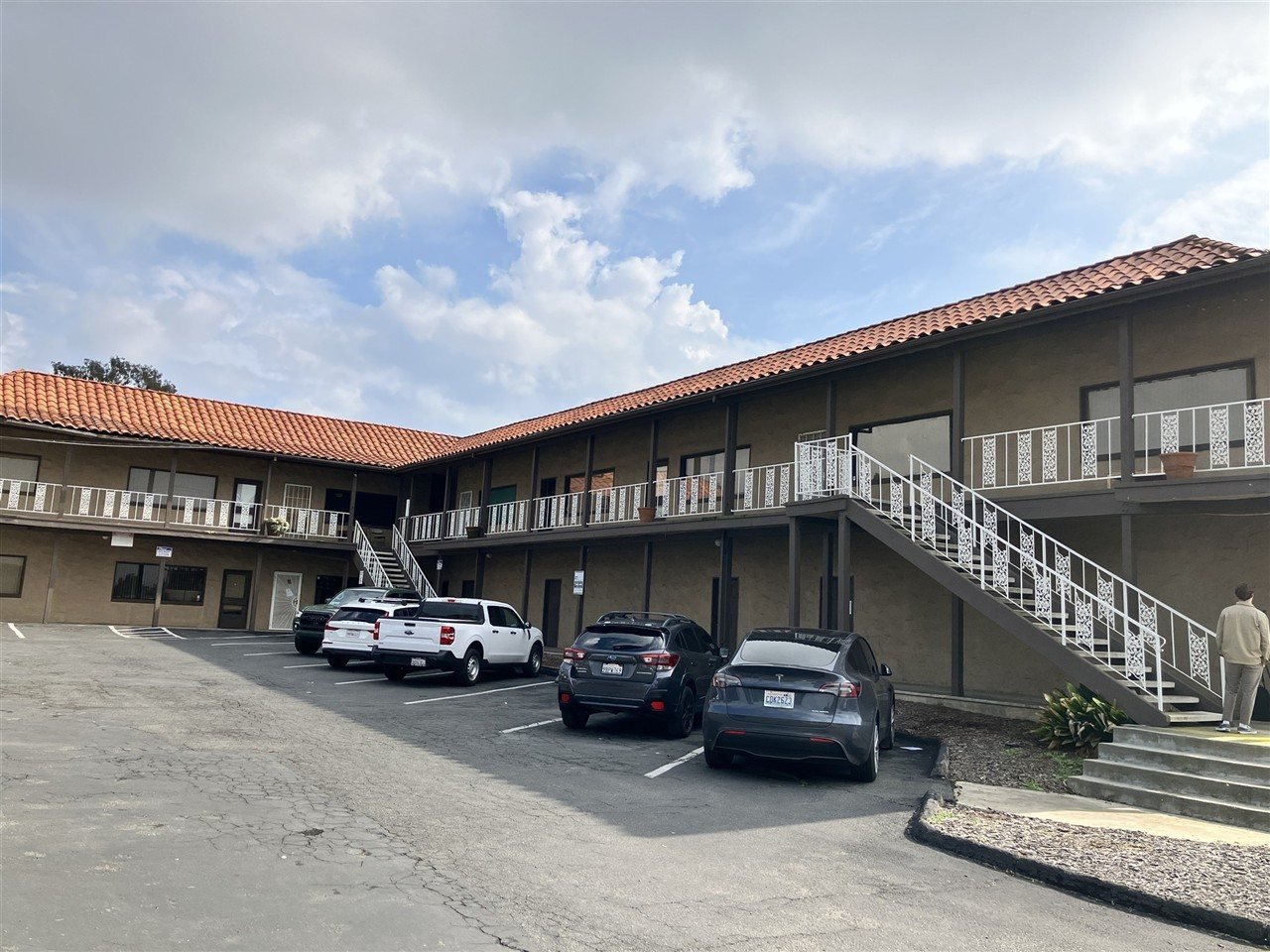
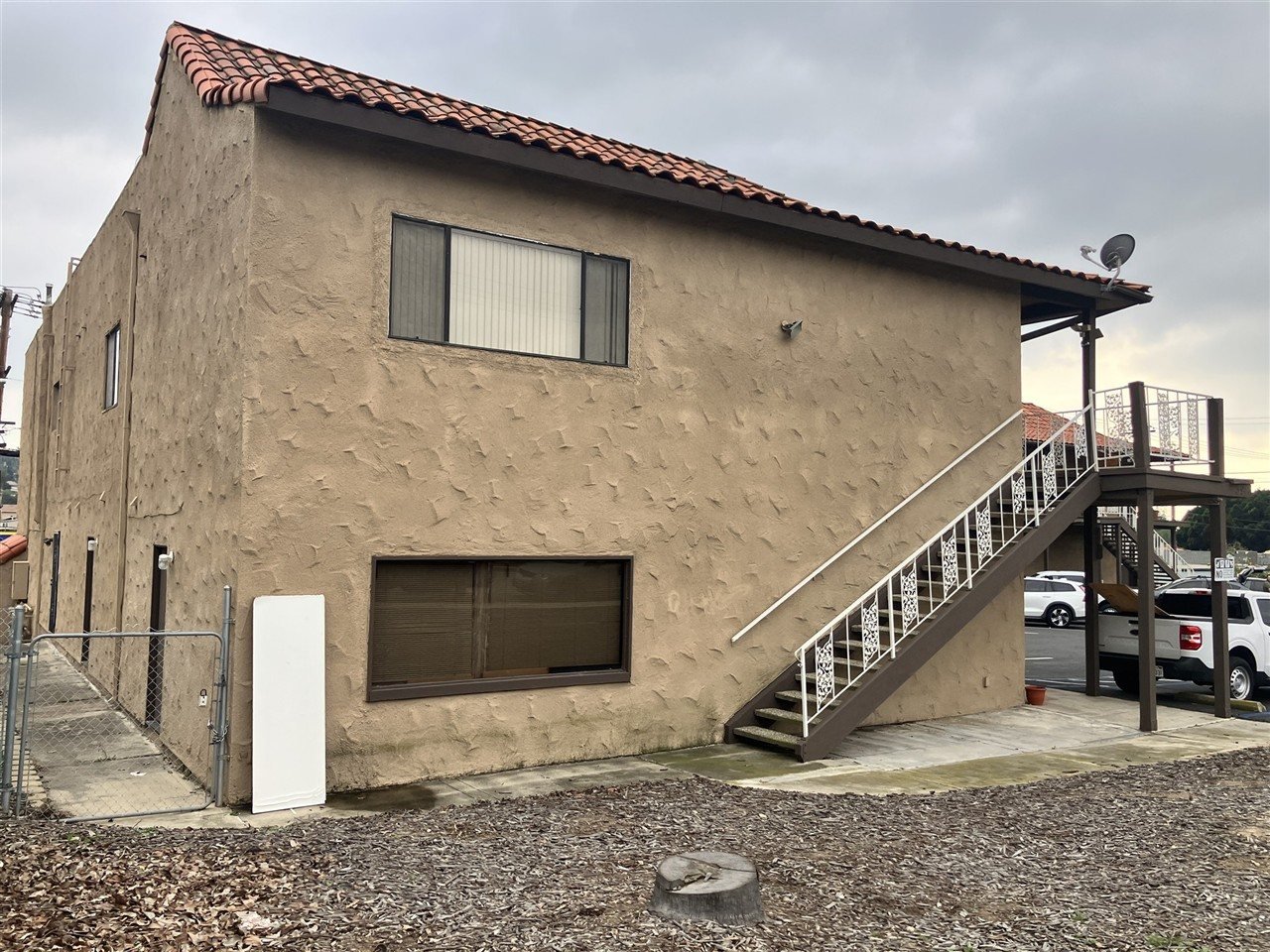
Multi-unit experience
Commercial and multi-unit properties we have inspected across San Diego County.
More inspections in San Marcos
- SB 721 balcony inspection in San Marcos
- SB 326 balcony inspection in San Marcos
- SB 721 exemption letter in San Marcos
- Seller inspection in San Marcos
- Home inspection in San Marcos
Nearby and countywide
Were You Happy With Your Inspection?
We are proud of our 4.9-star rating across 100+ Google reviews. If Joseph and the team did right by you, a quick Google review helps other San Diego County buyers and sellers find us.