
Seller's Pre-Listing Inspection in San Marcos, CA
San Marcos sells fast, but speed cuts both ways. A home can draw multiple offers in a weekend and still lose thousands a month later, when the buyer's inspector climbs onto the roof and writes up things you never knew were there. By then you've accepted an offer, the appraisal is in, and every flagged item is leverage on the buyer's side of the table. A seller's pre-listing inspection moves that moment forward: I inspect your home before it goes on the MLS, so the report that normally arrives mid-escrow is in your hands while you still set the terms.
I'm Joseph Romeo, and I've inspected homes across San Marcos for more than two decades — the hillside builds up in San Elijo Hills, the master-planned tracts around Discovery and Twin Oaks Valley, the older ranch homes near the original town center, and the rental-heavy blocks circling Cal State San Marcos. This is a full inspection run to the same InterNACHI Standards of Practice a buyer would order, just timed for the seller. You decide what to repair, what to disclose, and how to price — before a buyer's report makes those decisions for you. This page walks through scope, the San Marcos conditions that shape it, what I keep finding, and how the report works.
Call (619) 752-4399 Schedule an Inspection
What does a seller's pre-listing inspection include in San Marcos?
Nothing about this is a lighter version of a buyer's inspection — it's the identical roof-to-foundation walk, run on your schedule rather than after an offer. I document every readily accessible system the way a buyer's inspector will, so their later report holds no surprises:
- Roof and exterior — covering, flashing, and remaining life, plus the grading and lot drainage that carry real weight on San Marcos's graded hillside pads.
- Foundation and structure — post-tension and conventional slabs, visible cracking, and movement read against the expansive clay common across the valley floor and cut-and-fill hillsides.
- Electrical — service panel, breakers, grounding, and branch wiring, including the GFCI and AFCI coverage buyers' inspectors expect on newer builds.
- Plumbing — supply and drain materials, water heater, fixtures, and any visible leaks or corrosion.
- HVAC — furnace and air conditioning age and operation, which matters given how hard inland San Marcos summers lean on cooling.
- Interior, attic, and ventilation — windows, ceilings, insulation, and the attic, where roof and moisture stories usually surface.
What changes is timing and audience, not coverage. The report reaches you first, with photos and plain-language condition notes — I record what I observe, and I don't bid or perform the repairs.
Which San Marcos property conditions does a buyer's inspector target?
Which findings can stall a San Marcos sale depends heavily on where in the city your home sits and when it was built. These are the local realities worth getting ahead of:
- Hillside pads and cut-and-fill lots: Much of San Marcos is built into grade — San Elijo Hills, the slopes off Twin Oaks Valley Road and Las Posas. Buyers' inspectors scrutinize retaining walls, downhill drainage, and any settlement on fill, because water and slope problems are expensive to chase later.
- Expansive clay soil: The valley's clay swells and shrinks with the wet-and-dry cycle, stressing slabs and flatwork. It shows as hairline foundation cracks, sticking doors, and sloped floors a buyer's report will photograph and price against you.
- Newer construction that still has issues: A lot of the city's stock is 2000s-and-later. Buyers assume new means flawless, so inspectors hunt for builder shortcuts — missed flashing, grading too close to stucco, incomplete attic insulation — and any one of them dents a "like-new" listing.
- CSUSM rental wear: Homes near Cal State San Marcos that have run as student rentals carry deferred upkeep — tired HVAC, abused fixtures, fences and decks past their prime — that a buyer's inspector tallies fast.
- Inland heat on roofs: San Marcos sun ages composition shingles faster than the coast, so a roof can read shorter on remaining life than its years suggest — a reliable renegotiation lever.
What do I keep finding before San Marcos homes reach the market?
Across pre-listing visits here, a consistent set of items recurs — and each one is far easier to handle now than as a buyer's repair demand mid-escrow:
- Slab and flatwork cracking — clay-soil movement that reads alarming to a buyer until it's documented and explained as cosmetic versus active.
- Drainage aimed at the house — on hillside lots, grading and downspouts sending water toward the foundation instead of away, a cheap fix now and a red flag later.
- Retaining wall and slope issues — leaning walls, missing weep holes, or erosion below graded pads that buyers and their agents take seriously.
- Builder-grade misses on newer homes — reversed-slope grading, gaps in attic insulation, and flashing left short, the small construction shortcuts that undercut a newer listing.
- Heat-worn roofs — shingles thinned by inland sun, or tile with failing underlayment, where remaining life drives the talk.
- Deferred maintenance on rentals — worn HVAC, dated water heaters, and abused fixtures common on CSUSM-area homes.
Seeing these first means you choose the response — fix it, get a bid to share, or disclose and price it in — rather than reacting after you've lost negotiating ground.
How does the inspection run, and how do you use the report?
It opens with a call to (619) 752-4399 or an email with your San Marcos address and target list date. The aim is to inspect with enough runway to act on anything found — ideally a few weeks before listing, and before you've spent on staging or paint, since you'd rather learn about a roof or a retaining wall first.
On site I work the home top to bottom the way a buyer's inspector will: up on the roof and into the attic, at the panel and water heater, through every room, and around the exterior, slopes, and drainage. I point things out as I go and separate what a buyer is likely to seize on from what's genuinely minor, so you leave with context, not just a list.
The deliverable is a HomeGauge report with photos and clear condition notes, usually same day or next day, ready before your listing goes live. Hand it to your agent to price accurately, share a clean copy with buyers to build trust and head off lowball repair requests, and use the punch list to line up contractors on your own clock. I report observed condition only — I don't perform or bid the work — which is exactly what keeps the report credible to a wary buyer. Where an item needs a specialist, I'll say so and coordinate the right licensed pro.
Why do San Marcos sellers have me write the report?
A pre-listing report is only as good as the judgment behind it — knowing which clay-soil crack is cosmetic, which retaining wall is actually a problem, and which roof has real life left is what keeps you from over-disclosing or under-pricing. I'm an InterNACHI Certified Professional Inspector (CPI) and I hold a California CSLB General Contractor license (#1113143). That builder's background is the part sellers value most: when I flag something, I can tell you what addressing it actually involves and roughly how a buyer will weigh it, so repair-versus-disclose is a decision you make with real footing.
- 20+ years and 10,000+ inspections across San Diego County, including San Marcos's San Elijo Hills, the Discovery and Twin Oaks Valley tracts, and the older homes near the original town center.
- 4.9 stars across 106 Google reviews.
- Independent and conflict-free — I don't sell repairs, so nothing in the report steers toward work I'd profit from; it's an honest baseline you can stand behind with a buyer.
When a finding calls for a specialist before you list, I coordinate or refer the right licensed trade rather than pretend the inspection covers it. Reach me directly at joe@sandiegohomeinspection.com or the number above.
Which related inspections should you pair with your San Marcos listing?
The pre-listing inspection covers the whole home, but a few add-ons answer questions San Marcos buyers raise — and clearing them up front keeps escrow from stalling. I can line these up around the same visit:
- Sewer scope: a camera down the buried main lateral the standard inspection can't see inside — mature trees and clay soil crack and invade older lines, and a failed lateral is a classic late-escrow killer.
- Thermal / infrared imaging: surfaces hidden moisture and electrical hot spots behind walls before a buyer's inspector finds the stain.
- Roof-focused inspection: a closer read on remaining life when the main walk shows a roof worn thin by inland sun.
- Pool & spa inspection: for the backyard pools common on hillside lots, so the buyer isn't the one to discover an equipment issue.
- 4-point inspection: a narrower follow-on if a buyer's insurer asks for one on an older San Marcos home.
Not sure what your listing needs? Send the address and your timeline, and I'll tell you which of these genuinely apply — see all inspection services we offer or get a quote through contact.
San Marcos Seller's Pre-Listing Inspection FAQs
What does a seller's pre-listing inspection in San Marcos cost?
Why inspect before listing in San Marcos's fast market?
Is a pre-listing inspection the same scope as a buyer's?
My San Marcos home is newer. Do I still need this?
Do I have to fix everything the inspection finds before listing?
Do you check retaining walls and slope drainage?
Pre-listing documentation
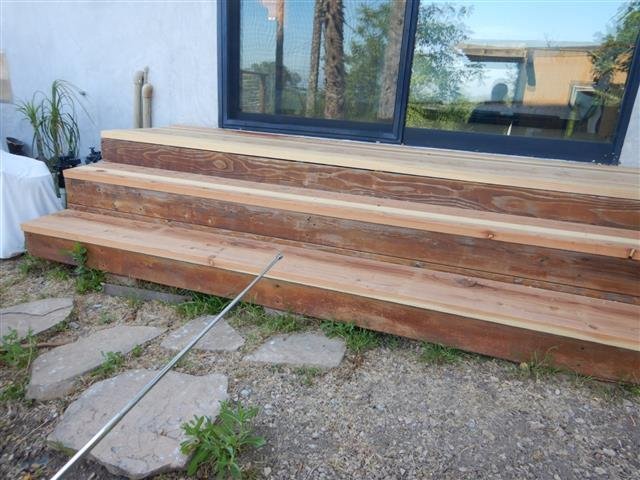
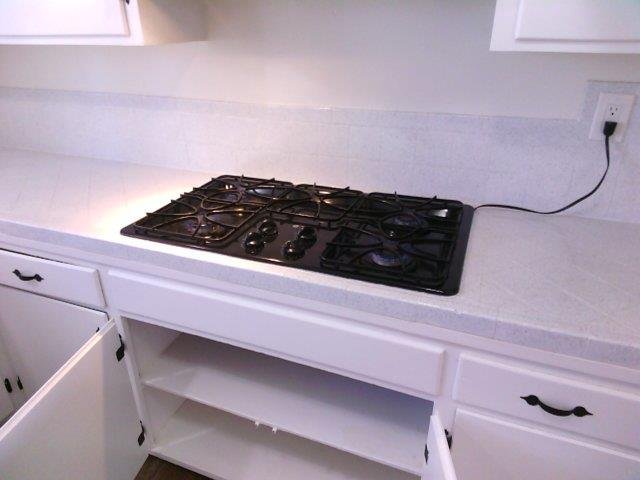
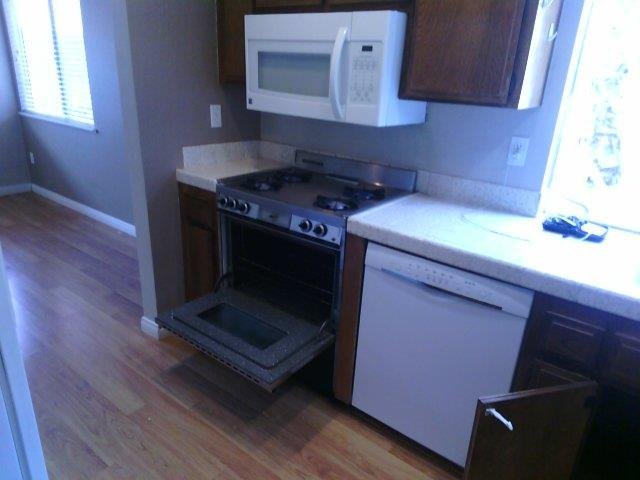
Pre-listing inspection photos from across San Diego County.
More inspections in San Marcos
- Pool and spa inspection in San Marcos
- Sewer scope inspection in San Marcos
- 4-point inspection in San Marcos
- Roof inspection in San Marcos
- Home inspection in San Marcos
Nearby and countywide
Were You Happy With Your Inspection?
We are proud of our 4.9-star rating across 100+ Google reviews. If Joseph and the team did right by you, a quick Google review helps other San Diego County buyers and sellers find us.