
Pool & Spa Inspection in San Marcos, CA
San Marcos pools sit on a city built into hillsides, and that shapes what goes wrong with them. The newer rooftops climbing the slopes above San Elijo Hills, Discovery, and the grades off Twin Oaks Valley Road came with pebble pools and spa spillovers engineered onto cut-and-fill lots — great views, but a deck and shell riding ground that was reworked to make the lot buildable. Down in the older flats near downtown and along the Richland and Las Posas corridors, you find plaster pools from the 70s and 80s that have already been resurfaced once or twice. And with Cal State San Marcos anchoring a big rental market, plenty of these pools have spent years under tenant care rather than an owner's, which the equipment pad usually tells you fast.
I'm Joseph Romeo, and I inspect the pool and spa myself, on the same trip as the house or on its own. This is a visual evaluation of the shell, deck, equipment, electrical safety, and the barriers that keep a child away from the water — not a chemistry balance and not a pressurized leak test. For the whole-property view, the San Marcos home inspection hub ties it together. Here I'll lay out what gets walked, the San Marcos-specific items I lean on hardest, and what tends to surface in this market.
Call (619) 752-4399 Schedule an Inspection
What does a San Marcos pool & spa inspection cover?
A pool and spa inspection records the visible, accessible condition of the structure, the equipment that runs it, and the safety systems around it. On a San Marcos property I document:
- Shell and interior finish — plaster, pebble, or quartz read for cracking, delamination, hollow areas, etching, and staining, including the bond-beam line where a hillside pool's shell takes movement
- Deck, coping, and waterline tile — the surrounding deck for cracking and settlement, the coping cap for separation and loose stone, and the tile for popped or drummy pieces
- Visible circulation plumbing — skimmers, returns, valves, and the pipe runs I can see at the pad, observed for leaks and corrosion (visual review only, never a pressurized leak test)
- Pump, filter, and heater — the equipment that moves and conditions the water, evaluated for age, condition, leaks, and operation, plus automation and a salt cell where one is fitted
- Electrical bonding and GFCI protection — the equipotential bond grid and ground-fault protection on the pump and pool lighting, the single most safety-critical part of the walk
- Safety barriers, fencing, and gates — the enclosure, self-closing and self-latching gates, and door alarms measured against California drowning-prevention rules
- Anti-entrapment drain covers — compliant, unbroken main-drain covers meeting the federal VGB anti-entrapment standard
Balancing the water chemistry and running a pressurized leak-detection test are separate specialist scopes. Where the evidence points that way on your San Marcos pool, I say so and recommend a licensed pool specialist instead of guessing.
What do San Marcos hillsides and soil do to a pool?
This city's terrain and how its lots were graded drive a specific short list of pool problems. These are the items that earn extra time on a San Marcos walk:
- Cut-and-fill hillside lots: a huge share of San Marcos pools sit on engineered pads carved into the slope. Where a pool straddles the transition between native cut soil and compacted fill, I watch the shell, bond beam, and deck for the differential cracking and coping separation that settlement on a hillside lot produces.
- Expansive soil under the deck: the clays under much of San Marcos swell and shrink with the seasons. Around a pool that reads as heaved decking, settled walkways, lifted coping, and cracking that has to be sorted into cosmetic versus structural — not assumed either way.
- Inland heat and tired plaster: San Marcos summers run hotter and longer than the coast, aging plaster and pebble faster and baking the equipment pad. On the older flats I find finishes well past their resurface window and heaters that have cycled against triple-digit afternoons for years.
- Rental-stock wear: with CSUSM driving a deep rental market, many of these pools were maintained to a tenant's standard. The pad usually shows it — deferred equipment, improvised repairs, and barriers nobody kept up.
- HOA and community pools: the master-planned tracts here — San Elijo Hills and similar — pair private backyard pools with shared community pools that carry commercial-grade barriers and VGB rules. When that's in the picture, I scope it differently and tell you what's the association's versus yours.
- Salt-chlorine corrosion: where a salt system has been added, I look for the accelerated wear it drives on heater parts, fasteners, and nearby metal.
What do I commonly find on San Marcos pools?
Across this housing stock the write-ups cluster in predictable ways. Spotting the pattern before you sign lets you budget or negotiate instead of meeting it the week after escrow:
- Worn or failing interior finish — etched, hollow, rough, or stained plaster and pebble on pools past their resurface window under the inland sun
- Differential deck and coping cracking — cracked decking, separated coping, and trip hazards traced to expansive soil and hillside cut-and-fill settlement
- Incomplete or broken equipotential bonding — the safety bond grid interrupted, corroded, or never reconnected after an equipment swap, a genuine shock hazard
- Missing GFCI protection — pump and pool-light circuits with no ground-fault protection on older San Marcos installations
- Non-VGB drain covers — flat, cracked, or out-of-date main-drain covers that no longer meet anti-entrapment requirements, one of the most dangerous common findings
- Barrier gaps — gates that don't self-close or self-latch, fencing with climbable low spots, and missing alarms on the slider out to the pool
- Deferred, sun-cooked equipment — pumps short-cycling or running loud, heaters scaled or rusted, and filters bypassing, often on rental-stock pools with no maintenance record
- Retrofit spas and water features plumbed or bonded improperly when added onto an existing pool
None of this is automatically a deal-breaker. I separate the safety items and big-ticket repairs from routine upkeep so your numbers reflect what actually drives cost.
How does the inspection run, and what report do you get?
It starts with a call to (619) 752-4399 or an email with the address and a note that there's a pool or spa, so I block the right time. For full access the equipment should be powered and the pad reachable — if a gate code, an equipment-room lock, or a safety cover is in the way, tell me ahead so nothing has to be deferred.
You're welcome to walk the pool with me. Standing at the equipment pad while I show you a broken bond clamp, or at the gate while I demonstrate why it won't latch on its own, tells you more than any line in a PDF. It's also the right moment to talk through which findings are safety items to fix now and which are maintenance to plan around.
The deliverable is a HomeGauge report with a photo on every finding, plain-language notes, and a summary that pulls the safety-critical items — bonding, GFCI, barriers, and anti-entrapment drain covers — out of the routine wear. I turn it around same day or next day in most cases, organized so you can lift repair requests straight out or hand the equipment items to a pool contractor without translation. It's a visual condition report: I don't pressure-test buried plumbing or balance chemistry, and the report says so and tells you when to bring in a pool specialist.
Why do San Marcos buyers and agents hire me?
A pool inspection is only as good as the person reading the system. I'm an InterNACHI Certified Professional Inspector (CPI) and I hold a California CSLB General Contractor license (#1113143). That contractor's background is the difference at the equipment pad and the bond grid: I've installed and repaired the systems I'm evaluating, so when I flag something I can tell you whether it's a weekend fix or a resurface-and-re-equip job measured in thousands.
- 20+ years and 10,000+ inspections across San Diego County, including San Marcos's hillside tracts above San Elijo and its older pools down in the flats
- 4.9 stars across 106 Google reviews
- Independent and conflict-free — I assess the pool's condition and don't bid or perform the repairs, so nothing in the report is steered toward selling you work
For pressurized leak-detection, water chemistry, or a structural-shell question that needs an engineer, I coordinate or refer the right licensed pro rather than pretend a visual walkthrough covers it. Reach me directly at joe@sandiegohomeinspection.com or the number above.
Which related inspections suit San Marcos homes with pools?
A pool rarely travels alone. On most San Marcos visits the pool inspection pairs with the broader work on the house, and I can line these up around one trip:
- Full home inspection: the whole-house evaluation the pool inspection complements — roof, electrical, plumbing, HVAC, and structure — start at the San Marcos hub
- Foundation and slab evaluation: high value on the same expansive soil and hillside fill that cracks the pool deck and coping
- Sewer scope: a camera down the lateral on older San Marcos parcels and on hillside lots where line offsets and root intrusion hide
- Thermal / infrared imaging: reveals hidden moisture and overheating connections, useful around pool-equipment circuits, spa additions, and water features
- Roof inspection: a focused read on sun-beaten San Marcos roofs aging under the same inland heat that wears the pool plaster
- Pool leak detection and chemistry: the pressurized test and water balancing I don't perform — I recommend and coordinate a licensed pool specialist when the evidence calls for it
Not sure what your address needs? Send it over with a note on what's in the backyard and I'll tell you which of these genuinely apply before your contingency closes.
San Marcos Pool & Spa Inspection FAQs
What does a pool and spa inspection cost in San Marcos?
Do you pressure-test the plumbing or balance the chemistry?
How does the San Marcos hillside terrain affect the pool inspection?
Why do you check the bonding, GFCI, and drain covers so closely?
Can you inspect a community or HOA pool in San Marcos?
Should the pool equipment be running during the inspection?
Pools and equipment
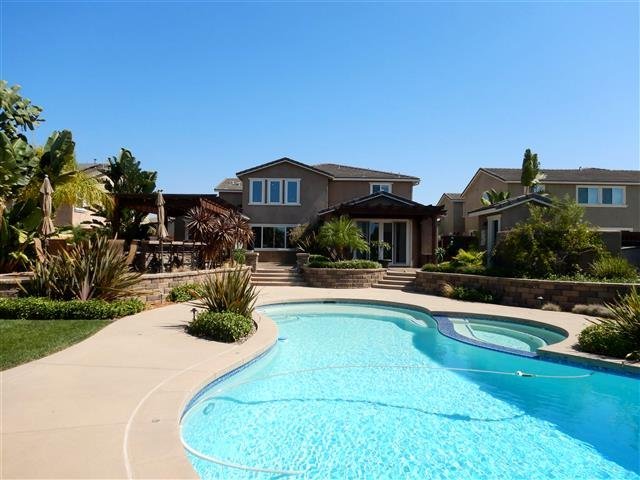
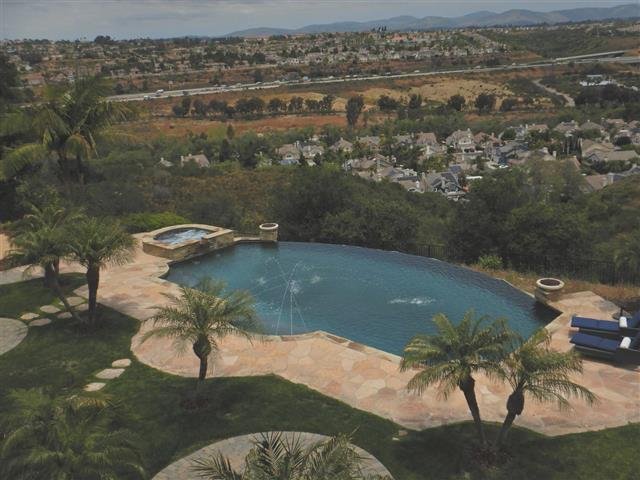
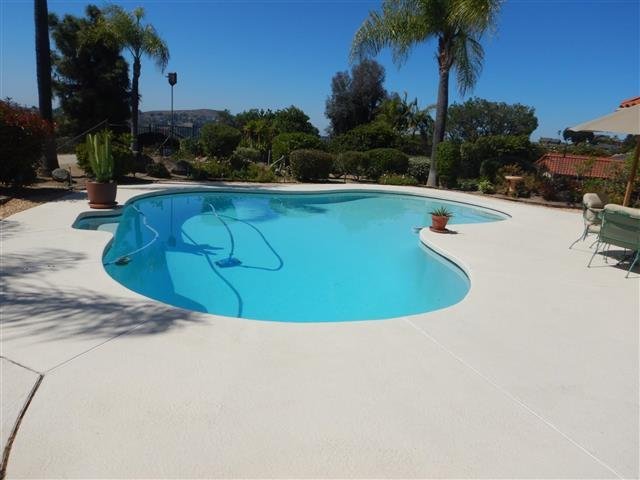
Pools, spas and equipment photographed during recent inspections.
More inspections in San Marcos
- Commercial roof cleaning in San Marcos
- Commercial inspection in San Marcos
- Sewer scope inspection in San Marcos
- 4-point inspection in San Marcos
- Home inspection in San Marcos
Nearby and countywide
Were You Happy With Your Inspection?
We are proud of our 4.9-star rating across 100+ Google reviews. If Joseph and the team did right by you, a quick Google review helps other San Diego County buyers and sellers find us.