
SB-721 Balcony Inspection in San Marcos, CA
San Marcos sits up in the hills of north county, and a lot of its rental housing climbs right up those slopes — stepped apartment buildings along Twin Oaks Valley Road, the dense student-housing complexes ringing Cal State San Marcos, and the newer wood-framed podium projects that filled in around the San Marcos Creek District and University District over the last decade. If you own or manage any building here with three or more dwelling units, California's SB-721 law applies to the exterior elevated elements your residents use every day: the balconies, decks, exterior stairs, landings, and elevated walkways set more than six feet off the ground.
An SB-721 inspection is a structural-safety review of those load-bearing elements and the waterproofing that keeps them sound. It is not a real-estate home inspection — it produces a compliance report you keep on file and hand to the City of San Marcos when asked. The first inspection came due January 1, 2026 after AB 2579 reset the original date, and it repeats on a six-year cycle. We carry out the visual inspection, add intrusive testing where the evidence warrants it, and classify every element as safe or unsafe with photographs. The repair design and any structural certification belong to a licensed engineer or contractor, not to us.
Call (619) 752-4399 Schedule an Inspection
What does an SB-721 inspection cover on a San Marcos property?
The code calls the target Exterior Elevated Elements (EEE): the wood-framed, weight-carrying components that extend off a building more than six feet above the surface below. Walking a San Marcos apartment property, here is what falls inside the inspection:
- Unit balconies and shared decks — we look at the framing, the ledger where the balcony fastens to the wall, any support posts, and the walking-surface membrane meant to keep water away from the wood.
- Exterior stairways — the open stair runs serving upper-floor units on hillside buildings, including the stringers and how they anchor back into the structure at top and bottom.
- Landings and elevated breezeways — the entry platforms and the second- and third-story walkways that thread the larger student-oriented complexes near campus together.
- Guardrails and handrails — tested for solid attachment and resistance to load, because the rail is the last barrier between a tenant and a drop.
- Weatherproofing systems — flashing, deck coatings, sealant joints, and drainage paths, all inspected alongside the structure because water getting past them is what eventually destroys the framing.
SB-721 calls for a visual inspection across a representative sample of each element type so the findings stand in for the whole building. Where the visual read points to trouble, the law permits opening a section to confirm what is happening inside the assembly. Each inspected element gets a safe-or-unsafe classification backed by photos.
How do San Marcos terrain and wood-frame stock shape EEE risk?
What fails a balcony in San Marcos is a different mix than what fails one on the coast. The city's hillside grading, its clay-heavy soils, and the rapid pace of its recent apartment construction each leave a mark we account for on every visit:
- Expansive clay soils that move: Much of San Marcos sits on expansive soil that swells when wet and shrinks when it dries, and that seasonal heave shifts foundations and slabs just enough to work stair connections, post bases, and ledger attachments loose over time — opening the small gaps that later channel water into the wood.
- Hillside drainage and downhill exposure: Buildings stepped into the slopes catch runoff and shed it across landings and stair runs. Where decks and walkways pitch even slightly toward the structure, water pools against framing instead of draining clear.
- Newer construction is not exempt: A lot of owners assume a building from the 2000s or 2010s is too new to worry about. It isn't — elastomeric deck coatings and sealant joints on these podium and garden complexes have a service life measured in years, and on the ten-to-twenty-year-old stock around the University District they are reaching the end of it now.
- Hot, dry inland summers: San Marcos runs hot and dry away from the marine layer, and that heat cycling checks and cracks deck membranes and bakes sealants brittle, opening the seams that the winter rains then exploit.
- Heavy student-tenant turnover: The CSUSM rental complexes see constant traffic on balconies and exterior stairs, and that wear accelerates coating breakdown and loosens railings faster than a quiet owner-occupied building would.
Which conditions do we turn up most often in San Marcos?
Across the multifamily buildings we inspect in this part of north county, a handful of defects keep surfacing on the elevated elements. Knowing them before the deadline lets an owner budget the repair instead of reacting to a fail:
- Ledger water intrusion: at the joint where a balcony meets the wall, tired flashing lets water slip behind the membrane and rot the ledger — the exact concealed failure SB-721 exists to catch before a balcony lets go.
- Split deck membranes: sun-checked, cracked coatings on upper balconies that have stopped shedding water and started feeding the joists below.
- Loose post bases and stair connections: framing and stringer anchors worked loose by soil movement on the hillside lots, often with daylight visible at the connection.
- Soft or rotted framing: joists, posts, and stringers that probe spongy at their connections, usually hidden until a section is opened.
- Under-anchored guardrails: rails that flex under load because the wood or fasteners behind them have weakened — an immediate life-safety call on a high-traffic student building.
- Debris-clogged drainage: deck scuppers and breezeway drains packed solid, holding standing water against the wood the coating was supposed to protect.
We draw a clean line between cosmetic wear and a real load-bearing or safety defect, and we photograph each one so the owner and the city are reading documented evidence rather than an opinion.
How does the process work, and what report do you file with the city?
We open by mapping your building from its layout so we can identify every exterior elevated element and set the representative sample SB-721 requires — that count drives the visit, so we sort it before we arrive. Send the address, the unit total, and a rough tally of balconies, exterior stairs, and walkways and we will tell you what to expect.
On site we work each sampled element hands-on: at the ledger connections reading flashing and probing for soft wood, across the walking surfaces checking coating integrity and drainage, at the rails testing attachment, and beneath the stairs and landings examining stringers, posts, and connectors. When a sign of concealed damage shows up — a stain tracking below a balcony, a spongy landing, a coating split right at a ledger — we discuss the small, repairable opening that intrusive testing allows rather than guess at what sits behind the finish.
You receive a HomeGauge report that classifies each inspected element as safe or unsafe, records the waterproofing condition, and backs every call with photographs in the form the City of San Marcos and your own files need, typically delivered same day or next day. To be plain about our lane: the report documents observed condition. We do not draw repair plans, perform the work, or sign structural certifications on a building we inspect. When a finding needs repair drawings or a stamped engineering opinion, we say so and refer the right licensed professional — which keeps our report independent.
Why do San Marcos owners and managers bring us in?
An SB-721 report lives or dies on the judgment behind the safe-or-unsafe call, and getting it wrong cuts both ways — a missed rotten ledger is a liability, a false alarm is a needless repair bill. Your inspection is performed by Joseph Romeo, an InterNACHI Certified Professional Inspector (CPI) who also holds a California CSLB General Contractor license (#1113143). That builder's background is exactly what these elements call for: he has framed and repaired decks, ledgers, stairs, and waterproofing assemblies, so when he writes that a connection is unsafe he knows what the fix actually involves and what sits behind the finish.
- 20+ years and 10,000+ inspections across San Diego County, including San Marcos's hillside garden complexes, its CSUSM-area student housing, and the newer University District podium buildings.
- 4.9 stars across 106 Google reviews from owners, property managers, and agents.
- Independent and conflict-free — we inspect and report; we don't sell you the balcony repair, so nothing in the call is steered toward work we would profit from.
- Reports built to hold up to the SB-721 record-keeping the city and your files expect.
For the record: we are InterNACHI CPI and CSLB-licensed, not ASHI or CREIA members, and we don't publish flat prices because the fee tracks building size and element count. Reach Joe directly at joe@sandiegohomeinspection.com or (619) 752-4399.
Which related inspections suit San Marcos multifamily owners?
SB-721 settles the balcony-safety mandate, but owners and buyers of San Marcos multifamily property often have more than one thing worth looking at in a single mobilization:
- SB-326 balcony inspection — the parallel law for condominium and HOA-governed buildings; if your property is a common-interest development rather than an apartment, that is the inspection that applies instead.
- Full property inspection — roof, electrical, plumbing, HVAC, and structure for a buyer's-grade read when you are acquiring or repositioning a San Marcos apartment building.
- Thermal / infrared imaging — reads concealed moisture behind deck and breezeway finishes the eye misses, useful when a coating raises a flag but the framing isn't yet exposed.
- Roof inspection — a separate look at coverings worn by San Marcos's hot inland sun, distinct from the SB-721 elements.
- Sewer scope — a camera down the laterals serving older San Marcos apartment lots, which the EEE inspection doesn't touch but which fail expensively.
Send the address, the unit count, and whether the building is an apartment or a condo, and we will tell you which of these genuinely apply before you spend on any of them.
San Marcos SB-721 Balcony Inspection FAQs
Which San Marcos buildings need an SB-721 inspection?
When was the SB-721 deadline?
Is a newer San Marcos apartment building really subject to this?
Will you cut into the balcony framing?
What happens if an element comes back unsafe?
What does an SB-721 inspection in San Marcos cost?
Properties we inspect
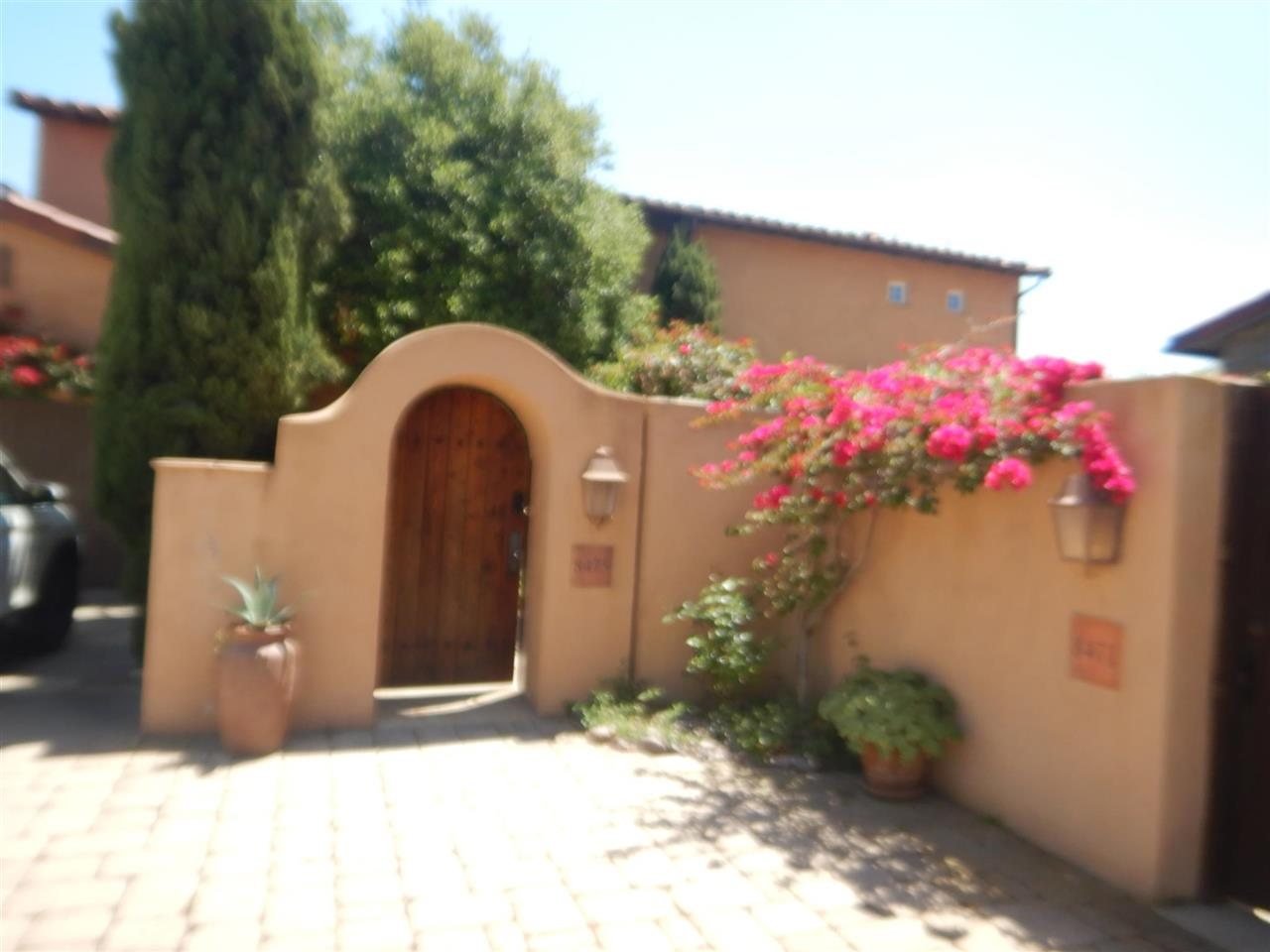
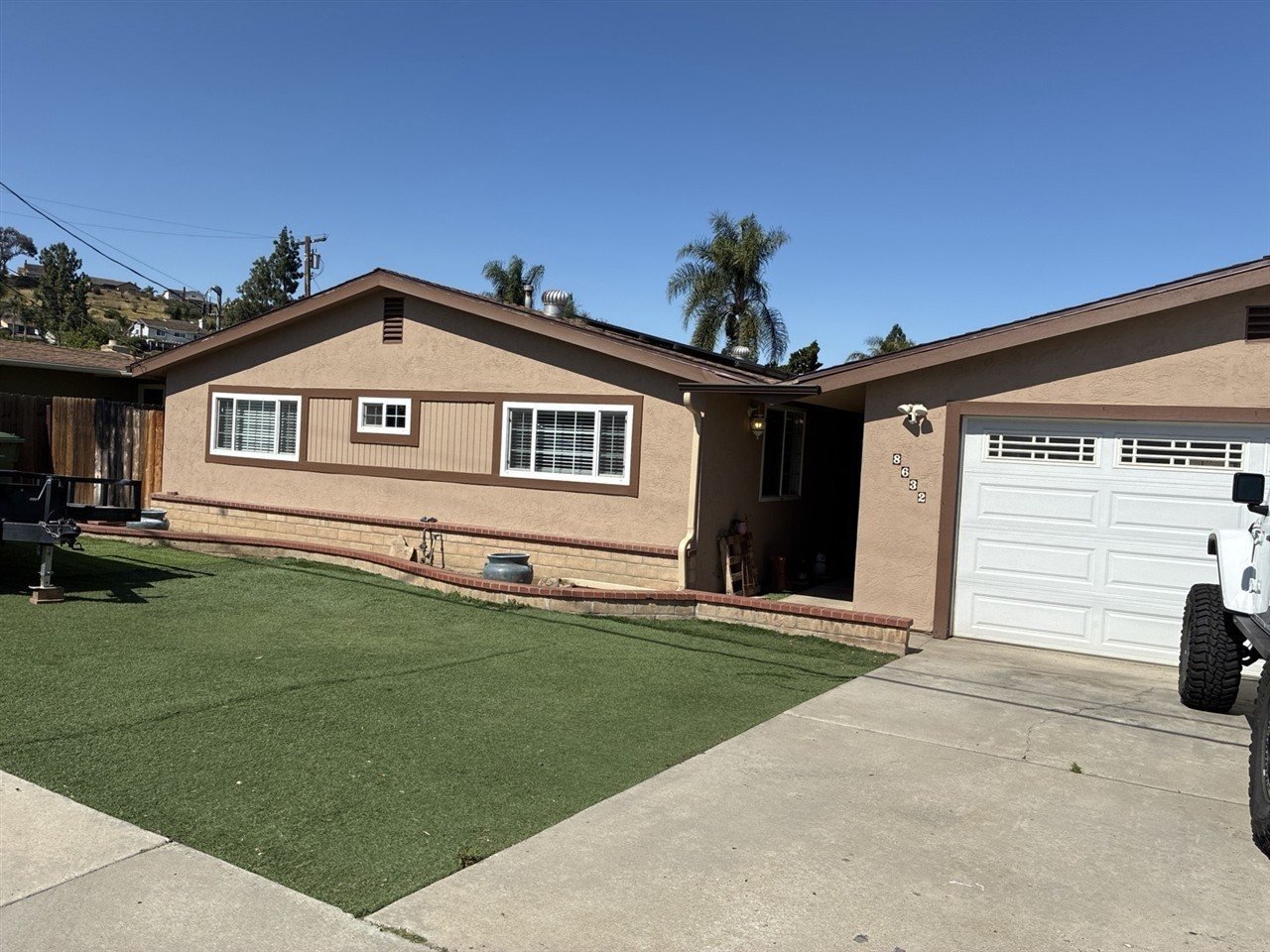
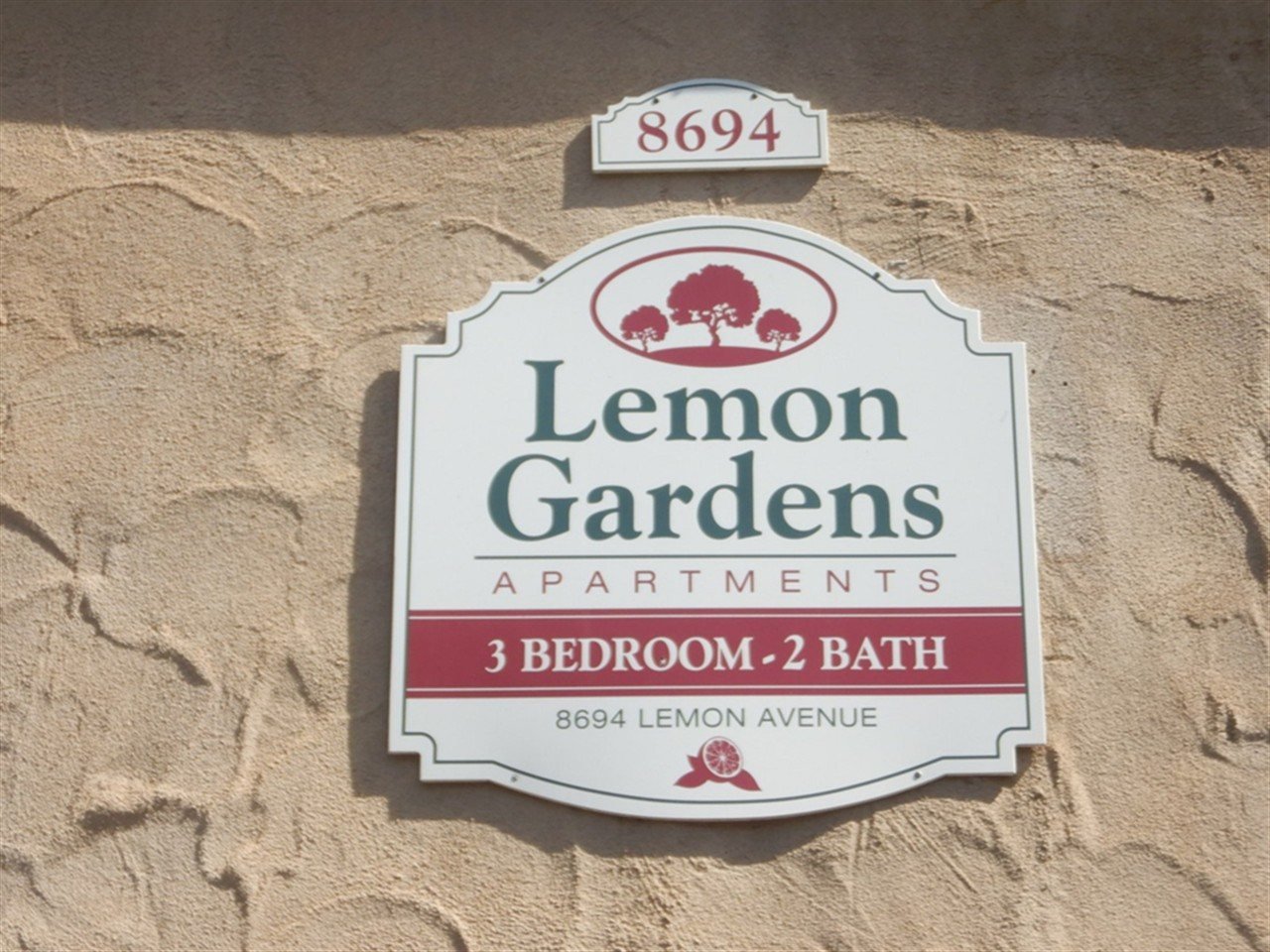
Multi-unit properties documented for SB 721 balcony compliance across San Diego County.
More inspections in San Marcos
- 4-point inspection in San Marcos
- Roof inspection in San Marcos
- Thermal imaging in San Marcos
- Foundation slab survey in San Marcos
- Home inspection in San Marcos
Nearby and countywide
Were You Happy With Your Inspection?
We are proud of our 4.9-star rating across 100+ Google reviews. If Joseph and the team did right by you, a quick Google review helps other San Diego County buyers and sellers find us.