
SB-326 Balcony Inspection in San Marcos, CA
San Marcos grew up fast on its hillsides, and a lot of that growth came as condominiums and HOA-governed townhomes — the stacked flats stepping up the slopes above San Marcos Boulevard, the student-heavy buildings around Cal State San Marcos, the newer attached communities out by San Elijo Hills. If you sit on one of those boards or manage one of those associations, California's SB-326 — the Balcony Inspection Law inside the Davis-Stirling Act — now requires your community to have its exterior elevated elements inspected by a qualified professional on a nine-year cycle. The first deadline was January 1, 2025, so most San Marcos associations are working through their opening round right now.
SB-326 is the condominium and HOA side of the same coin as SB-721, which governs apartments — the same balconies, decks, and walkways, but a different governing law and a report that stays with your association rather than the city. A licensed inspector visually examines a statistically significant random sample of the load-bearing EEE and the waterproofing protecting it, then writes the findings up for your board and reserve analyst. We inspect and document; a licensed contractor handles the actual repair. This page walks through how that inspection plays out on San Marcos's hillside condo stock.
Call (619) 752-4399 Schedule an Inspection
What does an SB-326 inspection cover on a San Marcos HOA?
SB-326 targets Exterior Elevated Elements (EEE): the wood-framed, load-bearing parts of a condo or HOA building that sit more than six feet above the ground and rely on a waterproofing system to stay sound. On a San Marcos common-interest development, the random sample we examine typically pulls from:
- Unit balconies and private decks — the framing, the ledger tying the deck back to the building, the posts, and the deck coating, which on the slope-stepped buildings here often cantilever out over a downhill grade.
- Elevated walkways and breezeways — the open second- and third-floor circulation that links units in the garden-style and stacked-flat layouts common around the CSUSM corridor.
- Shared exterior stairs and landings — the stringers, treads, and inter-floor landings that climb between levels on these terraced sites, plus how each connects back to the structure.
- Guardrails and handrails — checked for secure attachment and load resistance, since a community that lets one go owns the fall.
- The waterproofing assembly — flashing, sealant joints, membranes, and drainage, which SB-326 folds into the same scope because they decide whether the wood behind them lasts.
The sample has to be large enough that its results fairly represent every element of its type across the association — not every balcony, but a defensible cross-section. Each sampled element gets graded for the board's records, every grade is backed with photos, and where the visual review hints at concealed damage the law lets us call for a closer look. We document condition for the reserve study; we don't design or perform the repair.
Why do San Marcos hillsides and soils drive these elements to fail?
An elevated element fails when water reaches the wood and stays there, and San Marcos's terrain shapes how that happens in ways a flat coastal tract never sees. These are the local factors we weigh on every visit:
- Expansive clay soils: Much of San Marcos sits on expansive soil that swells when wet and shrinks when it dries. That seasonal movement works at building connections over the years, loosening stair stringers, post bases, and ledger bolts — opening the small gaps that route water straight to the framing the association is responsible for.
- Hillside grading and downhill drainage: On the slope-stepped communities climbing San Marcos's ridges, balconies and walkways cantilever over a falling grade and drainage runs hard downhill. Water sheets toward the lowest elements, and a coating breach on a downslope deck stays loaded longer than one up top.
- Student-rental wear near CSUSM: The high-occupancy buildings around Cal State San Marcos take heavy traffic on shared stairs, breezeways, and balconies. Worn coatings, loose guardrails, and overloaded decks show up faster where turnover and density run high.
- Newer construction, early-cycle waterproofing: A lot of San Marcos's condo stock is relatively new, which sounds reassuring — but elastomeric deck coatings and sealant joints have a service life, and many of these communities are hitting the age where the original membrane has chalked, split, or pulled back from the ledger right as the first SB-326 cycle comes due.
- Inland heat and UV cycling: San Marcos summers cook deck surfaces and dry out sealants day after day, splitting coatings along their seams so the next rain finds the opening.
What do we commonly find on San Marcos condo decks and stairs?
Across the associations we sample in San Marcos, the same conditions recur in a recognizable order. A board that knows the patterns can fund repairs through the reserve study on purpose instead of reacting to an element that comes back graded for action:
- Failed ledger waterproofing — at the seam where a balcony meets the wall, tired flashing lets water track behind the membrane and soften the ledger. It's the single most dangerous defect SB-326 exists to surface.
- Sun-split deck coatings — cracked, blistered, or thinned elastomeric surfaces on unit balconies and breezeways that no longer shed water, worst on the downhill-facing decks taking the most runoff.
- Loosened connections from soil movement — stair stringers, post bases, and railing anchors worked loose where expansive clay has cycled the building, opening paths for intrusion.
- Soft or rotted framing — joists, posts, and ledgers that probe soft at their connections, usually hidden until a small section is opened to confirm.
- Loose guardrails — association-owned guards that move under load on the high-traffic CSUSM-area buildings, an immediate safety flag the board must act on.
- Blocked or misdirected drainage — deck scuppers and walkway drains packed with debris, or surfaces sloped the wrong way, holding standing water against the wood on the terraced sites.
We separate cosmetic wear from a real load-bearing or safety defect and photograph each, so the board and reserve analyst read evidence rather than opinion.
How does the process work, and what report does your board file?
It starts with a call to (619) 752-4399 or an email with the association name, address, unit count, and a rough tally of balconies, walkways, stairs, and landings across the property. That count sets the statistically significant random sample SB-326 requires, and it lets us tell your board the scope before we mobilize — useful on a multi-building hillside community where access between levels takes planning.
On site, we work each sampled element directly: reading flashing and probing for soft framing at the ledger connections, checking coating and drainage on the walking surfaces, testing the guardrails for attachment, and examining stringers, posts, and connectors under the stairs and landings. Where the visual review shows a sign of concealed damage — a stained soffit below a balcony, a spongy landing, a coating failed at a ledger — we'll flag the need to open a small section to confirm rather than guess at a hidden connection. The law allows it, and it protects the association from a missed rotten ledger.
The deliverable is a HomeGauge report that grades each sampled element, documents the waterproofing condition, identifies anything posing an immediate safety threat, and backs every call with photographs in the form your board and reserve analyst need on file — typically delivered same day or next day. SB-326 reports stay with the association; they aren't filed with the City of San Marcos the way SB-721 apartment documentation is. Our lane is clear: we report observed condition. We don't design repairs, perform repairs, or issue engineering or structural certifications on a building we inspect — when a finding calls for repair drawings or a stamped structural opinion, we say so plainly and coordinate or refer the right licensed professional.
Why do San Marcos boards and managers choose us?
An SB-326 report is only as good as the judgment behind each grade, and a wrong grade cuts both ways for an association — a missed rotten ledger is a liability the board carries, and a false alarm is a special assessment nobody needed. Your inspection is performed by Joseph Romeo, an InterNACHI Certified Professional Inspector (CPI) who also holds a California CSLB General Contractor license (#1113143). That contractor background is exactly what these elements demand — he reads how a balcony was framed, how a ledger was bolted, and what a loosened connection on expansive soil means for load capacity, rather than noting surface wear a coat of paint hides.
- 20+ years and 10,000+ inspections across San Diego County, including San Marcos's hillside condo communities, its CSUSM-area rental stock, and the newer attached developments out toward San Elijo Hills.
- 4.9 stars across 106 Google reviews from owners, HOA boards, property managers, and agents.
- Independent and conflict-free — we inspect and report; we don't sell the balcony repair, so nothing in a grade is steered toward work we'd profit from, which is exactly what a board bound by fiduciary duty needs.
- Reports structured to drop straight into your reserve study and the SB-326 record your association keeps.
For transparency: we're InterNACHI CPI and CSLB-licensed, not ASHI or CREIA members, and we don't publish flat prices — the fee depends on the community's size and the number of elements the random sample covers. Check the fee schedule or request a quote before you book. Reach Joseph directly at joe@sandiegohomeinspection.com or the number above.
Which related inspections suit San Marcos associations?
SB-326 answers the condo balcony mandate, but San Marcos associations often need more than one thing looked at on the same mobilization:
- SB-721 balcony inspection — the parallel law for rental apartment buildings of three or more units, which runs on a different cycle and is filed with the city. If part of a portfolio is multifamily rental rather than an HOA, that's what applies to it.
- Thermal / infrared imaging — reads hidden moisture behind deck and breezeway finishes the eye misses, useful when a sampled coating raises a flag but the framing isn't yet exposed.
- Roof inspection — a standalone look at common-area coverings and flashing worn by San Marcos's inland sun on the same buildings whose balconies we're sampling.
- Full building inspection — roof, electrical, plumbing, HVAC, and structure when the board wants a whole-building condition read for the reserve study, not just the elevated elements.
- Sewer scope — a camera down the shared laterals serving older San Marcos condo lots, which the EEE scope doesn't touch but which fail expensively on the association's dime.
Bundling the SB-326 inspection with a roof and thermal scan in one visit keeps access coordination tight across a multi-building hillside community and gives the reserve study a fuller picture. Send the association name, unit count, and a sense of how many elevated elements the property carries, and we'll tell your board which of these genuinely apply before you commit reserve dollars.
San Marcos SB-326 Balcony Inspection FAQs
Which San Marcos buildings fall under SB-326 instead of SB-721?
When was our San Marcos HOA's SB-326 inspection due?
Do you inspect every balcony in the community?
How do San Marcos's expansive soils affect the inspection?
Does the SB-326 report get filed with the City of San Marcos?
What does an SB-326 inspection in San Marcos cost?
HOA properties we inspect
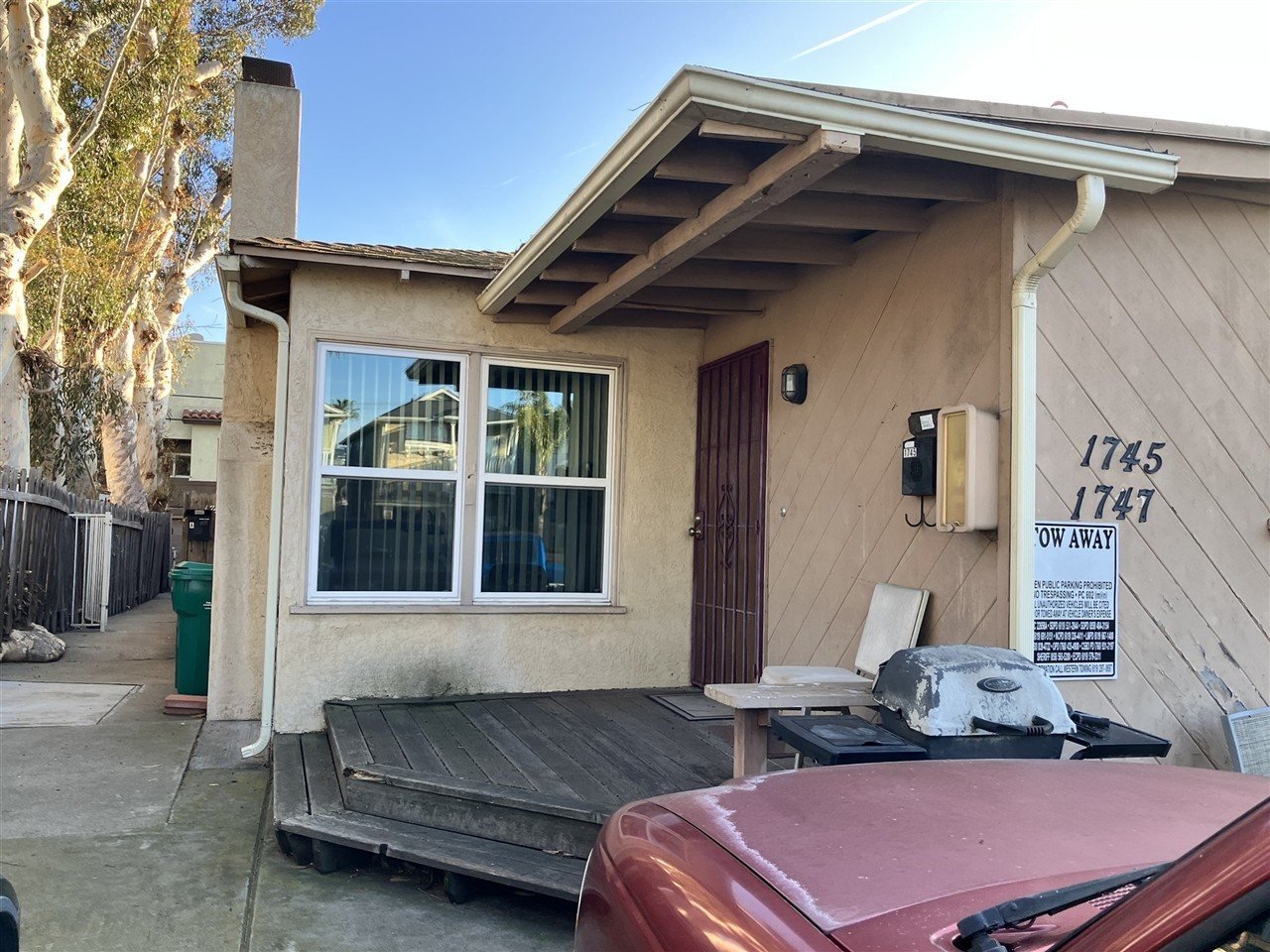
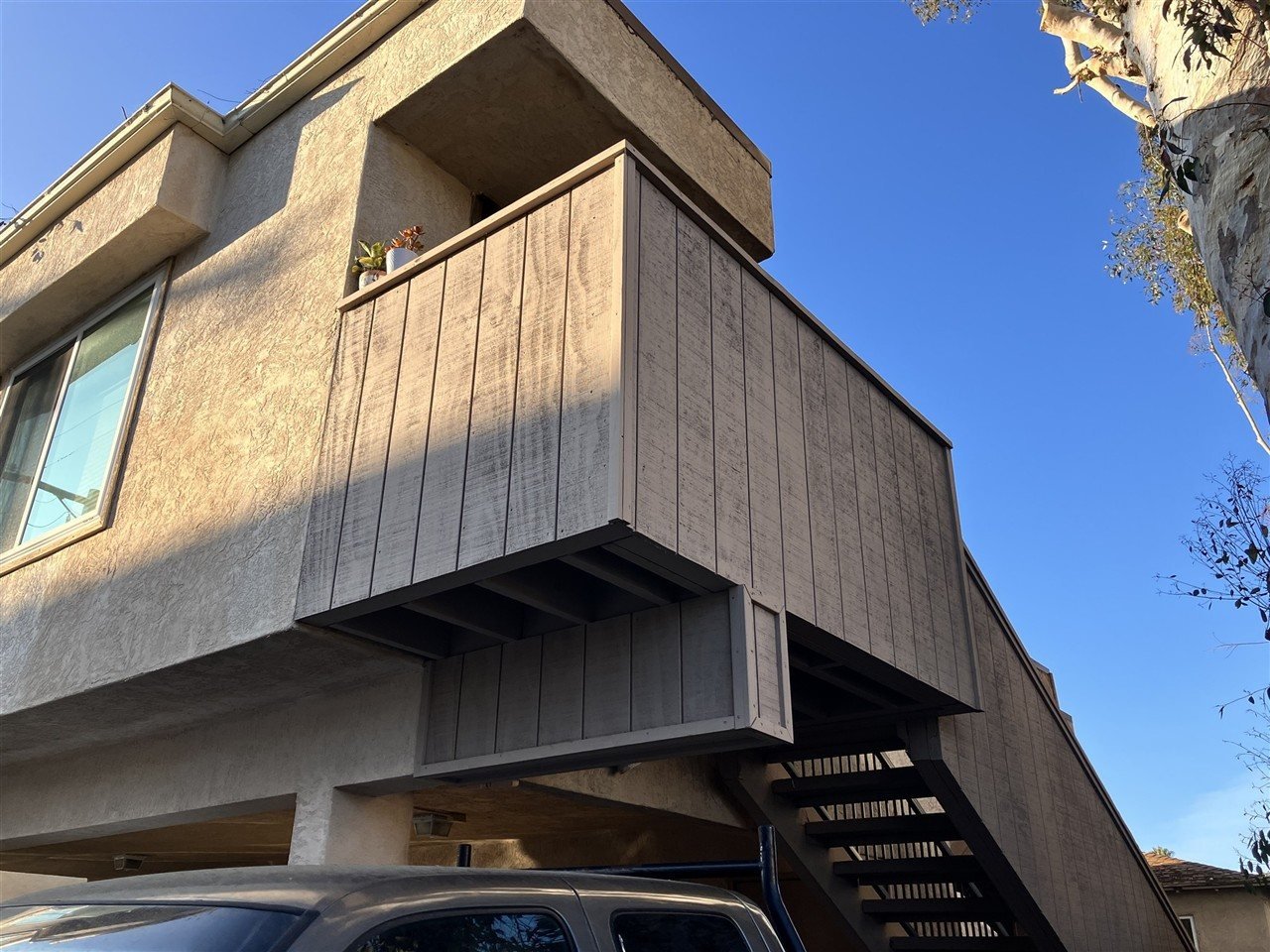
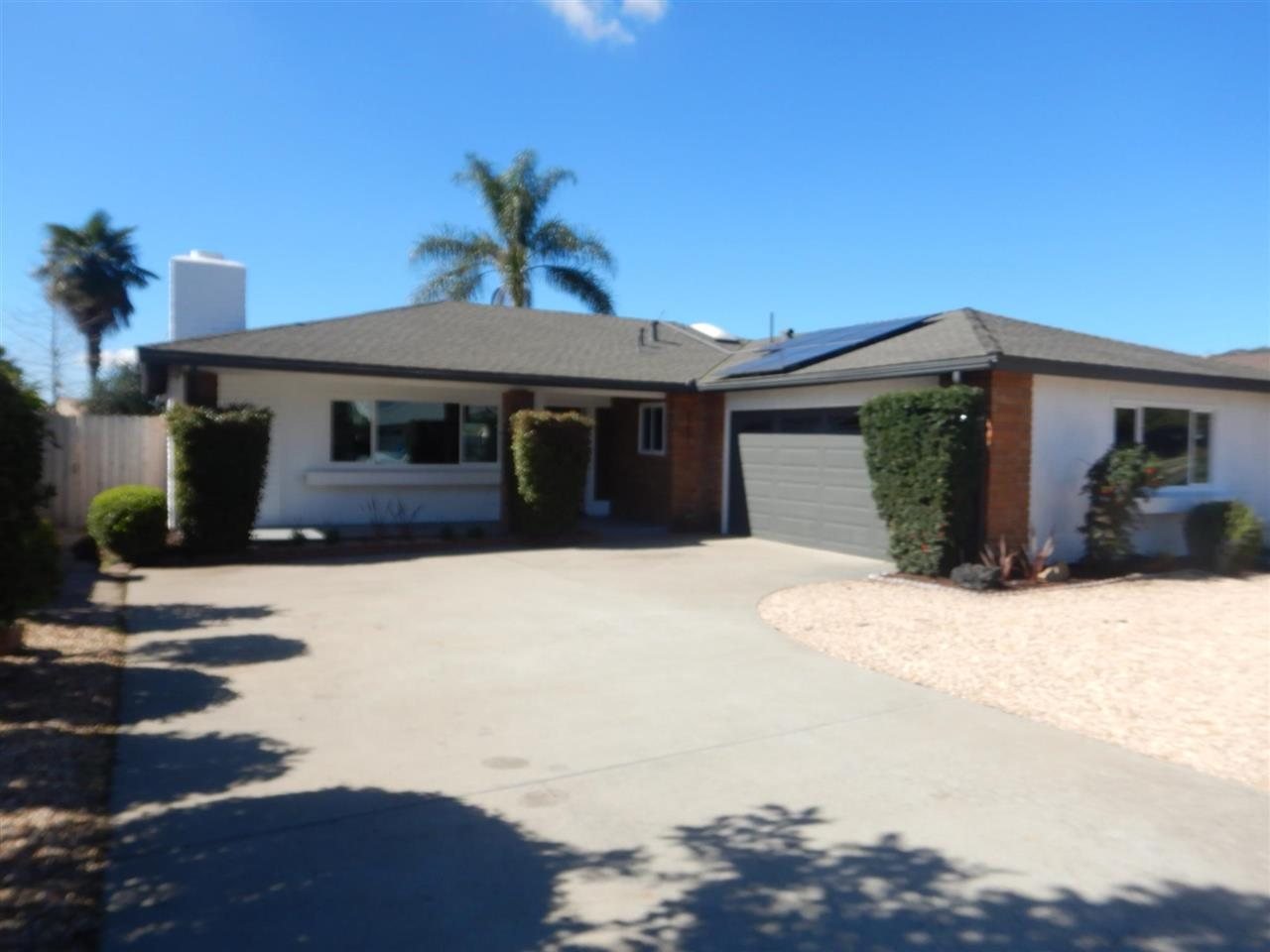
Condominium properties documented for SB 326 balcony compliance across San Diego County.
More inspections in San Marcos
- Roof inspection in San Marcos
- Thermal imaging in San Marcos
- Foundation slab survey in San Marcos
- SB 721 balcony inspection in San Marcos
- Home inspection in San Marcos
Nearby and countywide
Were You Happy With Your Inspection?
We are proud of our 4.9-star rating across 100+ Google reviews. If Joseph and the team did right by you, a quick Google review helps other San Diego County buyers and sellers find us.