
SB-721 Exemption Letter in San Marcos, CA
A lot of San Marcos rental owners get pulled into California's balcony-safety law without ever owing a full SB-721 inspection. Their building may have nothing the statute reaches — or it may be a condominium handled under SB-326 instead. When a lender, insurer, or the City of San Marcos wants proof that the requirement does not land on your property, a verbal assurance won't do it. You need a written applicability assessment that lays out the reasoning a third party can follow.
That document is an SB-721 exemption letter. For a San Marcos building, it records a site-based determination of why no qualifying exterior elevated elements exist, why the framing or height keeps the property out of scope, or why a different statute governs it — with photographs supporting each point. Joseph Romeo performs the assessment, writes what the walk shows, and is candid when a building does qualify. The pages below cover the scope of the letter, the San Marcos property patterns that drive exemptions, what the walk usually turns up, how the work runs, and where the assessment stops.
Call (619) 752-4399 Schedule an Inspection
What does an SB-721 exemption letter cover for a San Marcos building?
SB-721 reaches rental buildings of three or more units that carry Exterior Elevated Elements — wood-framed, load-bearing balconies, decks, stairways, landings, and walkways raised more than six feet over the ground below. The exemption letter is the written product of checking whether your San Marcos property carries any of that. The determination establishes:
- An element inventory — a full exterior pass cataloging each balcony, deck, stair, landing, and walkway, separating the ones that clear six feet from the ones that don't
- Framing makeup — whether each raised element relies on wood structure (in scope) or on concrete, masonry, or steel the law leaves alone
- Height against grade — at-grade entries, slab patios, and low landings that never reach the threshold the statute is written around
- Ownership form — whether the property is a rental apartment under SB-721 or a common-interest development that belongs to SB-326
- Dwelling-unit tally — confirming the building actually carries the three-or-more units that activate the law
The finished letter names the address, states the basis for exemption in language a reader can rely on, and attaches photos of the conditions that drive the call. It is an opinion on applicability and a record for your file. It does not waive, suspend, or grant relief from any legal duty — where a building qualifies, the honest output is an inspection, not a letter.
Why does San Marcos multifamily so often sit outside SB-721?
San Marcos was built out in a way that produces genuine exemptions, and the reasons trace back to the city's terrain and the age of its housing. These are the local factors weighed on an assessment here:
- Newer podium and slab construction: Much of the recent multifamily near San Elijo Hills and the CSUSM corridor sits on concrete podiums or at-grade slabs, with parking and patios at ground level and few of the projecting wood decks the law targets.
- Hillside split-grade lots: San Marcos's hillside developments leave units that look raised from the downhill side but are at grade on the uphill approach — a height question that has to be measured on the slope, not guessed from the street.
- Expansive-soil foundations: The clay soils common across San Marcos pushed many builders toward concrete and masonry stair runs and landings rather than wood, and those non-combustible assemblies fall outside SB-721 even when elevated.
- Condo and HOA student housing: A sizable share of the rental stock serving Cal State San Marcos is condominium or HOA-governed, which moves it under SB-326 — a distinction a notice from the city rarely sorts out for you.
- Detached and small-unit layouts: Plenty of hillside parcels carry duplexes, triplexes, and detached units that never meet the three-or-more apartment trigger in the first place.
What does the walk typically turn up in San Marcos?
Assessing a San Marcos property for an exemption, a few outcomes recur. Knowing them helps an owner see why a letter is — or isn't — the right result:
- A clean exemption: every raised element is concrete or masonry, every entry meets grade, and the building plainly carries nothing the statute governs — the straightforward letter
- A mislabeled condo: an owner served an SB-721 notice on what is actually a common-interest development serving CSUSM tenants, where the SB-326 route applies instead
- The split-grade landing: a walkway hovering right at the six-foot mark on a San Marcos hillside, measured against the downhill grade rather than eyeballed, because that one number settles the whole question
- A mixed property: concrete primary stairs that are clearly exempt but a wood balcony or two that aren't, which means a partial scope rather than a blanket exemption — and that gets said plainly
- A real trigger: wood-framed balconies or raised walkways that genuinely qualify, in which case there is no exemption to write and the next step is the full inspection, not a letter that won't survive scrutiny
The job is to separate what is truly out of scope from what an owner hopes is out of scope, with a photograph behind every call so the letter rests on evidence.
How does the San Marcos assessment run, and what do you get?
It opens with a call to (619) 752-4399 or an email carrying the property address, the unit count, and whether the building is a rental or a condo. That alone often tells whether an exemption letter is the right product before anyone drives out to San Marcos.
On site, the full exterior of the building gets walked: every balcony, stair, landing, and walkway inventoried, each one identified as wood-framed or non-combustible, and the heights near the six-foot line measured against the actual slope rather than estimated — which matters on San Marcos's graded hillside lots. The unit count and the apartment-versus-condo classification get confirmed on the spot, since that single fact often decides which statute applies.
The deliverable is a signed exemption letter with supporting photographs, stating the precise grounds — no qualifying elevated elements, non-wood construction, or SB-326 governance — in a form your owner, lender, insurer, or the City of San Marcos can file. It generally arrives same day or next day. To be exact on scope: the letter documents applicability; it does not waive any legal requirement, and if the building qualifies, the straight answer is an inspection. Contested interpretations and permit disputes are counsel's territory, and that gets said too.
Who stands behind the San Marcos exemption call?
Joseph Romeo, an InterNACHI CPI and CSLB-licensed General Contractor, performs and signs every San Marcos exemption assessment himself. An exemption letter is a judgment someone with money on the line will lean on, and getting it wrong runs both directions — claiming an exemption a building hasn't earned is real exposure, and assuming an inspection you don't owe is wasted spend. The assessment is done by Joseph Romeo, an InterNACHI Certified Professional Inspector (CPI) who also carries a California CSLB General Contractor license (#1113143). That builder's eye is what tells a wood-framed assembly from a concrete one and reads where the six-foot threshold actually falls on a San Marcos slope.
- 20+ years and 10,000+ inspections across San Diego County, including San Marcos's hillside tracts, its CSUSM-area rentals, and the newer podium complexes along the city's growth corridors
- 4.9 stars across 106 Google reviews from owners, managers, and agents who needed a defensible answer
- Independent and conflict-free — no balcony repairs or inspections sold that the building doesn't need, so the exemption call isn't steered toward billable work
Where qualifying elements show up, the next step gets pointed out rather than papered over. For transparency: CPI and CSLB-licensed, not ASHI or CREIA members; no flat fees posted, since scope follows building size. Reach Joseph at joe@sandiegohomeinspection.com or the number above.
Which related inspections suit San Marcos multifamily owners?
The exemption letter settles the SB-721 applicability question and nothing more. For owners buying or holding multifamily in San Marcos, several companion services fold naturally into the same visit:
- SB-721 balcony inspection: the full inspection the building actually owes if the assessment turns up qualifying wood-framed elements
- SB-326 balcony inspection: the parallel mandate for condominium and HOA-run properties — the right path when a CSUSM-area rental turns out to be a common-interest development
- Full property inspection: a buyer's-grade read on roof, electrical, plumbing, HVAC, and structure when you want the whole San Marcos building assessed, not just its exterior
- Foundation and structural review: a focused look at movement and cracking on San Marcos's expansive-clay hillside lots, coordinated with a licensed specialist where an engineering cert is needed
- Sewer scope: a camera run down the laterals on older San Marcos apartment parcels, an expensive failure the exemption assessment never touches
Send the address, the unit count, and whether the building is an apartment or a condo, and you'll hear which of these genuinely apply before spending on any of them.
San Marcos SB-721 Exemption Letter FAQs
How do I tell whether my San Marcos building qualifies for an SB-721 exemption?
Does the exemption letter cancel my obligation under the law?
My rental near CSUSM is a condo. Do I still need SB-721?
What happens if my San Marcos building turns out not to be exempt?
How are hillside split-grade balconies handled in San Marcos?
What does an SB-721 exemption assessment in San Marcos cost?
Properties we evaluate
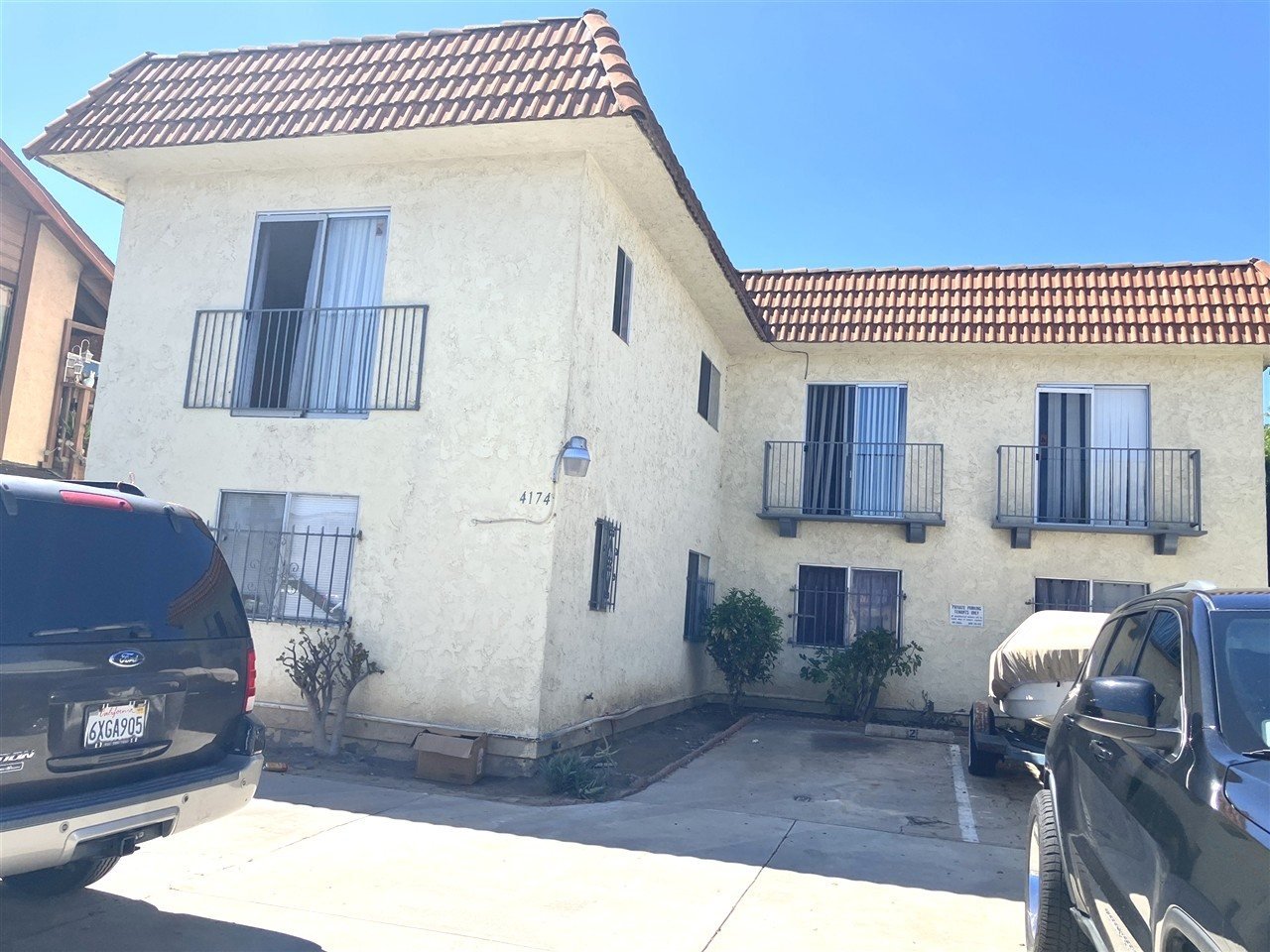
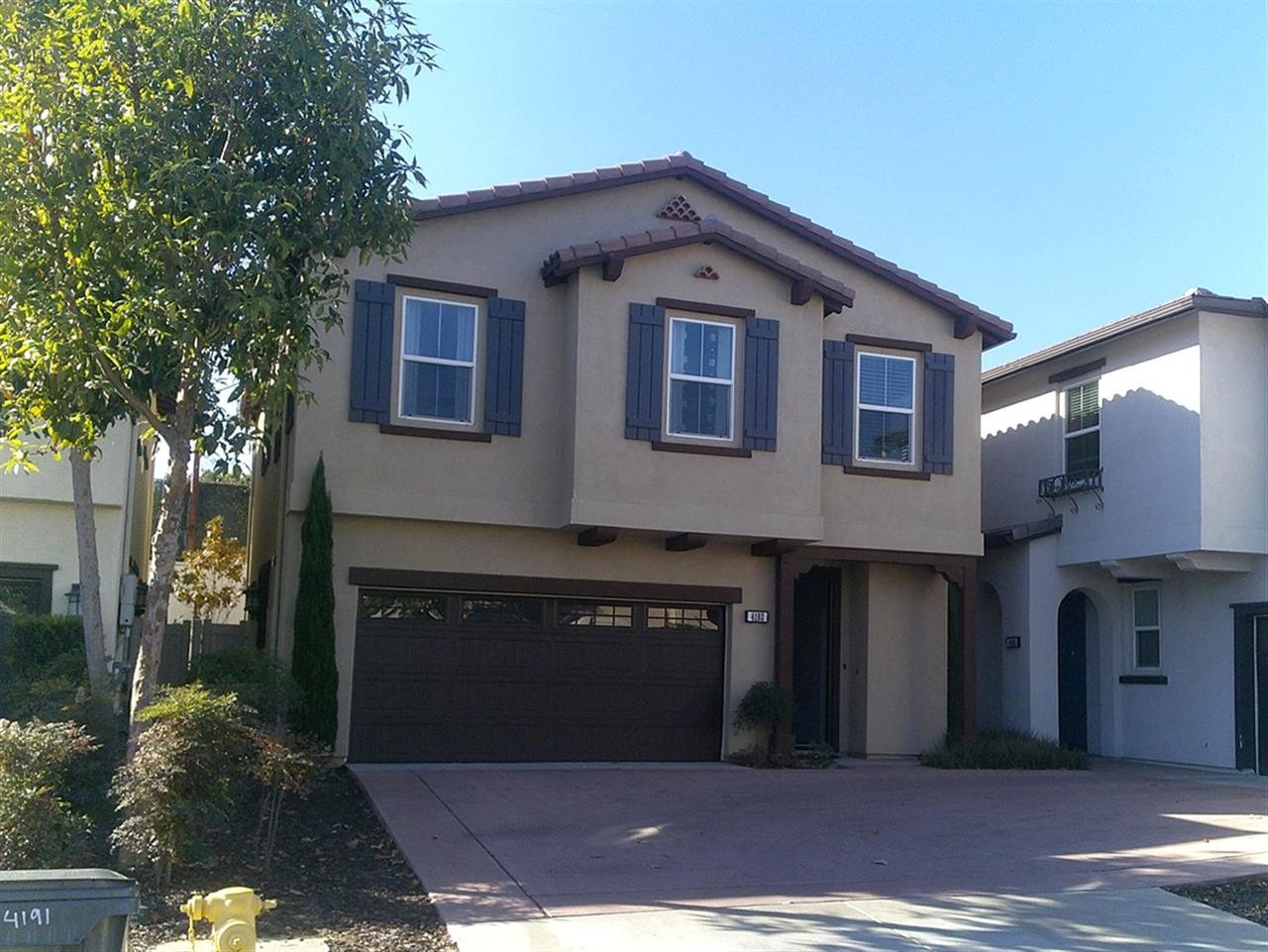
Properties evaluated for SB 721 exemption letters across San Diego County.
More inspections in San Marcos
- Seller inspection in San Marcos
- Warranty inspection in San Marcos
- Commercial roof cleaning in San Marcos
- Commercial inspection in San Marcos
- Home inspection in San Marcos
Nearby and countywide
Were You Happy With Your Inspection?
We are proud of our 4.9-star rating across 100+ Google reviews. If Joseph and the team did right by you, a quick Google review helps other San Diego County buyers and sellers find us.