
SB-721 Exemption Letter in Vista, CA
A balcony-law notice landing in a Vista owner's mailbox doesn't always mean the building owes a full inspection. A good share of this north-county city's rental stock is low-slung ranch-style and single-story construction that simply never carried the wood-framed exterior elements California's SB-721 was written to catch — and some of it is condominium property that answers to SB-326 instead. When that's your situation, the right deliverable isn't a balcony inspection. It's a written determination of why the law doesn't reach your property, in a form a lender, insurer, or the City of Vista can keep on file.
I'm Joseph Romeo. An SB-721 exemption letter starts with an applicability assessment — I walk the building, confirm whether anything actually triggers the statute, and put the reasoning in writing with photographs to back it. I assess and document; I don't waive a legal obligation. If the property does carry qualifying elements, you'll hear that from me plainly rather than get a letter that won't survive a second look. Below: what the letter covers, why so many Vista buildings fall outside SB-721, what turns up on the walk-through, how the assessment runs, and where my scope ends.
Call (619) 752-4399 Schedule an Inspection
What does the Vista exemption letter document?
SB-721 reaches buildings of three or more dwelling units that carry Exterior Elevated Elements — load-bearing, wood-framed balconies, decks, exterior stairs, landings, and walkways standing more than six feet above the ground below. The exemption letter is the record that shows, with reasoning a third party can follow, why one of the law's carve-outs fits your Vista property. The grounds I document most often are:
- Nothing that meets the elevated-element definition — the building offers only at-grade entries, slab patios, or low porches, with no wood-framed assembly clearing the six-foot mark.
- Material or height takes it out of scope — elevated elements exist but are built of concrete, block, or steel rather than wood framing, or they sit below the height that triggers the statute.
- SB-326 governs instead — the property is a condominium or HOA-run common-interest development, which is the other balcony law's jurisdiction, not SB-721's.
- Unit count under the line — a duplex or other small building that never reaches the three-unit threshold the apartment mandate requires.
The letter names the address, records what I observed, states the specific basis for exemption, and carries the credentials of the person who made the call — the kind of paper that holds up in a lender's file or the City's records rather than reading as an informal note.
Why does Vista's ranch-era stock often sit outside the law?
Vista sits in a transition zone between the coastal plain and the inland hills, and the way it filled in — a lot of it during the postwar ranch boom — is exactly why so many owners here aren't sure which law touches their building, if any:
- Single-story ranch courts: much of Vista's older rental stock is the low, ground-hugging ranch type, with every unit door opening at grade and no projecting upper balcony anywhere on the lot — a clean exemption basis once it's verified.
- Varied transition-zone soils: Vista's mix of expansive clay and decomposed-granite hillside lots produced plenty of slab-on-grade and stepped-pad layouts where landings hug the terrain rather than rise the six feet the statute cares about.
- Concrete and block stairs: many mid-century Vista complexes ran poured-concrete or masonry stair flights and landings instead of wood, and those non-combustible assemblies fall outside SB-721 even where they're elevated.
- Hillside lots that only look elevated: on Vista's sloping parcels a ground-level deck can read as a tall balcony from the downhill side while sitting at grade on the uphill side — a distinction that has to be measured, not assumed.
- Condo conversions: some Vista buildings near the Civic Center and along the older boulevards were converted to condominiums, moving them under SB-326 — a fact the City and your lender will want documented.
What turns up when I walk a Vista building?
Assessing a Vista property for an exemption, the same handful of situations recur, and recognizing them helps an owner see why a letter is — or isn't — the honest outcome:
- The straightforward exemption — a single-story ranch court where every entry is at grade and not one wood-framed elevated element exists; this is the clean letter.
- The misrouted condo — an owner handed an SB-721 notice on a building that's actually a common-interest development, where SB-326 is the correct path.
- The mixed building — concrete main stairs that are exempt alongside one or two wood balconies that aren't, which means a partial scope rather than a blanket exemption, and I say so.
- The borderline height — a landing hovering near six feet over a sloping DG pad, which I measure rather than eyeball, because that line decides the entire question.
- The real trigger — wood-framed balconies or walkways that genuinely qualify, in which case there's no exemption to write and I route you to the full inspection instead of papering over it.
The job is separating what is truly out of scope from what an owner hopes is out of scope, and I photograph the basis for each call so the letter rests on evidence rather than assertion.
How does the assessment run, and what do you get?
It starts with a short intake — call (619) 752-4399 or email the property address, the unit count, and whether the building is a rental or a condo. That tells me whether an exemption letter is even the right product before I drive out to Vista.
On site I walk the full exterior: I inventory every balcony, stair, landing, and walkway, identify whether each is wood-framed or non-combustible, and measure the heights near the six-foot line rather than guess at them — which matters on Vista's stepped hillside pads where grade shifts across a single building. I confirm the dwelling-unit count and whether the property is an apartment under SB-721 or a common-interest development under SB-326, because that one fact often settles which statute applies.
The deliverable is a signed exemption letter with supporting photographs, stating the specific grounds — no qualifying elevated elements, non-wood construction, sub-threshold height, or SB-326 governance — in language your owner, lender, insurer, or the City of Vista can file. It typically lands same day or next day. To be exact about scope: I give a professional opinion on applicability and document it. I do not waive, override, or grant relief from any requirement, and I don't perform repairs or issue structural or engineering certifications. Where the building genuinely qualifies, the honest answer is the inspection, not a letter.
Who stands behind the exemption determination?
An exemption letter is only as good as the judgment behind the signature, and someone with money on the line will rely on it — so claiming an exemption a building doesn't have is real liability, and assuming you owe an inspection you don't is wasted money. The assessment is mine: I'm Joseph Romeo, an InterNACHI Certified Professional Inspector (CPI), and I hold a California CSLB General Contractor license (#1113143). That builder's background is what lets me tell load-bearing wood framing from a concrete run or a non-structural rail at a glance — the exact distinction an exemption turns on — and read where six feet actually falls on a Vista slope.
- 20+ years and 10,000+ inspections across San Diego County, including Vista's single-story ranch courts, its mid-century complexes, and the hillside duplexes on the city's eastern edge.
- 4.9 stars across 106 Google reviews from owners, managers, and agents who needed a clear, defensible answer.
- Independent and conflict-free — I don't sell balcony repairs or inspections you don't need, so the exemption call isn't steered toward billable work.
For transparency: I'm InterNACHI CPI and CSLB-licensed; I'm not an ASHI or CREIA member, and I don't post flat fees, since scope tracks building size and complexity — see the fee schedule or send the address for a quote. Reach me directly at joe@sandiegohomeinspection.com or the number above.
Which related inspections suit Vista multifamily owners?
The exemption letter settles the SB-721 applicability question. If you own or are buying multifamily property in Vista, a few companion services fold naturally into the same visit:
- SB-721 balcony inspection: the full inspection your apartment building actually needs if the assessment turns up qualifying wood-framed elements.
- SB-326 balcony inspection: the parallel mandate for condominium and HOA-governed properties — the right path when your building turns out to be a common-interest development.
- Full property inspection: roof, electrical, plumbing, HVAC, and structure when you want a buyer's-grade read on the whole Vista building, not just its exterior.
- Foundation and slab check: a closer look at how the building sits on Vista's expansive transition-zone clay, which moves with the wet-dry cycle and can stress older ranch slabs.
- Sewer scope: a camera down the laterals on older Vista apartment lots — an expensive failure the exemption assessment doesn't touch.
Send the address, the unit count, and whether the building is an apartment or a condo, and I'll tell you which of these genuinely apply before you spend on any of them.
Vista SB-721 Exemption Letter FAQs
How do I know if my Vista building qualifies for an SB-721 exemption?
My Vista building is a single-story ranch court. Does SB-721 apply?
Does an exemption letter excuse me from the SB-721 law?
My building is a condo near the Vista Civic Center. Do I need SB-721?
What if the walk-through shows my Vista building isn't actually exempt?
What does an SB-721 exemption assessment in Vista cost?
Properties we evaluate
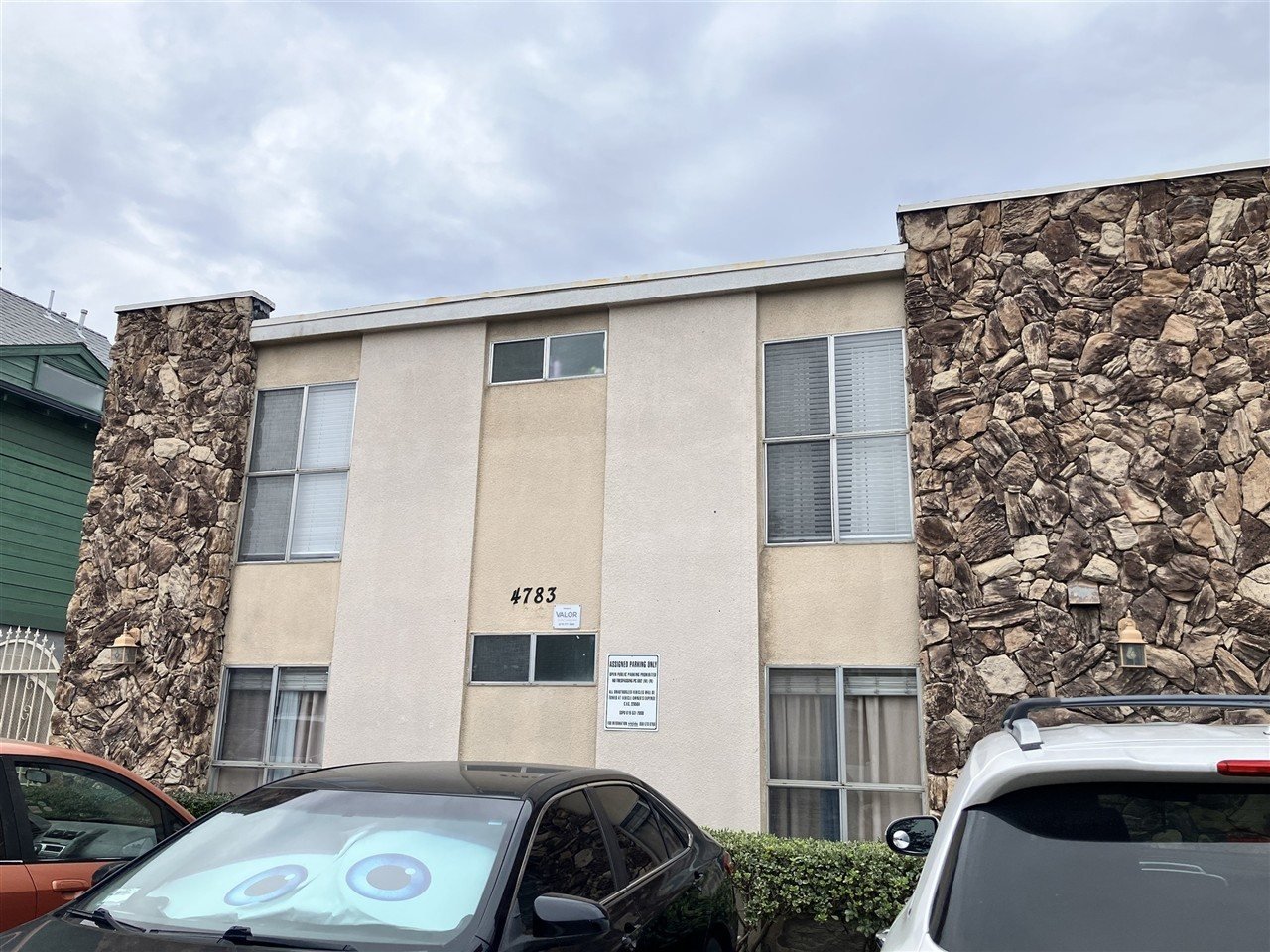
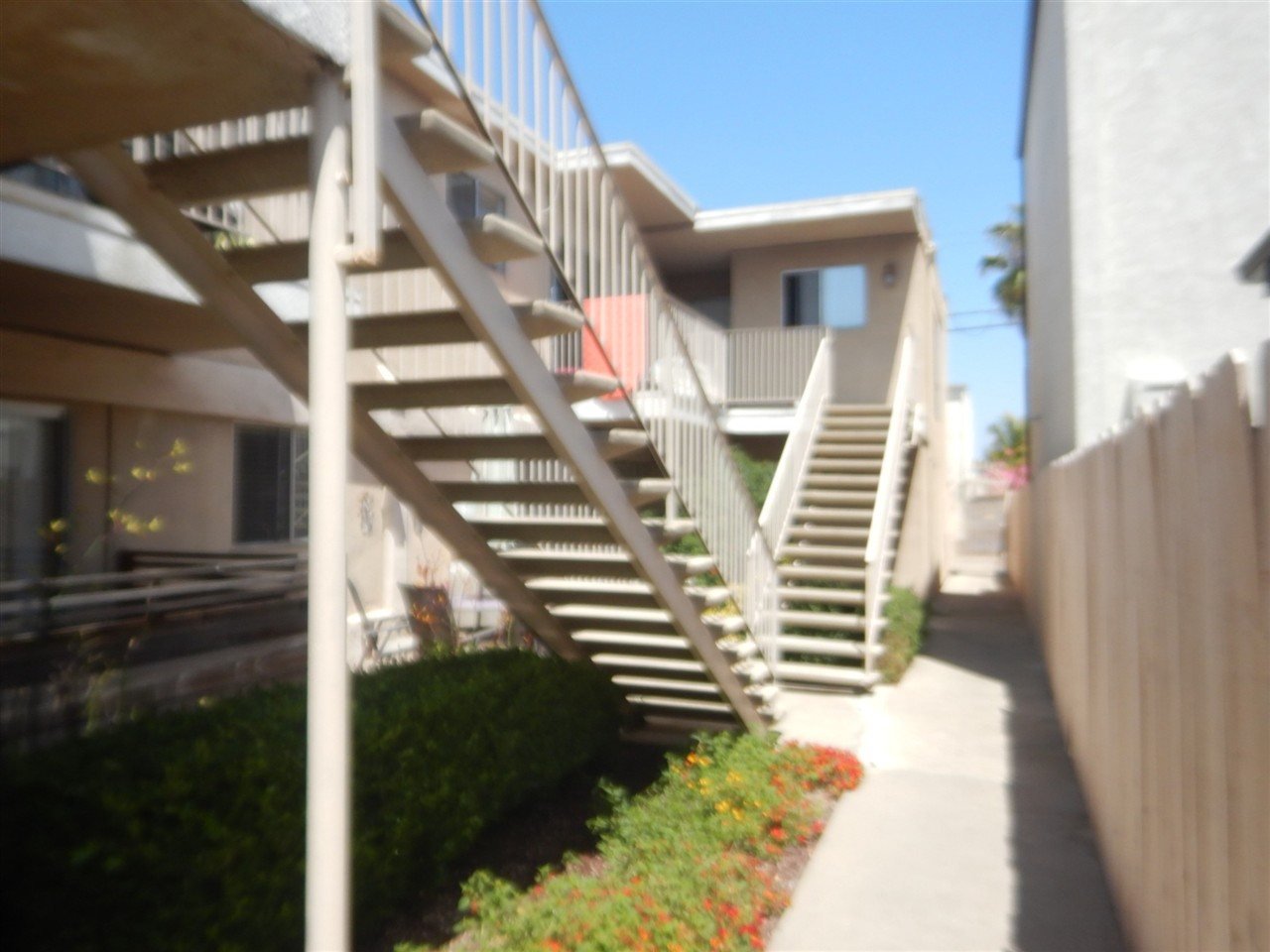
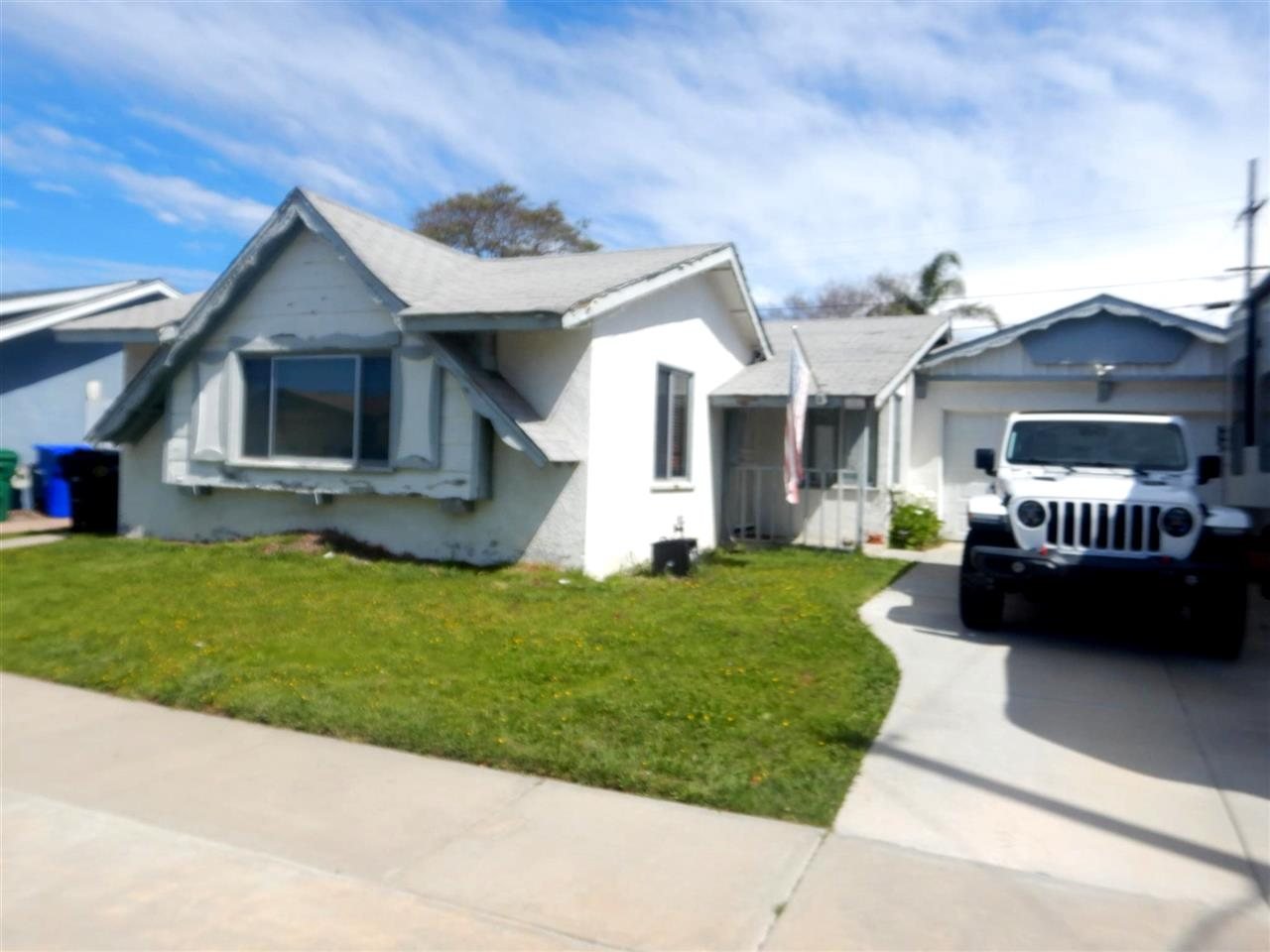
Properties evaluated for SB 721 exemption letters across San Diego County.
More inspections in Vista
- Seller inspection in Vista
- Warranty inspection in Vista
- Commercial roof cleaning in Vista
- Commercial inspection in Vista
- Home inspection in Vista
Nearby and countywide
Were You Happy With Your Inspection?
We are proud of our 4.9-star rating across 100+ Google reviews. If Joseph and the team did right by you, a quick Google review helps other San Diego County buyers and sellers find us.