
Foundation & Slab Inspection in Vista, CA
Vista occupies an in-between stretch of north county — not quite the coast, not quite the back-country grade — and that transition shows up in the dirt under its houses. Within a few blocks you can move off a flat clay pad onto a sandy-loam parcel and then onto a foothill lot built over decomposed granite. The single-story ranch homes that fill so much of Vista, many of them poured in the 1950s through the 1970s, sit on whichever soil their street happened to land on, and they each tell a slightly different story when the ground starts to work on them.
I'm Joseph Romeo. A foundation & slab inspection is a deliberate visual read of how your Vista house meets the earth and whether that connection is holding. I identify the foundation type — a poured slab, a raised floor over a crawlspace, or a post-tension slab in the newer planned tracts — then trace the symptoms of movement: cracking, floors gone out of level, doors and windows that bind, and the drainage and grading that usually set it all in motion. I document what I observe and, when the evidence points to active structural movement, I refer a licensed structural engineer for certification or a repair design. The Vista home inspection hub covers the rest of the property.
Call (619) 752-4399 Schedule an Inspection
What does this Vista foundation inspection examine?
This is a visual condition assessment, not a destructive one — I'm not coring concrete, excavating, or running load calculations. I'm reading the foundation and the structure resting on it for the fingerprint that ground movement leaves. On a Vista home that begins with naming the foundation type, since each one reaches its limit in its own way:
- Slab-on-grade — the poured pad beneath most of Vista's postwar ranch tracts. I read the exposed slab edge and stem walls for cracking, lift, and separation, and I watch how flooring telegraphs anything moving beneath it.
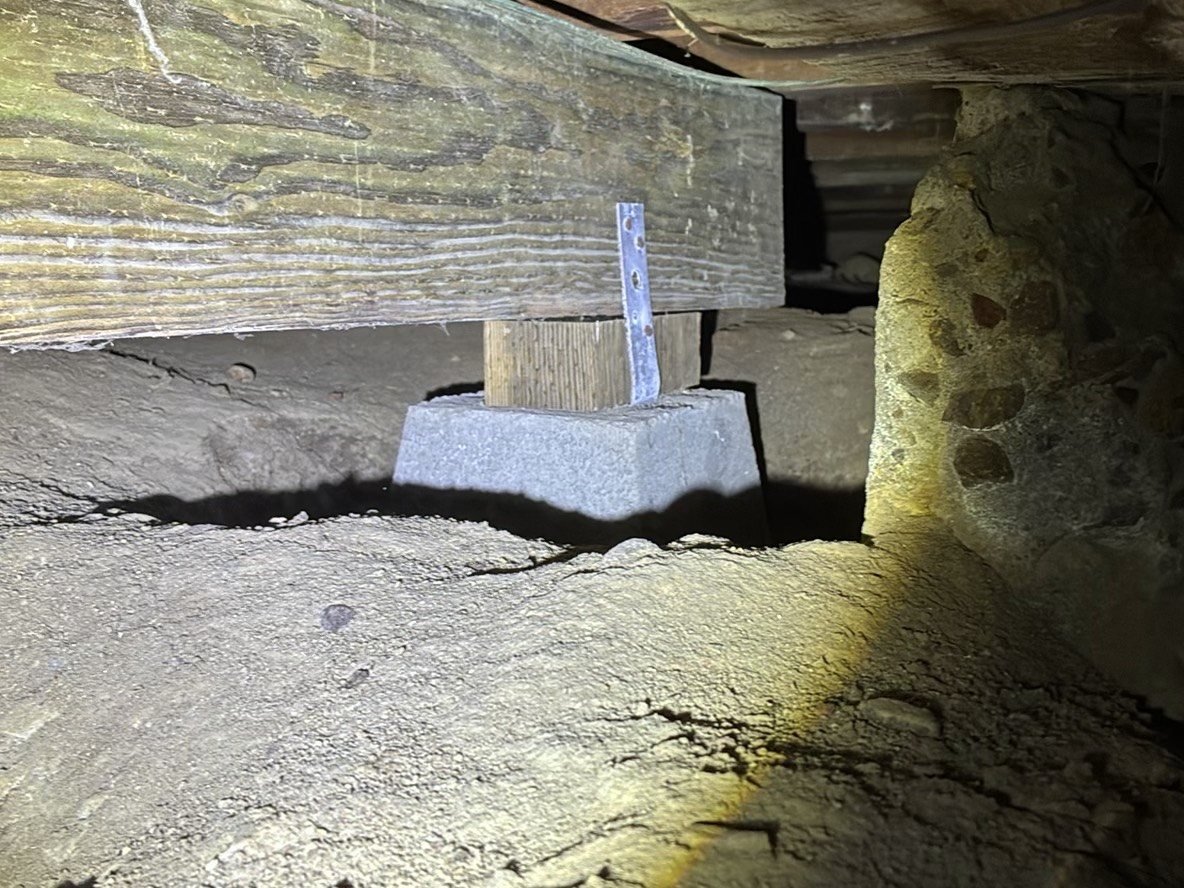
- Raised over crawlspace — found on some of the older and custom-built Vista homes. Where I can get under the floor, I check piers, posts, girders, and the mudsill for settlement, rot, and shimming that's covering for a problem.
- Post-tension slab — the cabled pad poured across Vista's newer master-planned subdivisions. I identify it and treat it with care, because the tensioned tendons inside dictate what can safely be done about any crack.
From there I gather the evidence the soil leaves throughout the house: the width and direction of slab and stem-wall cracks, floors that pitch or feel uneven underfoot, doors and windows that drag or won't catch, and the diagonal drywall cracks that run off opening corners. Outside, I read the causes — lot grading, where roof and yard water ends up, and whether the soil against the perimeter is being held too wet or too dry. You receive a documented read on the present condition; where it signals genuine structural movement, I say so directly and route you to an engineer.
Why do Vista's mixed soils matter to a foundation?
Reading a Vista foundation means reading several possible soils, because this transition belt doesn't hand you just one. These are the conditions I'm weighing block by block:
- Patchy expansive clay: pockets of clay-rich soil run through the flatter Vista neighborhoods, and clay behaves seasonally — taking on water and swelling through the wet months, then shrinking back as it dries. That rise-and-fall is the leading cause of the slab heave and seasonal door-binding I find on the older ranch homes.
- Sandy loam and mixed alluvium: a lot of Vista sits on looser, sandier ground that drains better than clay but compacts and settles differently, especially where a lot was filled or re-graded decades ago without today's engineering.
- Decomposed granite on the foothill edges: toward the eastern rises and the slopes climbing out of town, decomposed granite drains fast but creeps downhill on a grade, slowly working a foundation and cracking flatwork over the years.
- Cut-and-fill hillside pads: Vista's sloped parcels often sit on pads cut into one side and filled on the other. When the fill side consolidates faster than the cut side, the foundation registers it, and the crack pattern usually points to the half that's dropping.
- Aging ranch-era footings: many of Vista's 1950s–70s homes rest on shallow footings and stem walls poured before modern soil reports were routine, so they respond to that mixed ground differently than a newer engineered slab would.
What are the common findings on Vista foundations?
Across Vista's housing stock the findings settle into a recognizable range, and sorting cosmetic from structural before you lift a contingency is the entire point of the visit:
- Seasonal shrink-swell cracking — thin slab and drywall cracks on the clay-pocket lots that widen in winter and close in summer, generally cosmetic but worth tracking over a season.
- Settlement on sandy and filled lots — localized dropping where looser soil or old fill has compacted unevenly, more common on Vista's sandier ground than people expect.
- Sloping or uneven floors — dips and pitches, frequent on cut-and-fill hillside parcels and on raised ranch homes with tired piers.
- Binding doors and racked windows — units that stick, won't latch, or show a tapered gap, the everyday sign an opening has gone out of square as the slab flexes.
- Stair-step and diagonal cracks — running off door and window corners, the classic tell of a foundation moving on soil that swells and shrinks.
- Crawlspace trouble on older homes — settled or shimmed piers, moisture and rot at the mudsill, and weak support under a raised floor.
- Drainage faults driving it — absent gutters, downspouts emptying at the base of the wall, grading tilted back toward the house, and irrigation soaking the perimeter.
None of this on its own means the foundation has failed. A great deal of what I find is age-normal shrinkage or a drainage correction waiting to happen. My work is to draw the line between the cosmetic and the items that signal active movement, and to be plain about which is which.
How does the visit run, and what report do you receive?
It opens with a call to (619) 752-4399 or an email carrying the Vista address, the home's age, and a quick note on what prompted the look — a crack you've watched lengthen, a door that recently started dragging, a floor that feels off, or a hillside lot you're about to commit to. That detail tells me where to dig in hardest.
On site I confirm the foundation type, then work the home inside and out: the slab edge and stem walls, the crawlspace where one exists and I can reach it, the floors for slope, the openings for binding, and the walls and ceilings for the crack patterns that trace back to movement. Outside I read the grading and the path water takes across the lot, because on Vista's mixed ground that's where the cause usually lives. Every finding is photographed and written up.
You get a HomeGauge report naming the foundation type, describing each observed condition in plain language, and making a clear call on what's cosmetic versus what points to active structural movement — with a photo behind every item. In most cases it lands the same day or the next. Where the evidence earns it, I recommend a licensed structural engineer for certification or repair design. I assess and document observed condition; I don't certify the foundation, design the fix, or perform the repair, and that keeps the read independent.
Why do Vista owners have me make the call?
The foundation is the one finding where judgment counts most — flag a harmless shrinkage crack as failure and you blow up a deal; miss real movement and it costs far more down the road. Telling them apart on Vista's patchwork of soils is earned experience, not a checkbox. I'm an InterNACHI Certified Professional Inspector (CPI) and I hold a California CSLB General Contractor license (#1113143). That builder's background is exactly what lets me read a crack for what it actually means — whether it traces to soil and drainage you can correct, or to movement that genuinely belongs to an engineer.
- 20+ years and 10,000+ inspections across San Diego County, including Vista's postwar ranch tracts, its sandy and filled lots, and the decomposed-granite parcels on the town's eastern edges
- 4.9 stars across 106 Google reviews
- Independent and conflict-free — I inspect and report; I don't sell foundation repair or underpinning, so nothing in the report steers you toward work you may not need
When the findings call for it, I refer you to a licensed structural engineer who can certify the foundation or design a repair around precisely what I documented, so nothing is lost in the handoff. Reach me directly at joe@sandiegohomeinspection.com or the number above.
Which related inspections pair with a Vista foundation check?
Foundation movement seldom travels by itself — the same soil and water that stress a slab tend to mark other systems too, and I can line these up around a single Vista visit:
- Full home inspection: the whole-house evaluation this foundation read folds into — start at the Vista hub if you're buying
- Sewer scope: the same shifting clay and settling fill that crack a slab pull the buried sewer joints apart, so the lateral under an older Vista ranch home is worth a camera on the same trip — and a leaking line can feed the soil movement itself
- Thermal / infrared imaging: catches hidden moisture along a foundation or under a slab that drainage problems leave behind
- Roof inspection: gutterless roof runoff is a leading driver of the foundation soil-moisture swings I find, and Vista's inland sun ages roofing fast
- Pool and spa inspection: common on Vista's larger ranch lots, where a leaking shell or deck drain can soak the soil against a nearby foundation
Not sure what your address actually needs? Send it over and I'll tell you what's worth doing before you spend on any of it — see all inspection services we offer or get a quote through contact.
Vista Foundation & Slab Inspection FAQs
What does a foundation inspection cost in Vista?
Are foundation cracks in my Vista home a real problem?
Why do Vista homes get foundation movement in the first place?
Do you inspect post-tension slabs in newer Vista homes?
Will you certify my foundation or tell me how to fix it?
I'm buying an older ranch home in Vista. What foundation issues should I expect?
Slab surveys in action
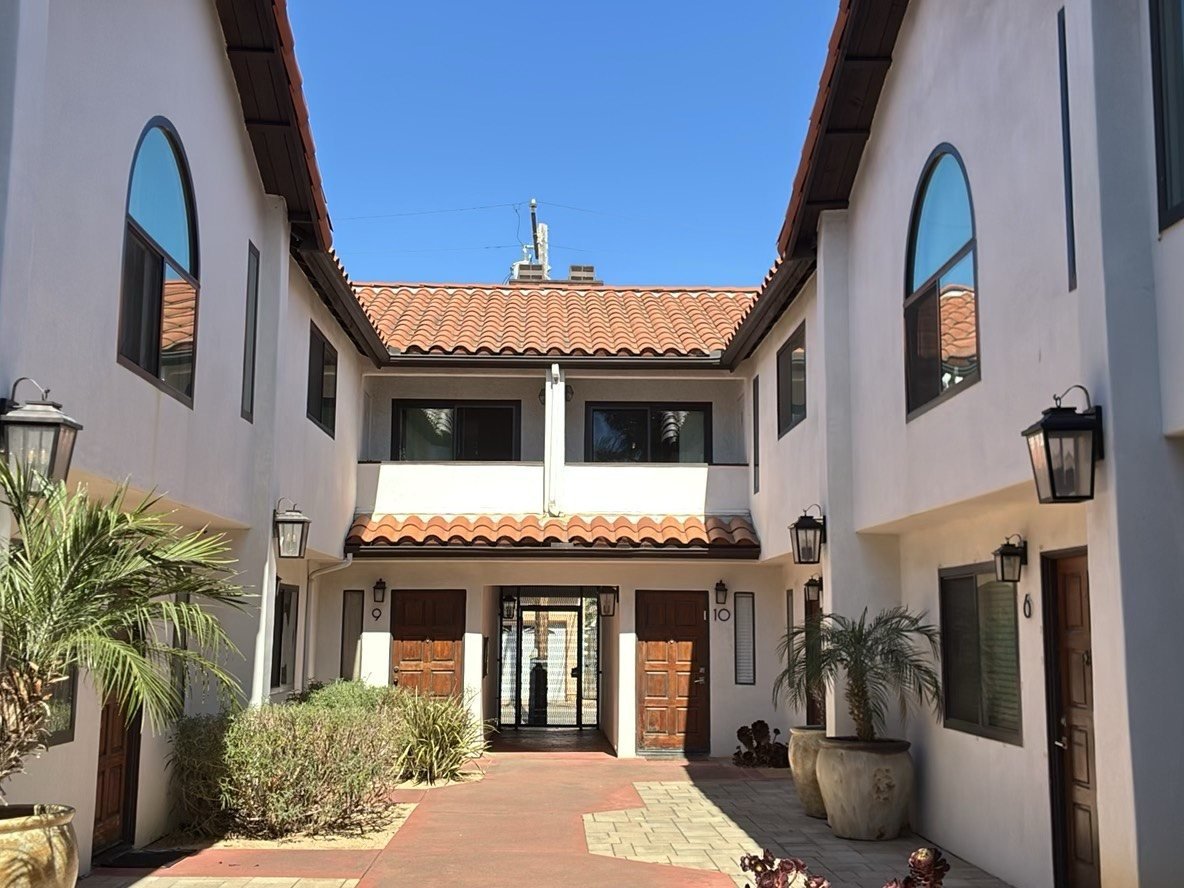
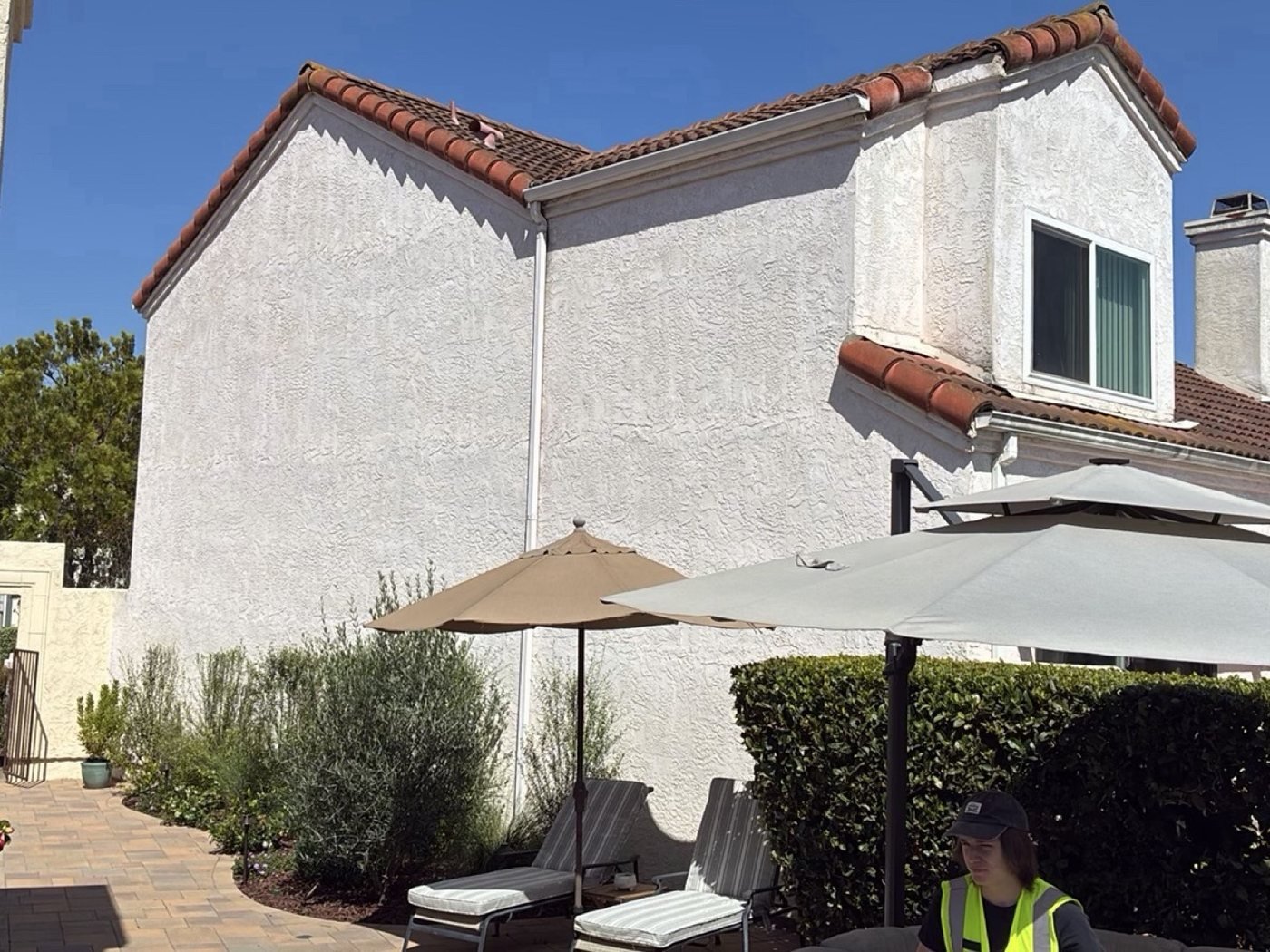
ZipLevel altimeter measurements and foundation documentation from recent surveys.
More inspections in Vista
- Seller inspection in Vista
- Warranty inspection in Vista
- Commercial roof cleaning in Vista
- Commercial inspection in Vista
- Home inspection in Vista
Nearby and countywide
Were You Happy With Your Inspection?
We are proud of our 4.9-star rating across 100+ Google reviews. If Joseph and the team did right by you, a quick Google review helps other San Diego County buyers and sellers find us.