
Thermal Imaging Inspection in Vista, CA
A thermal camera doesn't photograph the wall in front of it — it photographs temperature. That single distinction is why an infrared sweep catches what a careful walk-through can't: the damp patch reading a few degrees cooler than the dry drywall around it, the breaker glowing under load, the cool shadow spreading across a ranch-house ceiling from a leak that hasn't reached the paint yet. I fold an infrared scan into the standard inspection so those invisible differences become something you can see and decide on.
Vista sits in north county's transition zone, where the coastal influence thins out and the inland heat takes over, and the housing is mostly older single-story ranch stock spread across hills and valleys with soils that change from one street to the next. That combination hides a particular set of problems, and infrared is built to surface them. I'm Joseph Romeo. The scan is a non-invasive add-on that sharpens the inspection — nothing is opened or drilled — and it's honest about its limits: the camera flags anomalies worth a second look, it doesn't x-ray the structure or promise what's behind it. Below is what the scan covers, why Vista's terrain makes it worth running, what it commonly surfaces, how the report comes together, and where my scope stops.
Call (619) 752-4399 Schedule an Inspection
What does an infrared sweep cover on a Vista ranch home?
The camera converts surface temperature into a heat map, and the places where that map breaks pattern — a cool streak, a warm joint, a damp halo — are what I chase down. Vista's wide, single-story floor plans mean a lot of ceiling and exterior-wall area to read, and the sweep on one of these homes covers:
- Long ceiling runs for moisture. Evaporation pulls heat out of a damp surface, so wet areas read colder than the dry material beside them — the camera catches active intrusion and recent leaks across those broad ranch ceilings before a stain ever forms.
- The electrical panel under load. A breaker carrying too much, a loose lug, or a tired connection runs hot, and that signature stands out clearly against its neighbors.
- Insulation across the attic and walls. Settled batts, gaps, and bare spots read as temperature bands where conditioned air is leaking through the envelope.
- HVAC delivery. Registers that under-deliver, ducts losing air into the attic, and rooms at the far end of a long ranch layout that never reach temperature.
- Plumbing-wall and floor signatures. Warm trails from pressurized supply leaks and cool tracks from drains where they cross a reachable surface.
- Window and slider perimeters. Air movement and water entry at the framing edges on aging units.
Where I can reach a flagged area, I back the thermal read with a moisture meter, so an anomaly reaches your report with a second reading behind it rather than a striking image and nothing else.
Why does Vista's transition-zone terrain reward the scan?
Vista doesn't behave like a purely coastal town or a purely inland one — it straddles both, and that in-between character is exactly what produces the hidden problems infrared is good at finding:
- Marine layer that reaches but doesn't dominate. Overnight and morning humidity still pushes in from the coast a few miles west, then burns off into hot afternoons. That daily swing works moisture past aging window and slider seals on the older ranch stock, and the camera reads the dampness before the cycle rots framing.
- Soils that change block to block. Vista's varied ground — clay pockets, decomposed granite, and fill on the graded hillside lots — swells and shrinks unevenly through the seasons. That movement stresses the copper supply lines run beneath slabs, and a developing slab leak shows up thermally as a warm path on the floor well before it surfaces.
- Aging wiring in mid-century ranch tracts. Many of Vista's single-story homes date to an era when panels and circuits were sized for far lighter loads than today's households put on them. Infrared finds the overheating breaker or connection a visual-only check would miss until it failed.
- Inland heat driving the cooling load. Once the marine layer clears, Vista bakes. Missing or slumped insulation across those expansive ranch ceilings turns straight into a higher cooling bill, and the camera maps exactly where the conditioned air is escaping.
Which anomalies keep surfacing on Vista properties?
Run the camera across enough homes in this part of north county and the same signatures recur. Each is something I flag for further evaluation — never a verdict on its own:
- Damp halos at window and slider perimeters — cool signatures at the heads and sills of aging units where the daily humidity swing has worked past worn seals on the older ranch stock.
- Warm floor trails from slab leaks — a heat path crossing a slab where a pressurized line is leaking underneath, common where Vista's shifting soils have stressed the plumbing.
- Hot spots at the panel — a breaker, lug, or service connection reading noticeably warmer than the rest, the mark of an overloaded or loose connection in a decades-old system.
- Slumped or missing insulation — temperature bands across the long ceilings and exterior walls where batts have settled or were never installed, driving up the summer cooling load.
- Duct and register losses — supply runs bleeding conditioned air into the attic and far bedrooms that never quite cool on a hot afternoon.
- Hidden ceiling leaks — cool evaporative shadows under a roof valley or an upstairs bath that haven't bled through the drywall yet.
For each one I document the anomaly, confirm it with a meter where it's reachable, and tell you plainly whether it reads like active intrusion or a harmless temperature difference.
How does the scan run, and what does the report tell you?
It starts with a call to (619) 752-4399 or an email with the address and whether you want the infrared scan built into a full home inspection or run as a focused add-on. The scan works best riding along with the standard inspection, because the camera points me where to look and the hands-on checks confirm what it found.
On site I sweep the interior ceilings, walls, and floors, the panel under load, the reachable plumbing and HVAC, and the window and slider perimeters. Infrared depends on a temperature difference to read well — a meaningful contrast between inside and outside sharpens what the camera sees — so I scan when conditions give a clean result and note where they limited it. Anything the camera flags, I verify with a moisture meter where I can reach it before it lands in writing.
The deliverable is a HomeGauge report carrying the thermal images, a plain-language note on each anomaly, the confirming meter reading where I took one, and a clear recommendation for further evaluation where it's warranted — usually same day or next day, which keeps a tight Vista contingency window moving. I report what the camera and meter observed. I don't open walls, run leak pressure-tests, or repair what turns up.
Why do Vista owners trust the read behind the camera?
An infrared image is easy to capture and easy to misread — sun load on an exterior wall and a genuine wet patch can look alike to someone who doesn't know the difference. The value is the judgment behind the lens. I'm an InterNACHI Certified Professional Inspector (CPI) and I hold a California CSLB General Contractor license (#1113143). That building background is what lets me separate a real moisture anomaly from a benign thermal shadow, and tie a hot spot at the panel to what's actually happening in the circuit behind it.
- 20+ years and 10,000+ inspections across San Diego County, including Vista's mid-century ranch tracts and its graded hillside lots.
- 4.9 stars across 106 Google reviews from buyers, sellers, and the agents who send them.
- Independent — I don't sell repairs, restoration, or electrical work, so a flagged anomaly is never steered toward a job I'd profit from.
When the scan turns up something that needs more than a camera — a confirmed slab leak, a panel issue, a mold concern — I coordinate or refer the right licensed specialist rather than overstate what an inspection covers. Reach me at joe@sandiegohomeinspection.com or the number above.
Which inspections pair with a Vista thermal scan?
Infrared sharpens an inspection; it doesn't stand in for one. On a Vista home these companion services tend to earn their place alongside the scan:
- Full home inspection — the complete buyer's-grade review of roof, structure, electrical, plumbing, and HVAC that the thermal sweep rides along with and strengthens.
- Sewer scope — a camera down the lateral, worth running on older ranch homes where aging clay and cast-iron lines fail under the same soil movement that stresses the supply plumbing.
- Roof inspection — when the scan flags a cool ceiling plume, a roof read traces the intrusion back to its source above.
- Four-point inspection — the focused roof, electrical, plumbing, and HVAC report insurers ask for on older Vista homes; the panel hot spots infrared finds feed straight into it.
- Pool and spa inspection — a separate look at equipment and surfaces for the hillside lots where a backyard pool comes with the property.
Send the address and what you're trying to learn, and I'll tell you which of these genuinely apply before you spend on any of them.
Vista Thermal Imaging Inspection FAQs
What does a thermal imaging inspection in Vista cost?
Can the camera find a slab leak under my Vista floor?
Does the camera see through my walls?
Is infrared worth it if my older ranch home looks dry?
Can thermal imaging check the electrical panel on a mid-century Vista home?
Does weather change the infrared results in Vista?
Thermal scanning in action
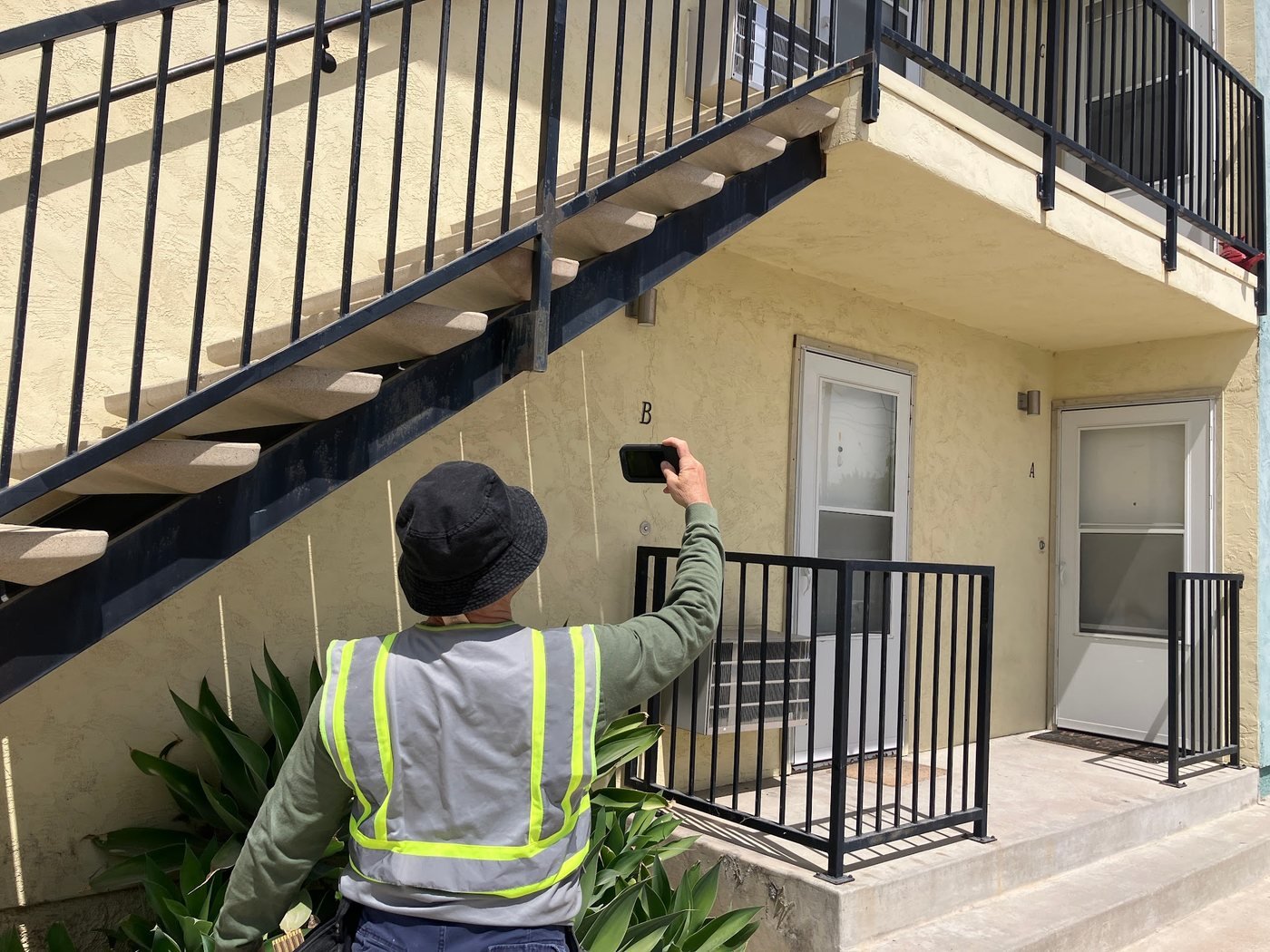
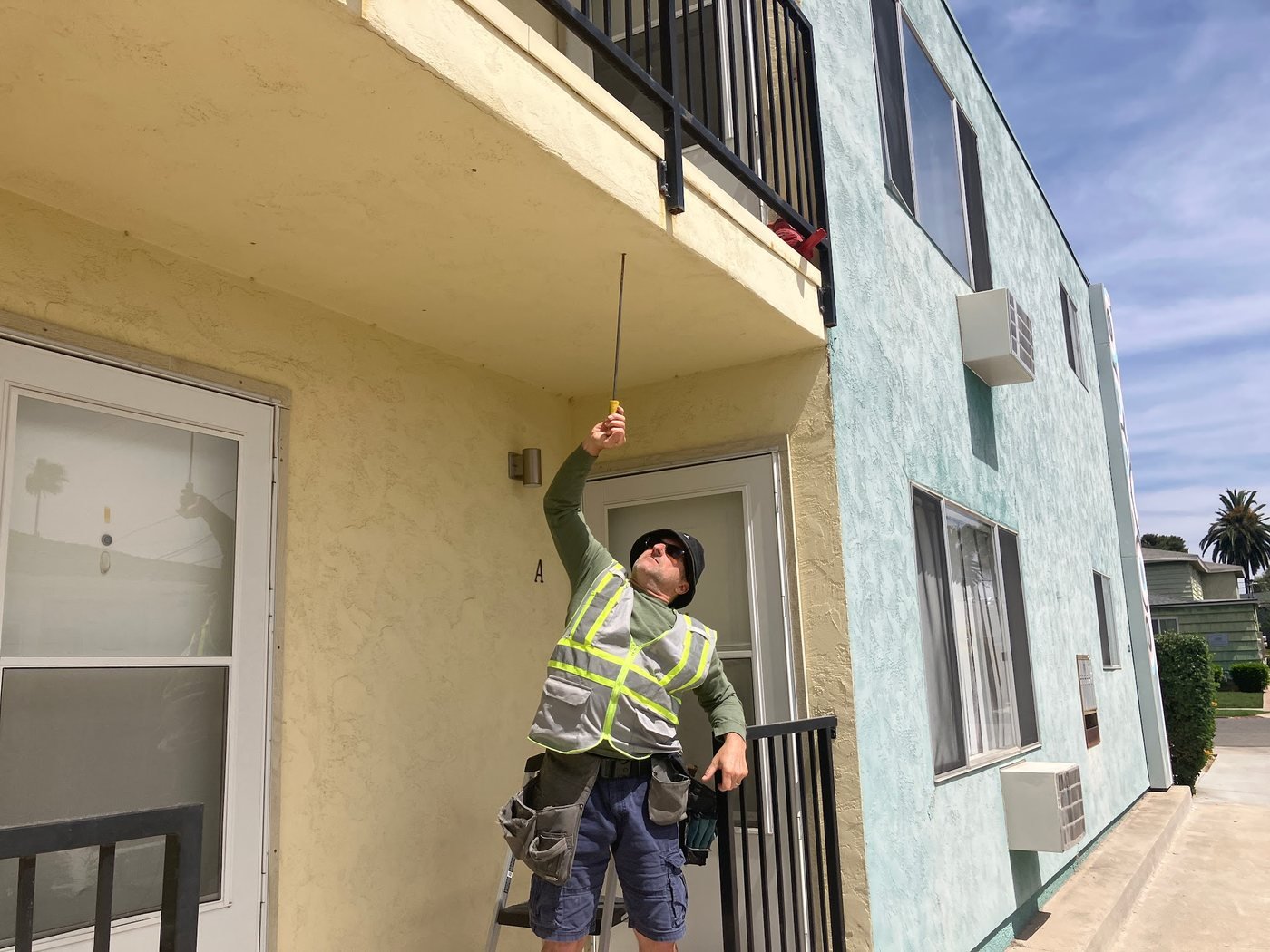
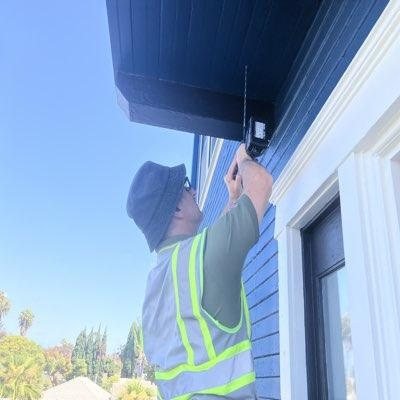
Our inspectors use FLIR thermal cameras to find moisture and heat issues hidden in walls and soffits.
More inspections in Vista
- SB 721 balcony inspection in Vista
- SB 326 balcony inspection in Vista
- SB 721 exemption letter in Vista
- Seller inspection in Vista
- Home inspection in Vista
Nearby and countywide
Were You Happy With Your Inspection?
We are proud of our 4.9-star rating across 100+ Google reviews. If Joseph and the team did right by you, a quick Google review helps other San Diego County buyers and sellers find us.