
4-Point Inspection in Vista, CA
When an insurance carrier wants a 4-point inspection on a Vista property, it is rarely a surprise to me. The single-story ranch homes that fill the older Vista tracts — the 1960s and 70s builds off Vista Village Drive, the ranch-and-rambler streets around Townsite, the early hillside places climbing toward Bonsall and the Vista Way corridor — sit squarely in the age band where California underwriters stop assuming and start asking. A 4-point is a tight report on the four systems those carriers actually pay claims on: roof, electrical, plumbing, and HVAC.
I'm Joseph Romeo. This is not a full home inspection, and it is not meant to be. The job is to document the age, the materials, and the present condition of those four systems on a form your insurer can underwrite from — nothing more, nothing wider. In a wildfire-pressured California market, more Vista owners get this request at renewal, not just at purchase. Below: what the report records, why Vista's transition-zone terrain and older stock shape the findings, what keeps turning up, how the visit runs, and where it stops.
Call (619) 752-4399 Schedule an Inspection
Which four systems do we record on a Vista 4-point?
The scope is fixed by what underwriters weigh, so I stay on those four systems and leave the rest of the house for a full inspection. For each one I capture material, approximate age, and the condition I can actually see and verify:
- Roof — covering type (composition shingle, the concrete and clay tile common on Vista's ranch and Spanish-influenced builds, or the occasional low-slope section over a room addition), an honest read on age and remaining service life, and visible wear such as cracked tile, granule loss, or tired flashing.
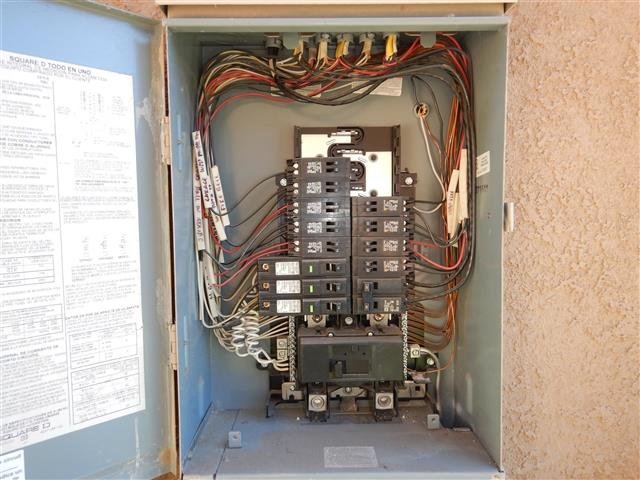
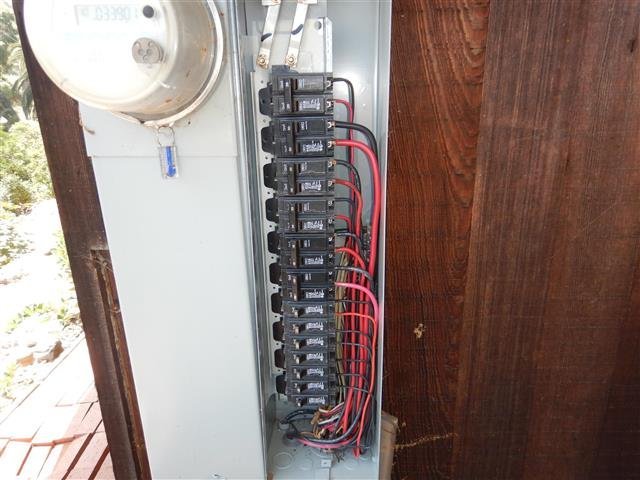
- Electrical — the service amperage, the panel manufacturer, and the branch-wiring type, with attention to the conditions carriers refuse to write over: Federal Pacific Stab-Lok, Zinsco, and Sylvania panels, plus knob-and-tube or aluminum branch runs.
- Plumbing — supply-line material (copper, galvanized, polybutylene, or PEX), drain material down to the cast-iron found in the oldest Townsite homes, water-heater age and condition, and corrosion or active drips at reachable fittings.
- HVAC — the heating and cooling type, its rough age, and whether it runs, including the side-yard and rooftop condensers that work hard through a Vista inland summer.
Each finding is photographed and written so the carrier can act on it. Anything sealed up or unsafe to reach gets noted as not inspected, not guessed at.
How do Vista's terrain and housing age shape the report?
Vista sits in a transition zone between the coastal strip and the inland valleys, and that in-between geography leaves a real fingerprint on these four systems. Pair it with the town's older ranch-home stock and you get a predictable set of underwriter concerns:
- Varied, shifting soils: Vista's lots run across a patchwork of expansive clay and decomposed-granite ground that swells and settles with the seasons. Over decades that movement works on buried supply and drain lines, which is one reason a carrier wants the plumbing material and condition documented before renewing an older policy.
- Hillside and slope exposure: Many Vista homes step up grades toward the eastern edges of town, and that exposure plus hot, dry afternoons ages roof coverings and runs cooling equipment hard — so remaining roof life and HVAC condition carry weight here.
- Older single-story ranch stock: Much of Vista's housing predates 1980, the exact 25-to-40-plus-year window where underwriters quit trusting that the panel, pipes, and roof are current and demand the paperwork.
- Wildfire-market pullback inland: As California carriers retreat from inland North County or push owners toward the FAIR Plan, the ones still writing in Vista lean on the 4-point to screen out the aged roofs and obsolete panels most likely to fail or ignite.
What keeps turning up on older Vista homes?
Because these inspections cluster on the same eras of Vista construction, a familiar handful of items recurs. Knowing them ahead of the visit lets you fix or disclose before a policy hangs on the result:
- Rejected panel brands — Federal Pacific Stab-Lok, Zinsco, and Sylvania panels still sit in plenty of un-updated Vista ranch homes, and many carriers decline outright until one is swapped.
- Aluminum branch wiring — common in the mid-60s-to-70s builds across town, and a fire-risk condition underwriters name specifically.
- Roofs at the edge of insurability — comp shingle worn thin by inland sun, or tile that looks sound while its underlayment and flashing are spent.
- Legacy supply piping — galvanized steel narrowing with rust in the oldest Townsite cottages, and polybutylene in certain late-70s and 80s tracts.
- Cast-iron drains — original waste lines corroding from the inside in the earliest Vista homes.
- Tired water heaters and HVAC — tanks past their service life or missing California's required seismic strapping, and furnaces and condensers well beyond 15 to 20 years.
I draw a clear line between a system that is simply old but sound and one a carrier will reject, and I photograph each so the report stands on evidence rather than opinion.
How does the visit run, and what does your carrier receive?
Start with a call to (619) 752-4399 or an email with the property address, the home's age, and the carrier or specific form you're satisfying — some insurers want a particular 4-point layout, and knowing it up front spares a second trip. A 4-point is faster than a full inspection because the target is four systems, not the whole house, so it slots easily around a renewal deadline or an escrow date.
On site I work each system directly: at the panel reading manufacturer and amperage and the wiring behind it, at the water heater and reachable supply lines for material and corrosion, across the roof for covering type and remaining life, and at the furnace and condenser to confirm type, age, and that the equipment actually runs. It's a focused visit, scoped to the four points a Vista underwriter asks about.
You get a HomeGauge report with each of the four systems documented — material, estimated age, and condition in the plain language a carrier needs — backed by photos of anything an insurer is likely to question, whether that's a Zinsco label, a corroded supply stub, or a worn condenser. In most cases it lands the same day or the next day. I record observed condition only; I don't pressure-test lines, perform engineering certifications, or bid and perform repairs on a home I inspect. When a finding needs a specialist or a licensed contractor, I tell you and coordinate or refer the right pro.
Why do Vista owners have me write the 4-point?
A 4-point is only as good as the judgment behind what gets flagged, and that's where my background matters. I'm an InterNACHI Certified Professional Inspector (CPI), and I also hold a California CSLB General Contractor license (#1113143). That contractor's experience pays off on exactly these four systems — I've installed and serviced panels, supply lines, water heaters, and roofs, so when I write that a Zinsco panel or a run of galvanized has to go, I know what the fix involves and can tell you straight.
- 20+ years and 10,000+ inspections across San Diego County, including Vista's older Townsite and Vista Village tracts and the hillside ranch homes on the town's edges.
- 4.9 stars across 106 Google reviews from buyers, sellers, and agents.
- Independent and conflict-free — I document the four systems for your carrier and don't sell the panel swap, the re-pipe, or the roof, so nothing in the report is steered toward work I'd profit from.
For the record: I'm InterNACHI CPI and CSLB-licensed, not an ASHI or CREIA member, and I don't post flat prices — the fee tracks the property, so I point you to the fee schedule or confirm a quote first. Reach me at joe@sandiegohomeinspection.com or the number above.
Which related inspections suit older Vista homes?
The 4-point answers your insurer's narrow question. If you're buying rather than renewing, or you want a fuller read on an older Vista home, a few companion inspections pair well in the same visit:
- Full home inspection — the whole house, structure included, the right call in escrow rather than just satisfying a carrier's four points.
- Sewer scope — a camera down the lateral, smart given the older clay and cast-iron lines under Vista's shifting soils, which a 4-point doesn't cover.
- Roof inspection — a closer, standalone look when the 4-point shows a roof near the end of its life and you need remaining-years detail.
- Thermal / infrared imaging — reads hidden moisture and electrical hot spots, useful when the panel or plumbing raises a flag.
- Pool and spa inspection — equipment, bonding, and safety for the backyard pools common on these larger Vista lots, separate from the insurance four points.
Send me the address, the home's age, and what your carrier is asking for, and I'll tell you which of these genuinely apply before you spend on any of them.
Vista 4-Point Inspection FAQs
Why is my insurer requiring a 4-point on my Vista home?
Is a 4-point inspection the same as a home inspection?
What gets a Vista home flagged on a 4-point?
How fast will I get the report for my carrier?
Do Vista's soils or hillside lots affect a 4-point?
Do you do termite or wind-mitigation reports too?
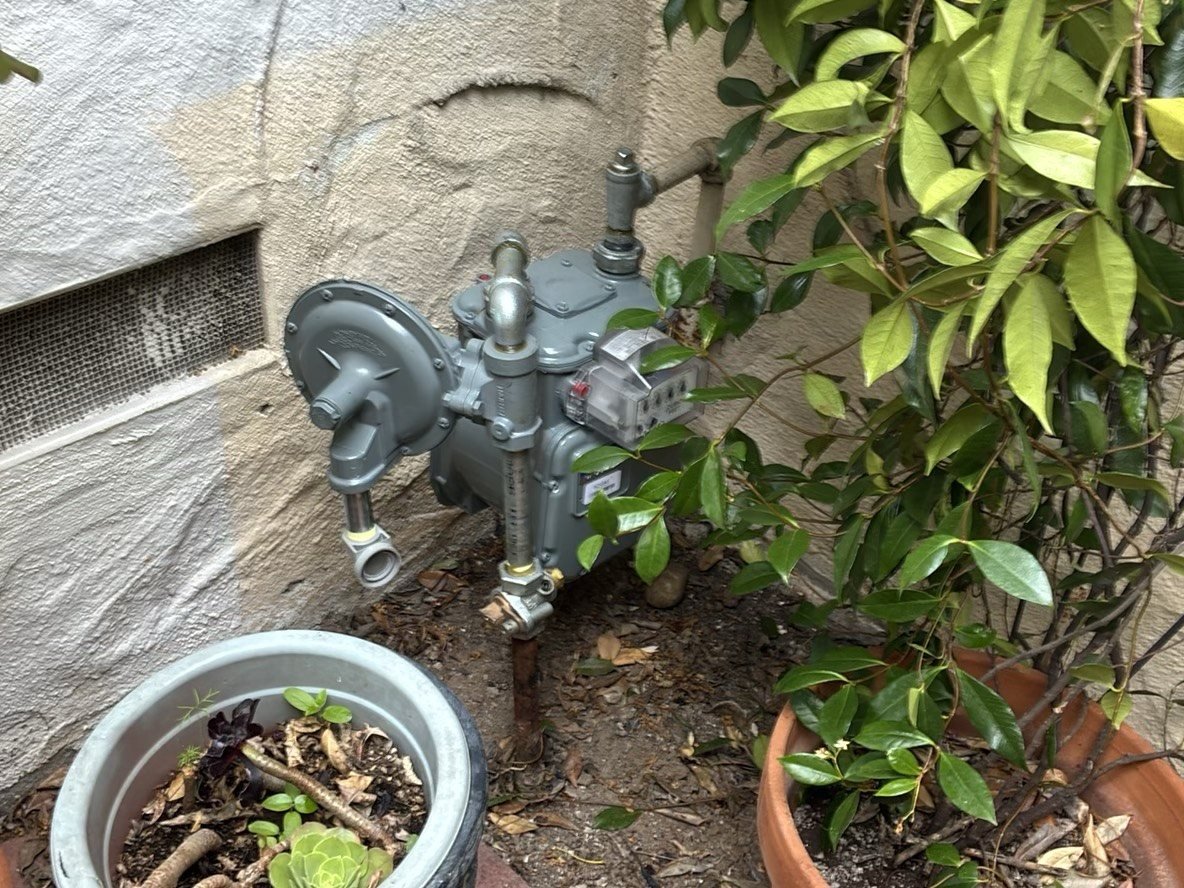
Roof, electrical, plumbing and HVAC
Documentation from recent 4-point inspections across San Diego County.
More inspections in Vista
- SB 326 balcony inspection in Vista
- SB 721 exemption letter in Vista
- Seller inspection in Vista
- Warranty inspection in Vista
- Home inspection in Vista
Nearby and countywide
Were You Happy With Your Inspection?
We are proud of our 4.9-star rating across 100+ Google reviews. If Joseph and the team did right by you, a quick Google review helps other San Diego County buyers and sellers find us.