
Roof Inspection in Vista, CA
Vista sits in a strange middle ground for roofs. You're a few miles back from the Carlsbad coast, so a soft marine layer still rolls in most mornings and salts up flashing and fasteners — but by afternoon the inland valleys behind the city are baking under full sun. That back-and-forth, damp dawns and hot dry afternoons, works a roof harder than a steady coastal or a steady inland climate would. Vista's older single-story ranch homes feel it first, and that's where a leak usually announces itself on a ceiling rather than on a report.
I'm Joseph Romeo. A roof inspection is a documented visual look at the roof covering and every part that keeps water off the structure — flashing, valleys, penetrations, vents, skylights, and the gutters that move runoff away. I describe condition, signs of aging or leakage, and remaining-life indicators, then point you to a licensed roofer for any repair or certification. I don't certify roofs and I don't do the work, so the read stays straight. Below: what the inspection reaches on a Vista home, the local conditions I'm watching, and what keeps turning up out here. The Vista home inspection hub handles the whole-house picture.
Call (619) 752-4399 Schedule an Inspection
What gets looked at on a Vista roof?
I treat the roof as a water-management system and document every part that can let it fail, with a photo behind each note. On a Vista property that's:
- The covering itself — asphalt composition shingle on most of the older ranch stock, concrete or clay tile on the newer hillside tracts, or flat foam and modified-bitumen on additions and low-slope sections. I record material, rough age, any added layers, and the wear that shows up differently on each.
- Flashing, valleys, and transitions — the metal at chimneys, walls, valleys, and roof-to-wall joints. On Vista's many add-on rooms and patio covers, the original-to-addition transition is a recurring weak point I look at hard.
- Penetrations and vents — plumbing stacks, flue caps, attic and gable vents, and the rubber boots that dry and split. On parcels near the wildland edge I also note whether vents are screened against embers.
- Skylights — curb, glazing, and surrounding flashing, common on the remodeled ranch homes around town.
- Gutters and drainage — whether runoff actually clears the foundation, which matters a lot given Vista's mixed and shifting soils.
- Attic, where I can get in — staining, daylight at penetrations, prior patches, and the ventilation that decides how fast a deck cooks from beneath.
The output is a condition read with remaining-life indicators. Roof certifications and repair quotes belong to a licensed roofer, and I'll say plainly when one is warranted.
How does Vista's coast-to-inland setting wear a roof?
Vista's position as a transition zone — not coastal, not fully inland — gives it a roof-wear profile of its own. Here's what I'm reading for:
- Salt-laden marine air on the metal: The morning fog that reaches Vista carries enough salt to corrode flashing, drip edge, valley metal, and exposed fasteners over time. I look for rust bleed, pitted nail heads, and lifting metal — the slow coastal-adjacent failures that don't reach the inland valleys.
- Afternoon inland heat and UV: Once the marine layer burns off, Vista's roofs take hard sun. Asphalt shingles lose granules and curl, and the foam on flat sections chalks and blisters. The covering ages from both directions — damp mornings, hot afternoons.
- Older ranch-home roofs: Much of Vista is mid-century single-story ranch stock, and those roofs have often been re-covered once or twice. I look for multiple layers, mismatched repairs, and shallow-slope sections where rolled or built-up roofing is near the end of its run.
- Varied, shifting soils: Vista's geology is a patchwork — some lots on expansive clay, others on looser decomposed granite. Roof runoff dumped at the base of the wrong soil feeds movement that telegraphs into the structure, so where the gutters discharge is part of the read.
- Wildland edges: The hills and canyons rimming Vista push some homes into wildfire-exposed terrain, where unscreened vents, debris-packed valleys, and open eaves become ember entry points worth flagging.
What conditions keep turning up on Vista roofs?
Patterns repeat by roof type and by the age of the neighborhood. Catching them before an offer or a renewal puts you ahead of the deadline instead of behind it:
- Corroded coastal-adjacent metal — rusting valley metal, drip edge, and fasteners on homes that catch the morning marine air, a Vista wrinkle the inland cities don't share.
- Layered-over ranch roofs — two or three coverings stacked on an older single-story home, adding weight and hiding the deck's true condition until a tear-off is forced.
- Addition and patio-cover leaks — failed flashing where a later add-on ties into the original roofline, one of the most common true leak sources on Vista's remodeled ranch homes.
- Dried, split pipe boots — cracked neoprene at plumbing penetrations, an easy fix but a frequent quiet leak across every covering type here.
- Tile over tired underlayment — on the newer hillside tracts, sound-looking tile sitting on felt that's gone brittle, where a lift-and-relay rather than a full tear-off may be the path.
- Ponding and blistered foam — low spots and UV-degraded coating on flat foam sections that want recoating before water gets into the membrane.
- Attic stains telling the real story — old and active moisture marks at penetrations and valleys that the surface hasn't given up yet.
None of it is a verdict by itself. I separate cosmetic wear from a covering that's actively leaking or near its end, and the report lays it out so you and a roofer can sort now from later.
How does the inspection run, and what report do you receive?
Start with a call to (619) 752-4399 or an email with the Vista address. I'll ask the roof's covering type and rough age if you know them, and whether this is a standalone roof look or part of a fuller inspection — on a purchase it usually rides along with the whole-house visit.
On site I assess the roof however the conditions allow. I walk it where the slope and covering are safe to walk; on steep tile, fragile foam, or a brittle older covering I work from a ladder at the eaves, from the ground with optics, and from inside the attic for the underside of the deck. I move through the covering, then the flashing and valleys, the penetrations and vents, the skylights, and the gutters and drainage, then get into the attic where access permits to check leakage and ventilation. Each finding is photographed.
You receive a HomeGauge report documenting the roof's condition, the specific defects, and remaining-life indicators, with photos behind every call — usually same day or next day, so an inspection contingency or a listing doesn't stall. When something needs a specialist — corroded valley metal, an addition-flashing leak, underlayment near its end — I tell you straight and point you to a licensed roofer. I document observed condition; I don't certify the roof or bid the repair, which keeps the findings free of anyone selling the work.
Why do Vista owners and agents bring me in?
A roof report only earns its keep if the judgment behind the call-outs is sound — telling a roof with three years left from one with twelve, or a cosmetic crack from a leak forming. I'm an InterNACHI Certified Professional Inspector (CPI) and I hold a California CSLB General Contractor license (#1113143). That build background is what lets me tell you whether a flagged item is a spot repair or points toward a re-roof, and roughly what each path involves, before you ever call a roofer.
- 20+ years and 10,000+ inspections across San Diego County, including Vista's mid-century ranch homes, its newer hillside tile tracts, and the wildland-edge parcels on the city's rim
- 4.9 stars across 106 Google reviews
- Independent and conflict-free — I document the roof and report what's there; I don't sell roofing, recoating, or certifications, so nothing gets steered toward work I'd profit from
When the roof needs a specialist's hands or a formal certification, I coordinate or refer a licensed roofer to act on the exact findings. Reach me directly at joe@sandiegohomeinspection.com or the number above.
Which related inspections pair with a Vista roof check?
The roof is one system, and on most Vista visits it makes sense alongside a wider look at the house. I can line these up around a single trip:
- Full home inspection: the whole-house, buyer's-grade evaluation — start at the Vista hub if you're purchasing rather than only checking the roof
- 4-point inspection: roof, electrical, plumbing, and HVAC documented together, which carriers often want on Vista's older ranch homes before they'll write or renew
- Attic and ventilation evaluation: the underside of the roof you just had looked at, where moisture and airflow problems show first
- Thermal / infrared imaging: finds hidden moisture behind ceilings and walls where a roof leak has already tracked
- Foundation and drainage review: ties roof runoff to Vista's varied, shifting soils, where gutter discharge can feed movement
- Sewer scope: unrelated to the roof, but the aging laterals under Vista's older lots fail expensively and are worth scoping on a vintage home
Not sure what your address needs? Send it over and I'll tell you what genuinely applies — see all inspection services we offer or get a quote through contact.
Vista Roof Inspection FAQs
What does a roof inspection cost in Vista?
Do you walk the roof or inspect from the ground?
Does Vista's coastal air actually affect my roof?
My Vista home is an older ranch. What's different about its roof?
Can you certify my roof or tell me exactly how long it has left?
Does the inspection account for wildfire ember risk?
Roofs we document
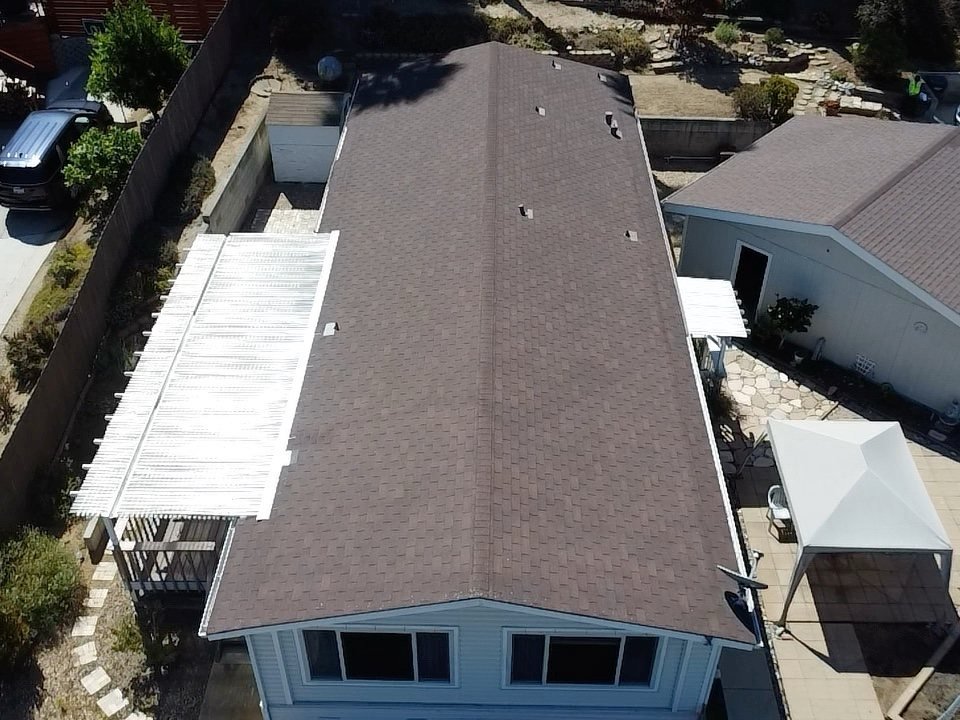
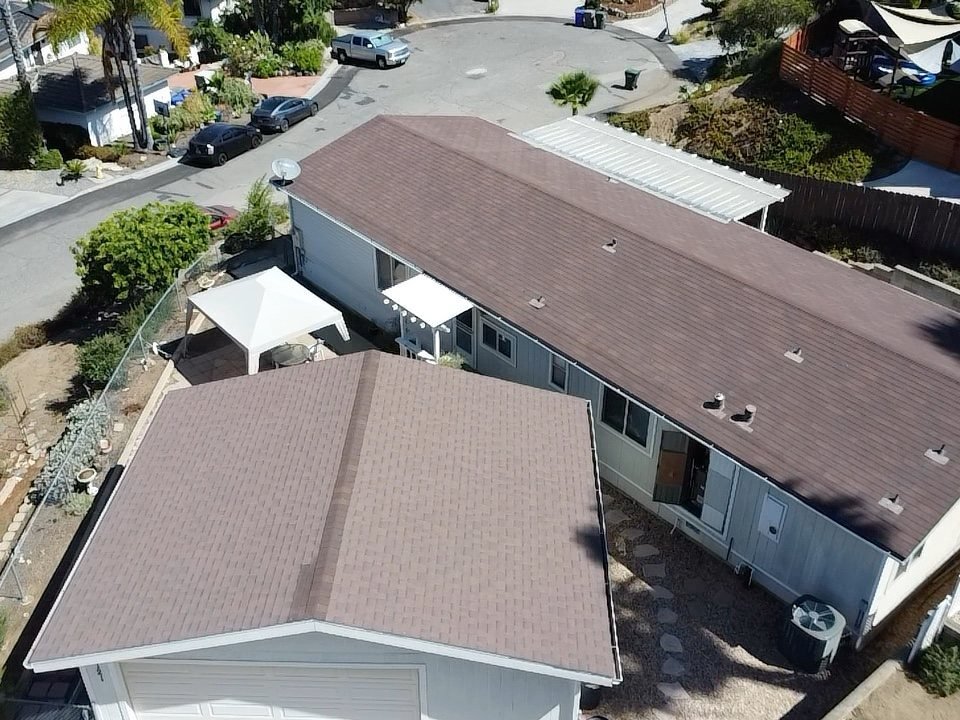
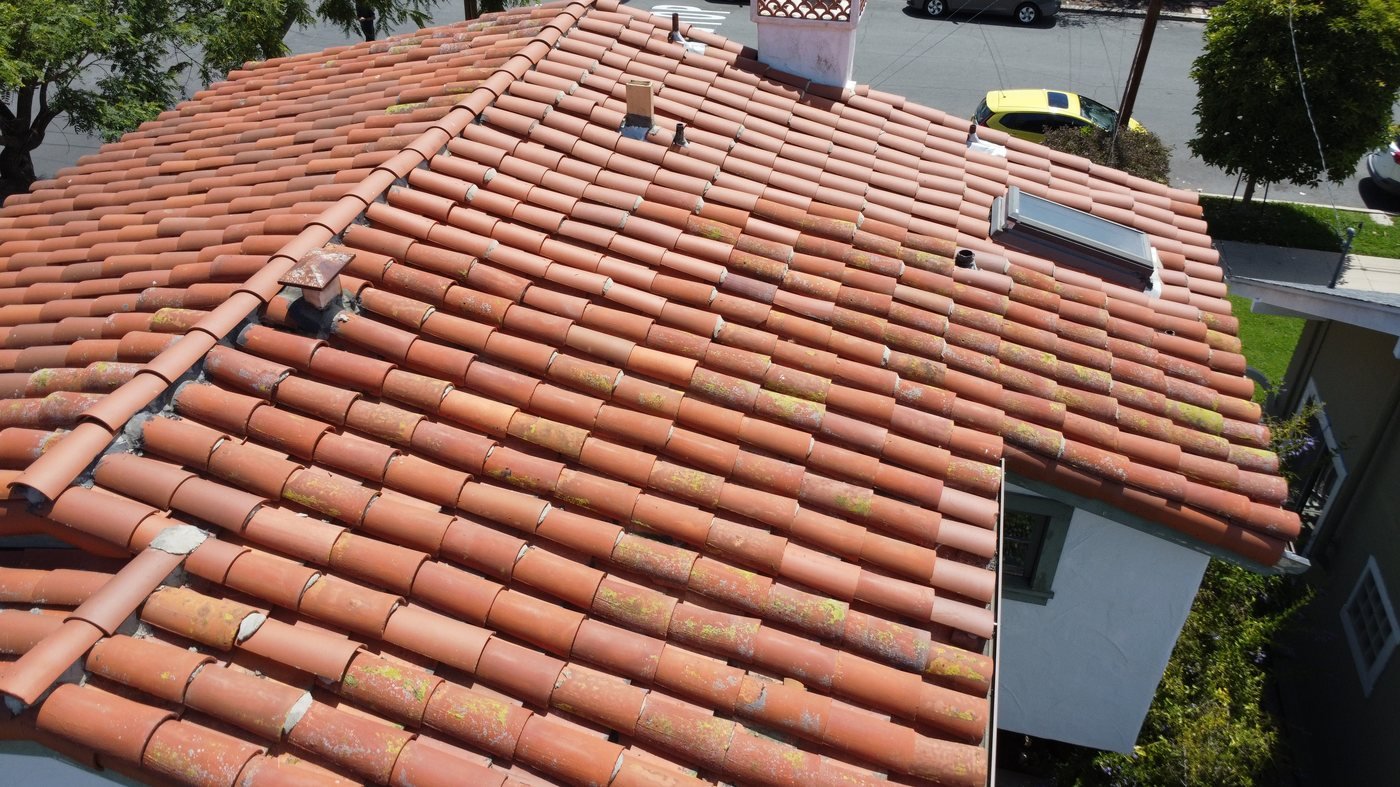
Aerial and on-roof photos from recent San Diego County roof inspections.
More inspections in Vista
- Seller inspection in Vista
- Warranty inspection in Vista
- Commercial roof cleaning in Vista
- Commercial inspection in Vista
- Home inspection in Vista
Nearby and countywide
Were You Happy With Your Inspection?
We are proud of our 4.9-star rating across 100+ Google reviews. If Joseph and the team did right by you, a quick Google review helps other San Diego County buyers and sellers find us.