
Sewer Scope Inspection in Vista, CA
Vista sits in a transition zone — the ground tips from the coastal flats up into the inland hills, and the soil changes character every few blocks along with it. That matters for the one part of a Vista home a walkthrough never reaches: the main sewer lateral buried under the front yard, carrying everything out of the house toward the street main or, on the avocado and ranch parcels east of town, toward a septic tank. A standard inspection watches the drains; it can't tell you whether forty feet of buried clay is flowing or failing.
I'm Joseph Romeo. A sewer scope settles the question. I run a waterproof, self-leveling video camera down the lateral from a cleanout and push it the length of the line, recording the whole trip so you can read the pipe's condition and its material before your contingencies lift. Vista's older ranch homes off Foothill, the postwar tracts near the village, and the larger lots out toward Bonsall and the backcountry were laid in clay, cast iron, and in places Orangeburg — the materials that age badly underground. This page covers what the scope reads, why Vista's soils and tree cover earn it, what the camera typically finds, and where a licensed plumber takes the job from there.
Call (619) 752-4399 Schedule an Inspection
What does the scope read on a Vista sewer lateral?
This is a recorded camera inspection of the readily accessible lateral — the private line from the house to the public main or the septic inlet. It can ride with your home inspection or run on its own. On a Vista property I feed the camera in from a cleanout or accessible access point and document, on continuous video:
- Pipe material and transitions. Whether the run is vitrified clay, cast iron, Orangeburg fiber pipe, or modern ABS/PVC — and the joints where an old original line was spliced into newer pipe, which is where failures tend to begin on a remodeled ranch home.
- Root intrusion. The feeder roots and root masses that find their way in at clay joints, the leading cause of backups under Vista's decades-old yard plantings.
- Bellies and sags. Low spots where the line has settled and water and waste collect instead of running downhill to the main.
- Cracks, offsets, and separations. Fractured pipe wall, joints shifted out of line, and sections pulled apart by ground movement.
- Corrosion and scale. The channeling and flaking that eats the bottom out of an old cast-iron line and quietly narrows it.
- Blockages and past repairs. Grease, debris, intruding taps, and any spot fixes or liner work a previous owner had done and never disclosed.
Where there's no accessible cleanout, where the line is fully blocked, or where standing water hides the pipe wall, I note exactly how far the camera reached rather than imply I saw the entire run. I document observed condition only — I don't dig, jet, or repair the line.
Why do Vista's soils and ranch homes earn the camera?
What's under a Vista yard depends on the era of the house, what's growing over the line, and which way the lot drains in this transition-zone terrain. These are the local conditions that make the scope worth running here:
- Pre-1975 clay and cast iron. The older ranch and postwar housing near the village and along Foothill was plumbed in vitrified clay and cast iron. Clay cracks and opens its joints to roots; cast iron rusts from the inside out. Neither failure shows at the fixture.
- Mature trees over old lines. Vista's older ranch lots were landscaped generously decades ago — pepper, eucalyptus, and the avocado and citrus that gave this area its agricultural roots. Those root systems chase the moisture in an aging clay lateral and intrude at every joint.
- Varied, shifting soils. The transition from coastal flats to inland hillside means soil type changes lot to lot, and expansive or eroding ground is what tilts a joint into an offset or drops a section into a belly. The same movement that cracks a slab works on the pipe beneath it.
- Hillside grade and slow-draining runs. On the sloped lots climbing toward the hills, a lateral that lost its fall to settlement turns into a belly that pools waste, and the recurring slow drain a seller learned to live with.
- Septic on the rural east side. Out toward Bonsall and the backcountry parcels, the lateral runs to a septic tank rather than a city main. I scope the line toward the tank so you know the pipe feeding the system is sound before you inherit it.
What does the camera commonly turn up here?
Run enough cameras through Vista laterals and the findings settle into a pattern. None of these automatically sinks a deal — they just need a real number attached before you waive a contingency:
- Root intrusion at clay joints. The headline find on older ranch lots, from a few feeder roots a plumber can jet out to a root mass already splitting the pipe.
- Bellied sections. Standing water mid-run where transition-zone soil movement dropped the line, so waste pools and the drain slows over time.
- Cast-iron channeling. The bottom of an original iron line corroded into a trough, with scale narrowing the flow above it.
- Collapsing Orangeburg. The tar-fiber pipe gone oval or delaminating — the find that usually points to a full lateral replacement rather than a repair.
- Offset and separated joints. Sections shifted out of alignment by ground movement, catching paper and grease and inviting more roots.
- Cracks and undisclosed spot repairs. Fractures in the pipe wall and patch jobs a seller never mentioned, sometimes the real reason a slow drain got quietly cleared just before listing.
I separate a line that's simply old but still flowing from one that needs a plumber now, so you and your agent can build a repair-or-credit position with recorded video behind it.
How does the scope run, and what does your report deliver?
It starts with a call to (619) 752-4399 or an email with the property address and a few details — the home's age, whether you know of a cleanout, and whether the line runs to the city sewer or a septic tank. The scope usually rides along with the home inspection on the same visit, so it's one schedule and one trip.
On site I locate a cleanout or accessible access point, feed the camera in, and run the lateral toward the main or the septic tank while the line records continuously. You're welcome to watch the monitor with me. Seeing roots push through a joint in real time, or the camera nose dip into a belly and go under, tells you more than any line item — and it helps you tell a jet-and-monitor situation from a dig-and-replace one. If the home has no accessible cleanout, I'll tell you up front what that limits.
Findings land in your HomeGauge report with the recorded video included, the significant items called out up front, the pipe material identified, and the location of each defect noted so a plumber can quote against it. Turnaround is same day or next day in most cases, which matters on a tight Vista contingency clock. I report observed condition only and never bid or perform the repair, so nothing on the video is steered toward selling you work. Hydro-jetting, spot repairs, and full lateral replacement are plumbing jobs — when the camera calls for it, I refer a licensed plumber rather than swing a wrench myself.
Why do Vista buyers have me run the scope?
A scope is only as good as the read on what's on the screen. Your inspection is run by Joseph Romeo, an InterNACHI Certified Professional Inspector (CPI) who also holds a California CSLB General Contractor license (#1113143). That contracting background is what lets me call the difference between an old clay line with a manageable root problem and a deformed Orangeburg run headed for replacement — I've worked the drain and waste systems I'm looking at.
- 20+ years and more than 10,000 inspections across San Diego County, from Vista's coastal-side tracts to the rural septic lots out east.
- 4.9 stars across 106 Google reviews from buyers, sellers, and the agents who refer us.
- Independent and conflict-free — I document the line's condition and don't dig, jet, or bid the repair, so there's no scare-tactic incentive on a buried pipe you can't see for yourself.
- Real familiarity with Vista's plumbing eras, from village-era clay and cast iron to the ABS and PVC in the newer hillside builds.
For the work that sits outside a camera inspection — hydro-jetting, a spot repair, a full lateral dig, or a septic pump-and-certification on a rural parcel — I coordinate or refer the right licensed plumber or specialist so each piece comes from the correct professional alongside my findings. Reach me at joe@sandiegohomeinspection.com or the number above.
Which Vista inspections pair with your sewer scope?
The sewer scope answers one buried question. On an older Vista home, a few companion inspections are worth folding into the same visit:
- Full home inspection — the house above the line, covering roof, structure, electrical, plumbing, and HVAC, most often run the same day as the scope.
- Four-point inspection — a focused look at roof, electrical, plumbing, and HVAC, useful on the older ranch stock when an insurer asks for it.
- Thermal / infrared imaging — reads hidden moisture from a slab leak or a drain backing up under the floor.
- Pool & spa inspection — worth bundling on the larger Vista lots where the same soil movement that bellies a sewer line also cracks decks and shells.
- Septic referral — for the rural and backcountry parcels east of town, I coordinate a septic specialist for the tank and leach field the lateral feeds.
Send me the address and the home's age, and I'll tell you which of these genuinely apply before you spend on any of them.
Vista Sewer Scope Inspection FAQs
What does a sewer scope inspection in Vista include?
Why does an older Vista ranch home especially need a sewer scope?
Do you repair the sewer line or clear the roots?
What if the Vista home has no accessible cleanout?
Can you scope a home on septic out toward Bonsall or the backcountry?
Can the sewer scope be done with the home inspection?
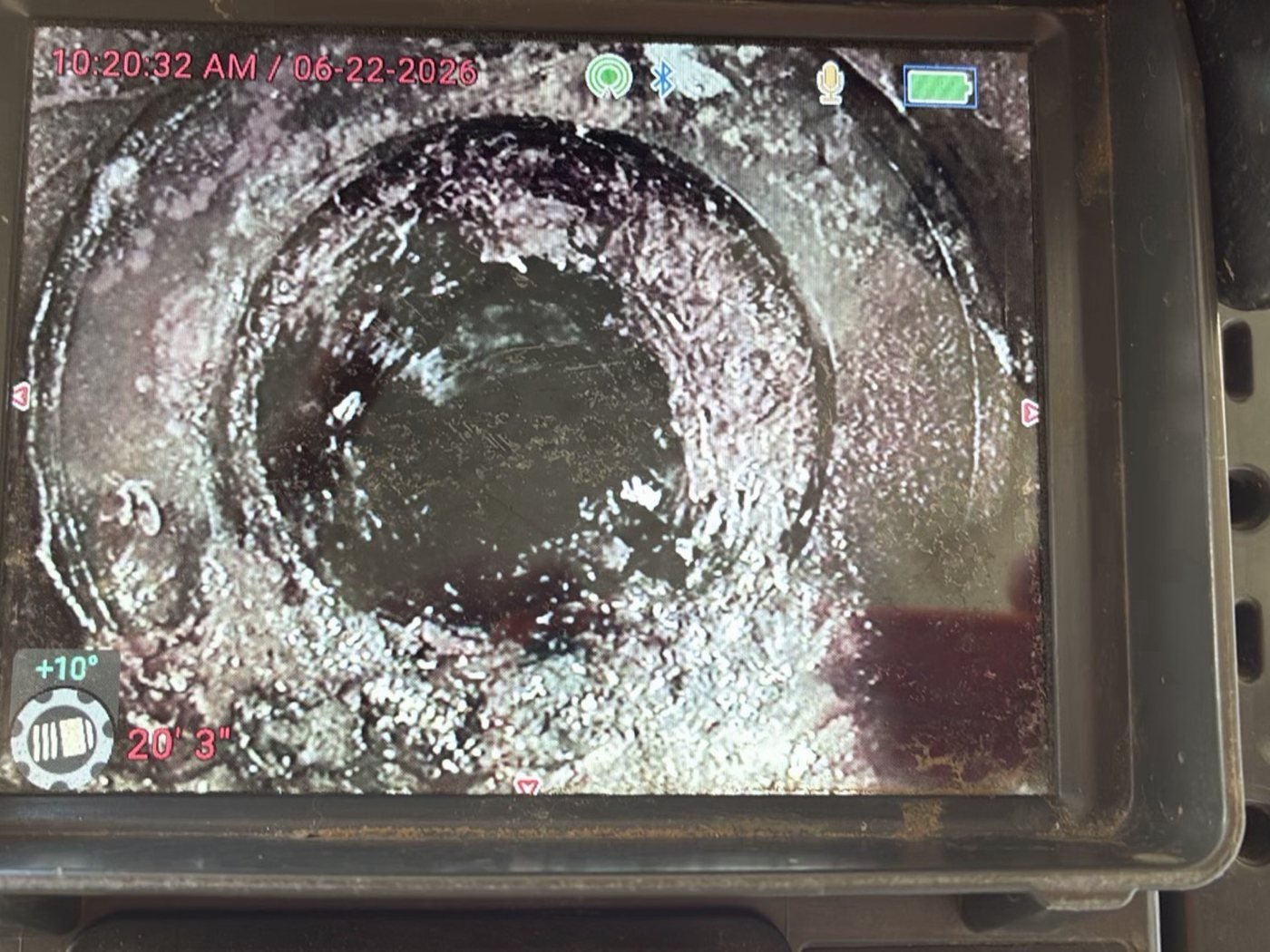
What the camera sees
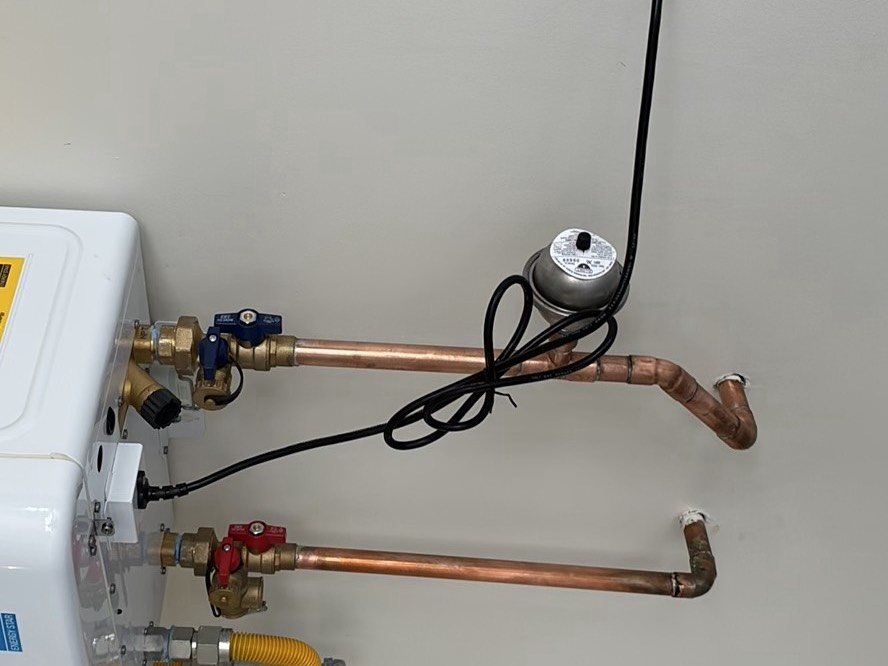
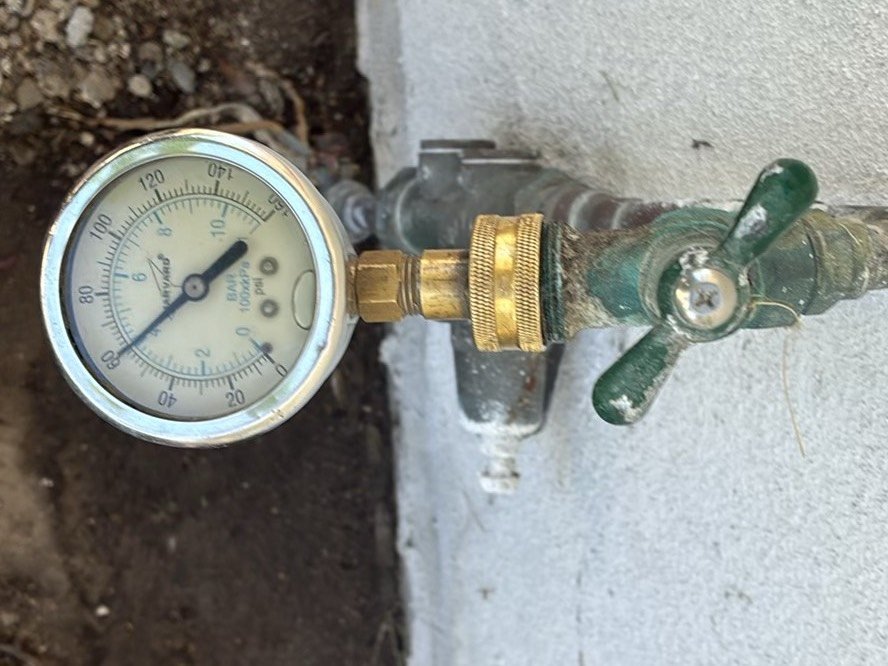
Sewer scope documentation from recent San Diego County inspections.
More inspections in Vista
- Warranty inspection in Vista
- Commercial roof cleaning in Vista
- Commercial inspection in Vista
- Pool and spa inspection in Vista
- Home inspection in Vista
Nearby and countywide
Were You Happy With Your Inspection?
We are proud of our 4.9-star rating across 100+ Google reviews. If Joseph and the team did right by you, a quick Google review helps other San Diego County buyers and sellers find us.