
SB-721 Balcony Inspection in Ocean Beach, CA
Own an apartment building in Ocean Beach that rents three or more units, and California's SB-721 statute is now yours to satisfy. The law orders a documented inspection of every exterior elevated element — the wood-framed balconies, decks, outdoor stairways, landings, and raised walkways that put tenants more than six feet above the grade below — plus the waterproofing meant to keep weather out of that framing. AB 2579 shifted the original due date, landing the first round on January 1, 2026, and the requirement returns on a six-year cadence after that.
OB is a tough spot to keep these structures sound. The neighborhood runs on early-1900s through 1940s craftsman cottages, many cut into rentals, packed onto the blocks between Newport Avenue, the pier, and the cliffs at the southwest corner of the Point Loma peninsula. Constant ocean wind drives salt into everything, and the oldest cottages still hide knob-and-tube wiring and galvanized plumbing — clues the elevated framing predates modern flashing and deck-coating practice. I run the SB-721 inspection visually first, opening framing only where the evidence calls for it, and hand you a photo-documented report that marks each element safe or unsafe for your files and the City of San Diego. My work ends at recording condition; repair drawings and certification come from a licensed engineer or contractor.
Call (619) 752-4399 Schedule an Inspection
What does an SB-721 inspection cover on an OB apartment?
The statute aims at a specific set of parts: the load-bearing components of a multifamily building that reach more than six feet over the ground and depend on wood framing, plus the assemblies that shed water off that wood. The code groups them as Exterior Elevated Elements (EEE). On a typical Ocean Beach rental — a cottage split into a fourplex, a Newport Avenue walk-up, a courtyard building back from the beach — here is what I examine, sound, and photograph:
- Balconies and cantilevered decks — joists, beams, posts, walking surface, and the ledger joint where the element ties into the wall, the most consequential point on the structure.
- Outdoor stairways, landings, and raised walkways — the exposed wood stairs and shared corridors serving upper units, including how the stringers fasten and what they land on.
- Guardrails and handrails — checked for firm attachment and load resistance, the final thing between a tenant and a fall.
- Waterproofing and weatherproofing — deck coatings, membranes, flashing, sealant joints, and drainage, none of it judged apart from the framing it shields.
SB-721 expects a representative sample of every element type, so my conclusions cover the whole building rather than one balcony. Each element is sorted into a condition category, supported by photographs, and anything that endangers the people on it is named plainly.
Why does Ocean Beach weather wear these elements down fast?
OB combines several conditions that age elevated framing quickly, which is exactly the situation SB-721 was written to catch:
- Relentless salt exposure at the peninsula's edge — at the southwest tip of Point Loma with the open Pacific at its doorstep, OB takes raw ocean wind year-round. That salt drives severe corrosion into joist hangers, ledger bolts, post bases, and railing anchors; hardware can be eaten through at the wall while it still looks fine from below.
- Craftsman cottage framing from the 1910s through the 1940s — much of OB's rental stock predates modern flashing and deck-coating details, and balconies or stairs were often added when the cottages were carved into units, bolted onto construction that never anticipated them.
- Concealed legacy systems — the oldest cottages still carry knob-and-tube wiring and galvanized supply lines, a tell that the framing and connections are equally dated, with corroded or undersized hardware common.
- Cliff-edge wind and marine layer — wind funnels hard off the Sunset Cliffs side while morning fog keeps decks and framing damp, so a coating breach that would dry inland instead stays wet and rots the wood.
That exposure map tells me where to probe — the most serious SB-721 failures in OB sit out of sight, beneath a balcony that reads as solid from the street.
Which defects do I keep turning up on OB balconies and stairs?
Inspect enough elevated elements across the cottage blocks between Newport Avenue, the pier, and the cliffs, and the same failures keep surfacing. Under SB-721 each is logged as observed; the ones that compromise the structure or endanger tenants are flagged as exactly that:
- Corroded connectors — joist hangers, lag bolts, and post bases eaten by salt air until they no longer hold their load.
- Decayed ledger joints — softened wood where a balcony or stair fastens to the cottage wall, the most dangerous point on the element.
- Spent deck coatings — membranes cracked, blistered, or worn away at the deck-to-wall seam and door thresholds where water collects.
- Compromised flashing — missing or beaten flashing at railing penetrations and stair connections, letting wind-driven rain into the framing.
- Loose guardrails — posts and anchors worked free because the wood or hardware behind them has weakened.
- Add-on elements with no drainage — elements fastened to older cottages with no path for water to escape, trapping marine damp.
How do I run the inspection and what lands in your report?
The job begins before I get to OB. I review the building first — unit count, the number and kinds of elevated elements, any earlier inspection or repair paperwork — then set the representative sample the statute demands and arrange tenant access, which on these packed cottage lots takes coordinating. On site I take each balcony, deck, stair, and landing in turn: reading the wall connection and visible framing, checking the waterproofing, railings, and drainage, and sounding the coatings anywhere staining or a soft spot hints at rot.
When the visual read raises a flag — a stain under a balcony, a landing that flexes underfoot, a coating breaking down over a ledger — I move to the intrusive inspection the law permits, opening a small, repairable area to confirm what is inside instead of guessing — a step that earns its place this close to the surf, because salt and damp do their worst work out of sight. Your report files each element by condition, flags any immediate safety threat, and carries the photo record the City of San Diego expects — delivered through HomeGauge same day or next day.
The line never moves: I assess and record condition, nothing more. No repair design, no repair work, and no structural certification on a property I have looked at myself. Where a defect demands engineered plans or a stamped opinion, I point you to the appropriate licensed engineer or contractor. Termite and WDO work falls outside my scope too, so I bring in a licensed pest specialist when those organisms appear.
Why do OB owners and managers hire Joseph Romeo?
The statute lists who may inspect, but the document is only as good as the eyes behind it. Mine lead every job: I'm Joseph Romeo, an InterNACHI Certified Professional Inspector (CPI) holding a California CSLB General Contractor license (#1113143). The contractor side is exactly what EEE work rewards — I can tell how a balcony was assembled, how its ledger was fastened, and what corrosion on a connector does to the load path.
- More than two decades on the job and over 10,000 completed inspections spanning the county's seaside, bayfront, and older rental properties.
- A 4.9-star rating built from 106 Google reviews left by landlords, managers, and real-estate agents.
- Documentation that satisfies what SB-721 demands for content and recordkeeping, every element called safe, in need of work, or an outright hazard, with photos attached.
Plainly stated: my credentials are InterNACHI CPI and a CSLB contractor license — not ASHI or CREIA membership — and I publish no flat rate, since cost follows how big the building is and how many elements it holds. Reports land quickly and read clearly, ready for you, your engineer, and the City to use without translation.
Which related inspections suit Ocean Beach multifamily owners?
An SB-721 inspection clears one legal duty tied to your elevated elements, but an OB cottage rental usually has more worth looking at on the same trip:
- SB-326 balcony inspection — the companion EEE law for condominium and HOA-governed buildings; if your property is a common-interest development rather than rented apartments, that statute governs it instead of SB-721.
- Thermal/infrared imaging — locates concealed moisture inside walls and behind balcony assemblies without opening them, useful in OB's fog.
- Roof inspection — a focused read on the salt-stressed coverings and flashing overhead, often aging on the same clock as the balconies.
- Full property inspection — a complete look at the accessible systems when buying or repositioning an OB building, including the old knob-and-tube, galvanized plumbing, and aging sewer-lateral concerns this cottage stock is known for.
Hold several buildings around Ocean Beach? I can batch the SB-721 inspections and keep the reporting consistent across the portfolio, so your six-year cycle stays tracked.
Ocean Beach SB-721 Balcony Inspection FAQs
Does my Ocean Beach building need an SB-721 inspection?
When was the SB-721 deadline, and how often does it repeat?
Why is Ocean Beach so hard on balconies?
Will you need to cut into my balconies?
Can you fix what the inspection finds?
Do these old OB cottages complicate the inspection?
Properties we inspect
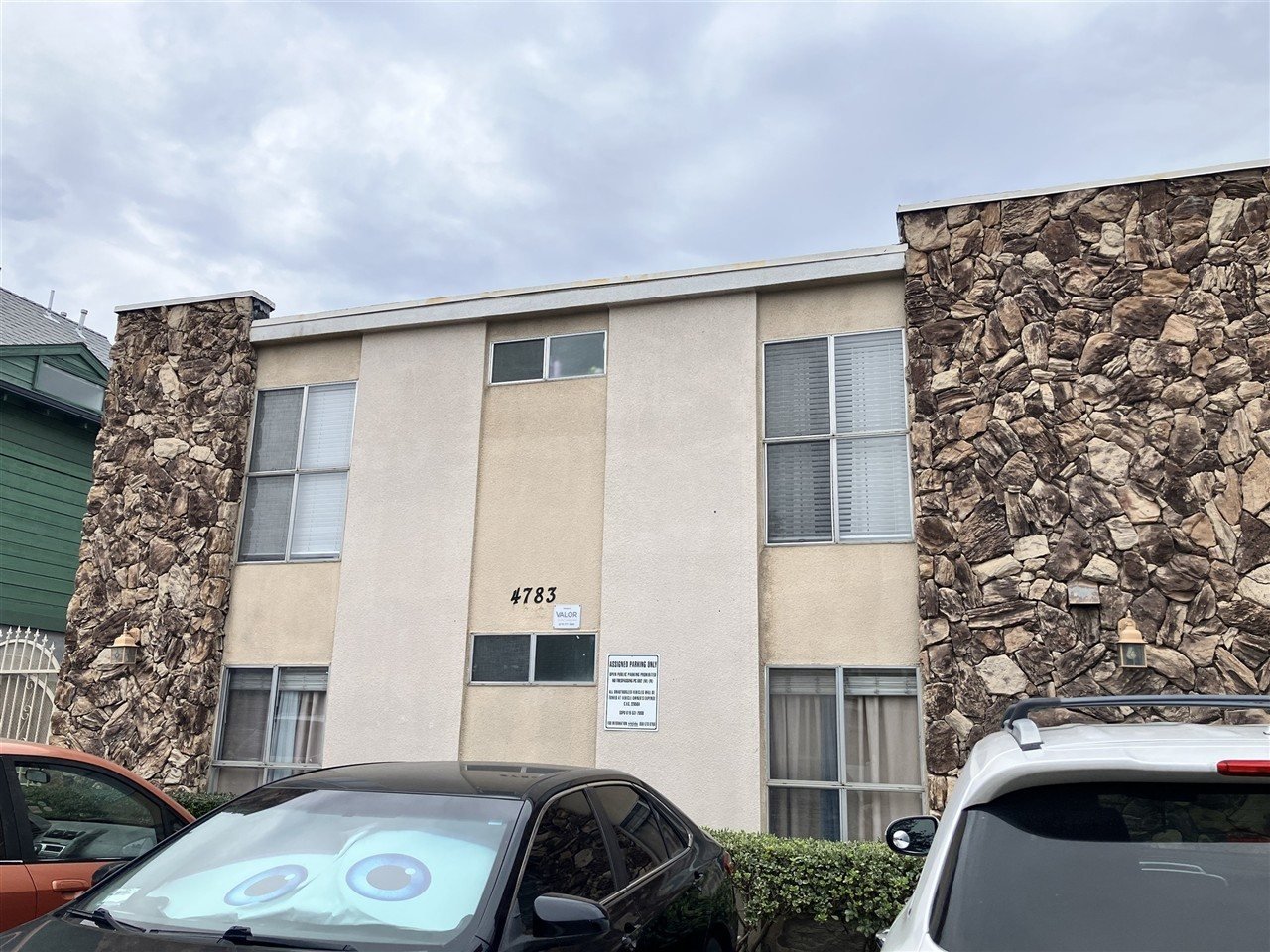
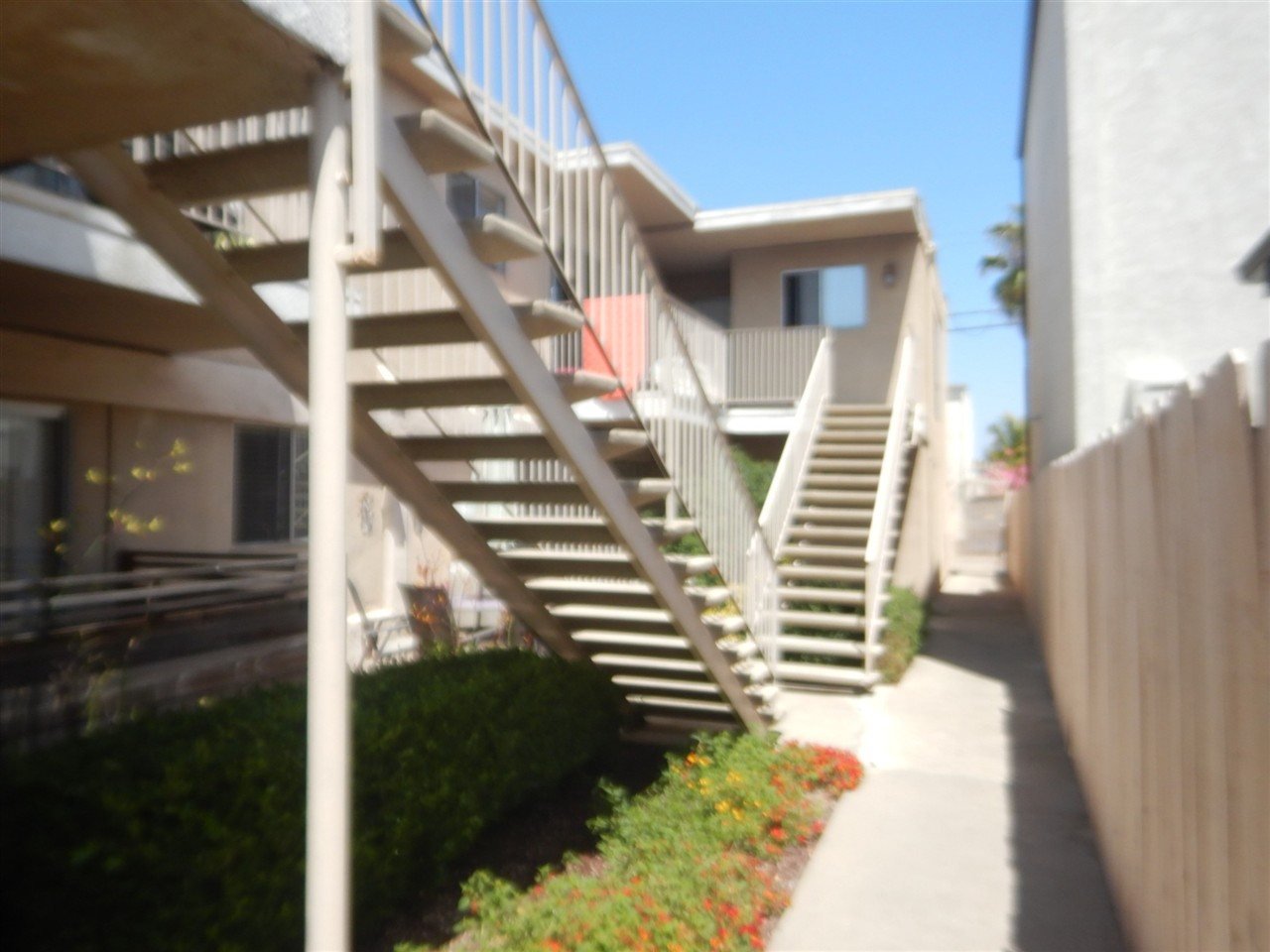
Multi-unit properties documented for SB 721 balcony compliance across San Diego County.
More inspections in Ocean Beach
- Commercial inspection in Ocean Beach
- Pool and spa inspection in Ocean Beach
- Sewer scope inspection in Ocean Beach
- 4-point inspection in Ocean Beach
- Home inspection in Ocean Beach
Nearby and countywide
Were You Happy With Your Inspection?
We are proud of our 4.9-star rating across 100+ Google reviews. If Joseph and the team did right by you, a quick Google review helps other San Diego County buyers and sellers find us.