
Roof Inspection in Ocean Beach, CA
Ocean Beach is an old beach town, and its roofs show it. The cottages packed into the blocks below Sunset Cliffs and around the OB Cottage District were mostly framed between the 1910s and the 1940s, sit one short street back from open surf, and have weathered a century of marine air that never really lets up. A roof on a Niagara Avenue craftsman or a Bacon Street bungalow has usually been re-covered more than once, often by whoever was cheapest at the time, and the evidence of that history hides under the current surface where no buyer can see it from the sidewalk. That is the gap a roof inspection closes — ordered before you write an offer on a cottage near the pier, before you list a remodeled duplex off Newport, or after a brown ring appears on a bedroom ceiling that nobody can explain.
Our job is to read the whole roofing assembly the way water does. We check the covering — asphalt shingle, concrete or clay tile, or the flat foam (SPF) and modified-bitumen decks common on OB's flat-roofed boxes and added-on second stories — along with flashing, valleys, penetrations, vents, skylights, gutters, and the path runoff takes off the roof. When the attic is reachable, we read the underside for moisture, staining, and ventilation. You get a direct verdict on condition and remaining-life indicators, every item backed by a photo. We do not certify roofs and we do not repair them; when the covering needs work or a certification, we connect you with a licensed roofer and our notes go with you.
Call (619) 752-4399 Schedule an Inspection
What does an Ocean Beach roof inspection examine?
This is a working condition assessment of the entire roof system, not a guess made from the alley behind the lot. On an OB property we look at and photograph each of these, anywhere they can be reached without risk:
- The covering and its apparent age — composition shingle, concrete or clay tile, or flat foam and modified-bitumen membrane. We name the material and estimate how much usable surface life is left in it.
- Flashing at the weak transitions — metal at sidewalls, chimneys, valleys, and roof-to-wall joints, the seams where OB's salt air and dried-out sealant invite water in long before the broad field of the roof fails.
- Anything that breaks the surface — plumbing vents, HVAC curbs, solar and antenna mounts, and skylights, each a deliberate opening that survives or leaks on the strength of its boot and flashing.
- Gutters and the way water exits — the drainage route off the roof and away from the structure, which counts for a lot on OB's tight, alley-served lots where there is little room between buildings.
- Valleys and low-slope stretches — the channels where runoff piles up, slows, and tests every seam it touches.
- Attic and underside, when reachable — staining, live moisture, daylight through the deck, and ventilation, which this close to the water decides whether a roof airs out or quietly decays from beneath.
We document only what we can safely reach and observe. On a steep tile roof, a spongy foam deck, or a fragile century-old covering we cannot walk without breaking it, we work from ladders, the eaves, binoculars, and the attic — and we say outright what was visible and what was not, instead of pretending we strode across a roof we never set a boot on.
What does Ocean Beach's coast do to a roof?
OB sits as close to the ocean as a San Diego neighborhood gets, and the combination of salt, surf spray, sun, and very old housing stock punishes roofs in ways particular to this stretch of coast:
- Relentless salt corrosion. A block or two from the surf line, airborne salt rusts drip edge, vent collars, fasteners, and every piece of flashing well ahead of the shingle, tile, or foam above. The covering can read as fine while the rusted metal underneath it has already lost the fight — the signature coastal failure in OB.
- Wind and spray off Sunset Cliffs. The exposed cliff edge funnels onshore wind that pries up shingle tabs and drives rain sideways under flashing, while raw, unfiltered coastal UV bakes and splits the top coat on flat foam decks.
- Century-old cottage roofs. The 1910s-40s craftsman cottages around the Cottage District carry layered re-roofs, hand-patched valleys, and flashing nobody has touched in decades. Many were re-covered over an older roof, so the surface you see is hiding the one underneath.
- The oldest homes' bones. In OB's earliest cottages we still encounter knob-and-tube wiring and galvanized supply lines — a sign the building has dodged a full modernization, and a hint the roof and its penetrations may be just as original and just as overdue.
- Fog that won't burn off. Morning marine layer holds shaded slopes, north faces, and valleys damp for hours, feeding moss and algae on shingle and growth in the joints of tile roofs that never get a chance to dry.
- Tile that outlives what's under it. The concrete and clay tile on OB's Spanish-influenced cottages can run for decades, but the waterproof underlayment beneath wears out long before the tile does — so a roof that looks bulletproof may already be leaking under intact tile.
Which defects do we keep finding on OB roofs?
Inspect enough cottages from the pier up toward Sunset Cliffs and east across Voltaire and the same short list of problems keeps turning up. Most are not reasons to walk away — they are items to understand, price out with a roofer, and weigh into your offer before you close:
- Corroded, lifting flashing. Rusted, loose, or badly sealed metal at sidewalls, chimneys, valleys, and skylights — the single most frequent finding this near the surf.
- Spent underlayment beneath sound tile. Solid-looking concrete or clay tile sitting over felt that is brittle and finished, which means the real repair is new underlayment, not new tile.
- Failed coating on flat foam. Chalked, cracked, blistered, or ponding SPF and modified-bitumen decks on OB's flat-roofed boxes and second-story add-ons, where the protective coat has worn off and water now stands.
- Worn, wind-lifted shingle. Granule loss, curling tabs raised by onshore wind, and moss or algae on the fog-held slopes that never fully dry.
- Drainage that fights the house. Debris-packed gutters, undersized or blocked downspouts, and runoff dumped against the structure on cramped alley lots with no room to move water away.
- Decades of layered patchwork. Re-roofed-over coverings, tar smears over failed seams, and old patch jobs on the century-old cottages that disguise the roof's actual age.
When a leak indicator shows up, we follow it as far as safe access allows — from the attic or ceiling stain back toward the corroded flashing or failed penetration feeding it — so a roofer arrives with a location instead of a hunch.
How do we run the inspection and what does your report show?
We start at the ground and the eaves, then get up onto the roof itself whenever the pitch, covering, and safety let us — a walkable shingle or low-slope deck earns a hands-on, close-up look. On a steep tile roof, a brittle old covering, or a soft foam deck where a footstep would crack tile or punch through the membrane, we work from ladders, the perimeter, the attic, and binoculars, because keeping the roof we are judging intact beats a cleaner camera angle. Where the attic is reachable, we climb in to read the underside for moisture, staining, and ventilation. You are welcome to have us walk you through the findings in person, and on a system as costly as a roof we encourage it.
What lands in your inbox is a photo-documented HomeGauge report that identifies the covering, pins each defect to its location, and gives our read on condition and remaining-life indicators — the difference between re-flashing one chimney and a covering that is nearly out of road. We turn findings around same day or next day, so your inspection contingency never waits on us.
One boundary we name up front: we report observed condition; we do not certify or repair. We do not issue roof certifications, run leak pressure-tests, seal flashing, or re-coat foam, and we never bid the work we find — so nothing in the report is steering you toward a job we would profit from. When the roof needs a repair, an underlayment replacement, or the formal certification a buyer or lender wants, we refer a licensed roofer and pass along our photos and notes to give them a running start.
Why do Ocean Beach buyers and owners call Joseph Romeo?
Reading an OB roof well takes both knowing the material and knowing what the fix behind a defect really demands. Your inspection is led by Joseph Romeo, an InterNACHI Certified Professional Inspector (CPI) who also holds a California CSLB General Contractor license (#1113143). That builder's eye earns its keep on an OB roof — he can tell you whether what is on the surface means re-flashing a single skylight or re-roofing a whole 1920s cottage, so you head into negotiation knowing which one is in front of you.
- 20+ years and more than 10,000 inspections across San Diego County's coastal neighborhoods.
- 4.9 stars across 106 Google reviews from buyers, sellers, and agents who wanted a straight answer on a roof.
- Plain talk — we tell you what we would want to know if we were buying the cottage ourselves, with no scare tactics and no nudge toward repairs we do not perform.
- Real familiarity with OB's roofing mix, from clay and concrete tile to flat foam decks on the boxes and add-ons and aging shingle on the craftsman cottages near the pier and the Cottage District.
We carry InterNACHI CPI and CSLB General Contractor credentials — we are not ASHI or CREIA members, and we do not post flat prices, since roof scope shifts with size, pitch, and covering. Reach Joe at (619) 752-4399 or joe@sandiegohomeinspection.com, and your findings arrive in a clear, photo-documented HomeGauge report you, your agent, and your roofer can all read without translation.
Which related inspections suit Ocean Beach properties?
A roof inspection is usually one slice of a wider look at an OB cottage. Buyers and owners here often pair it with:
- Full home inspection — the house, roof, electrical, plumbing, and structure assessed together, the backbone of any OB purchase and the visit we most often evaluate the roof within.
- Thermal/infrared imaging — surfaces hidden moisture behind ceilings and walls, a real payoff in a fog-and-surf pocket where a slow roof leak can soak framing long before it ever stains.
- Sewer scope inspection — a camera down the buried lateral on the century-old cottages with mature trees and original clay pipe, another out-of-sight system worth seeing before you buy.
- Electrical evaluation — worth pairing on OB's oldest homes, where knob-and-tube and galvanized plumbing often signal a property that skipped modernization the roof may have skipped too.
- Specialist coordination — for an actual roof certification, a repair, or a structural or termite/WDO report, we refer the right licensed professional rather than stretch past our scope.
The pairing we suggest most often is the roof inspection alongside a full home inspection, for one coordinated read on the whole cottage in a single visit. We recommend what fits your purchase instead of pushing a package.
Ocean Beach Roof Inspection FAQs
Why does Ocean Beach's spot on the coast matter for a roof?
Do you walk the roof or inspect it from the ground?
My OB cottage was built in the 1920s. Does that change the inspection?
Why inspect an Ocean Beach tile roof that looks perfect?
What does a roof inspection in Ocean Beach cost?
Will you certify the roof or repair what you find?
Roofs we document
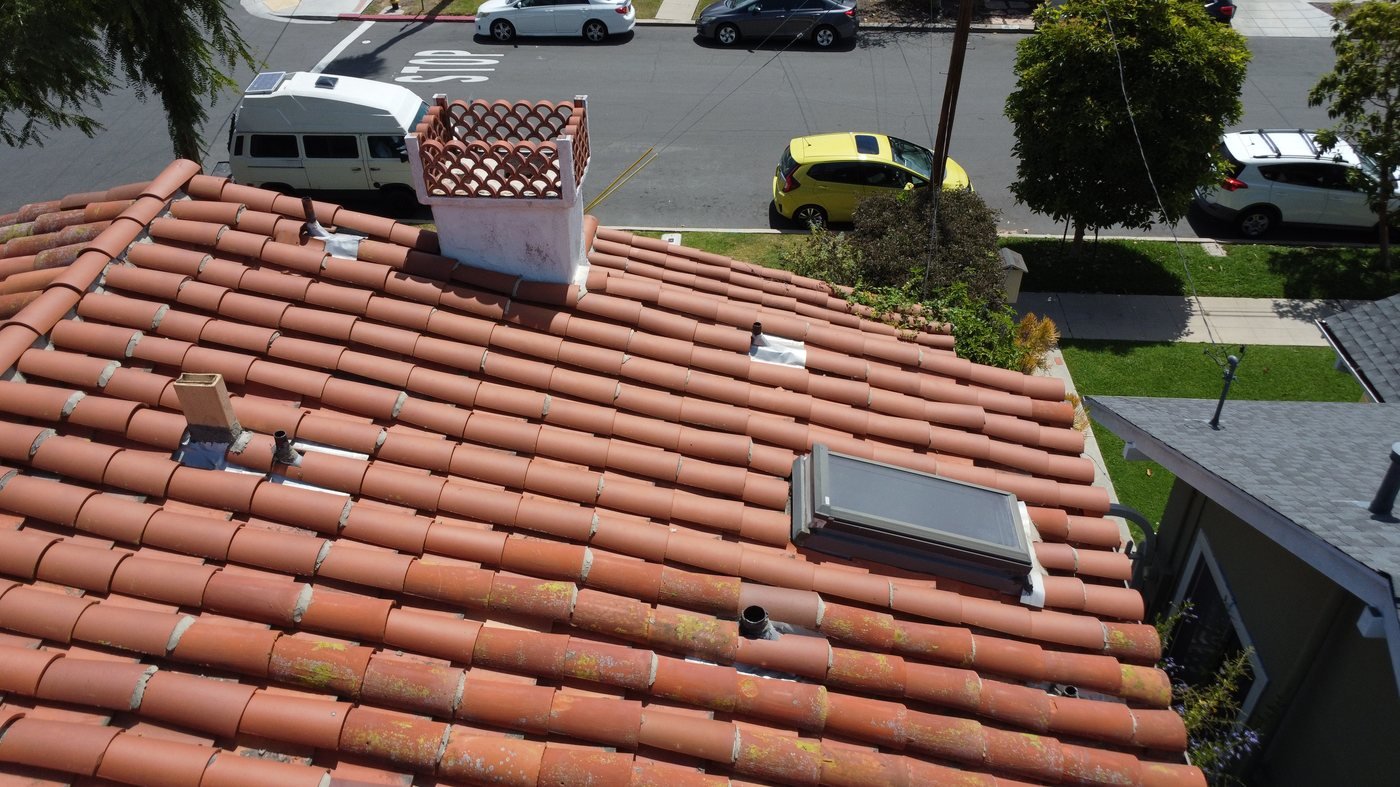
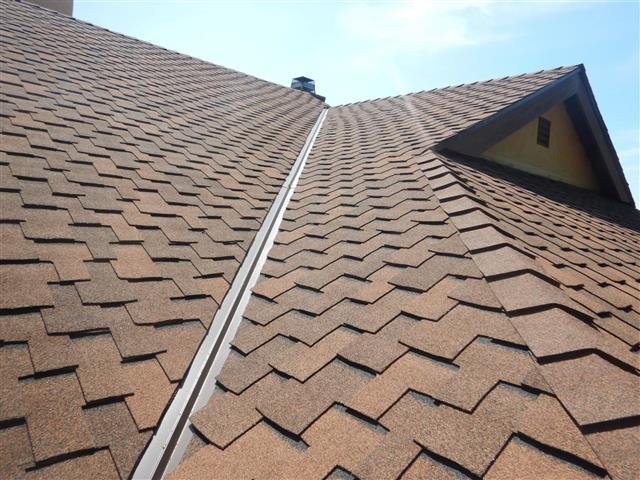
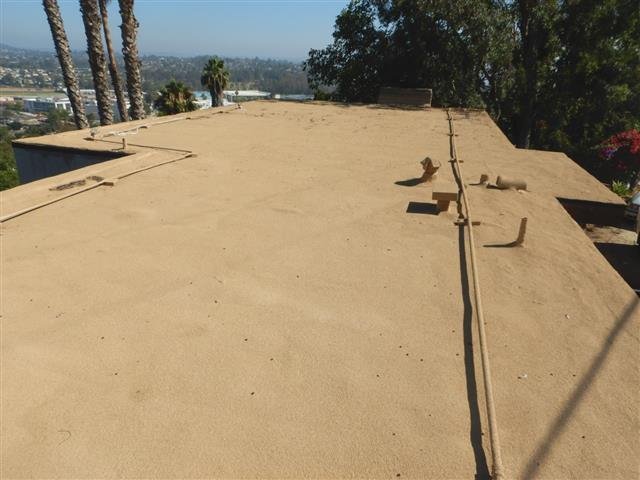
Aerial and on-roof photos from recent San Diego County roof inspections.
More inspections in Ocean Beach
- SB 721 exemption letter in Ocean Beach
- Seller inspection in Ocean Beach
- Warranty inspection in Ocean Beach
- Commercial roof cleaning in Ocean Beach
- Home inspection in Ocean Beach
Nearby and countywide
Were You Happy With Your Inspection?
We are proud of our 4.9-star rating across 100+ Google reviews. If Joseph and the team did right by you, a quick Google review helps other San Diego County buyers and sellers find us.