
Seller's Pre-Listing Inspection in Ocean Beach, CA
Ocean Beach holds onto its old cottages harder than almost anywhere in San Diego. Walk the blocks off Newport or up toward the cliffs and you'll see 1910s-to-1940s Craftsman bungalows that have been loved, rented, remodeled, and weathered for a century within a few hundred yards of the surf. That character is the draw for OB buyers — and it's also why their inspector goes in expecting original wiring, tired galvanized pipe, and salt damage the curb view never shows. A seller's pre-listing inspection is the same full home inspection that buyer will eventually order; you just run it first, so the findings land on your schedule instead of inside a contingency window.
Going first flips who steers the deal. You inspect to the same InterNACHI Standards of Practice scope a buyer's inspector uses — every accessible system, the whole cottage — but the report is yours to read before anyone else. That lets you fix what's worth fixing, disclose and price the rest, and walk into showings with documentation instead of reacting to a stranger's punch list. On OB's small lots and beach-worn bungalows, getting ahead of the report keeps a known, fixable item from blowing open the negotiation late.
Call (619) 752-4399 Schedule an Inspection
What does an Ocean Beach pre-listing inspection look at?
This is a whole-cottage inspection, not a one-system check, run to the same InterNACHI Standards of Practice a buyer's inspector will use. The aim is simple: the report in your hands should mirror the one a buyer would otherwise hand back mid-escrow — without the leverage that comes with surprise. On an OB property we examine and photograph:
- Roof and weather skin — coverings, flashing, fasteners, stucco, and wood trim, the parts that surrender first to constant salt spray and sun a few blocks off the water.
- Foundation, framing, and lot — raised-foundation bungalows, post-and-pier cottages, grading, and drainage on OB's tight, alley-loaded lots.
- Wiring, pipes, and equipment — service panel, branch circuits, supply and waste lines, the water heater, and any heating or cooling gear, with an eye for the original systems these older homes still carry.
- Interior, attic, and moisture corners — ceilings, walls, windows, attic ventilation, and the damp pockets a marine climate quietly works on.
The scope is identical to a buyer's inspection. The timing and the reader change. You receive plain findings while you still hold the calendar, written so your agent and prospective buyers can read them straight — observed condition, not a sales pitch and not a repair bid.
How do the beach and old building stock affect OB homes?
Ocean Beach sits on the seaward edge of the Point Loma peninsula, and that location is both the neighborhood's identity and its inspection challenge. The conditions buyers love here are the same ones a sharp inspector is trained to find, so getting in front of them is where the pre-listing visit pays off:
- Severe, close-range salt corrosion. A short walk from the surf means flashing, fasteners, panel hardware, condenser coils, and exterior metal corrode noticeably faster than they would inland — the most common coastal finding on an OB sale.
- Century-old electrical and plumbing. The oldest bungalows near the pier and along the cliffs can still hide knob-and-tube remnants, ungrounded circuits, dated panels, and galvanized supply pipe rusting closed behind a fresh remodel.
- Small lots and alley access. Tight setbacks, shared property lines, and alley-loaded garages put drainage, grading, and runoff under close watch the moment a buyer's inspector reads them.
- Layered remodels on cottage bones. Decades of partial updates — some permitted, some not — mean cosmetic finishes often sit on top of original framing, wiring, and venting that were never touched.
- Marine damp indoors. Persistent ocean humidity drives slow leaks, weak attic ventilation, and corrosion that read worse to an anxious buyer than they do to an inspector who can put them in context.
What keeps turning up on OB cottages before a listing?
Inspect enough homes between the pier, the cliffs, and the blocks above Sunset Cliffs Boulevard and the same pre-listing items recur. None of them has to spook a buyer — the entire reason to surface them now is that you choose how to handle each one rather than scramble under contract:
- Salt-spent roofs and flashing. Coverings, flashing, and fasteners with less life left than the roof's age suggests — a leading credit request on beach-side sales.
- Original and recalled electrical. Knob-and-tube traces in the oldest cottages, ungrounded two-prong circuits, missing GFCI near wet areas, and dated or recalled panels behind a clean cover.
- Aging supply and sewer lines. Galvanized supply pipe corroding shut and original clay or cast-iron laterals, often root-intruded beneath OB's mature street trees.
- Drainage and crawlspace damp. Grading that pushes runoff toward the structure on a tight lot, and crawlspace or sub-floor moisture the marine layer keeps feeding.
- Weathered envelope and mechanicals. Soft fascia, cracked stucco, corroded window fins, dried-out seals, water heaters past warranty with missing seismic straps, and condensers with salt-eaten coils — the kind of punch list a seller can quietly handle first.
How do we run the visit and what report do you list with?
We schedule around your listing plan — usually a couple of weeks before you go active, so there's room to address what you choose to before photos and showings. Joseph Romeo inspects the cottage end to end: pulling the panel cover, checking supply pipe and the water heater, running any HVAC, walking the roof and envelope where it's safe, and reading the foundation, drainage, and the crawlspace or sub-floor common to OB's raised-foundation homes. You're welcome to come along — seeing a knob-and-tube splice or a damp sub-floor in person makes the repair-or-disclose call far clearer than a line on a page.
Your deliverable is a full HomeGauge report, same day or next day, with photos and plain-language findings you can hand straight to your agent and to serious buyers. Because the report is yours first, you set the next move: repair what's worth repairing, disclose and price around the rest, and use the report's request-list feature to keep repair conversations organized. On an OB listing, where buyers expect an old beach cottage to hide something, a clean or well-documented pre-listing report is a genuine trust signal on a showing.
One boundary we keep: we report observed condition only. We don't bid or perform repairs on a home we inspect, and we don't run termite/WDO reports, leak pressure-tests, Phase I environmental work, or structural certifications in-house — when a finding calls for a specialist, we say so plainly and coordinate or refer the right licensed professional. That keeps your report credible and conflict-free in a buyer's eyes.
Who provides the contractor's read behind your OB report?
A pre-listing inspection is only as useful as the judgment behind it, because you'll make real repair-versus-disclose calls off what it says. Your inspection is led by Joseph Romeo, an InterNACHI Certified Professional Inspector (CPI) who also holds a California CSLB General Contractor license (#1113143). On a street of century-old cottages with layered remodels, that contracting background is the seller's edge — he can tell you whether salt-corroded flashing or a knob-and-tube run is a quick correction or a real project, so you can weigh fixing it now against the credit a buyer would likely ask for later.
- 20+ years and more than 10,000 inspections across San Diego County's coastal and beach neighborhoods.
- 4.9 stars across 106 Google reviews from sellers, buyers, and the agents who refer them.
- Real familiarity with OB's stock — from pier-area bungalows to the cottages climbing toward the cliffs.
- Reports a listing agent can use directly — clear enough to share with buyers, honest enough to hold up on a showing.
For the record: we're InterNACHI CPI and CSLB-licensed. We are not ASHI or CREIA members, and we don't post flat prices on a page — the fee tracks the property, so we point you to the fee schedule or confirm a quote before you book.
Which inspections are worth adding before an OB sale?
A pre-listing inspection answers the whole-house question, but Ocean Beach's age and seaside setting often make a deeper look at one system worth doing in the same trip — the items a buyer here is most likely to dig into:
- Sewer scope inspection — a camera down the buried lateral the home inspection doesn't enter, often aging clay or cast iron and root-intruded under OB's old street trees, and a classic late-escrow surprise.
- Roof inspection — a closer read of sun- and salt-worn coverings, seams, and flashing when you want detail before deciding to repair or disclose.
- Thermal/infrared imaging — surfaces hidden moisture behind walls and ceilings, a real payoff in this humid beach corridor and reassuring on an old cottage.
- Specialist coordination — for termite/WDO, a structural or engineering opinion, or a leak pressure-test, we coordinate and refer the right licensed professional rather than reach past our scope.
Running the pre-listing inspection alongside a sewer scope in one visit is the cleanest way to clear the two items OB buyers most often use to reopen a negotiation.
Ocean Beach Seller's Pre-Listing Inspection FAQs
What is a seller's pre-listing inspection in Ocean Beach?
I'm selling a 1920s OB cottage. Is a pre-listing inspection worth it?
Why inspect before the buyer's inspector does in Ocean Beach?
Does the report help with my California seller disclosures?
Do I have to fix everything the inspection finds before listing?
How soon before listing should I schedule, and how fast is the report?
Pre-listing documentation
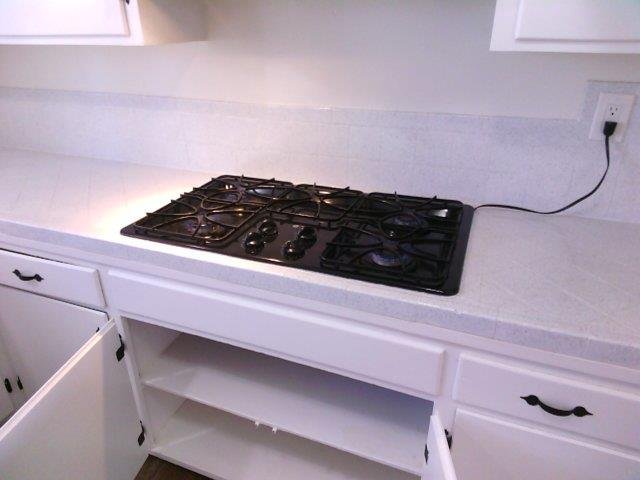
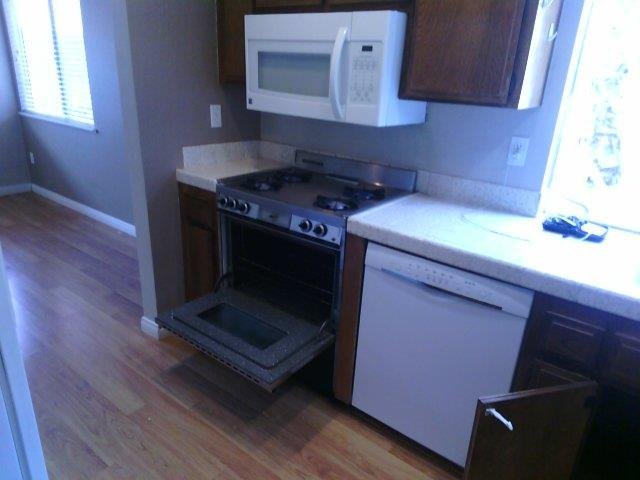
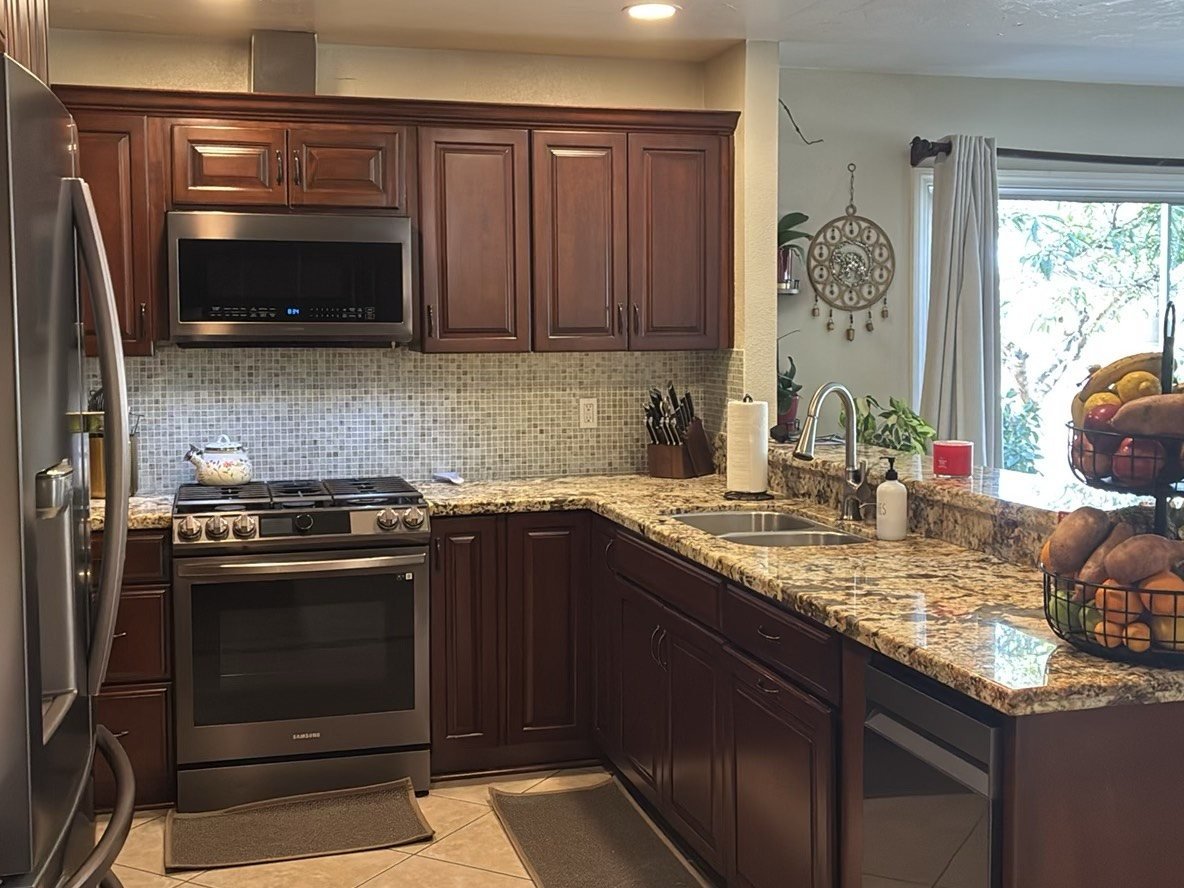
Pre-listing inspection photos from across San Diego County.
More inspections in Ocean Beach
- Warranty inspection in Ocean Beach
- Commercial roof cleaning in Ocean Beach
- Commercial inspection in Ocean Beach
- Pool and spa inspection in Ocean Beach
- Home inspection in Ocean Beach
Nearby and countywide
Were You Happy With Your Inspection?
We are proud of our 4.9-star rating across 100+ Google reviews. If Joseph and the team did right by you, a quick Google review helps other San Diego County buyers and sellers find us.