
11-Month Warranty Inspection in Ocean Beach, San Diego
In a builder's contract, the one-year warranty reads like a courtesy. It isn't — it's a clock. Exactly twelve months from the day you took the keys, the builder's duty to repair workmanship and material defects ends, and from that morning forward every flaw you haven't reported is yours to pay for. An 11-month warranty inspection is the move that turns that coverage into actual repairs. We walk the home on purpose around month ten or eleven, list everything the builder is still bound to correct, and hand you a single document you can file before the year is up.
Ocean Beach doesn't really do subdivisions. This is a beach town of 1910s-through-1940s craftsman cottages packed onto narrow lots between Newport Avenue and the Point Loma peninsula edge, so a “new” OB home is almost always a teardown rebuilt on its old footprint, a second story stacked over a bungalow, or a cottage stripped to the studs and finished new. That work gets done one lot at a time, by whatever crew the owner hired, then left to weather a full year of fog, open-ocean salt, and one wet season. Twelve months on this stretch of coast is more than enough to drag the weak spots into the open, and the point of this visit is to catch them on paper while you still have leverage.
Call (619) 752-4399 Schedule an Inspection
What does the warranty inspection cover in OB?
Nothing gets trimmed. This is the full inspection, run to the same InterNACHI standard I'd bring to any purchase — not the ten-minute courtesy lap a builder offers at handoff. The only thing that changes is the aim: each accessible system gets measured against what a first-year warranty obligates the builder to fix, and every note is written so it survives a warranty-desk review. On a year-old Ocean Beach home that pass works through:
- Roof and weather skin — composition, tile, or the low-slope membrane common on a modern OB rebuild, plus flashing, parapet caps, stucco, and the caulked seams that salt fog pries open first.
- Foundation and lot — slab or raised floor, any cribbing or retaining walls on a sloped parcel near the peninsula, and how the graded lot moves water during the rains.
- Electrical — the panel and its directory, GFCI and AFCI protection, grounding, and the loose or reversed terminations that production-pace wiring leaves behind.
- Plumbing — supply and drain behavior, the water heater and its California seismic strapping, hose bibs, and drips tucked behind brand-new finishes.
- Heating and cooling — equipment actually cycled rather than taken on faith, room-by-room airflow, and condensate handling.
- Attic, insulation, interiors — coverage against spec, bath fans vented to the outside, window and door operation, and the cosmetic cracking a fresh frame throws as it dries through year one.
Each defect lands in a HomeGauge report, photographed and pinned to an exact spot, ordered to read like a warranty claim instead of a loose pile of observations. I record observed condition — no pass-fail grade, no repair bid. Pricing the fix is the builder's job, not mine.
Which Ocean Beach conditions drive a year-one punch list?
A cottage rebuilt three blocks off the pier endures a rougher first year than anything inland, and OB's setting steers most of what I'm hunting for:
- Open-ocean salt, full strength. There's no bay buffering this shoreline the way there is elsewhere on the peninsula — the wind comes straight off the Pacific. Twelve months of that is enough to bloom rust on roof fasteners, railings, garage springs, light fixtures, and condenser coils, and every bit is a warranty item once it's flagged in time.
- Fog that lingers past noon. The marine layer parks over OB and keeps humidity high well into many mornings. A flashing gap or failed window seal a dry climate would shrug off instead lets damp track inward here, usually before any stain reaches the paint.
- Old-stock neighbors and unknown ground. A new build is wedged onto a tight lot between century-old craftsman cottages — some still carrying knob-and-tube wiring or galvanized supply lines. There's no repeated production plan and no track record, so I watch the seams where new warranty-covered work meets whatever original structure was kept.
- Slopes toward the peninsula edge. Lots climbing toward the Point Loma ridge sit on cut-and-fill pads and retaining systems. One season of settlement and runoff shows whether the subdrains, grading, and walls are doing their job.
- The first real wet season. Roof drainage and lot grading on a new home aren't truly tested until winter storms arrive, and a month-eleven booking usually means you've already watched one pass through.
Which defects do I keep writing up on new OB homes?
Walk enough first-year homes in this beach town and the warrantable findings start to rhyme. None of it means the house was built poorly — early defects are the ordinary year-one crop, which is exactly why the warranty exists. The work is capturing them while the builder still owns the repair:
- Corrosion already underway. Rust spreading across exposed fasteners, railings, garage hardware, exterior fixtures, and HVAC coils — the signature OB finding given how raw the ocean exposure is, and a plain builder responsibility when documented early.
- Sealant and flashing that let go. Caulk lines and window or roof flashing opened by a year of sun, salt, and movement, now an open path for the fog's constant damp.
- Low-slope drainage misses. Ponding on a membrane roof or deck, a scupper set too high, or parapet flashing never lapped correctly — the kind of detail a coastal year exposes before it stains a ceiling.
- Settlement cosmetics. Stucco hairlines, drywall cracks, and nail-pops as the frame dries and the pad settles — minor one at a time, but normally the builder's first-year touch-up.
- Plumbing and electrical loose ends. A drip at a supply connection, a water heater never strapped to seismic spec, an ungrounded or reversed outlet, or a panel directory that doesn't match its breakers.
- Grading sent the wrong way. Soil or hardscape that settled back toward the house and downspouts dumping at the foundation — routine after a year on a tight OB lot.
How does the visit run and what do you submit?
Timing carries the whole thing, so it starts with a call to (619) 752-4399 or an email with the Ocean Beach address. Book for month ten or eleven — far enough in that a coastal year of salt, fog, and the wet season has drawn out corrosion, leaks, and movement, yet early enough to file before coverage shuts. Dig out your warranty paperwork first; some builders include their own claim form and a submission cutoff that lands before the twelve-month mark, and that detail shapes how I order the punch list. I arrange access ahead so the roof, attic, panel, mechanical gear, and the full exterior — including the downhill side on a sloped lot — are all reachable on the day.
On site I cover the whole house top to bottom: up onto the roof for membrane, tile, drains, and flashing; into the attic for insulation and moisture; the panel and equipment energized and verified rather than assumed; then a deliberate exterior lap across stucco, every sealant joint, exposed metal, any retaining walls, and how the lot sheds water. Where a coastal problem is already moving — rust creeping along a fastener run, a seal failing on the weather side, water standing on a low spot — I flag it to handle now instead of after the warranty is gone.
You leave with a complete HomeGauge report built to work as a warranty submission: each finding photographed, located, and written plainly so it reads as a ready-to-file punch list, turned around same day or next day in most cases. Walk the property with me if you can — seeing a rust line spread along a rail or water pooling at a low spot makes the builder conversation far simpler. I report observed condition and stop there: I don't pressure-test lines, I don't issue structural certifications, and I don't perform the repairs. When a finding calls for a leak pressure-test, a pest or WDO look, or a structural opinion, I say so plainly and coordinate or refer the right licensed specialist — which is what keeps the report independent when it reaches the builder's desk.
Why do OB owners trust the call on warranty items?
A warranty inspection is only as good as the judgment behind it — knowing which stucco crack is ordinary first-year settlement and which signals a real defect, or which airflow complaint is a balancing tweak versus undersized equipment, comes from time on the tools, not a checklist. Your inspection is performed by Joseph Romeo, an InterNACHI Certified Professional Inspector (CPI) who also holds a California CSLB General Contractor license (#1113143). On a warranty walk that builder's-side credential is the whole edge: I read newer construction the way the trades who built it do, so I can tell a true workmanship defect from a cosmetic non-issue and describe it in terms a builder's warranty desk respects.
- 20-plus years and more than 10,000 inspections across San Diego County, from the open coast through the backcountry — OB and the peninsula included.
- 4.9 stars from 106 Google reviews earned with buyers, owners, and agents.
- Write-ups built to hold up with a builder — sharp photos, exact locations, no padding and no pile-on.
- Independent and conflict-free — I document what's there and don't sell repairs, so nothing on your list is inflated to win work.
For the record, I'm InterNACHI CPI and CSLB-licensed — not an ASHI or CREIA member — and I don't post flat prices, since the fee tracks the home. Check the fee schedule or send your Ocean Beach address and I'll confirm a quote before you book. Reach me at joe@sandiegohomeinspection.com or the number above.
Which related inspections suit newer Ocean Beach homes?
The 11-month warranty inspection is the core pass on a year-old OB home, but a few add-ons pair naturally with it, and I can line them up around one visit while the builder may still owe the fix:
- Thermal / infrared imaging — reads hidden moisture and thin insulation behind new drywall and around windows in the OB fog belt, often confirming a leak the eye can only suspect.
- Sewer scope — cameras the new lateral for construction debris, a belly, or poor slope, worth it where an old line was tied into on a rebuilt lot.
- Roof inspection — a deeper standalone read on a low-slope membrane or tile roof and its drainage, the system that fails most expensively once salt air works it for a year.
- Full buyer's home inspection — the same complete scope if you're weighing an older OB cottage rather than chasing a builder deadline.
Not sure what your year-old home needs? Send the address and I'll tell you what genuinely fits the property instead of pushing a fixed bundle — see all inspection services or get a quote through contact.
Ocean Beach 11-Month Warranty Inspection FAQs
When should I schedule my 11-month warranty inspection in Ocean Beach?
Is this the same as a full home inspection?
My Ocean Beach home is brand new. Will an inspection really find anything?
Why does Ocean Beach's setting matter for a new-build warranty inspection?
What do I do with the report once I have it?
Do you repair what the inspection finds?
New-home documentation
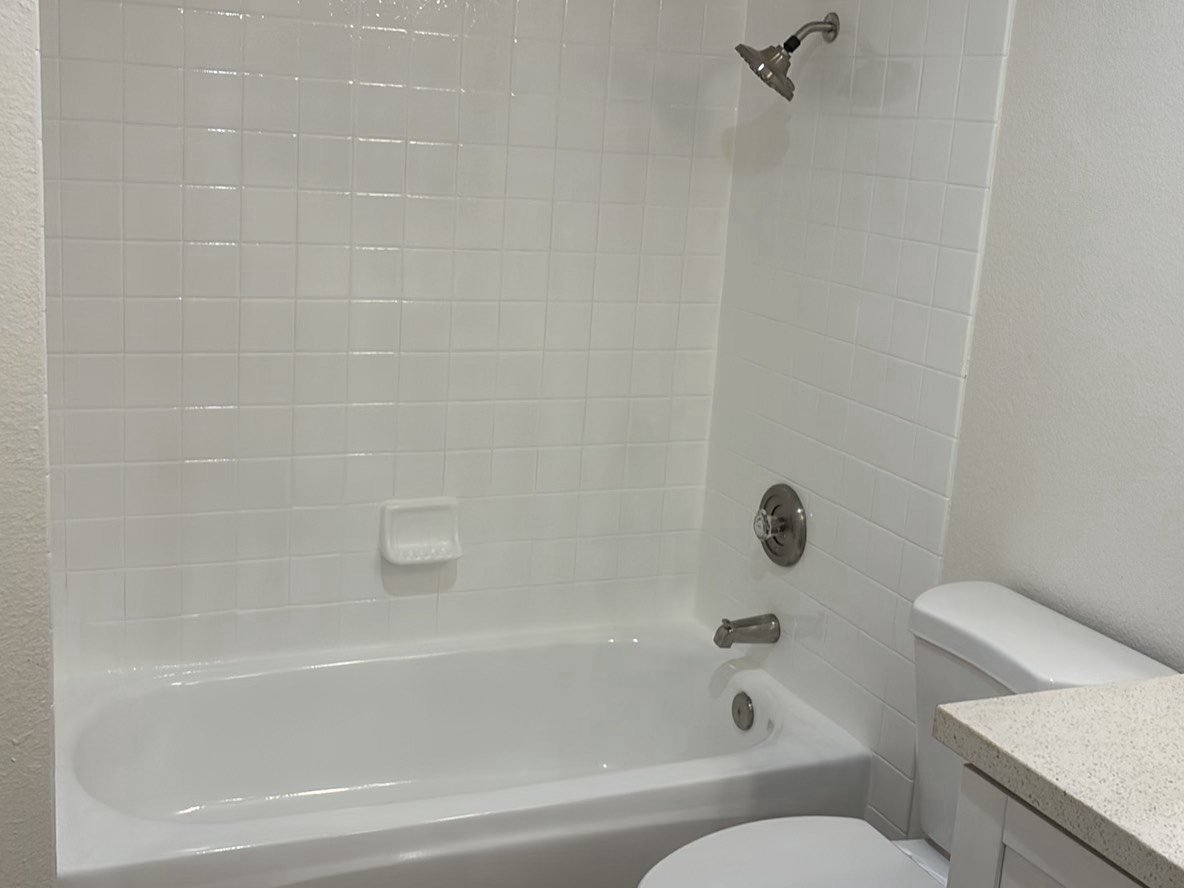
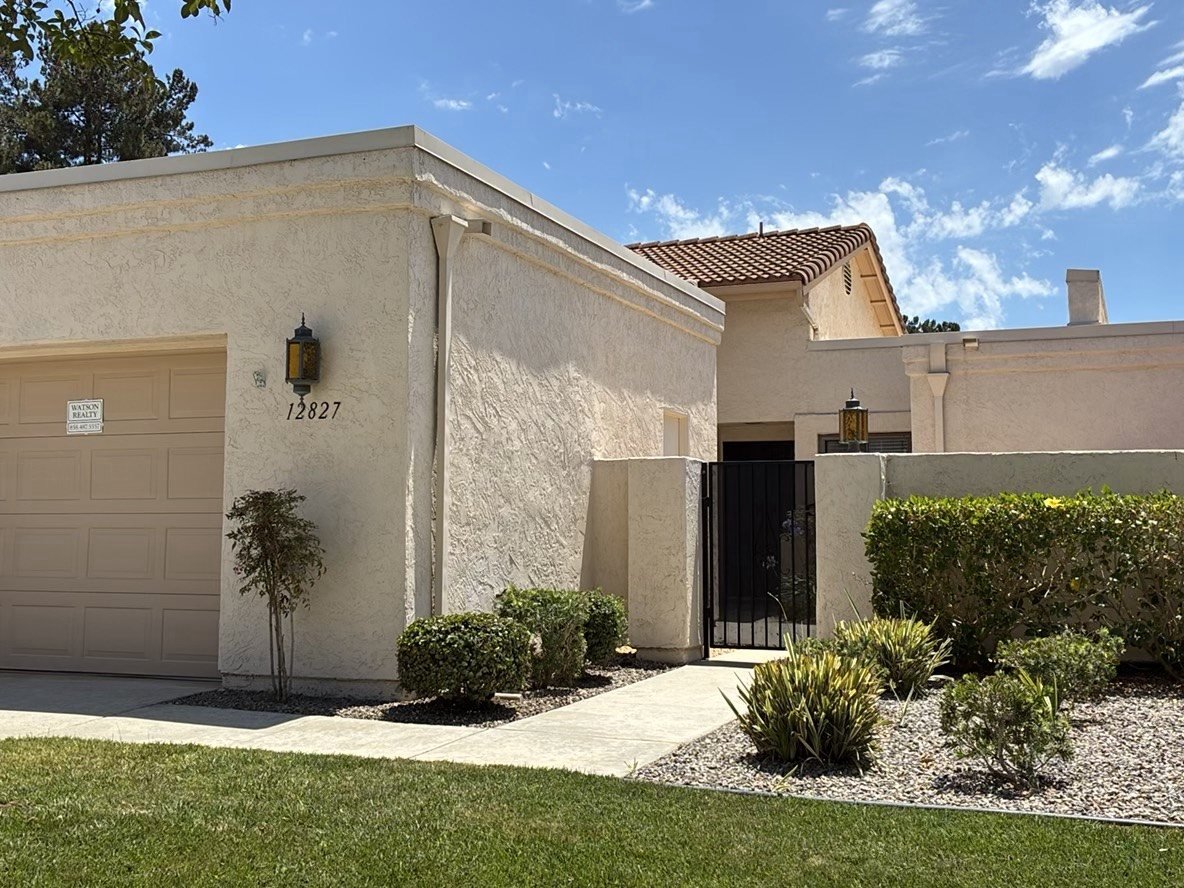
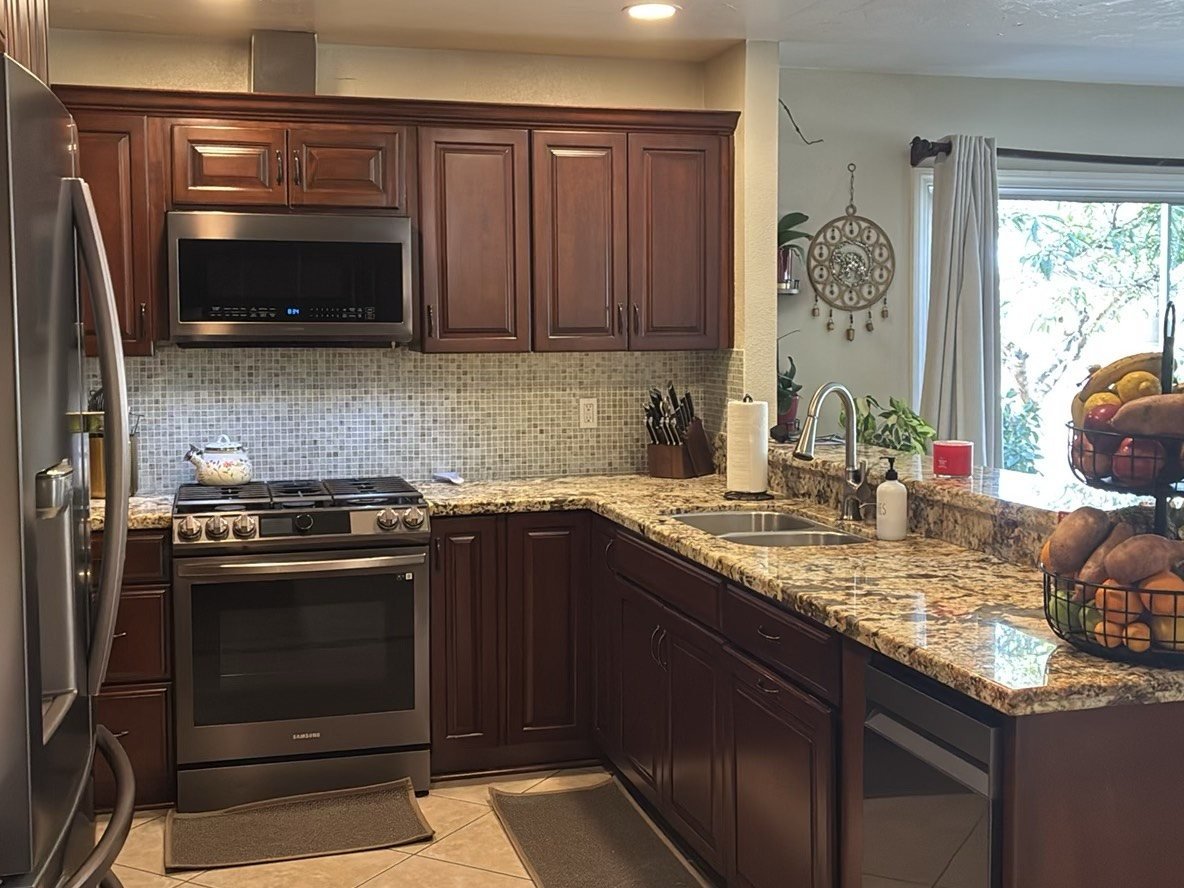
Photos from 11-month builder warranty inspections of newer San Diego homes.
More inspections in Ocean Beach
- Foundation slab survey in Ocean Beach
- SB 721 balcony inspection in Ocean Beach
- SB 326 balcony inspection in Ocean Beach
- SB 721 exemption letter in Ocean Beach
- Home inspection in Ocean Beach
Nearby and countywide
Were You Happy With Your Inspection?
We are proud of our 4.9-star rating across 100+ Google reviews. If Joseph and the team did right by you, a quick Google review helps other San Diego County buyers and sellers find us.