
11-Month Warranty Inspection in Point Loma, San Diego
The peninsula doesn't have model homes or a sales trailer, so the new-construction owners here rarely hear the one piece of advice that saves the most money: your builder's first-year warranty is a deadline, not a perk. Twelve months after you took the keys, every obligation the builder signed up for evaporates — whether you used it or not. An 11-month warranty inspection is a planned, full-house walk timed for month ten or eleven, while the builder still has to fix what we write up. The defects go onto a punch list and get corrected on the builder's account rather than landing on yours a few weeks later.
What counts as “new construction” in Point Loma is almost never a subdivision. Most of the peninsula was built out between the 1920s and the 1950s, so a recently completed home is usually a teardown-and-rebuild on an existing lot, a second story added over an old bungalow, or a Craftsman or Spanish taken down to the framing and rebuilt above La Playa, in Roseville, on the Wooded Area streets, or up the hill toward Sunset Cliffs. That work was done lot by lot, by whichever crew the owner-builder hired, then left to sit through a full year of bay damp, salt off the open ocean, and the soil movement these slopes are known for. A year is plenty of time for the weak points to announce themselves, and we get them on paper before your leverage runs out.
Call (619) 752-4399 Schedule an Inspection
What does a Point Loma 11-month warranty inspection cover?
It's a full InterNACHI-standard walk of the roof, foundation, electrical, plumbing, HVAC, openings, and attic, aimed at builder-warranty items. Nothing about the scope is trimmed down. You get the same comprehensive, InterNACHI-standard examination we'd bring to any resale purchase, except the lens is pointed at whatever a builder is contractually bound to repair inside that first year. On a peninsula home that walk-through includes:
- Roof and weather envelope — the membrane on a flat modern addition, tile or composition where used, and the flashing, parapet caps, stucco, and caulked joints that the bay's damp air pries at first.
- Foundation and the lot — slab or raised floor, any retaining or site walls holding a graded pad, and how water moves across a parcel that may sit close to the water table down on the flats.
- Wiring, water, and climate systems — the service panel and branch circuits, supply and waste-line behavior, the water heater, and the heating and cooling gear actually cycled instead of taken on faith.
- Openings and finished space — window and door operation, weatherstripping, sealant, and the drywall cracks and nail-pops a fresh house produces as it dries out over twelve months.
- Attic, insulation, and airflow — depth and coverage, air-sealing, and any staining where coastal moisture has found a seam in a new roof assembly.
We describe what we observe and pin each item to its exact location, so a builder's super can walk straight to it without a second visit. There's no letter grade and no repair bid — pricing the fix belongs to the builder, not to us.
Which peninsula conditions shape this inspection?
Severe two-sided salt exposure, a high water table, graded slopes, and infill among century-old neighbors drive most of what we chase. A year-end punch list looks very different on a narrow peninsula hemmed by the bay on one side and the open Pacific on the other. Point Loma's geography and its aging surroundings drive most of what we chase:
- Some of the most severe salt exposure in the region. Wind crosses the peninsula off both the ocean and the bay, so a brand-new house breathes chloride year-round. By month twelve that's already enough to bloom rust on fasteners, railings, garage springs, exterior fixtures, and condenser cabinets — every bit of it a warranty item when we flag it early.
- A high water table on the low ground. Closer to the bay flats and the harbor side, groundwater sits high. A new foundation, its waterproofing, and the site drainage get their real test the first wet winter, and dampness or seepage near fresh concrete is precisely what the warranty should answer for.
- Slopes and graded pads. Homes climbing toward Sunset Cliffs and the ridgeline rest on cut-and-fill pads and retaining systems. One season of settlement and runoff shows whether subdrains, grading, and those walls are doing their job.
- Infill among 70- to 100-year-old neighbors. New work here is wedged onto tight lots beside original 1920s-50s cottages, often a rebuild or a heavy addition rather than a repeated production plan. There's no track record to lean on, and we pay close attention to the seams where warranty-covered construction meets whatever original structure was kept.
What findings recur on new peninsula homes?
Early corrosion, failed sealant and flashing, drainage that settled wrong, settlement cosmetics, and unfinished mechanical details top the list. Inspect enough first-year homes on the peninsula and the same items keep surfacing. None of it signals a bad build — early defects are routine, which is the whole reason a warranty exists. The job is to capture them while the builder is still obligated to act:
- Corrosion that started early. Rust creeping across exposed fasteners, railings, light fixtures, garage hardware, and HVAC coils — the signature Point Loma finding and a clear builder responsibility when documented in time.
- Sealant and flashing that let go. Caulk lines and window or roof flashing opened up by a year of sun, salt, and seasonal movement, now a path for the bay's persistent moisture.
- Drainage on slope and flat alike. Soil or hardscape that settled back toward the house, downspouts emptying at the foundation, and standing water a low-lying parcel can't shed before it reaches new concrete.
- Settlement cosmetics. Stucco hairlines, interior drywall cracks, and nail-pops as the frame dries and the pad settles — minor one at a time, but normally the builder's first-year touch-up.
- Unfinished mechanical details. A cooling system never balanced, sparse attic insulation in the corners, a sluggish drain line, or a water heater missing its California seismic strapping — small corrections that are free now and your bill once coverage closes.
How does the visit run and what can you submit?
The calendar decides everything here. Schedule for month ten or eleven — late enough that a year of salt, damp, and the wet season has drawn out the corrosion, leaks, and movement a new peninsula home develops, yet early enough to file the claim before the warranty shuts. We arrange access ahead of time so the roof, attic, panel, mechanical gear, and the full exterior — including the downhill side on a sloped lot — are all reachable when Joseph Romeo shows up. On site he covers the entire house: onto the roof for membrane, tile, drains, and flashing; into the attic for insulation and moisture; the panel and equipment energized and checked; then a methodical exterior circuit covering stucco, every sealant joint, exposed metal, retaining walls, and how the lot sheds water.
What you walk away with is a HomeGauge report — every finding photographed, located, and written plainly so it functions as a ready-to-file punch list for your builder's warranty desk. Turnaround is same day or next day, so you're not spending your last warranty weeks waiting on a document. Come along for the walk if you can; seeing a rust line spreading along a fastener run or a low spot holding water makes the builder conversation far simpler. We record condition and stop there — we don't perform the repairs, which is what keeps the list straight and credible.
Why do peninsula owners call Joseph Romeo?
Reading a one-year-old home on a salt-swept peninsula takes someone fluent in both how it went together and how this coast wears on it. Your inspection is led by Joseph Romeo, an InterNACHI Certified Professional Inspector (CPI) who also carries a California CSLB General Contractor license (#1113143). On a warranty inspection that contractor background is the edge: when a report cites failing flashing or a drainage shortfall, he can spell out what proper construction should look like and what the builder owes — not merely note that something looks off.
- 20-plus years and more than 10,000 inspections across San Diego County, from coastal builds to the backcountry.
- 4.9 stars from 106 Google reviews earned with peninsula buyers, owners, and agents.
- Write-ups built to stand up to a builder — sharp photos, exact locations, no padding and no pile-on.
- Real familiarity with Point Loma's stock, from La Playa and Roseville to the Wooded Area and the streets above Sunset Cliffs.
When a finding needs a specialist — a structural opinion on a retaining wall, or a leak source the builder wants to contest — we coordinate or refer you to the right licensed pro and keep our report independent. We don't bid or carry out repairs, and we don't hold termite/WDO or engineering certifications in-house; where one of those is called for, we say so plainly and point you to a licensed specialist. We're InterNACHI CPI and CSLB-licensed rather than ASHI or CREIA members, and we don't publish flat prices — the fee tracks the home, so check the fee schedule or ask for a quote.
Which inspections are worth adding in Point Loma?
Thermal imaging, a sewer scope, a roof inspection, and a full home inspection are the add-ons worth timing now. The warranty inspection anchors your home's first year, but a few targeted add-ons reach what a visual walk can't — and timing them now keeps the builder potentially on the hook for the fix:
- Thermal/infrared imaging — picks up hidden moisture behind stucco and around windows in the peninsula's bay-and-ocean damp, often confirming a leak the eye can only suspect.
- Sewer scope — a camera sent down the new lateral to catch a poorly bedded run, leftover construction debris, or a bad joint before it becomes your headache.
- Roof inspection — a focused read of a flat membrane or tile roof and its drainage, the assembly that fails most expensively once salt air works it for a year.
- Full home inspection — the same complete scope if you're buying an existing peninsula home rather than racing a builder deadline.
For most Point Loma owners, the warranty inspection paired with thermal imaging clears the most off the builder's punch list before the clock expires. We suggest only what your home and its findings genuinely call for, and coordinate any specialist the results point to.
Point Loma 11-Month Warranty Inspection FAQs
When should I book my 11-month warranty inspection in Point Loma?
Is this the same scope as a full home inspection?
My peninsula home is brand new. Will you really find anything?
Why does Point Loma's setting matter for this inspection?
What do I do with the report after the inspection?
Do you fix what the inspection finds?
New-home documentation
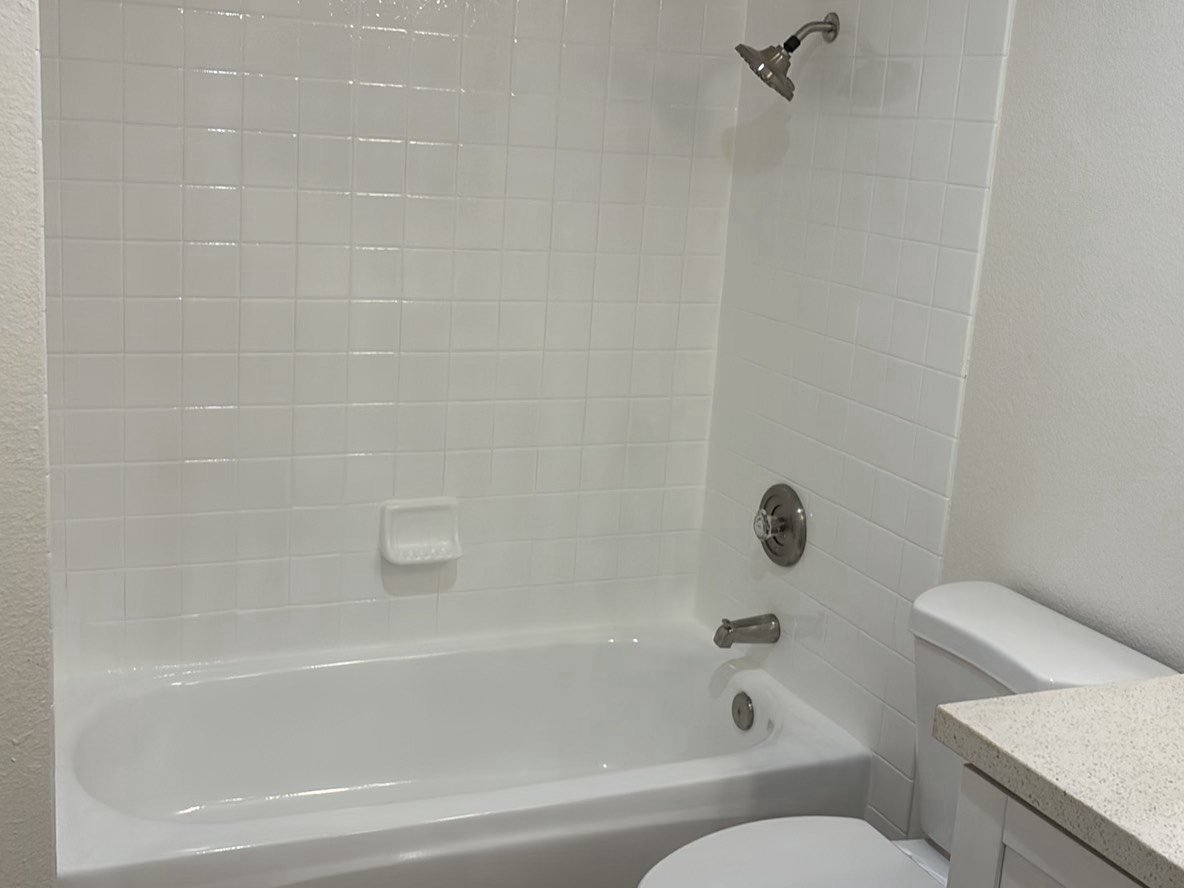
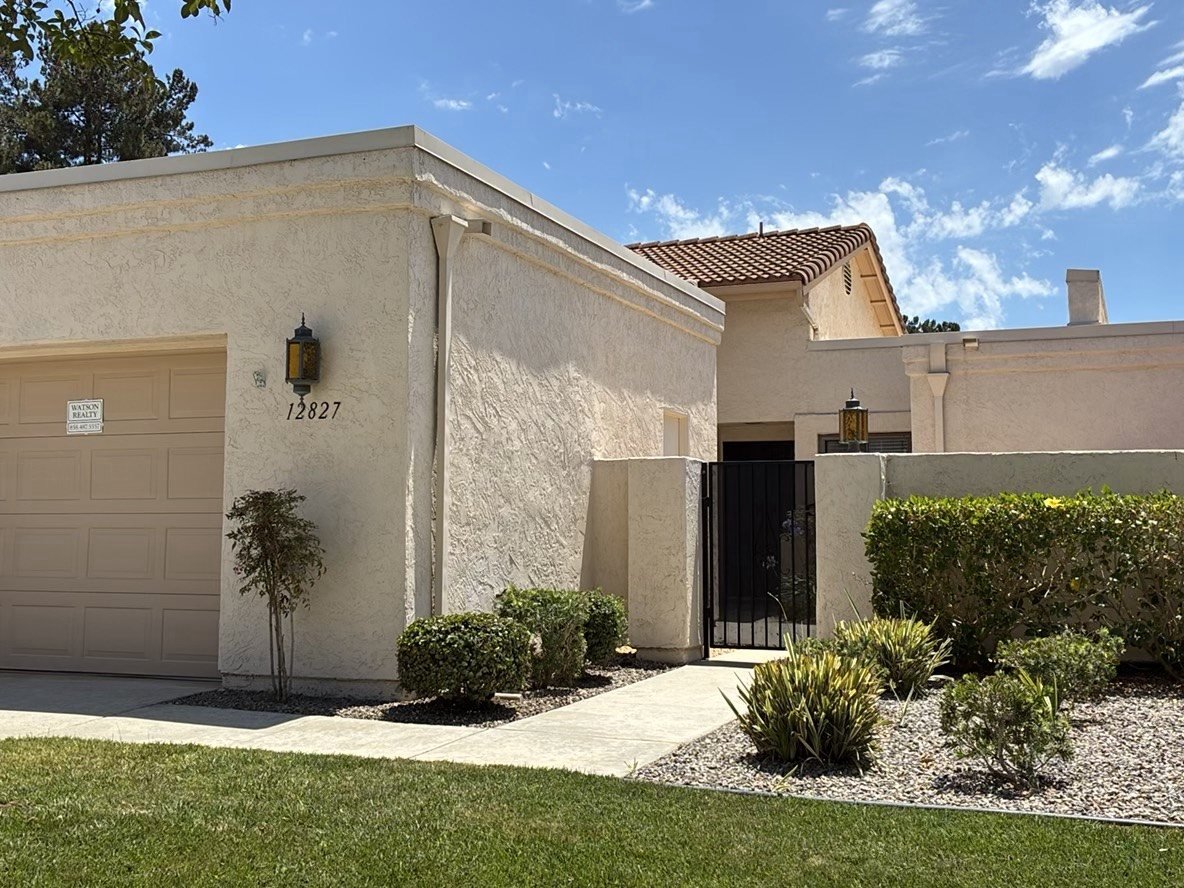
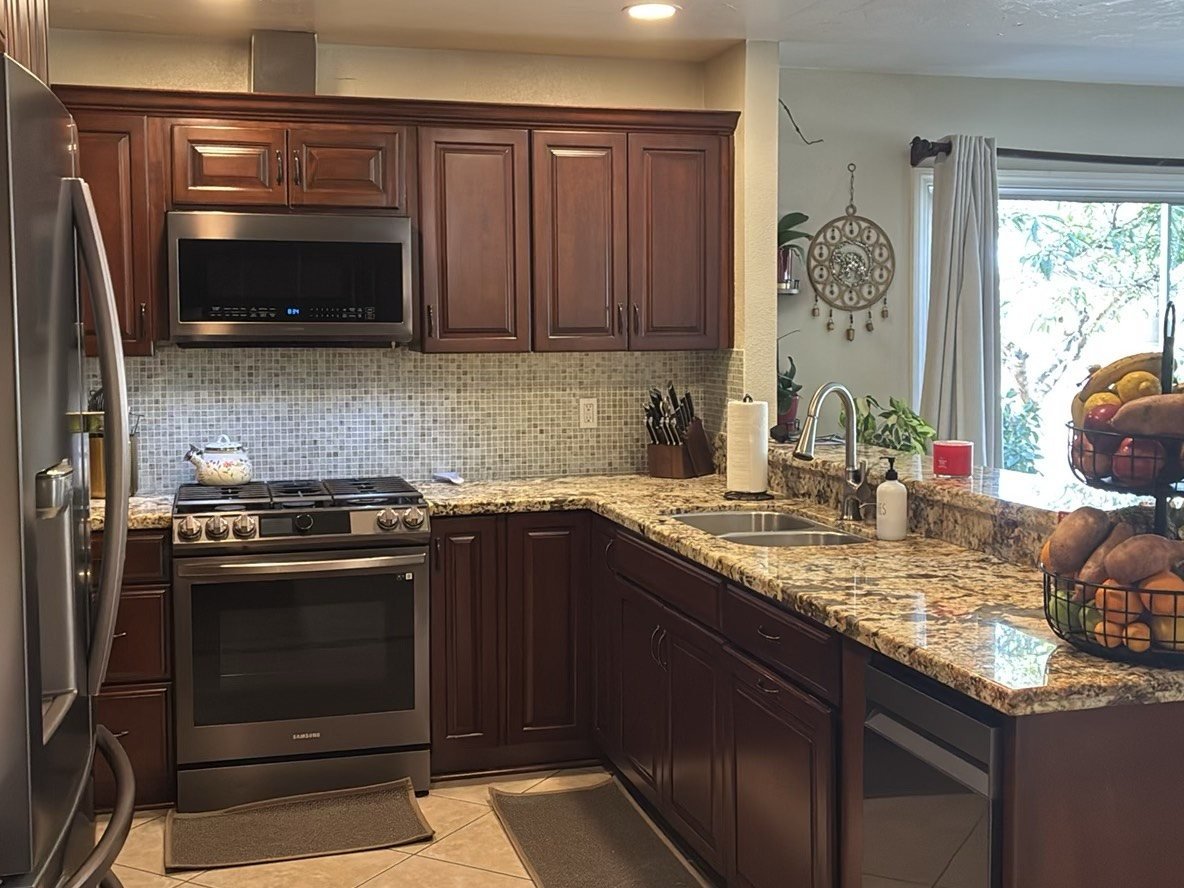
Photos from 11-month builder warranty inspections of newer San Diego homes.
More inspections in Point Loma
- Commercial inspection in Point Loma
- Pool and spa inspection in Point Loma
- Sewer scope inspection in Point Loma
- 4-point inspection in Point Loma
- Home inspection in Point Loma
Nearby and countywide
Were You Happy With Your Inspection?
We are proud of our 4.9-star rating across 100+ Google reviews. If Joseph and the team did right by you, a quick Google review helps other San Diego County buyers and sellers find us.