
Pool & Spa Inspection in Point Loma, CA
Point Loma is a narrow peninsula with water on three sides, and a pool here lives in that exposure full-time. Whether the backyard looks west over Sunset Cliffs into open surf or drops toward the harbor on the La Playa side, salt-laden air settles on every metal surface around the water and never really lets up. Add a housing stock that runs heavily to the 1920s through the 1950s — bungalows and Spanish-revival homes on tight lots where the pool was usually squeezed in long after the house was built — and you get pools and spas that have been re-plastered, re-piped, and re-equipped by a string of owners, each leaving their own layer behind.
A pool and spa inspection here is a focused visual evaluation of what you can reasonably see and operate without dismantling anything. We document the shell and interior finish, the deck and coping, the visible circulation plumbing and equipment, the electrical bonding and GFCI protection that keep swimmers safe, and the fencing, gates, and anti-entrapment drain covers that keep children out of the water. We report observed condition and hand you a HomeGauge report you can act on. We don't pressurize lines to chase hidden leaks or balance the water chemistry — when a pool needs that, we point you to a licensed pool specialist.
Call (619) 752-4399 Schedule an Inspection
What does a Point Loma pool & spa inspection cover?
This is a visual, operate-what-we-safely-can assessment of the pool, spa, and the systems that run them, written for buyers, sellers, and agents who need to know what a peninsula pool is going to ask of them. On a typical Point Loma property we look at:
- Shell and interior finish — the plaster, pebble, or quartz surface and the spa interior, examined for cracking, hollow delamination, etching, and the staining that humid coastal air and out-of-balance water leave behind on older finishes.
- Deck, coping, and waterline tile — the surrounding deck, mastic expansion joints, coping stones, and tile band, plus any movement where a Sunset Cliffs slope or a La Playa flat has shifted underfoot.
- Visible circulation plumbing — skimmers, returns, reachable suction lines, valves, and the exposed piping at the pad, observed for leaks and corrosion where we can actually see them.
- Equipment — pump, filter, and heater, plus any salt-chlorine generator, automation, and spa blower — run through a normal cycle to confirm it powers up and circulates.
- Electrical bonding and GFCI — the equipotential bonding grid that ties the metal together and GFCI protection on pump, light, and outlet circuits, the safety systems peninsula salt air degrades first.
- Barriers and anti-entrapment — fence height, self-closing and self-latching gates, door alarms where present, and VGB-compliant covers on the main drains.
Where a line is buried, a panel is locked, or a heater can't be fired safely, we say so on the report rather than imply we confirmed something we couldn't reach.
How do the peninsula and Point Loma's older lots shape the job?
Three things about this peninsula concentrate where we spend our time — the salt, the age of the homes, and the ground itself:
- Wraparound salt exposure. Point Loma is hemmed by ocean on the west and bay on the east, so there's no inland buffer the way a Tierrasanta or Clairemont backyard gets one. The equipment pad ages fast: heater cabinets bloom rust, pump fittings pit, conduit chalks, and the bonding lugs that protect swimmers corrode while the plaster still looks presentable. Salt-chlorine systems push it further.
- 1920s-50s homes, pools added later. Much of the housing here predates the war, and the pools and spas came decades after on already-tight lots. Original-era plaster, mixed-vintage equipment, abandoned plumbing crammed against a property line, and pre-VGB drain covers are routine — sorting current-and-functional from legacy is real work.
- Slopes on one side, high water table on the other. Pools cut into the Sunset Cliffs and Loma Portal grades sit on filled or stepped lots that keep moving, while the low ground around La Playa and the bay flats carries a high water table that pushes against shells and floods equipment vaults. We read deck and shell cracking against which side of the peninsula you're on.
- Persistent marine-layer moisture. Heavy fog mornings keep decks, coping, and the shell waterline damp on a peninsula surrounded by water, feeding organic staining, efflorescence, and slow finish etching on older plaster.
What turns up most often on Point Loma pools & spas?
Inspect enough pools between Sunset Cliffs, Loma Portal, Roseville, and the La Playa flats and the same items keep landing on the report. None is automatically a dealbreaker — they're things to understand, price, and negotiate before you sign:
- Corroded heaters and pad equipment. Rust-eaten heater cabinets, seized fasteners, pitted conduit, and tired pumps and filters — wraparound peninsula salt produces the worst of this, and salt systems accelerate it.
- Worn plaster and finish. Etching, staining, and hollow delamination on original plaster behind older bungalows, well past a normal resurface interval.
- Compromised or missing bonding. Broken, corroded, or absent equipotential bonding at the pump, heater, and light niche — a genuine shock hazard and one of the most common findings on salt-weathered Point Loma pools.
- No GFCI protection. Pump, light, and equipment circuits and nearby receptacles wired before current GFCI standards, common on homes this age.
- Non-compliant safety barriers. Fences under height, gates that won't self-close or self-latch on cramped peninsula yards, and flat or expired main-drain covers that fail the federal VGB anti-entrapment standard — the items that matter most on a family property.
- Deck and shell movement. Cracked decking and lifted coping on Sunset Cliffs slopes, and shell stress or floated equipment vaults on the high-water-table ground toward the bay.
How does the inspection run and what does your report deliver?
We coordinate access with the listing agent or owner so the equipment is energized and reachable, then run the pump, filter, heater, and spa through a normal cycle — confirming flow at the skimmers and returns and watching the valves at the pad — rather than judging a cold, off system. While that runs we walk the deck and perimeter, sound and examine the shell and waterline, and challenge the gates and latches the way a child actually would on a tight peninsula yard.
The electrical safety items get extra attention here, because that's where the salt does its quiet damage: we trace the visible bonding between metal components, confirm GFCI protection on the pump and light circuits, and note any corrosion at the disconnect. On the low La Playa ground we also look for the water-table signs — a heaving deck, a floated vault, persistent dampness around the shell. We photograph the main-drain covers and document whether they meet the current VGB anti-entrapment standard. Time on site scales with the property — a small Roseville spa is quick; a Sunset Cliffs pool-and-spa with automation and a salt system runs longer.
You're welcome to walk it with us, and on a pool we encourage it — a corroded bonding clamp or a gate that won't latch makes far more sense standing in front of it than as a line on paper. Your report is a photo-documented HomeGauge deliverable organized by component, with the significant safety items pulled into a summary up front, turned around same day or next day so it lands inside your contingency window. We report observed condition only and never bid or perform the repairs we identify, so nothing in it carries a conflict of interest.
Two things sit outside this scope, and we're upfront about them: pressurized leak detection and water chemistry balancing are specialist services. When the visible evidence points to a possible leak or a chemistry problem — not unusual on older peninsula pools — we recommend a licensed pool specialist to handle those alongside our findings.
Why do Point Loma buyers call Joseph Romeo?
A pool is a structural, mechanical, and electrical system at once, and reading a peninsula pool well rewards an inspector who understands how the whole thing was built — not just how to glance at the surface. Your inspection is led by Joseph Romeo, an InterNACHI Certified Professional Inspector (CPI) who also holds a California CSLB General Contractor license (#1113143). On Point Loma's altered older pools and salt-stressed equipment, that contracting background is the difference — he reads how a deck was poured on a slope, where a past resurface cut a corner, and what a heater swap or bonding repair will realistically involve.
- 20+ years and more than 10,000 inspections across San Diego County, coast and inland.
- 4.9 stars across 106 Google reviews from buyers, sellers, and agents.
- Straight talk — we tell you what we'd want to know if it were our own family in the water, especially on the safety items, with no scare tactics and no upsell.
- Real familiarity with the peninsula, from the Sunset Cliffs bluffs and Loma Portal to the harbor-side flats of La Playa and Roseville.
For pressurized leak detection, plaster resurfacing, equipment replacement, or chemistry, we'll point you to the right licensed pool specialist so each piece is handled by the appropriate professional.
Which Point Loma inspections should you pair with it?
A pool rarely arrives by itself. Most Point Loma buyers run the pool and spa inspection alongside the home, often in one coordinated visit:
- Full home inspection — the house, roof, electrical, plumbing, and structure, the core read that the pool report supplements.
- Roof inspection — the salt-stressed flashing and coverings that fail early on a peninsula taking weather off the ocean and the bay both.
- Thermal/infrared imaging — reads hidden moisture in decks, equipment rooms, and the home's envelope, a real payoff in Point Loma's damp marine-layer climate and on high-water-table lots.
- Sewer scope — a camera run of the lateral, worth it behind older homes here with original clay or cast-iron lines and mature trees, especially where the run passes near the pool.
- Specialist coordination — for leak detection, structural certification, or a termite/WDO report, we refer the right licensed professional rather than stretch past our scope.
The pairing we suggest most often is the pool inspection with a full home inspection, for one coordinated read on the whole property instead of two disconnected trips. We recommend what fits your purchase, not a fixed package.
Point Loma Pool & Spa Inspection FAQs
What does a pool and spa inspection in Point Loma cost?
Why does being on the peninsula matter for a pool inspection?
Does the high water table near La Playa affect a pool?
Will you test for a leak or balance the water?
Do you check the pool fence and drain covers?
Can you inspect an older pool behind a 1920s Point Loma home?
Pools and equipment
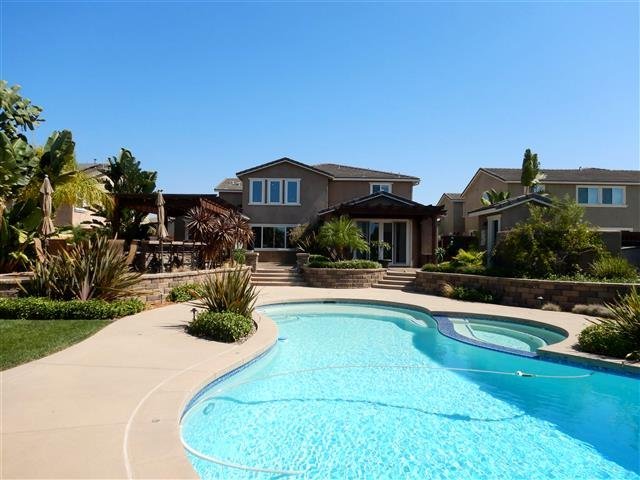
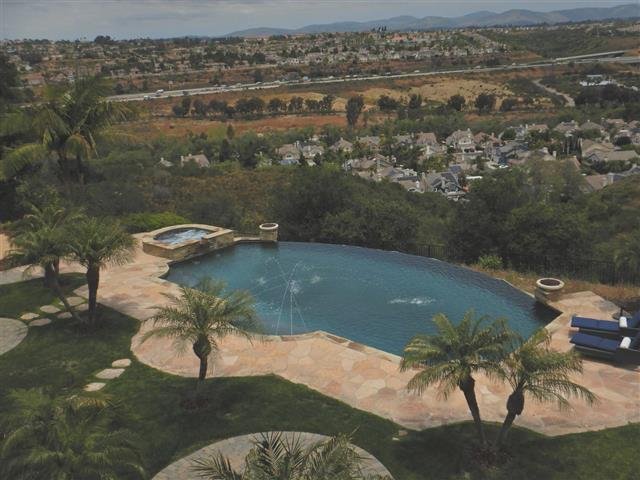
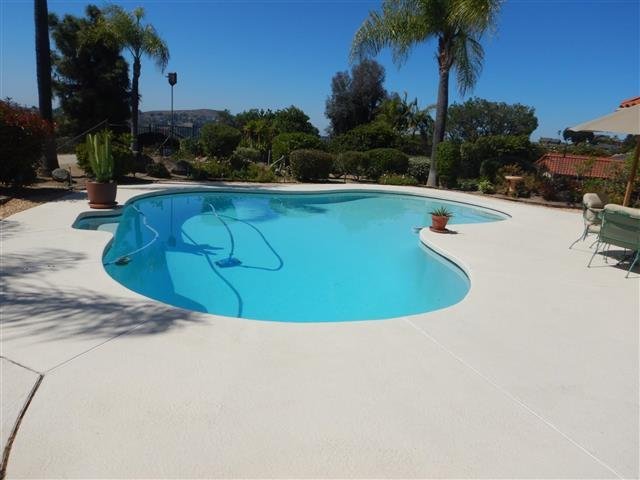
Pools, spas and equipment photographed during recent inspections.
More inspections in Point Loma
- 4-point inspection in Point Loma
- Roof inspection in Point Loma
- Thermal imaging in Point Loma
- Foundation slab survey in Point Loma
- Home inspection in Point Loma
Nearby and countywide
Were You Happy With Your Inspection?
We are proud of our 4.9-star rating across 100+ Google reviews. If Joseph and the team did right by you, a quick Google review helps other San Diego County buyers and sellers find us.