
SB-721 Balcony Inspection in Point Loma, CA
Run an apartment or multifamily building anywhere on the Point Loma peninsula with three or more rented units, and California's SB-721 statute now applies to you. It requires a documented inspection of the building's exterior elevated elements — the balconies, decks, exterior stairways, landings, and elevated walkways that carry people higher than six feet off the ground — along with the waterproofing that keeps weather out of that framing. AB 2579 moved the original due date, so the first inspection landed on January 1, 2026, and the statute then repeats on a six-year clock.
Point Loma is a hard place to own these structures and an easy place to underestimate them. The peninsula juts straight out between the bay and the open ocean, so salt air reaches framing on the Roseville and La Playa bayside flats, the Sunset Cliffs apartments taking ocean spray head-on, and the older walk-ups stepping down the Loma Portal and hillside grades. We carry out the SB-721 inspection — visual first, with intrusive probing where the signs point to concealed damage — and turn it into a photo-documented report that marks every element safe or unsafe for you and for the City of San Diego. The line we hold: we find and record the condition; the repair drawings and any structural certification belong to a licensed engineer or contractor.
Call (619) 752-4399 Schedule an Inspection
What does an SB-721 inspection cover on a Point Loma building?
The law uses the term Exterior Elevated Elements (EEE) — the load-bearing, wood-framed parts of a building that extend outward and sit more than six feet above the grade below, plus the weatherproofing that shields them. On a Point Loma apartment property, here is what gets examined and photographed:
- Balconies and projecting decks — joists, beams, posts, and especially the ledger connection where the element ties back into the building wall, along with the railing and the coating or membrane sealing the framing beneath it.
- Exterior stairways and landings — stringers, treads, and the shared landings serving the two- and three-story walk-ups that fill the peninsula's older blocks.
- Elevated walkways and breezeways — the open-air corridors threading the garden-court complexes off Rosecrans and the bayfront streets.
- Weatherproofing systems — deck coatings, flashing, sealant joints, and drainage paths, each judged together with the structure it protects.
SB-721 calls for a representative sample of every element type to be opened to inspection so the conclusions speak for the entire building. The deliverable sorts each inspected element into a condition category, backs it with photographs, and states without hedging whether anything presents an immediate danger to the people using it.
How does the peninsula's geography affect Point Loma EEE?
Point Loma sits exposed on two coasts at once, and that double exposure is precisely the scenario the legislature had in mind. Here is why elevated elements age badly out here:
- Two-sided salt loading. Bay air off Shelter Island and America's Cup Harbor hits the Roseville and La Playa side, while raw ocean spray off the cliffs works the Sunset Cliffs and Ocean Beach edge. Connectors — hangers, ledger bolts, railing anchors, stair brackets — corrode from whichever direction the wind carries the salt that day.
- Pre-war and mid-century framing. Much of the peninsula's apartment stock went up between the 1920s and 1950s, framed before modern flashing and deck-coating details were standard, and plenty of it has had waterproofing patched over old failures rather than rebuilt.
- A high water table and graded lots. The peninsula's slopes and the elevated groundwater beneath them keep the ground floor and lower framing damp, so moisture works upward into stairs and landings that never fully dry.
- Marine humidity that stalls drying. The same maritime air that feels pleasant keeps deck surfaces and framing wet, so a coating breach that would dry and recover in an inland valley instead stays saturated here and feeds rot.
That map of exposure decides where we probe. The most serious SB-721 failures on the peninsula tend to hide behind a balcony that looks completely fine from the parking court below.
Which conditions do we routinely document on Point Loma inspections?
Walk enough elevated elements between Roseville, Loma Portal, and the Sunset Cliffs blocks and a recurring set of defects shows up. Under SB-721 each is recorded as observed; the ones that weaken the structure or endanger occupants are called out as exactly that:
- Corroded steel connectors. Joist hangers, ledger bolts, and stair-stringer brackets eaten by salt — the signature wear of a peninsula building catching air off two coastlines.
- Ledger-line rot. Softened, deteriorated wood where a balcony or stair fastens to the wall, the most dangerous point on the whole element and the first place peninsula humidity reaches.
- Spent deck coatings. Membranes cracked, blistered, or worn through, most often at the deck-to-wall seam and at door thresholds where water collects.
- Beaten flashing and sealant. Failed or missing flashing at railing penetrations and thresholds, letting water track straight into the framing.
- Slack guardrails. Railing posts or anchors that have lost their grip because the wood or hardware behind them has weakened — a live safety call on an elevated walkway.
- Backward drainage. Decks and landings pitched toward the building, trapping salt-laden runoff against the structure long after the marine layer burns off.
How do we run the inspection and what does your report contain?
The work starts before the site visit: we go over the building — unit count, the number and kinds of elevated elements, any earlier inspection or repair paperwork — then set the representative sample the statute demands and coordinate tenant access. On site, Joseph Romeo takes each balcony, deck, stair, landing, and walkway one at a time, checking the wall connection and visible framing, reading the waterproofing, railings, and drainage, and sounding coatings wherever staining or soft spots hint at rot underneath.
When the visual read flags possible hidden damage — a ceiling stain beneath a balcony, a landing that gives underfoot, a coating failing over a ledger — we step up to the intrusive inspection the statute permits, opening a small and repairable area to verify what is happening inside the assembly instead of guessing. On a two-coast peninsula that step pays off regularly, because salt and damp do their worst work where nobody can see it. You receive a written report sorting each inspected element by condition, naming anything that poses an immediate threat to safety, and carrying the photo record the City of San Diego expects — delivered through HomeGauge same day or next day.
The boundary stays firm: we inspect and document observed condition only. We do not draw repairs, perform repairs, or issue engineering or structural certifications on a building we have inspected. When a finding needs repair plans or a stamped structural opinion, we say so directly and coordinate or refer the appropriate licensed engineer or contractor — which is exactly what keeps our SB-721 report independent. If wood-destroying organisms enter the picture, we bring in a licensed termite/WDO specialist rather than stretch past our scope.
Why do Point Loma owners and managers hire Joseph Romeo?
SB-721 lists the inspector types it accepts, but the report only carries weight if the person reading the structure knows what they are looking at. Your inspection is led by Joseph Romeo, an InterNACHI Certified Professional Inspector (CPI) who also holds a California CSLB General Contractor license (#1113143). That builder's background is what an EEE inspection actually demands — he can tell how a balcony was framed, how a ledger was fastened, and what a salt-corroded connector means for the load it is supposed to carry, rather than just logging surface wear.
- 20+ years and more than 10,000 inspections across San Diego County's coastal, bayfront, and hillside building stock.
- 4.9 stars across 106 Google reviews from owners, property managers, and agents.
- Reports written to meet the SB-721 content and record-keeping the City and your own files require.
- Plain condition calls — which elements are safe, which need work, which are an immediate hazard — each one backed by photographs.
For the record: we hold InterNACHI CPI and a CSLB contractor license; we are not ASHI or CREIA members, and we do not post flat prices, because the fee tracks building size and element count. Findings come back fast and in straightforward language, so you, your engineer, and the City can move without needing anything translated.
Which related inspections suit Point Loma multifamily owners?
An SB-721 inspection settles one specific legal obligation tied to your elevated elements, but a peninsula building usually has more worth checking on the same trip:
- SB-326 balcony inspection — the companion EEE law covering condominium and HOA-governed buildings, which runs on different rules than SB-721's apartment standard. If your property is a common-interest development instead of an apartment, that is the statute that governs it.
- Thermal/infrared imaging — finds concealed moisture inside walls and behind balcony assemblies without opening them, which earns its keep in the peninsula's heavy marine humidity.
- Roof inspection — a focused look at salt-stressed coverings and flashing overhead, frequently aging on the same clock as the balconies underneath.
- Full property inspection — a complete read on the accessible systems when you are acquiring or repositioning a Point Loma apartment building.
- Sewer scope — a camera run down the laterals, a smart move on the aging clay and cast-iron lines under the peninsula's older stock and high water table.
Own several buildings across the peninsula? We can batch the SB-721 inspections and keep the reporting uniform across the whole portfolio, so your six-year cycle stays tracked in one place.
Point Loma SB-721 Balcony Inspection FAQs
Does my Point Loma building need an SB-721 inspection?
When was the SB-721 deadline, and how often does it repeat?
Why is Point Loma's location so hard on balconies?
Will you have to cut into my balconies?
Can you also repair what the inspection turns up?
What does an SB-721 inspection cost in Point Loma?
Properties we inspect
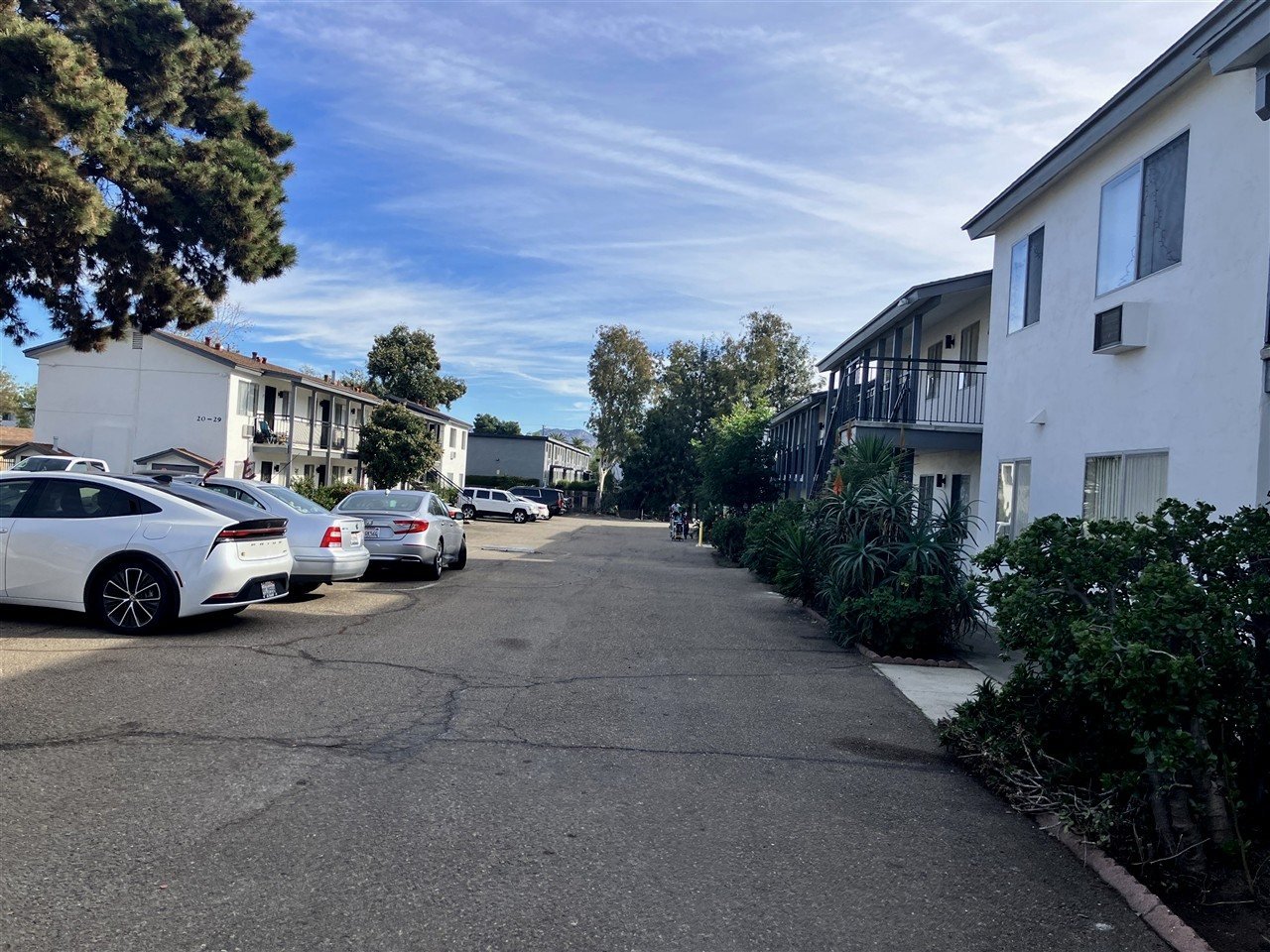
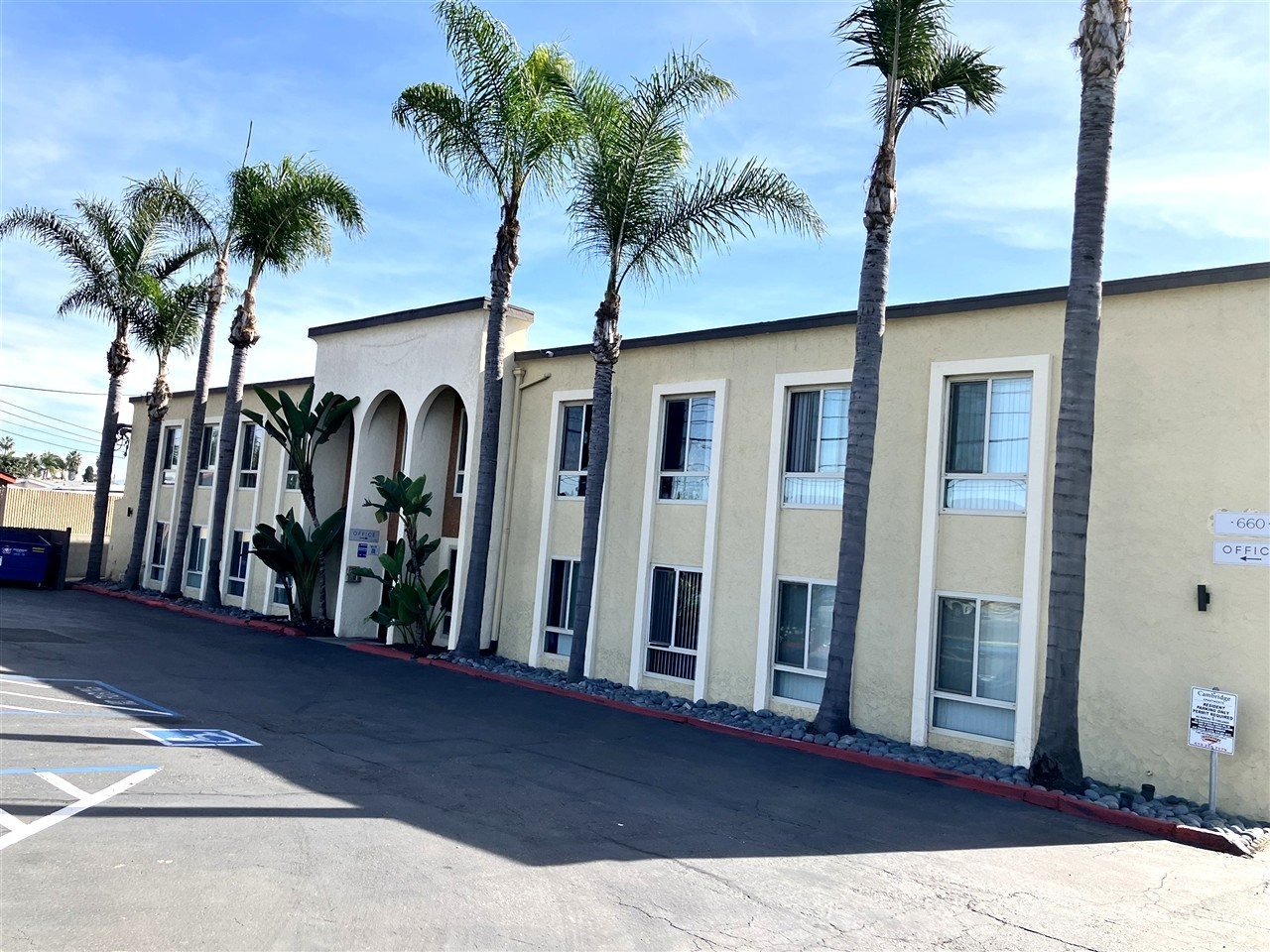
Multi-unit properties documented for SB 721 balcony compliance across San Diego County.
More inspections in Point Loma
- Warranty inspection in Point Loma
- Commercial roof cleaning in Point Loma
- Commercial inspection in Point Loma
- Pool and spa inspection in Point Loma
- Home inspection in Point Loma
Nearby and countywide
Were You Happy With Your Inspection?
We are proud of our 4.9-star rating across 100+ Google reviews. If Joseph and the team did right by you, a quick Google review helps other San Diego County buyers and sellers find us.