
Commercial Roof Cleaning in Point Loma, CA
Point Loma is a peninsula, and its flat commercial roofs pay for that geography. With the open Pacific off Sunset Cliffs to the west and the harbor and bay wrapping the east side past Shelter Island and Liberty Station, the low-slope membranes over Rosecrans Street's retail strips, the converted Naval Training Center buildings at Liberty Station, and the marine-industrial shops near the boat yards take salt air from two directions at once. That air, plus the peninsula's morning fog, keeps a TPO, modified-bitumen, BUR, or foam roof damp long enough to grow algae, corrode every drain and scupper, and let water sit in the low spots. Commercial roof cleaning is the routine maintenance that stops that slow grind before it becomes a leak over a tenant's ceiling.
We get called up to pull the leaf load, salt grit, and biological film off the membrane, open the scuppers and roof drains so water actually leaves the building, and photograph what's underneath so a small problem gets caught early. We clean and document — we don't recoat, re-roof, or bid the fix. When clearing the debris uncovers a split seam, a blistered foam patch, or drainage metal the salt has eaten through, we hand you the photos and tell you straight. You get an honest read on the roof, kept separate from anyone selling the repair.
Call (619) 752-4399 Schedule an Inspection
What does a Point Loma commercial roof cleaning cover?
It clears debris, opens scuppers and drains, removes biological growth, checks for salt corrosion, and documents condition. The job is straightforward: get the weight, water, and growth off the membrane and keep the roof draining the way it was built to. On a Point Loma commercial building, across the membrane types that sit on the peninsula's flat roofs, the scope breaks down to:
- Debris clearing — the leaf litter, palm and eucalyptus drop, wind-driven sand off the cliffs, and trash that piles against parapets, equipment curbs, and gravel stops on TPO, modified-bitumen, built-up (BUR), and sprayed-foam (SPF) roofs.
- Scupper and drain opening — clearing the packed muck out of through-wall scuppers, roof drains, and overflow outlets so a foggy marine morning or a winter storm sheds off the roof instead of backing up behind a blocked outlet.
- Biological growth removal — the algae, mildew, and salt-damp film the peninsula's humidity grows in shaded valleys and behind rooftop units, lifted with a method matched to the membrane.
- Salt-deposit and corrosion checks — clearing the grit off drain bowls, counterflashing, and metal edges so we can see where the two-sided ocean-and-bay air is taking the metal before it dams water up.
- Condition documentation — a photo record of the field, seams, flashings, penetrations, and drains, so you hold dated proof of maintenance for warranty files and a clear list for your roofer.
We clean and document. Recoating, seam work, and re-roofing belong to a licensed roofing contractor — keeping those separate is what keeps the condition report independent of the repair bid.
Why does the peninsula's two-sided salt air punish Point Loma roofs?
Few settings in the county work a low-slope roof as hard as a narrow peninsula with water on both flanks. Point Loma wraps a roof in moving salt air from the ocean and the bay, and the standard cleaning scope earns its keep here for reasons tied to this specific terrain:
- Salt corrosion from two sides: The Pacific off Sunset Cliffs and the harbor and bay on the east both push salt onto drain bowls, scupper boxes, termination bars, and counterflashing. We routinely find the membrane still sound while the drainage metal is rusting toward failure.
- Older building stock, newer membranes: Point Loma's 1920s-through-1950s commercial and mixed-use buildings — the Rosecrans and Point Loma Village storefronts, the historic Liberty Station structures — often carry newer low-slope roofs tucked behind tall parapets, where debris hides and drainage is easy to miss.
- Slope-and-harbor drainage: The peninsula falls from the ridge down toward the water, and buildings stepped onto those grades drain to just a few outlets. Once leaf litter or salt grit dams one, the roof has nowhere to send the water.
- High water table near the bayfront: On the low harbor and Shelter Island side, the high water table and damp ground keep the air around a roof humid longer, feeding the growth that holds water against the membrane.
- Steady tree and cliff drop: The palms and eucalyptus through the Village and the sand and salt blown off the Sunset Cliffs bluffs shed onto nearby roofs year-round, clogging the few drains these buildings rely on faster than an owner expects.
What do we commonly find on Point Loma commercial roofs?
Packed scuppers, salt-eaten drainage metal, biological film, ponding, foam-coat breakdown, and debris-dammed penetrations recur. Because the same older building stock and the same two-sided salt air repeat across the peninsula, a familiar set of findings turns up when we clear and document a Point Loma roof:
- Packed scuppers behind parapets: Through-wall scuppers and drains choked with leaf litter and grit on Rosecrans retail and Liberty Station roofs, with tide-line staining marking where water has been standing.
- Salt-eaten drainage metal: Rust working through scupper boxes, drain bowls, and edge metal — the ocean-and-bay exposure taking the metal well before the membrane gives out.
- Established biological film: Algae and mildew across shaded north slopes and equipment-shadow zones on the damp bayfront side where the surface never fully dries.
- Ponding signatures: Dirt rings, blistering, and softened low spots on BUR and modified-bitumen roofs where settled pitch and a slow drain let water pool.
- Foam coat breakdown: Chalking and pinholing on cliff-facing sprayed-foam sections where the topcoat no longer sheds the UV and salt spray coming off the open water.
- Debris dammed at penetrations: Leaf packs and grit trapped against HVAC curbs, skylights, and pipe boots — the seams a backed-up flow finds first.
How do we work the roof and what does the report tell you?
We schedule around your tenants and the building's access — rooftop hatch, ladder, or whatever the structure allows behind those parapets — and move across the roof methodically. We clear the field and valleys, open every scupper, drain, and overflow, and lift biological growth with a membrane-appropriate method that won't drive water into a TPO seam or scour a foam coat. As we go, we photograph the field, seams, flashings, penetrations, drains, and any salt corrosion or standing-water evidence.
Your findings come back in a clear, photo-documented HomeGauge report, typically delivered the same day or the next day. It records what we cleared, the condition of the membrane and details by area, and a flagged list for your roofer — a corroded scupper box, a stressed seam, a blistered foam patch, a chronic ponding low spot. That record pulls double duty: your dated maintenance proof for warranty compliance, and a precise handoff for any repair that follows.
We report observed condition only. We don't recoat, patch, re-roof, or run leak pressure-tests, and we don't bid the work. When a finding needs a licensed roofer, we say so and refer you to the right specialist — which keeps our read on your roof independent of whoever sells the fix.
Why do Point Loma owners and managers trust the work?
Your roof is cleaned and documented under Joseph Romeo, an InterNACHI Certified Professional Inspector (CPI) who also holds a California CSLB General Contractor license (#1113143). That builder's eye changes what a cleaning is worth on a peninsula roof: he reads how a scupper and overflow were actually detailed, whether a foam coat has kept up against the two-sided salt, and where a low-slope membrane is starting to fail — not just whether the surface looks swept once the debris is gone.
- 20+ years and 10,000+ inspections across San Diego County's coast, from the Rosecrans commercial corridor to Liberty Station and the harbor-side buildings near Shelter Island.
- 4.9 stars across 106 Google reviews from owners, property managers, and agents who needed a straight answer on a roof.
- Same- or next-day HomeGauge reports built so you and your roofer can act on the list without a second trip up.
- Honest condition calls — we document what we'd want to know if the building were ours, under this same peninsula salt and fog.
We are InterNACHI CPI and CSLB-licensed; we are not ASHI or CREIA members, and we don't post flat prices — roof scope varies with size, parapet access, membrane type, and how much salt-fed growth and debris are up there, so we point you to the fee schedule or confirm a quote before you book.
Which related Point Loma inspections are worth pairing?
A roof inspection, commercial building inspection, thermal imaging, full property inspection, and sewer scope are the common pairings. A roof rarely tells its whole story alone, and most owners book the cleaning alongside other systems in one visit. We offer the full range on the peninsula:
- Roof inspection — a deeper condition and remaining-life read of the membrane, flashing, and penetrations when the cleaning turns up wear you want fully assessed.
- Commercial building inspection — the broader look at structure, electrical, plumbing, and mechanical systems, the right call before a purchase or lease on an older Rosecrans or Liberty Station building rather than chasing one roof concern.
- Thermal/infrared imaging — reads hidden moisture in the deck and below the ceiling under a suspect flat roof, a real asset on a peninsula this damp and with this high a water table.
- Full property inspection — for Point Loma's older mixed-use buildings, the complete read of all accessible systems.
- Sewer scope — a camera down the lateral, smart on the older lines beneath the peninsula's 1920s-50s commercial blocks.
If you manage a Rosecrans storefront or a Liberty Station office, pairing the cleaning with a thermal scan in one trip answers both the surface question and the hidden-moisture question while we're already on the roof — and keeps your warranty file current.
Point Loma Commercial Roof Cleaning FAQs
How often should a Point Loma commercial roof be cleaned?
What does Point Loma's two-sided salt air do to a flat roof?
Do you repair the roof or just clean and document it?
Why does my Point Loma roof keep ponding water?
Will cleaning damage my TPO or foam roof?
What does commercial roof cleaning cost in Point Loma?
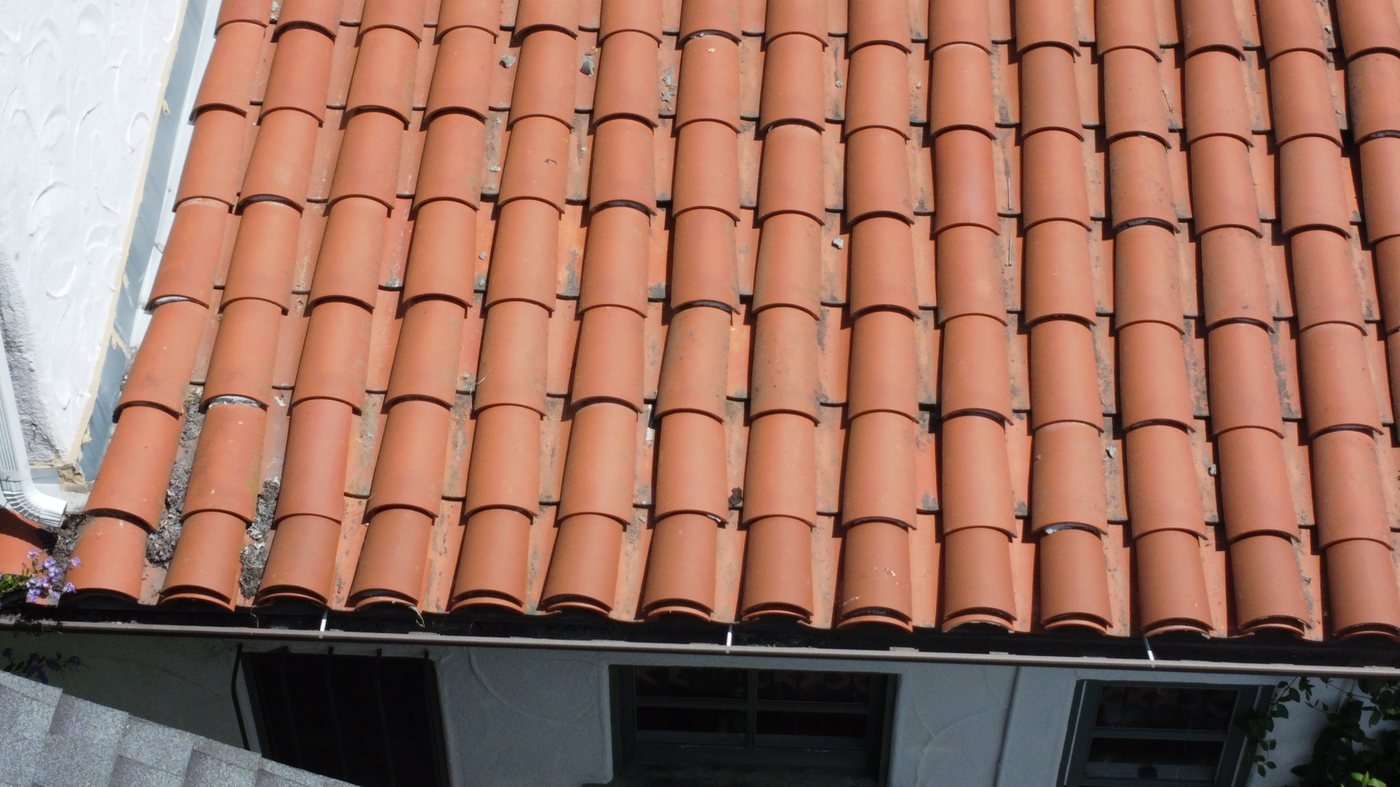
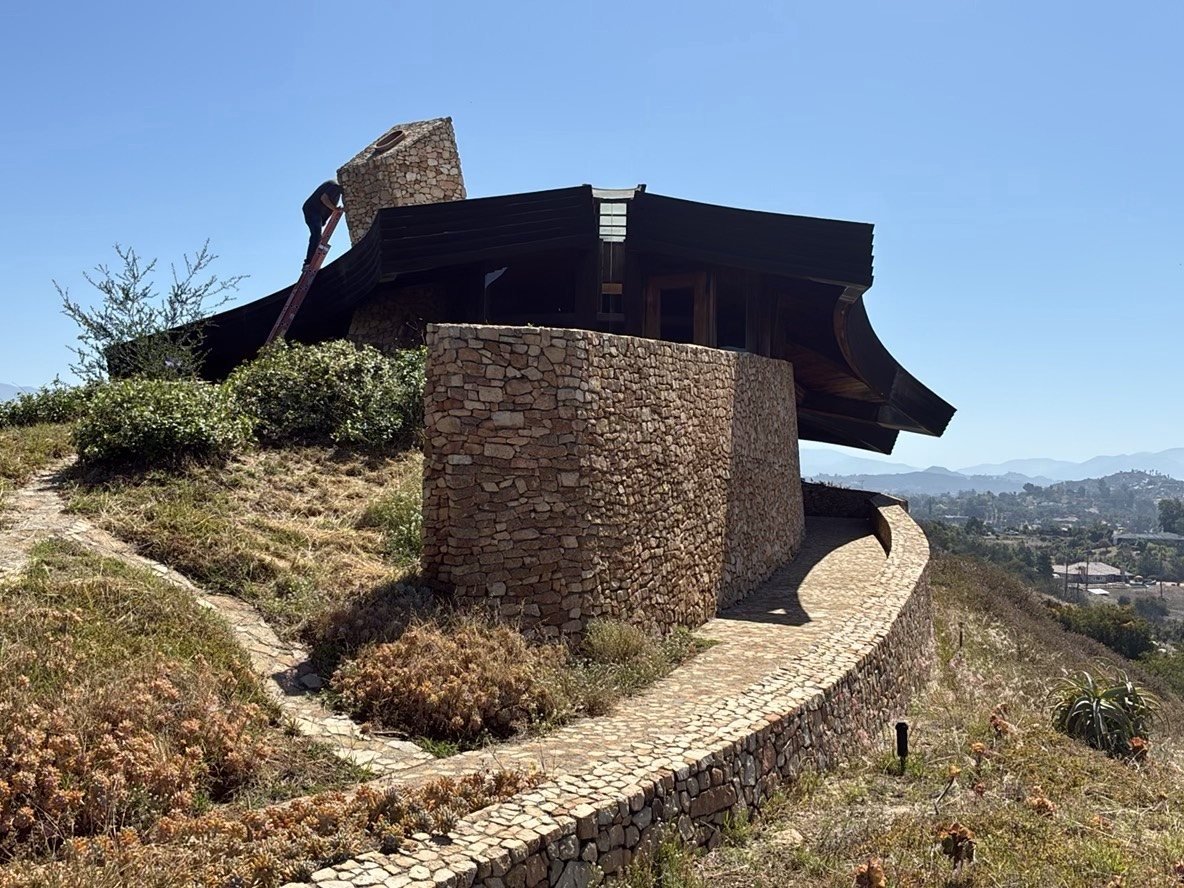
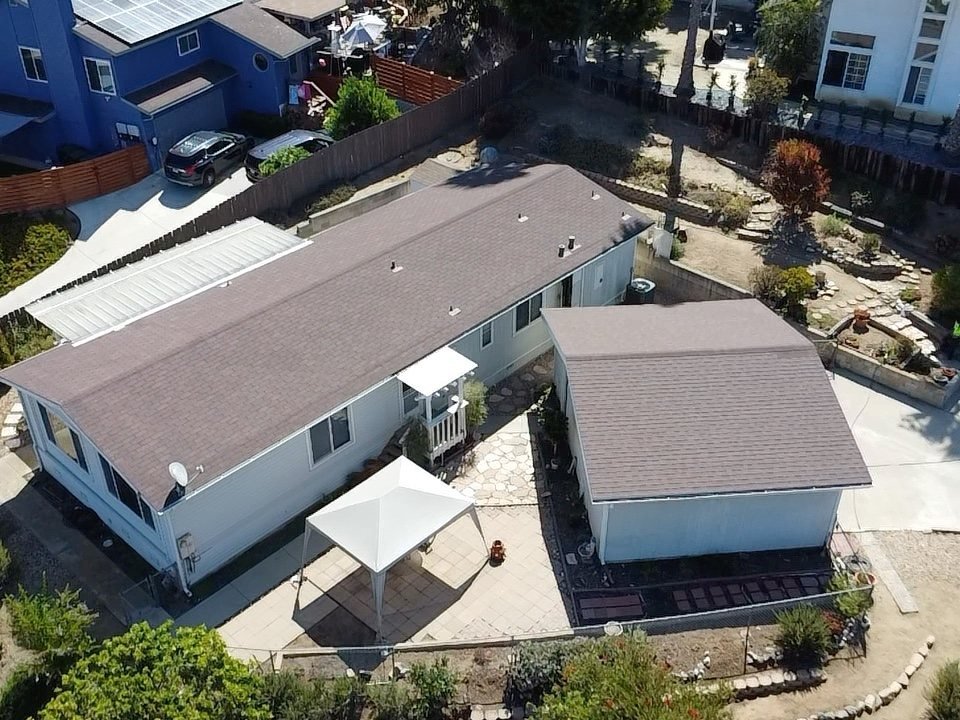
Large rooftops, handled
Flat and low-slope commercial roofs we access, document and maintain.
More inspections in Point Loma
- 4-point inspection in Point Loma
- Roof inspection in Point Loma
- Thermal imaging in Point Loma
- Foundation slab survey in Point Loma
- Home inspection in Point Loma
Nearby and countywide
Were You Happy With Your Inspection?
We are proud of our 4.9-star rating across 100+ Google reviews. If Joseph and the team did right by you, a quick Google review helps other San Diego County buyers and sellers find us.