
Seller's Pre-Listing Inspection in Point Loma, CA
Point Loma sits out on a peninsula with water on three sides, and that geography writes itself into every home on it. The marine air that rolls off the ocean and the bay corrodes metal faster here than a few miles inland, and a buyer's inspector knows exactly where to look for it. A seller's pre-listing inspection is the same complete home inspection that buyer would order — you simply run it first, before the sign goes up, so a pitted panel, a rusted flashing seam, or a damp crawlspace surfaces on your calendar instead of in the buyer's contingency window.
Running the inspection ahead of the listing changes who sets the terms. You inspect to the same InterNACHI Standards of Practice scope a buyer's inspector will use — every accessible system, the whole house — but you hold the report. That lets you decide which items to repair, which to disclose and price into your number, and it hands serious buyers a documented look at the home rather than letting a stranger's findings drive the negotiation. On Point Loma's mix of 1920s Craftsman and Spanish bungalows, post-war tract homes, and slope properties from La Playa up to Sunset Cliffs, going first is how a seller keeps a fixable item from reopening the whole deal.
Call (619) 752-4399 Schedule an Inspection
What does a Point Loma seller's pre-listing inspection cover?
This is a full home inspection — the entire house, not a single-system check — run to the same InterNACHI Standards of Practice a buyer's inspector follows. The report in your hands lines up with the one a buyer would otherwise hand back to you mid-escrow. On a peninsula property we walk and document:
- Roof and exterior envelope — coverings, flashing, fasteners, stucco, and trim, where ocean-side and bay-side salt spray pits metal and opens entry points well before the curb view shows it.
- Structure and grounds — foundation, framing, grading, and drainage, including the raised-foundation bungalows and the cut-and-fill slope lots that run from La Playa up toward Sunset Cliffs.
- Electrical, plumbing, and HVAC — service panel, branch wiring, supply and drain lines, water heater, and any heating or cooling equipment, including corrosion on exterior disconnects exposed to marine air.
- Interior, attic, and moisture-prone areas — ceilings, walls, windows, attic ventilation, and the damp corners a peninsula climate and a high water table quietly feed.
The scope matches a buyer's; the timing and the audience do not. You receive the findings while you still hold the calendar, in a report written so your agent and prospective buyers can read it straight — observed condition, not a sales pitch and not a repair estimate.
What does the peninsula mean for a Point Loma seller?
The salt air, older systems, slopes, high water table, and indoor moisture that draw buyers are the same conditions their inspector will photograph. Point Loma's location is its selling point and its inspection challenge at the same time. The conditions that make the neighborhood desirable are the same ones a sharp buyer's inspector is trained to photograph, so getting ahead of them is where a pre-listing inspection earns its keep:
- Three-sided salt exposure. With ocean on the west and bay on the east, marine air reaches nearly every lot. It pits flashing, eats fasteners and hardware, and corrodes panel components and condenser coils — documented credit requests waiting to happen.
- Older 1920s-1950s housing stock. Many homes in Roseville, La Playa, and the Wooded Area carry the systems of their era — original panels, galvanized supply lines, knob-and-tube remnants, and clay or cast-iron sewer laterals behind well-kept facades.
- Slopes and grading. Lots stepping up from the bay and along the Sunset Cliffs side bring retaining walls, cut-and-fill pads, and stormwater paths that a buyer reads closely when they discover them cold.
- High water table and crawlspace damp. Lower-lying peninsula lots sit near a high water table, where crawlspace moisture, foundation dampness, and drainage deserve a careful read before listing.
- Coastal moisture indoors. Persistent marine humidity drives slow leaks, attic-ventilation problems, and corrosion that look worse to a nervous buyer than they do to an inspector who can frame them in context.
What do we commonly find before a Point Loma listing?
Salt-corroded roofs, dated electrical, aging supply and drain lines, crawlspace moisture, weathered envelope, and corroded mechanicals recur. Inspect enough homes between Roseville, La Playa, and the Sunset Cliffs blocks and the same pre-listing items keep coming up. None has to spook a buyer — the whole reason to find them now is that you choose how to handle each one rather than react to it under contract:
- Salt-corroded roofs and flashing. Coverings, flashing, and fasteners with less remaining life than the roof's age implies — the most common coastal credit demand on the peninsula.
- Dated and corroded electrical. Knob-and-tube remnants in the oldest Roseville and La Playa bungalows, Federal Pacific or Zinsco panels, and salt-pitted exterior disconnects that some buyers' insurers balk at.
- Aging supply and drain lines. Galvanized supply pipe rusting closed and original clay or cast-iron laterals under the mature street trees of the older blocks.
- Crawlspace and drainage moisture. Damp crawlspaces on the lower, high-water-table lots and grading that pushes runoff toward the structure on the slope properties.
- Weathered exterior envelope. Soft fascia, cracked stucco, corroded window nail-fins, and tired seals that a buyer reads as a punch list and a seller can quietly get ahead of.
- Corroded mechanical equipment. Water heaters past warranty with missing seismic straps and condensers with salt-eaten coils and cabinets.
How does the process work and what report do you list with?
We schedule the inspection around your listing timeline — ideally a couple of weeks before you go active, so you have room to address what you choose to before photos and showings. Joseph Romeo inspects the home end to end: pulling the panel cover, checking supply pipe and the water heater, running any HVAC equipment, walking the roof and exterior envelope where it's safe, and assessing structure, drainage, and the crawlspace or slab perimeter common to the peninsula's older raised-foundation homes. You're welcome to walk along — seeing a corroded lug or a damp crawlspace in person makes the repair-versus-disclose call far easier than reading it off a page.
Your deliverable is a full HomeGauge report delivered same day or next day, with photos and plain-language findings you can hand straight to your agent and to prospective buyers. Because you have it first, you steer the next move: repair the items worth repairing, disclose and price around the rest, and use the report's request-list feature to keep your repair conversations organized. On a Point Loma listing, a clean or well-documented pre-listing report is also a trust signal on showings — it tells a serious buyer the home has nothing to hide.
One boundary we hold: we report observed condition. We don't bid or perform repairs on a home we inspect, and we don't run termite/WDO reports, leak pressure-tests, or structural certifications in-house — when a finding calls for a specialist, we say so plainly and coordinate or refer the right licensed professional. That keeps your report credible and conflict-free in a buyer's eyes.
Why do Point Loma sellers call Joseph Romeo?
A pre-listing inspection is only as good as the judgment behind it, because you'll make real repair-versus-disclose decisions off what the report says. Your inspection is led by Joseph Romeo, an InterNACHI Certified Professional Inspector (CPI) who also holds a California CSLB General Contractor license (#1113143). That contracting background is the seller's edge on the peninsula — he can tell you whether salt-corroded flashing or a dated panel is a quick fix or a real project, so you can weigh repairing now against the credit a buyer would likely ask for later.
- 20+ years and more than 10,000 inspections across San Diego County's coastal and peninsula neighborhoods.
- 4.9 stars across 106 Google reviews from sellers, buyers, and the agents who refer them.
- Real familiarity with Point Loma's stock — from Roseville and La Playa bungalows to the Wooded Area and the Sunset Cliffs slope lots.
- Reports your listing agent can use directly — clear enough to share with buyers, honest enough to build trust on a showing.
For the record, we are InterNACHI CPI and CSLB-licensed; we are not ASHI or CREIA members, and we don't post flat prices on a page — the fee tracks the property, so we point you to the fee schedule or confirm a quote before you book.
Which inspections are worth pairing on the peninsula?
A sewer scope, roof inspection, thermal imaging, and specialist coordination are the closer looks worth adding in the same visit. A pre-listing inspection answers the whole-house question, but Point Loma's age and coastal setting often make a closer look at one system worth doing in the same visit — the same items a buyer is most likely to scrutinize here:
- Sewer scope inspection — a camera down the buried lateral the home inspection doesn't enter, often aging clay or cast iron under the mature street trees of Roseville and La Playa, and a frequent late-escrow surprise.
- Roof inspection — a deeper read of salt-stressed coverings, flashing, and fasteners when you want detail before deciding whether to repair or disclose.
- Thermal/infrared imaging — surfaces hidden moisture behind walls and ceilings, a genuine payoff in this humid peninsula climate and a strong pre-listing reassurance.
- Specialist coordination — for termite/WDO, a structural or engineering opinion, or a leak pressure-test, we coordinate and refer the right licensed professional rather than reach past our scope.
Running the pre-listing inspection alongside a sewer scope in one trip is the most efficient way to clear the two items Point Loma buyers most often use to reopen a negotiation.
Point Loma Seller's Pre-Listing Inspection FAQs
What is a seller's pre-listing inspection in Point Loma?
Why inspect before the buyer's inspector does in Point Loma?
Does the report help with my seller disclosures?
What do you usually find on older Point Loma homes?
Do I have to fix everything the inspection finds before listing?
How soon before listing should I schedule, and how fast is the report?
Pre-listing documentation
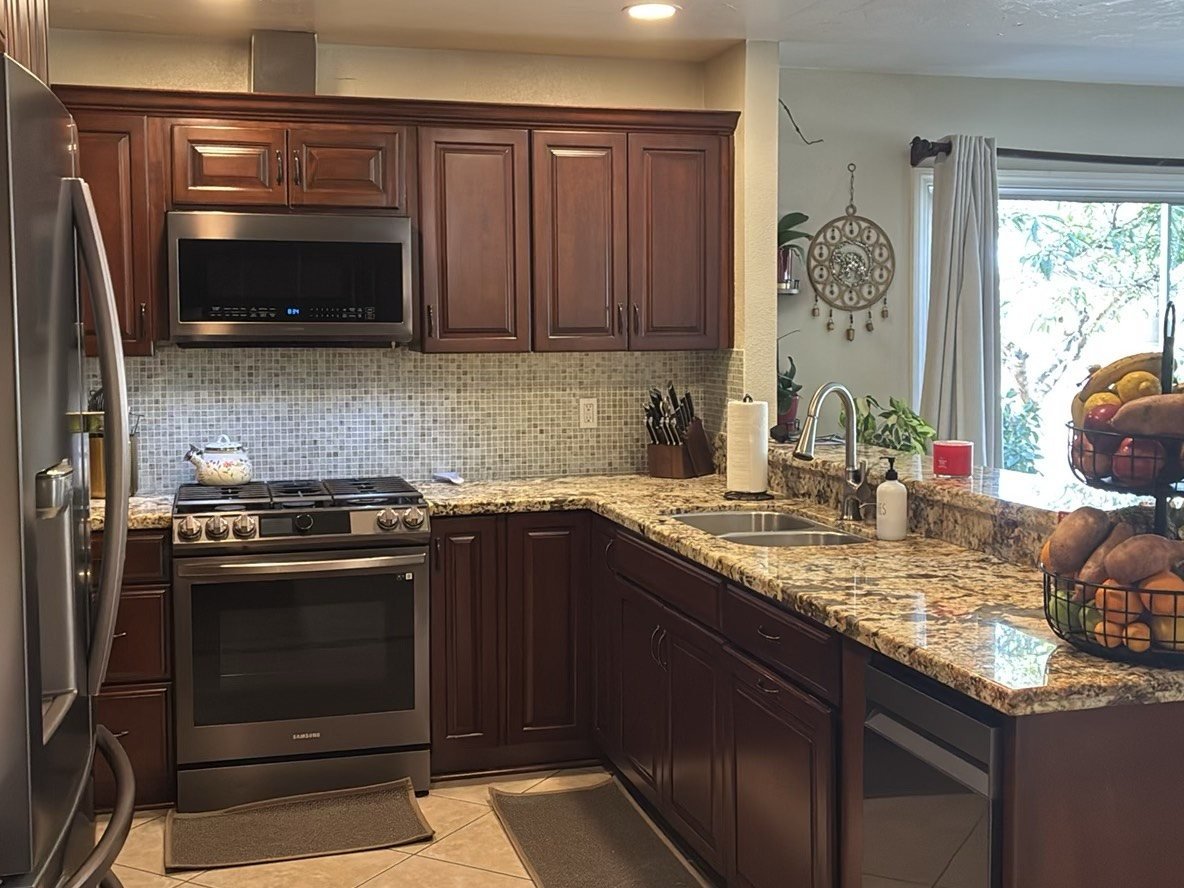
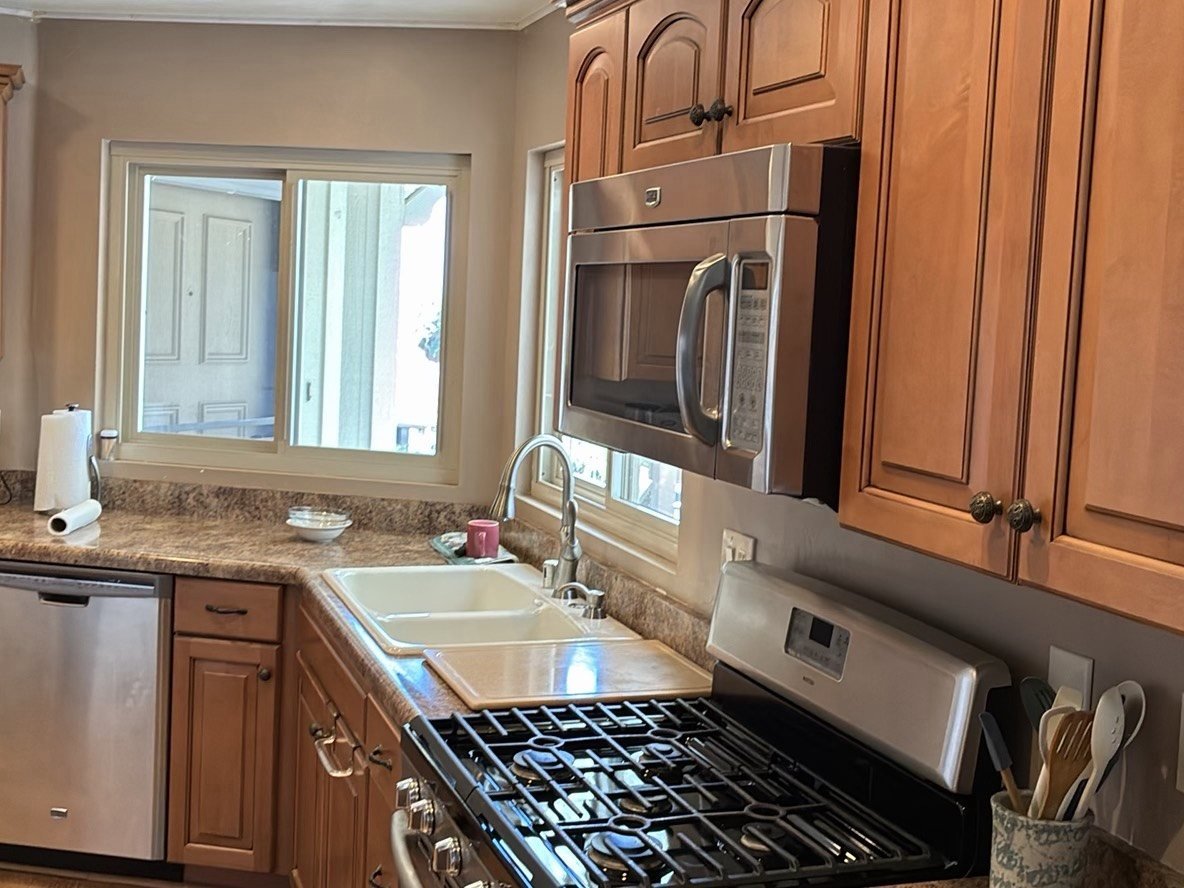
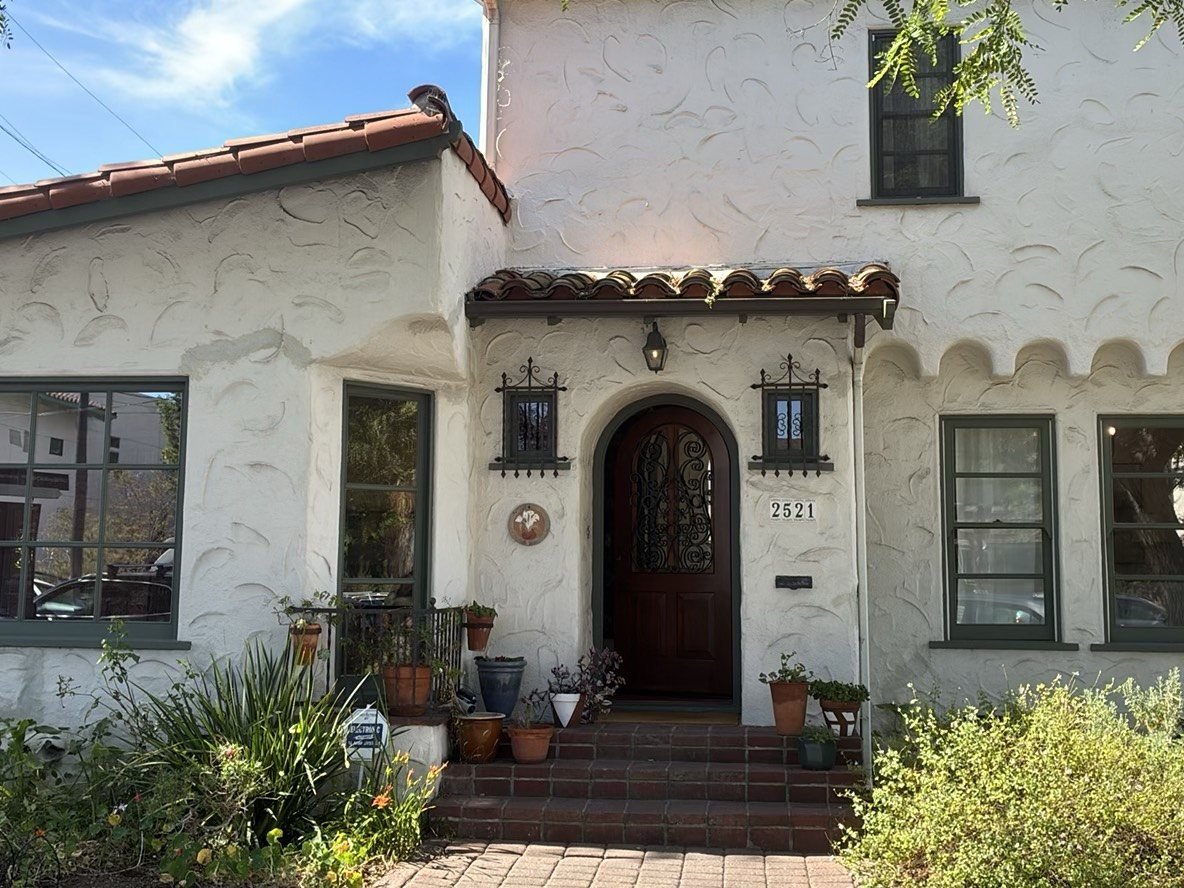
Pre-listing inspection photos from across San Diego County.
More inspections in Point Loma
- Commercial inspection in Point Loma
- Pool and spa inspection in Point Loma
- Sewer scope inspection in Point Loma
- 4-point inspection in Point Loma
- Home inspection in Point Loma
Nearby and countywide
Were You Happy With Your Inspection?
We are proud of our 4.9-star rating across 100+ Google reviews. If Joseph and the team did right by you, a quick Google review helps other San Diego County buyers and sellers find us.