
Sewer Scope Inspection in Point Loma, CA
A Point Loma lateral fights gravity, salt, and time at once. The peninsula tilts from the ridge above Catalina Boulevard down toward the bay on one flank and the cliffs on the other, so the pipe carrying waste out of a Roseville bungalow or a La Playa cottage often runs a long, sloping path to the city main — and the homes over it mostly went in between the 1920s and 1950s. That buried line is usually the oldest component on the property, and on a salt-soaked peninsula with shallow groundwater, it weathers harder than the house above.
The only honest way to judge it is to send a camera down. We run a waterproof, self-leveling video head into the home's main sewer lateral through a cleanout or other opening and drive it toward the public connection, recording the whole pass. What comes back is footage of the pipe's interior — the material, how it has held up, and any root masses, fractures, corrosion, sags, or shifted joints between the house and the street. Our job ends at documentation. Excavation, jetting, and repair are a licensed plumber's trade, and we'll hand you a name — but on a Point Loma deal, see the video first.
Call (619) 752-4399 Schedule an Inspection
What's included in a Point Loma sewer scope?
The inspection is a live camera pass through the home's main sewer lateral, from a reachable opening toward the public main or, on the rare peninsula-edge lot, a septic tank. Working a Point Loma line, here is what we set out to identify and record:
- What the pipe is made of — vitrified clay, cast iron, Orangeburg (a tar-impregnated fiber conduit), or modern ABS/PVC. Material drives how the lateral fails and what fixing it takes, and the peninsula's pre- and post-war blocks carry the whole range.
- Roots in the line — hair-fine feeders and dense root balls pushing in at joints and fractures, the defect we flag most under Point Loma's old pepper trees and parkway canopy.
- Rust and channeling — cast-iron walls scaling, flaking, and wearing a groove along the bottom, the classic decline on a salt-exposed peninsula.
- Low spots and sags — bellies where the pipe dropped into soft or saturated ground and stops draining clean.
- Breaks, offsets, and old patchwork — cracked sections, joints out of alignment, collapsed pipe, and prior spot fixes or liners that show the lateral has a backstory.
We document only what the head can reach and see. If standing water, a blockage, or a collapse halts the camera before the main, we mark the exact spot and why — we won't pretend we watched clear pipe all the way to the street.
Why is the peninsula hard on a buried lateral?
Point Loma piles more stress on a sewer line than most inland neighborhoods see, from several directions at once. Here's where the camera pays for itself:
- Salt working the metal. The peninsula juts into the ocean with water on three sides, and chloride riding the marine air chews on cast iron and metal couplings. Iron laterals here thin and channel sooner than they would a few miles east of the bay.
- A shallow water table. Stretches of Point Loma sit on low, damp ground with groundwater near the surface. That water seeps into any opened joint, corrodes the pipe from outside, and softens the soil so lines settle into bellies.
- Pre- and post-war pipe. Roseville, La Playa, Loma Portal, and the Wooded Area are full of 1920s-through-1950s houses laid in clay or cast iron, with the occasional Orangeburg surprise. An updated interior says nothing about the conduit under the parkway.
- The downhill run. Homes stepping down toward the bay or perched near Sunset Cliffs often sit well above and far from the main, so a single root mass or sag along a long, pitched lateral can trap water you'd never sense from inside. The marine layer also keeps soil moist year-round, sending decades-old tree roots toward the one dependable water source underground — a weeping sewer joint.
Which defects keep turning up on Point Loma lines?
Push enough cameras through peninsula laterals and a familiar cast of problems keeps appearing. Most aren't fatal to a deal on their own — they're items to understand, price with a plumber, and settle before contingencies lapse:
- Roots at clay joints. The most common finding here — feeders and balls working into the bell-and-spigot seams of an old clay lateral beneath mature canopy.
- Scaled, grooved cast iron. Iron lines rusted thin along the invert, rough scale snagging paper and grease, hurried by salt air and damp soil.
- Bellies in soft ground. Sagging sections holding water where the pipe settled into Point Loma's low, saturated lots — a repeat pattern on the flatter blocks near the bay.
- Infiltration and offsets. Groundwater pushing in at cracked seams and corroded walls, plus joints shifted out of line by soil creep on the slopes.
- Failing Orangeburg. Ovaled or collapsing fiber conduit on the mid-century lots that still run it — a serious finding no matter how it drains today.
How do we run the camera and what do you receive?
We sort the basics ahead of time — whether there's a usable cleanout, the home's age, and where the run heads — and coordinate with the agent or owner so the access point is open before we arrive. On site, we feed the self-leveling head down the lateral toward the main and read the line on the monitor, naming material, defects, and distances aloud. A short run near Loma Portal goes fast; a long lateral dropping off the ridge takes patience.
You're welcome to stand at the monitor with us and we'd rather you did — watching roots throttle a joint or the camera dip under water in a belly lands the finding in a way a written sentence can't, and it helps you separate a clear-and-watch line from a dig-and-replace one.
You walk away with the recorded video plus a written rundown of the meaningful findings — material, location, and severity — in a photo-documented HomeGauge report. Where we can gauge how far down the line a defect lies, we log the distance so a plumber knows where to dig before quoting. Findings land same day or next day, so a Point Loma contingency never waits on us. We report condition and never bid or perform the fix, so nothing in the report pulls two ways. Jetting, spot repairs, and replacement are plumbing work — when the footage calls for it, we point you to a licensed plumber rather than reach past our lane.
Why do Point Loma buyers bring in Joseph Romeo?
Reading a lateral well takes knowing what's on the screen and knowing what the repair actually involves — and on a corroding peninsula line, that second part is where buyers get burned. Your scope is led by Joseph Romeo, an InterNACHI Certified Professional Inspector (CPI) who also carries a California CSLB General Contractor license (#1113143). That builder's background lets him tell a cast-iron line with cosmetic scale and years left from one grooved thin enough to need replacing.
- 20-plus years and over 10,000 inspections across San Diego County's coastal and hillside neighborhoods, Point Loma included.
- 4.9 stars from 106 Google reviews left by buyers, sellers, and the agents who send us repeat work.
- Plain answers on what's a clear-and-monitor line versus a genuine replacement, with footage to back every call — no fear-selling on a pipe you can't see yourself.
- Real fluency with Point Loma stock, from the 1920s bungalows of Roseville and La Playa to Loma Portal and the salt-stressed conditions aging every system early.
For anything past a camera inspection — jetting, a spot repair, a lateral dig, or septic service on a peninsula-edge lot — we refer the right licensed plumber.
Which other Point Loma inspections are worth pairing in?
A sewer scope is usually one slice of a fuller look at a Point Loma property, especially an older one near the water. Peninsula buyers often combine it with one or more of these, often in the same visit:
- Full home inspection — the core read on roof, structure, electrical, plumbing, and HVAC, the visit the scope rides along with.
- Thermal/infrared imaging — finds hidden moisture in walls and under floors, which earns its place on a damp peninsula where slow leaks hide.
- Roof inspection — the salt-beaten flashing and coverings that fail early this close to open water.
- Pool & spa inspection — worth lining up when a pool sits over or near the sewer run.
- Specialist coordination — for the line repair, jetting, or a structural or termite/WDO report, we refer the right licensed professional rather than stretch past scope.
The pairing we suggest most is the sewer scope alongside a full home inspection — one coordinated read on the property in a single trip. We recommend what fits your purchase, not a bundle.
Point Loma Sewer Scope Inspection FAQs
Why does a sewer scope matter so much on Point Loma homes?
Does the salt air really reach a buried sewer line here?
Do you need a cleanout to scope the line?
If you find a problem, will you clear or repair the pipe?
Why does the slope of the peninsula matter for the sewer line?
Can you scope the line and inspect the house in one visit?
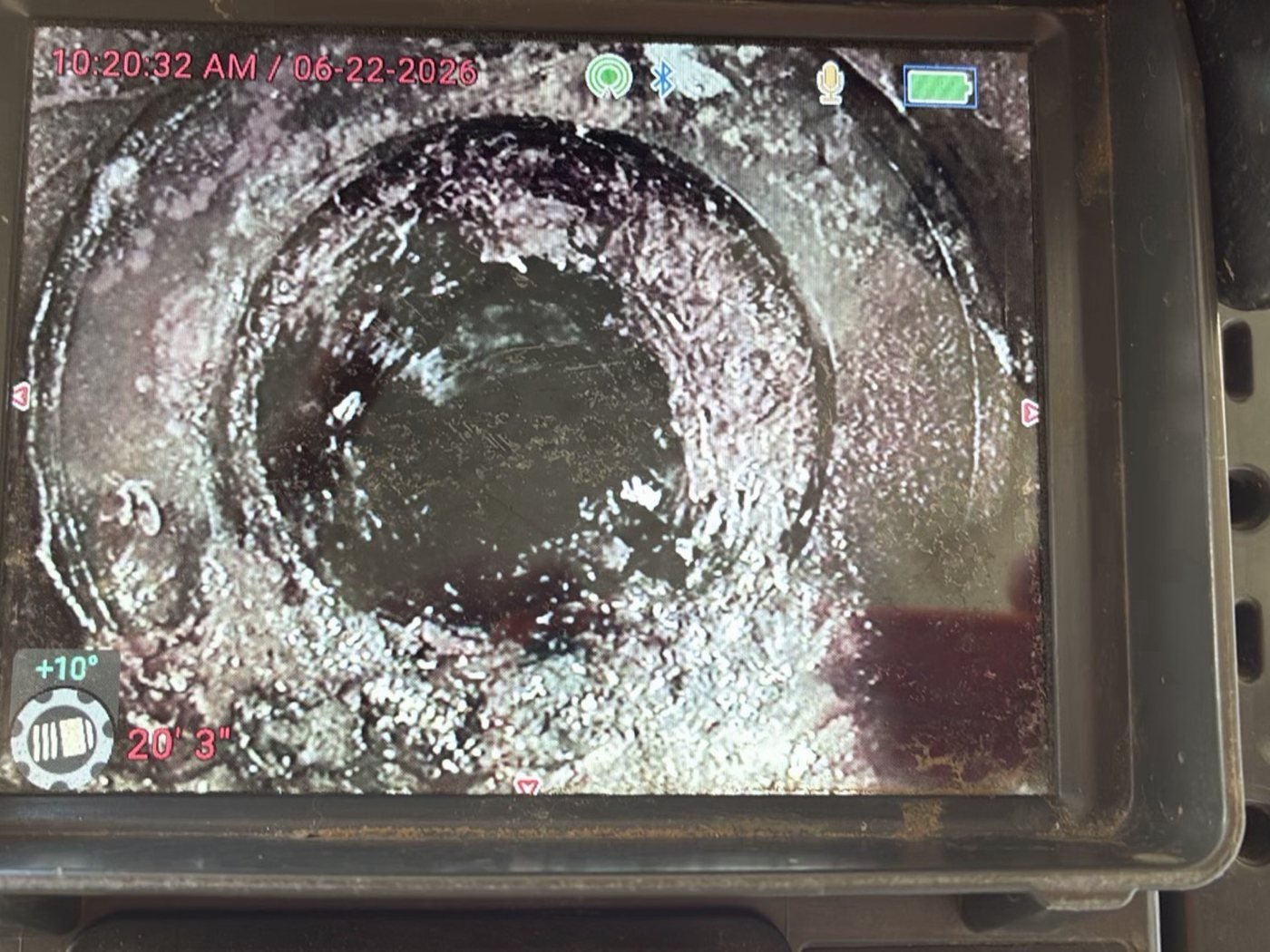
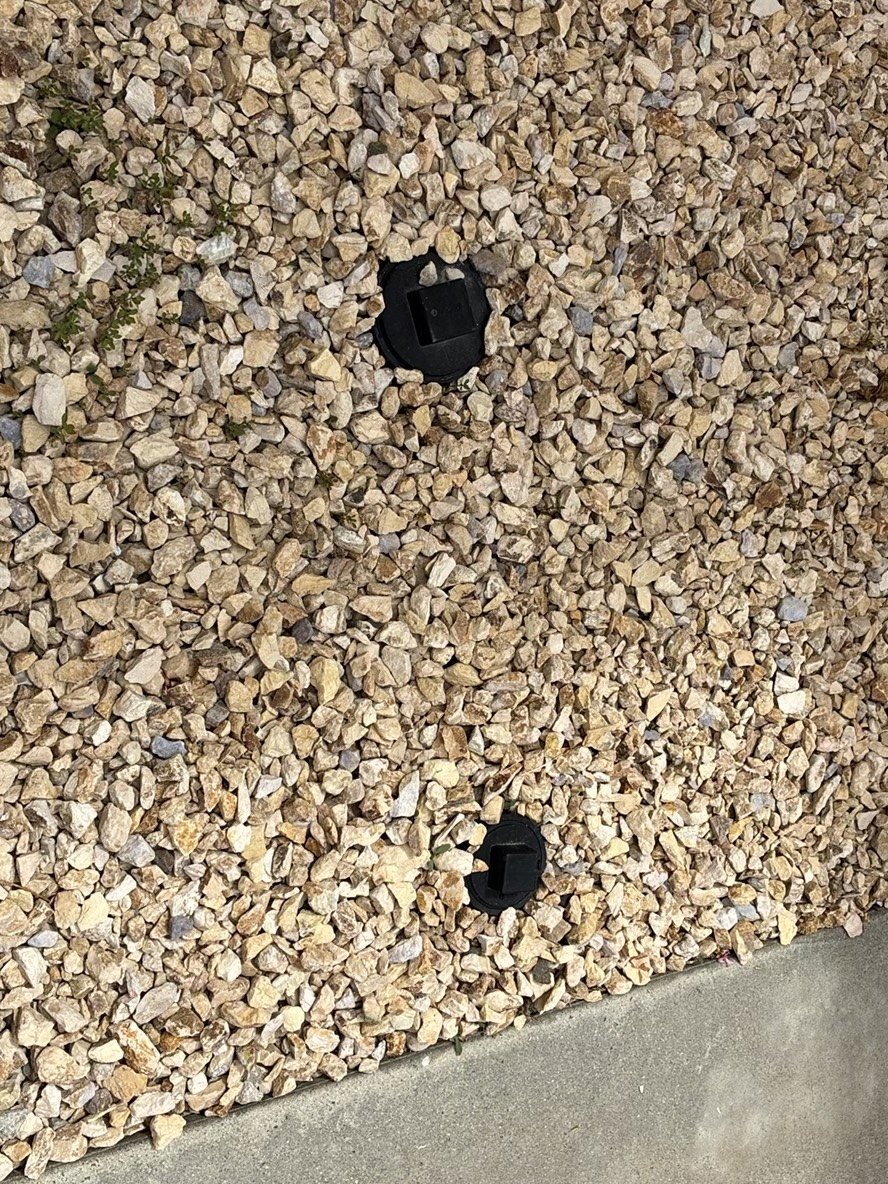
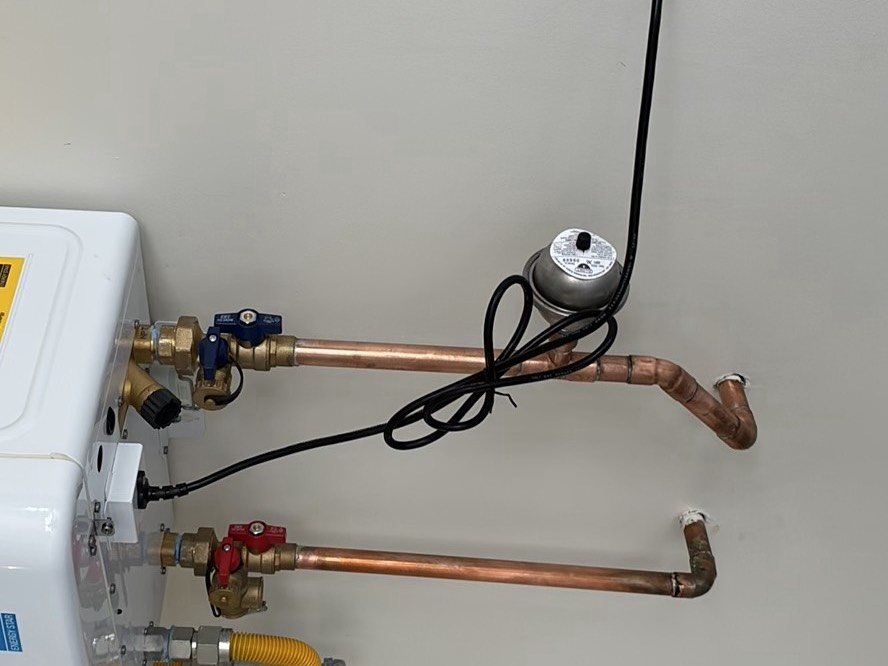
What the camera sees
Sewer scope documentation from recent San Diego County inspections.
More inspections in Point Loma
- SB 721 exemption letter in Point Loma
- Seller inspection in Point Loma
- Warranty inspection in Point Loma
- Commercial roof cleaning in Point Loma
- Home inspection in Point Loma
Nearby and countywide
Were You Happy With Your Inspection?
We are proud of our 4.9-star rating across 100+ Google reviews. If Joseph and the team did right by you, a quick Google review helps other San Diego County buyers and sellers find us.