
SB-326 Balcony Inspection in Point Loma, CA
Point Loma associations carry a peninsula-specific version of a duty that now lands on every condo board in California. Under SB-326 — the balcony provision written into the Davis-Stirling Act — a licensed professional has to look over a common-interest development's exterior elevated elements once every nine years and report their condition to the board. That clock first came due on January 1, 2025, which puts most of the peninsula's HOAs either just past their opening cycle or running late on it. The covered elements are the wood-framed, load-bearing balconies, decks, landings, exterior stairs, and elevated walkways carrying residents more than six feet off the ground, together with the waterproofing that is supposed to keep that framing dry.
Think of SB-326 as the HOA-side mirror of SB-721, which puts the identical inspection on apartment owners — same elements, different party holding the obligation. Here the inspector reports to your board, and what we document drops straight into the association's reserve study and capital plan. We pull a statistically significant random sample of the elements, photograph and grade each one, and turn over a report the board can file, fund against, and stand behind in a meeting. Our role ends at the findings; the corrective work belongs to a licensed contractor.
Call (619) 752-4399 Schedule an Inspection
What does an SB-326 EEE inspection cover on a Point Loma building?
The statute is aimed at a narrow target: Exterior Elevated Elements (EEE) — the wood-framed assemblies that suspend residents over open air, plus the moisture barrier protecting that wood. On a peninsula association, whether it's a 1950s garden-court conversion up off Rosecrans, a hillside view condo dropping toward the harbor, or a newer build near Liberty Station, we take each sampled element and record:
- Load-bearing wood — joists, ledgers, beams, posts, and rim boards, read for rot, connector fatigue, checking, and any sag in the load path.
- The waterproofing layer — deck coating or membrane, flashing, sealant lines, and the wall tie-in where the balcony meets the envelope, which on this peninsula is the first thing to let go.
- Guardrails and how they anchor — the way rails and the element itself fasten back into the structure, and whether salt has chewed those fasteners loose.
- Shedding and drying — whether the assembly drains and can dry out between damp coastal mornings, since moisture that never leaves is what hollows framing behind a sound surface.
SB-326 sets the sample at a statistically significant random selection — a count large enough to project the condition of every element across the property with defensible confidence. The inspection is visual, with probing and sounding wherever surface clues suggest trouble underneath. Every sampled element gets a verdict on safe continued use, written so your reserve analyst and board can move on it without translation.
Why is the Point Loma peninsula hard on elevated elements?
The geography that makes Point Loma desirable also works steadily against any balcony bolted to a building here. The peninsula juts into the channel with ocean on one flank and bay on the other, and the local conditions stack the risk in a handful of predictable ways across association stock:
- Heavy salt loading. With surf on the seaward side and harbor water on the bay side, peninsula air carries a stiff chloride dose that pits and consumes joist hangers, ledger bolts, post bases, and rail anchors — the hardware can be eaten through behind stucco that still looks intact.
- Pre-war to mid-century framing. Much of Point Loma went up between the 1920s and 1950s, framed and later converted to condos long before modern flashing details existed; deck coatings here have often been laid over old failures instead of corrected.
- Slope and grade. Hillside lots running down toward the harbor lean on cantilevered balconies and stepped walkways where any framing loss carries more weight and where access for upkeep has always been awkward.
- High water table near the flats. Lower-lying pockets toward the bay hold groundwater close to the surface, keeping the base of stairs, landings, and post footings damp and slow to dry.
- Wind-driven marine damp. The peninsula catches onshore flow that pushes moisture into shaded, north-facing decks and breezeways, so the wood stays wet long after the sun is up.
Which conditions do we routinely turn up on peninsula EEE samples?
Inspect enough Point Loma decks, stairs, and view-side balconies and a recurring set of failures shows up. SB-326 has us log each one as observed; anything threatening the structure or a resident gets flagged on its own for the board:
- Connectors eaten by salt. Hangers, lag bolts, and post bases corroded past their rated capacity — the signature peninsula finding, and usually invisible from the walkway.
- Ledgers gone soft. The wall attachment that carries a balcony's weight, rotted where a breached coating and onshore damp kept the wood saturated.
- Coatings and flashing past their life. Cracked, blistered, or sloppily terminated waterproofing steering water back into framing — routine on decks recoated over older damage.
- Punky wood under a good-looking surface. Joists and rim boards turned spongy beneath a coating that reads fine until it's sounded and probed.
- Rails worked loose. Balcony and shared-walkway guards whose anchors have corroded free, a direct hazard in a multi-unit peninsula building.
- Footings and landings sitting wet. Stairs and post bases near the bay flats held damp by the high water table and poor drainage, year in and year out.
How does the inspection run and what does your board get back?
We open with the association's records — the building map, a tally of the elevated elements by type, and any earlier EEE or repair history — then size and draw the random sample SB-326 prescribes. Access gets arranged with the board or management company, which on a gated hillside community or a Liberty Station project takes some coordination. On site, Joseph Romeo takes each sampled balcony, deck, stair, and walkway one at a time: reading the wall tie-in and framing, sounding and probing coatings where damp or soft spots point to concealed rot, and judging guards, drainage, and the waterproofing. Where the surface hints at hidden damage, we open the question rather than assume a tidy coating means sound wood beneath — on this peninsula that assumption rarely holds.
What you receive is an SB-326 report built to the statute's content list: the elements inspected, the condition of each, supporting photos, the remaining useful life your reserve study needs, and any element posing an immediate safety threat. It's framed so the board can file it, work it into reserve planning, and defend it, delivered through HomeGauge same day or next day. We hold a copy toward the nine-year record the association is expected to keep.
One boundary stays fixed: we inspect and report observed condition — we don't design or carry out repairs, and we don't issue structural or engineering certifications on a building we inspect. When we flag a rotted ledger or a failed membrane, the repair design and the work itself route to a licensed contractor, and we point your board toward the right one. We also don't run termite/WDO work; where wood-destroying organisms enter the picture, we coordinate a licensed specialist. That keeps the report clean of any repair we'd stand to profit from.
Why do Point Loma boards bring in Joseph Romeo?
SB-326 narrows who is allowed to perform the inspection, and a report is only as reliable as the person reading the structure behind it. Yours is led by Joseph Romeo, an InterNACHI Certified Professional Inspector (CPI) who also carries a California CSLB General Contractor license (#1113143). That builder's background is exactly what an EEE assessment wants — he reads framing, connections, and waterproofing the way someone who has assembled them does, and can tell a cosmetic coating crack from a ledger close to letting go behind salt-streaked stucco.
- 20+ years and more than 10,000 inspections across San Diego County's coastal, peninsula, and hillside properties.
- 4.9 stars across 106 Google reviews from owners, boards, managers, and agents.
- Reports structured to meet SB-326's content requirements, so your filing and reserve-study tie-in hold up.
- Real familiarity with Point Loma's mix — mid-century Rosecrans conversions, harbor-view hillside condos, and Liberty Station builds.
For the record: we're InterNACHI CPI and CSLB-licensed, not ASHI or CREIA members, and we don't post flat prices, because the fee turns on the community's size and how many elements the random sample reaches. Findings come back fast and in plain language, so your board, reserve analyst, and contractor can all act without a middleman.
Which related inspections suit Point Loma associations?
An SB-326 inspection clears one specific obligation on your elevated elements, but a peninsula association usually has a longer list. Depending on the property, Point Loma boards often pair or follow it with:
- SB-721 balcony inspection — the parallel EEE law for apartment and rental buildings; if part of your holdings is rental rather than a common-interest development, that statute governs there.
- Thermal/infrared imaging — finds hidden moisture inside walls and deck assemblies without opening them, a genuine edge in this onshore-damp belt.
- Roof inspection — the salt-worn coverings and flashing overhead, often aging on the same nine-year clock as the balconies under them.
- Building and systems walkthrough — a broader read on accessible common-area structures and mechanicals when the board is lining up capital work.
- Specialist coordination — for repair design, a deck re-coat, or a termite/WDO report, we refer the right licensed contractor, engineer, or pest specialist instead of reaching past our scope.
If your association runs several Point Loma buildings, we can book the SB-326 inspections together and keep the reporting uniform, so the nine-year cycle stays in one tidy record across the whole community.
Point Loma SB-326 Balcony Inspection FAQs
Which Point Loma buildings fall under SB-326?
When was the SB-326 deadline, and how often does it repeat?
Why is the Point Loma peninsula so tough on balconies?
Do you inspect every balcony in our Point Loma community?
How does the report feed our reserve study?
Will you repair the elements you flag for our board?
HOA properties we inspect
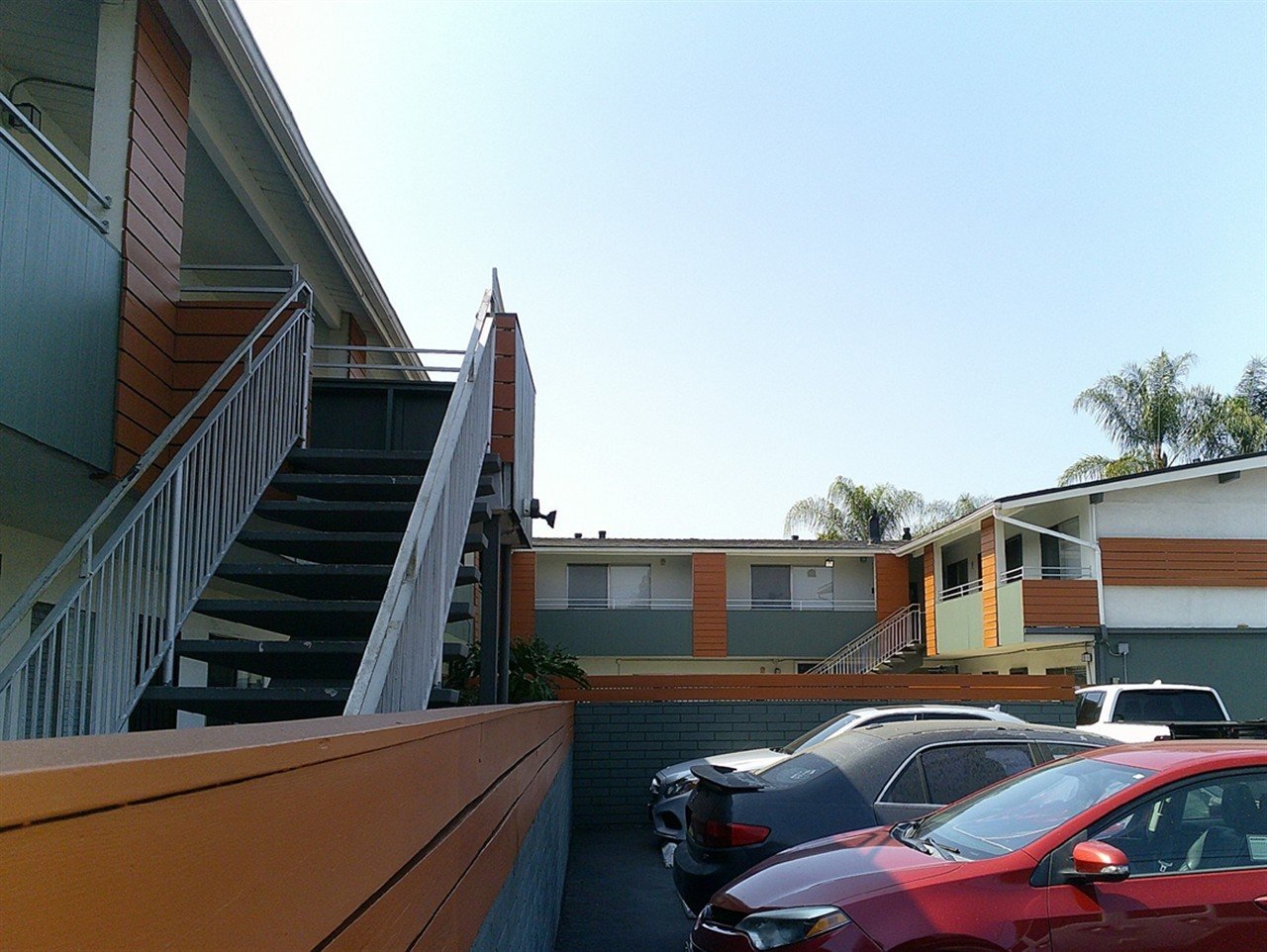
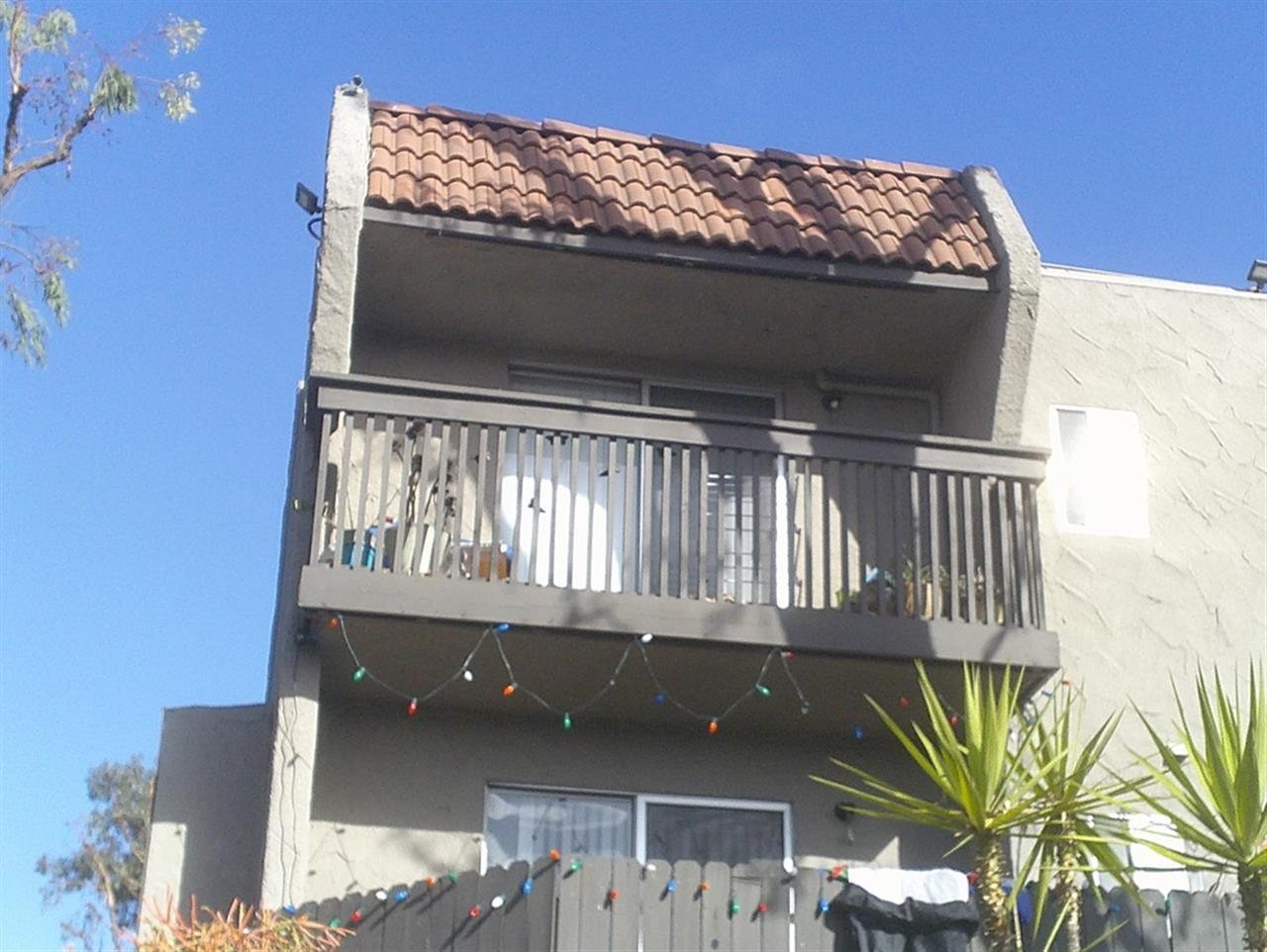
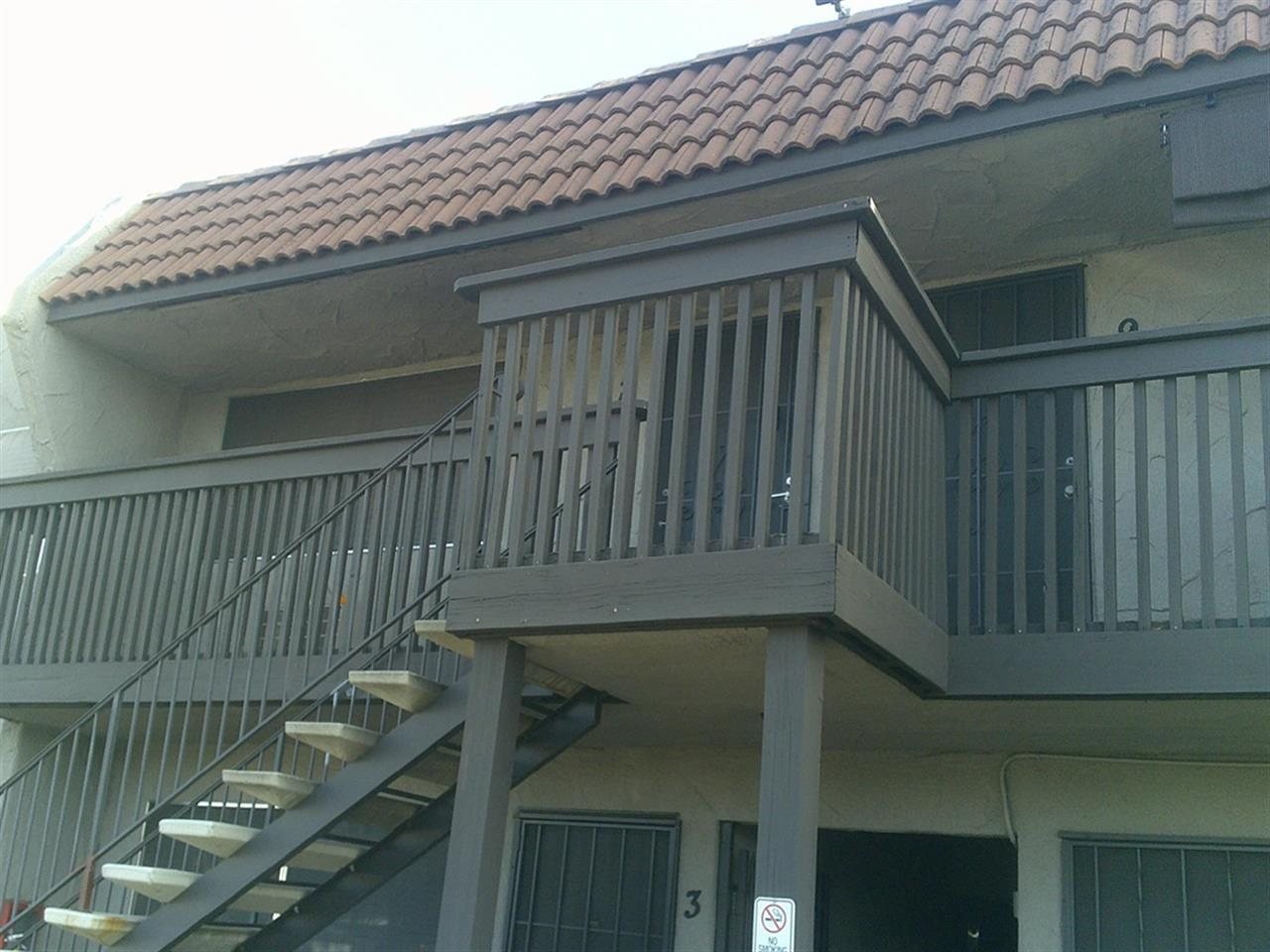
Condominium properties documented for SB 326 balcony compliance across San Diego County.
More inspections in Point Loma
- Pool and spa inspection in Point Loma
- Sewer scope inspection in Point Loma
- 4-point inspection in Point Loma
- Roof inspection in Point Loma
- Home inspection in Point Loma
Nearby and countywide
Were You Happy With Your Inspection?
We are proud of our 4.9-star rating across 100+ Google reviews. If Joseph and the team did right by you, a quick Google review helps other San Diego County buyers and sellers find us.