
Thermal Imaging Inspection in Point Loma, CA
Point Loma is a peninsula with the ocean on one flank and the bay on the other, and the salt-loaded air funneling across it never really lets a wall dry out. An infrared camera doesn't look through plaster — it reads the heat a surface radiates — and on a hillside that holds damp the way this one does, those small temperature differences are usually the first tell of trouble. A blistered window seal above Sunset Cliffs reads cool where the framing behind it has gone wet. A breaker in a 1940s Loma Portal panel reads warm where a corroded lug is starting to cook. The scan turns those invisible shifts into an image you can act on before the damage spreads.
We fold the infrared work into the standard inspection rather than charge you a second trip. As we move through the house we glide the camera over ceilings, exterior walls, the edges of every window and slider, the panel, and the supply registers, hunting the thermal anomalies a trained eye and a good flashlight still walk past. Point Loma's stock covers a lot of ground — 1920s Spanish cottages, postwar tract homes climbing toward the lighthouse, mid-century builds in La Playa, newer condos near Liberty Station — and each vintage gives up its problems differently. The honest caveat: infrared is neither an x-ray nor a promise. It points to anomalies worth a second look; it can't see inside a sealed pipe or vouch that a home is defect-free. We confirm what we can with a moisture meter and refer a licensed specialist when a finding needs invasive proof.
Call (619) 752-4399 Schedule an Inspection
What does the infrared scan cover on a Point Loma home?
The sweep is non-invasive — we open nothing and drill nothing. The camera registers surface temperature, and from the patterns it draws we read what's most likely happening behind the finish. On a peninsula property we cover and document:
- Concealed moisture and live intrusion. Cool, evaporative shapes across ceilings, walls, and around openings that betray water tracking behind the surface — the payoff finding where ocean and bay air keep humidity high most of the year.
- Window, slider, and flashing leak paths. The sills, jambs, and head flashings where salt-pitted metal and weathered seals admit wind-driven weather on the cliff-facing and bay-facing elevations.
- Absent, damp, or settled insulation. Cold bands and thermal bridging on ceilings and outside walls, routine in the older Roseville and Loma Portal homes where the envelope was built thin.
- Electrical hot spots. Breakers, lugs, and connections running abnormally warm at the panel — a fire-risk signature the eye never registers, and one the peninsula's corrosive air speeds along.
- HVAC delivery faults. Registers pushing the wrong temperature, ducts left uninsulated or pulled loose, and rooms that never settle in a multi-level hillside layout.
- Slab and supply-line clues. Warm or cool tracks crossing slab floors on the flatter inland lots, where a hot-water line under expansive-soil stress can leave a thermal trail before anyone hears a drip.
Where something limits the read — a dry spell that won't expose a dormant leak, a sun-baked west wall, furniture against the drywall — we name it plainly instead of pretending the camera saw every square foot.
Why do the peninsula's salt air and slopes reward a scan?
Few settings in the county work a building as hard as a Point Loma lot. With surf on one side and harbor on the other, the conditions infrared is built to expose run on these homes nearly without a break:
- Severe salt exposure opens the leak paths first. The peninsula catches some of the saltiest air in the region. It pits window frames, eats fasteners and flashing, and corrodes fittings, prying open the gaps water slips through — and the camera reads the damp beneath them before a stain surfaces.
- Marine humidity keeps assemblies from drying. The air off the water rarely lets a wall shed its moisture, so a slow leak that would evaporate in El Cajon lingers here long enough to rot framing and feed mold.
- A high water table presses up from below. Much of the lower peninsula sits over shallow groundwater, and that constant moisture wicks into crawlspaces and slab-edge walls. The camera maps the cool, damp footprint along their base.
- Slopes drive water at the foundation. The grade running down toward the cliffs and the bay channels runoff against retaining walls and lower-level rooms, and the scan shows where that water has worked its way inside.
- Aging panels in corrosive air run hot. The 1920s-through-1950s homes across Roseville, Loma Portal, and Point Loma Heights often carry panels never sized for today's loads, with connections loosened by salt corrosion. A warm breaker the eye misses is exactly what the camera surfaces.
Which thermal patterns do we keep finding in Point Loma?
Scan enough peninsula homes — the cliff-top builds along Sunset Cliffs, the bungalows of Roseville, the bay-edge places in La Playa — and the same heat signatures keep coming back. Most aren't deal-killers; each is an anomaly we flag for a closer look, often confirmed on the spot with a moisture meter:
- Damp signatures at windows and sliders. The most common infrared find on the peninsula, where salt-corroded frames and tired flashing let ocean or bay weather slip past the seal.
- Cool patches on ceilings under roof penetrations. Around skylights, vents, and valleys where a slow roof leak has wet the drywall but hasn't bled through as a stain yet.
- Missing or slumped insulation. Cold streaks across ceilings and exterior walls in the older homes, marking holes in the thermal envelope a flat winter electric bill can't explain.
- Warm electrical connections. Hot breakers and lugs in aging, corrosion-stressed panels, flagged for a licensed electrician to evaluate before they fail.
- Ground-moisture footprints low on walls. Cool, rising-damp patterns at the base of slab-edge and crawlspace walls where the high water table and hillside runoff push moisture up from below.
- HVAC delivery problems. Registers blowing too warm or cold and uninsulated ducts that leave the upstairs of a sloped home uncomfortable while the system runs hard.
When the camera catches something live, we log its exact spot and the moisture-meter number where we could take one, so the specialist who follows starts where the problem actually sits.
How do we run the scan and what lands in your report?
The infrared sweep happens inside the standard inspection — one appointment, not two. As we work room to room we pass the camera over ceilings, exterior walls, the perimeter of every window and slider, the panel, and the supply registers, timing each read for when it actually means something. The camera needs a temperature gap between inside and out, plus reasonably dry surfaces, to give usable contrast, and on a foggy peninsula morning we account for that rather than over-read a wall the marine layer left damp.
A thermal image by itself isn't proof, so we corroborate it. When the camera shows a moisture-shaped anomaly, we confirm it with a moisture meter on reachable surfaces before it enters the report — a cold streak can come from a draft or a shaded wall as easily as from water. You're welcome to follow the live image; watching the cool band spread under your own window tends to make the finding click.
What you receive is a photo-documented HomeGauge report pairing the thermal images with plain notes on where each anomaly sits, what it most likely means, and the next move — monitor, repair, or refer — delivered same day or next day so a tight Point Loma contingency never stalls on us. The line we hold: infrared reveals anomalies, it doesn't certify their cause. We don't pressure-test plumbing, open walls, or issue leak or mold certifications. When a scan points to moisture that needs invasive verification, we refer the right licensed specialist and hand over our images so nothing gets re-investigated from zero.
Why do Point Loma buyers want Joseph Romeo reading the camera?
An infrared camera is only as sharp as the inspector interpreting it — the same warm patch can be a genuine defect or a wall holding the afternoon sun, and on a salt-worn peninsula home telling the two apart takes someone who knows how these buildings go together. Your scan is led by Joseph Romeo, an InterNACHI Certified Professional Inspector (CPI) who also carries a California CSLB General Contractor license (#1113143). That builder's eye matters the moment the camera lights up — he can tell you whether a cool streak under a Roseville window points to a failed seal or wet framing behind the plaster, so you walk into negotiation knowing what you're dealing with.
- 20+ years and more than 10,000 inspections across San Diego County's coastal, hillside, and older-tract neighborhoods.
- 4.9 stars across 106 Google reviews from buyers, sellers, and the agents who keep sending us back.
- Every moisture flag confirmed with a meter where it counts, so you leave with a finding that has a next step — not just a dramatic picture.
- Straight talk — we tell you what we'd want to know buying the home ourselves, and we don't blow a harmless cold spot into a crisis.
For anything past the scan — a plumber's leak test, a roofer's look at a confirmed wet ceiling, an electrician's repair on a hot panel — we refer the right licensed professional so each piece comes from the correct trade alongside our findings.
Which inspections are worth pairing with your Point Loma scan?
Thermal imaging is an add-on that sharpens a wider look at the property, not a service that stands alone. Depending on the home's age and where it sits on the peninsula, Point Loma buyers often combine it with:
- Full home inspection — the core review of roof, structure, electrical, plumbing, and HVAC the infrared scan rides along with, and the visit it runs inside.
- Roof inspection — when the camera flags a damp ceiling, a closer look at the covering and salt-worn flashing above shows where the water is getting in.
- Sewer scope inspection — the buried lateral on the older Roseville and Loma Portal lots, where decades-old clay and cast-iron lines run out of sight under mature trees.
- Four-point inspection — a focused read on roof, electrical, plumbing, and HVAC that insurers frequently ask for on the peninsula's older homes.
- Specialist coordination — for an active plumbing leak, a mold assessment, or a termite/WDO report, we refer the right licensed professional rather than reach past our scope.
The pairing we recommend most is the infrared scan alongside a full home inspection — one coordinated read in a single visit. We suggest what suits the property rather than push a fixed bundle; what earns its keep on a 1920s cliff-top cottage isn't what a Liberty Station condo needs.
Point Loma Thermal Imaging Inspection FAQs
Does thermal imaging see through the walls of my Point Loma home?
Why does infrared matter so much on the Point Loma peninsula?
Can the scan pick up moisture from Point Loma's high water table?
Is the infrared scan a separate appointment in Point Loma?
What does a thermal imaging inspection in Point Loma cost?
If the scan finds moisture, do you fix it or certify the cause?
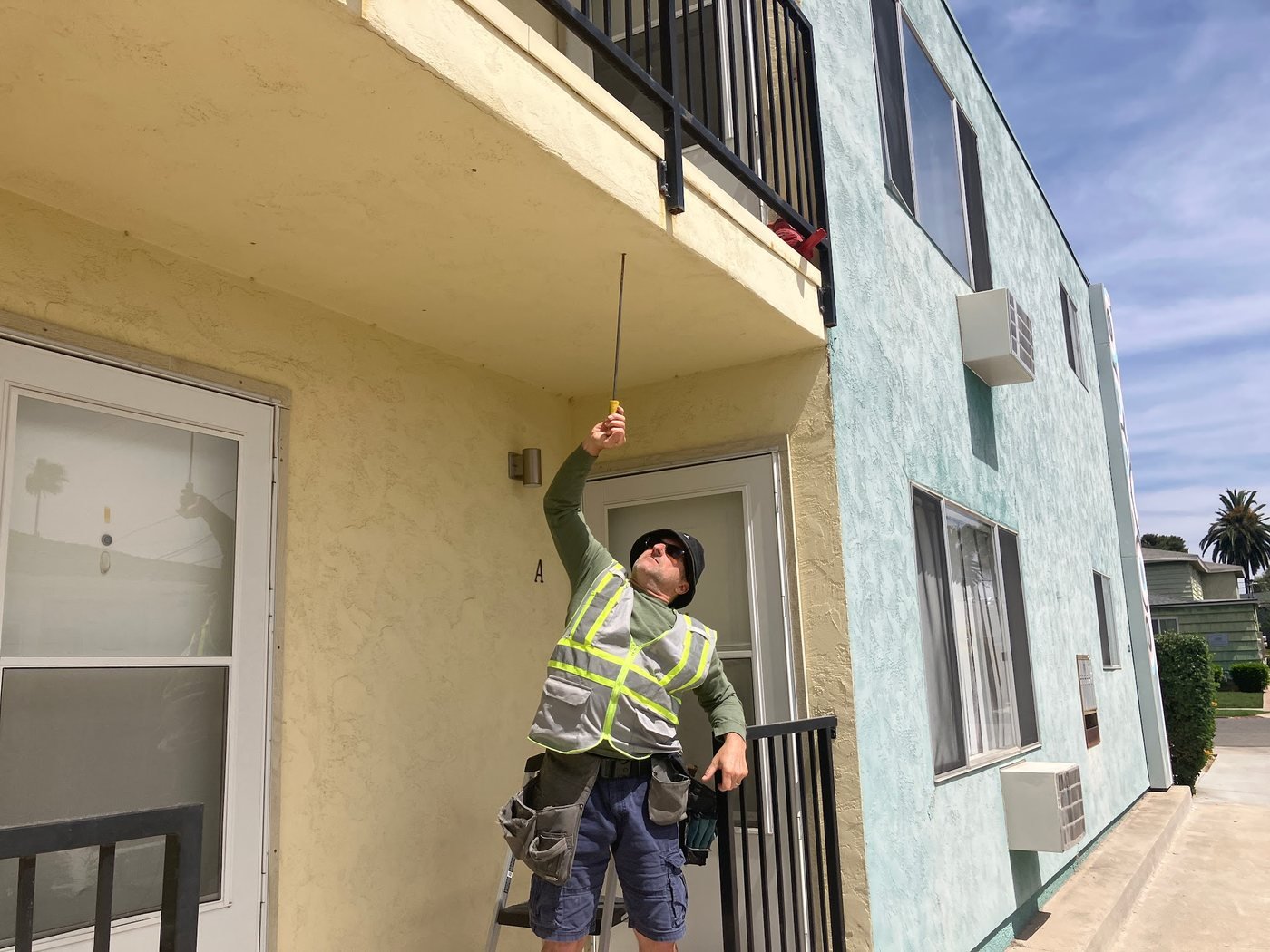
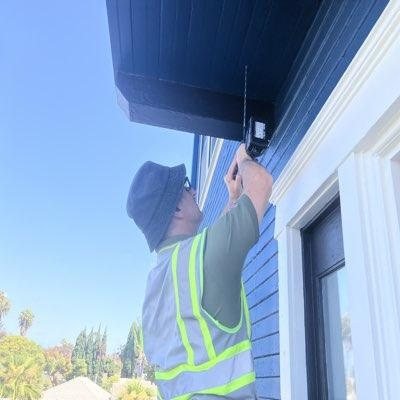
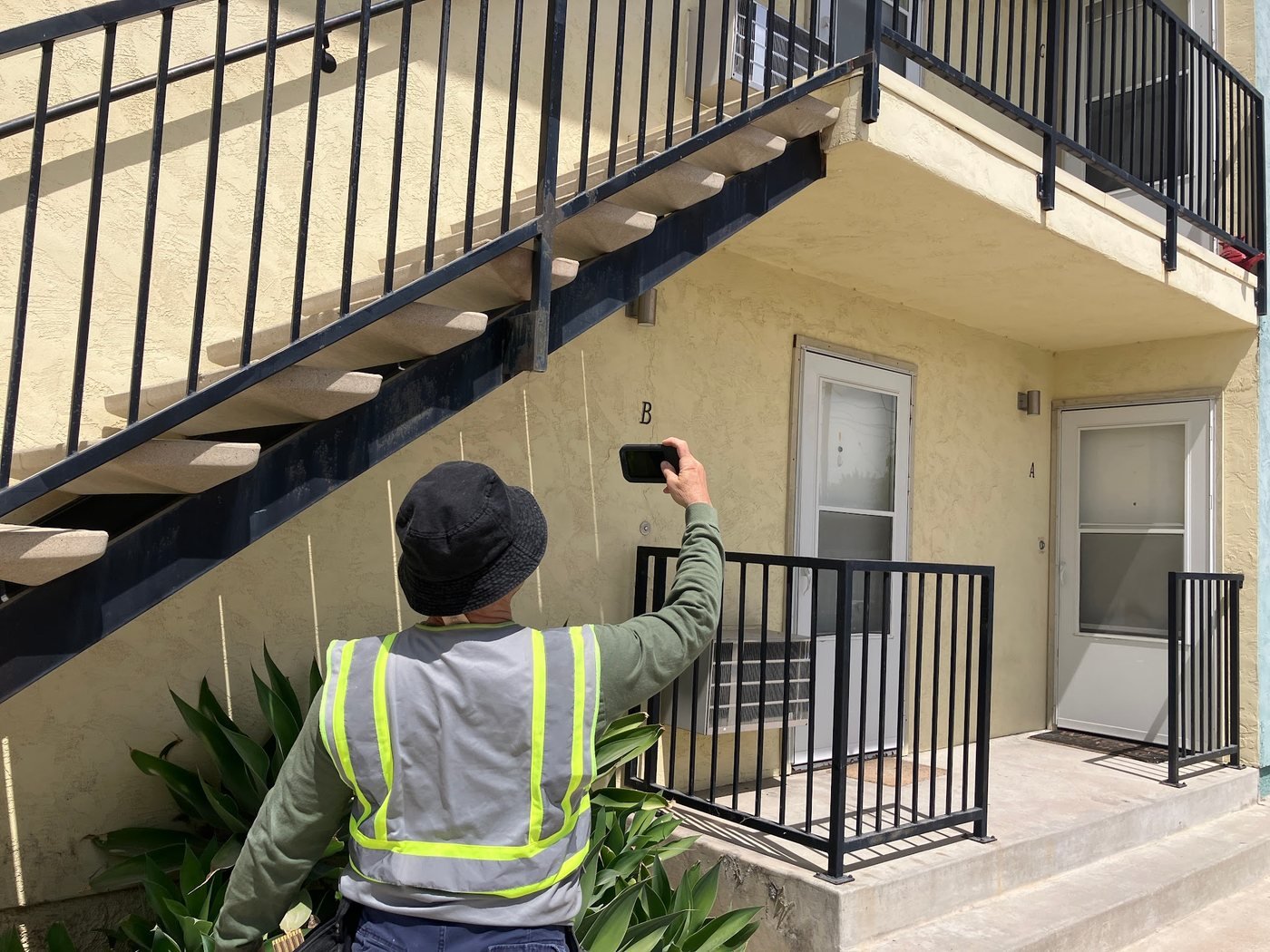
Thermal scanning in action
Our inspectors use FLIR thermal cameras to find moisture and heat issues hidden in walls and soffits.
More inspections in Point Loma
- SB 326 balcony inspection in Point Loma
- SB 721 exemption letter in Point Loma
- Seller inspection in Point Loma
- Warranty inspection in Point Loma
- Home inspection in Point Loma
Nearby and countywide
Were You Happy With Your Inspection?
We are proud of our 4.9-star rating across 100+ Google reviews. If Joseph and the team did right by you, a quick Google review helps other San Diego County buyers and sellers find us.