
SB-721 Exemption Letter in Point Loma, CA
On a peninsula where the salt air is relentless and the lots run up and down slope, a fair number of Point Loma multifamily buildings turn out to sit outside SB-721 once someone actually reads how they're framed. The trouble is that a hunch carries no weight with a lender's underwriter, an insurance carrier, or a buyer working through due diligence — they want the determination written down and signed. An SB-721 exemption letter supplies that: we visit the building, confirm there are no qualifying exterior elevated elements (or that the property answers to SB-326 as a condo or HOA instead), and set out the reasoning so you hold a record the file and the City of San Diego can rely on.
The question shows up in Point Loma flavors you won't see in flatter, drier neighborhoods. A 1930s Roseville four-unit with concrete entry steps cut into the hillside and no projecting wood deck anywhere. A La Playa bayfront project run as a homeowners association. A Sunset Cliffs building where the original ocean-facing wood balconies rotted out in the marine air a decade ago and got rebuilt in steel and composite. Each can fall outside the SB-721 apartment mandate for a different reason. We assess the building and document the basis — we do not waive any legal requirement, and if the property is in fact covered, the letter says so and steers you to the inspection you owe.
Call (619) 752-4399 Schedule an Inspection
What does a Point Loma SB-721 exemption letter establish?
Think of this letter as an applicability ruling on one narrow point, not a condition report on the building. It answers a single question: does SB-721 reach this Point Loma property in the first place? The statute attaches to buildings of three or more dwelling units that carry Exterior Elevated Elements — load-bearing, wood-framed balconies, decks, exterior stairways, landings, and walkways set more than six feet above the ground and depending on weatherproofing to keep water off the wood. To rule on exemption honestly, the site walk records:
- Dwelling-unit count and ownership form. Whether the building clears the three-unit floor, and whether it operates as a rental/apartment property or as a common-interest development that belongs under SB-326.
- Whether any elevated element is even present. Or whether the peninsula lot left the building with only grade-level patios, ground-floor entries, and stairs cut into the slope — nothing six feet up.
- Framing material and load path. Whether an elevated element is the wood-framed, load-bearing kind the law names, rather than a steel balcony, a poured-concrete landing, or a masonry stair.
- Reliance on waterproofing. Whether the element leans on a weatherproofing layer over wood — the second half of the definition that has to be met before SB-721 applies.
When every element comes up short — or there are none — the property sits outside SB-721 and the letter documents that with the evidence behind it. When even one element clears the bar, the truthful finding is covered, and an exemption letter is simply the wrong paper to hand you.
Why does the peninsula's housing stock fall on both sides of the line?
Point Loma's geography and age range are exactly why applicability deserves a look rather than an assumption. The peninsula built up in ways that land properties on either side of the SB-721 boundary:
- Pre-war and mid-century construction. Much of Roseville, the flats near Rosecrans, and the older blocks date to the 1920s through 1950s — an era of grade-level porches, concrete stoops, and interior stairways that predate the projecting wood-balcony style the law was written for.
- Slope-cut entries instead of elevated decks. On the hillsides climbing toward the lighthouse and above the bay, builders often stepped concrete and masonry stairs straight into the grade. What looks like a raised entrance is frequently earth-supported, not a wood element projecting more than six feet over open air.
- Salt that already forced the framing to change. Few places in the county chew through exposed wood like the Sunset Cliffs and oceanfront edge. Owners here have spent years swapping decayed wood balconies and stairs for steel, concrete, and non-combustible composite — a switch that can move a building out from under the statute, but only after it's verified on site.
- La Playa and bayfront HOAs. A meaningful share of the higher-end waterfront product is common-interest housing run by an association, which puts it under SB-326 rather than SB-721 — ownership form you can't read from the curb.
- High water table and at-grade living. Lower-lying parcels near the bay sometimes kept living space close to the ground to deal with moisture and drainage, leaving little or nothing elevated for the statute to reach.
That spread is the whole reason the call should be made at the property, not from the parcel record.
What does the Point Loma exemption walk commonly turn up?
Wrong-statute HOAs, wood already replaced in steel, nothing elevated, slope-supported stairs, sub-threshold unit counts, and partial coverage all recur. Assess enough peninsula multifamily buildings for applicability and the same handful of findings keep surfacing. Every one gets photographed and reasoned through so the letter holds up on its own:
- Wrong statute, no exemption to grant. A common outcome near La Playa and the bay — the property is a condominium or HOA development, which makes it an SB-326 matter. We document that rather than issue an SB-721 exemption that would not survive scrutiny.
- Wood already gone to corrosion. A prior owner pulled salt-rotted wood balconies and stairs and rebuilt in steel or concrete, so the wood-framed element the law targets no longer exists on the building.
- Nothing elevated to begin with. Older Roseville and Rosecrans-area buildings with concrete stoops, grade-level patios, and interior stairs — nothing projecting more than six feet above the ground.
- Slope-supported, not air-supported. Hillside stairs and landings that read as raised but are actually cut into and bearing on the earth, which keeps them clear of the definition.
- Below the unit count. A property that presents as multifamily but holds only two units, under the three-unit threshold.
- Mixed result — partially covered. One surviving wood balcony among otherwise non-qualifying elements, in which case the building is covered and we route you to the inspection, not a letter.
We never engineer an exemption that isn't there. If the property qualifies under the law, the assessment says so and hands you a clean path to the SB-721 inspection itself.
How do we work it and what lands in your file?
It starts with a short intake — address, year built, unit count, and whether the building is a rental or a common-interest development — then we set the on-site walk around tenant and shared-area access. At the property, Joseph Romeo works the exterior in order: locating every elevated element, measuring each one's height above grade on the sloping lots where that number is genuinely in question, and reading the framing and load path to settle whether it's the wood-framed, weatherproofing-dependent type SB-721 names or a steel, concrete, or masonry assembly the salt air pushed an owner toward. When a call is close — a deck that may not clear six feet on the downhill side, framing that could be wood beneath a composite skin — he writes down the measurement and the basis instead of guessing at it.
What you receive is a signed applicability assessment and exemption letter: the building identified, the elements observed, supporting photographs, the precise reason the property falls outside SB-721 (no qualifying elements, non-wood construction, slope-supported entries, under the unit threshold, or governed by SB-326 instead), the inspector's credentials, and a plain statement of scope. It's drafted so a lender, an insurer, a buyer, or the City of San Diego can lean on it, and it's delivered through HomeGauge the same day or the next.
One limit is stated in the letter itself: we assess and document — we do not waive a legal requirement. The letter records a professional opinion that the statute doesn't apply; it is not a release from any law and is no substitute for an inspection where one is owed. We also don't perform repairs or issue structural or engineering certifications, and we don't run termite or pest work — where a question crosses into contested legal interpretation, that's counsel's lane and we'll say so.
Why do Point Loma owners hand this call to Joseph Romeo?
An applicability ruling is only as sound as the person reading the structure, because everything turns on framing, material, and load path. Your assessment is led by Joseph Romeo, an InterNACHI Certified Professional Inspector (CPI) who also carries a California CSLB General Contractor license (#1113143). That builder's background is precisely what an exemption letter needs on a salt-beaten peninsula — he can distinguish wood framing from steel, concrete, or composite at a glance, judge whether an element genuinely bears load or is resting on the slope, and document the why the way someone who has built and replaced these assemblies can.
- 20-plus years and more than 10,000 inspections across San Diego County's coastal, hillside, and older housing.
- 4.9 stars from 106 Google reviews left by owners, property managers, and agents who needed a clear, defensible answer.
- Letters written to read cleanly in a lender's file or an insurer's review — address, statutory basis, evidence, signature.
- Genuine familiarity with Point Loma stock, from Roseville pre-war flats to La Playa HOAs and Sunset Cliffs oceanfront rebuilds.
For the record: we are InterNACHI CPI and CSLB-licensed; we are not ASHI or CREIA members, and we don't post flat prices, since scope tracks building size and complexity — check the fee schedule or ask for a quote.
Which related inspections suit Point Loma multifamily owners?
An SB-721 or SB-326 balcony inspection, thermal imaging, a roof inspection, or a full property inspection are the usual next steps. An exemption letter closes out one question — whether SB-721 applies. Depending on what the walk shows, Point Loma owners often line up a different service next:
- SB-721 balcony inspection — when the building does carry qualifying wood-framed elevated elements, this is the inspection the law requires of apartment and rental properties.
- SB-326 balcony inspection — when the property is a La Playa or bayfront condominium or HOA, this is the governing statute, with its own nine-year cycle and reporting to the board.
- Thermal / infrared imaging — reads hidden moisture inside walls and deck assemblies without opening them up, a real edge this close to the marine layer and the high water table.
- Roof inspection — a focused look at salt-weathered coverings and flashing on the peninsula's exposed roofs, often worth doing while we're on site.
- Full property / commercial inspection — a complete read on the building and its systems when you're buying in or stepping into management.
If you hold several buildings around Point Loma, we can run applicability across the whole portfolio in one pass and keep the documentation consistent, so every property has a clear answer on file.
Point Loma SB-721 Exemption Letter FAQs
When does a Point Loma building genuinely qualify for an SB-721 exemption?
Does an exemption letter waive me from the SB-721 law?
Our Sunset Cliffs building replaced its rotted wood balconies. Does that matter?
My property is a La Playa condo run by an HOA. Do I still need this?
Who will accept a Point Loma SB-721 exemption letter?
What does an SB-721 exemption assessment cost in Point Loma?
Properties we evaluate
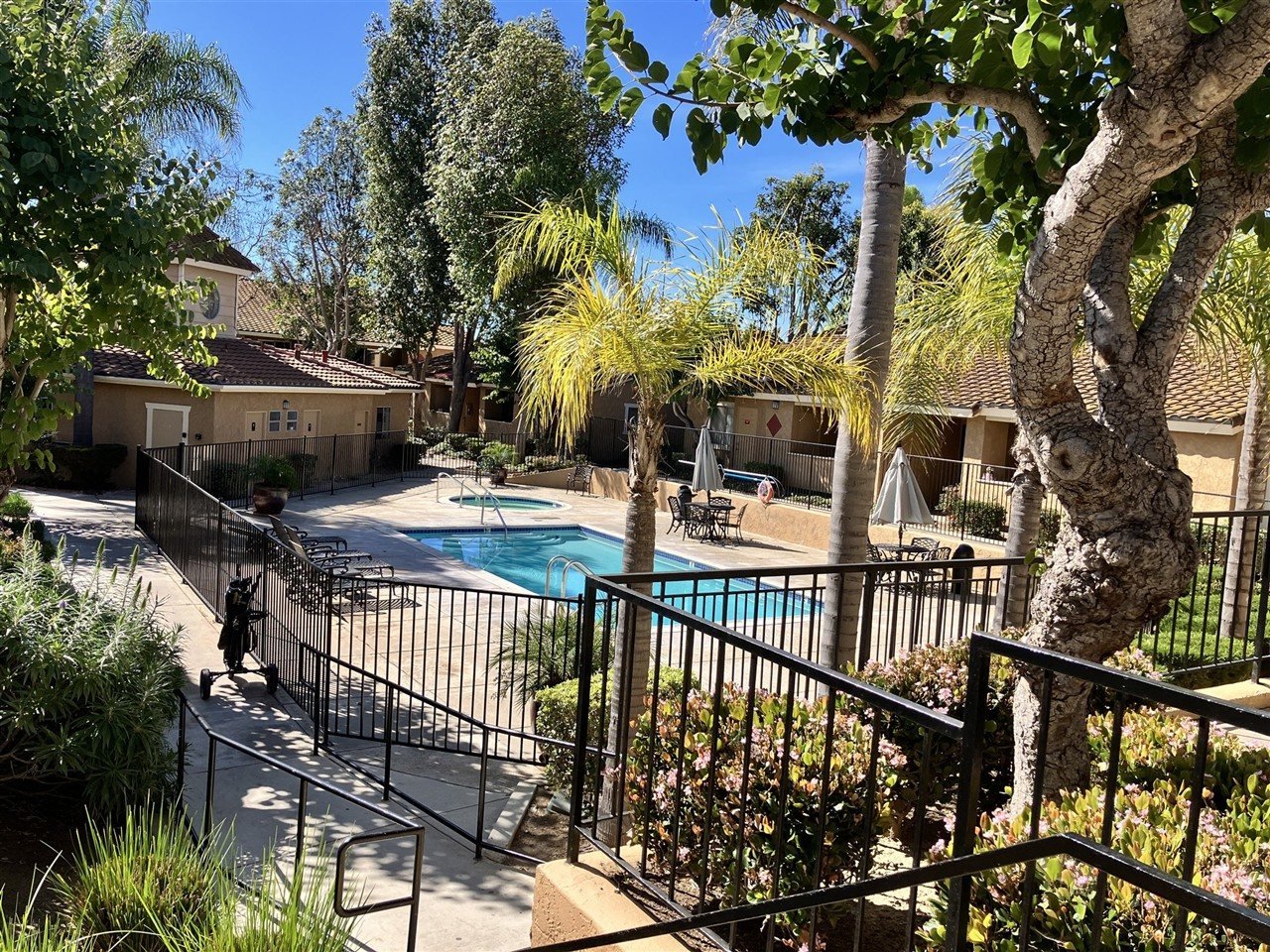
Properties evaluated for SB 721 exemption letters across San Diego County.
More inspections in Point Loma
- Commercial inspection in Point Loma
- Pool and spa inspection in Point Loma
- Sewer scope inspection in Point Loma
- 4-point inspection in Point Loma
- Home inspection in Point Loma
Nearby and countywide
Were You Happy With Your Inspection?
We are proud of our 4.9-star rating across 100+ Google reviews. If Joseph and the team did right by you, a quick Google review helps other San Diego County buyers and sellers find us.