
SB-721 Exemption Letter in Ocean Beach, CA
Walk the alleys behind Newport Avenue and you'll pass dozens of small Ocean Beach apartment buildings that quietly fall outside SB-721 — older cottages carved into a few flats, courtyard bungalows with nothing but ground-level entries, beachfront walk-ups whose original wood landings rusted away and got rebuilt years back. The catch is that suspecting a building is exempt and being able to prove it are two different things. A lender's underwriter, a coastal insurer, or a buyer's due-diligence checklist won't accept a property owner's hunch; they want a signed determination they can drop in a file. An SB-721 exemption letter gives them that. We come to the building, confirm there are no qualifying load-bearing wood elements raised above grade (or that the property is really an SB-326 condo or HOA), and write out the reasoning so the record holds with the City of San Diego and anyone else who asks.
Ocean Beach makes this worth checking rather than guessing. This is one of San Diego's last genuinely eclectic beach towns — craftsman cottages from the 1910s through the 1940s, hand-built additions, properties that grew unit by unit over a century. A Sunset Cliffs-adjacent triplex with concrete stoops and no projecting deck. A Bacon Street courtyard run as a homeowners association. A Cable Street fourplex where the seaward wood stairs corroded out and were swapped for steel. Each can land outside the apartment mandate for its own reason. We evaluate the structure and put the basis in writing — we don't waive any legal requirement, and if the building turns out to be covered, the letter states that and points you toward the inspection you owe.
Call (619) 752-4399 Schedule an Inspection
What does the exemption letter settle for an Ocean Beach property?
Treat this letter as a ruling on reach, not a health report on the building. It tackles one question and only that one: is your Ocean Beach property even within the boundaries of SB-721? The law fastens onto rental and apartment buildings holding three or more dwelling units that include Exterior Elevated Elements — wood-framed, load-bearing balconies, decks, exterior stairs, landings, and walkways raised more than six feet over the ground and counting on weatherproofing to shield the wood. Calling exemption fairly means the site visit captures:
- How many units, and how it's held. Whether the building reaches the three-unit minimum, and whether it runs as an apartment/rental or as a common-interest project that belongs under SB-326 instead.
- Whether anything sits up high at all. Or whether the lot left you with grade-level patios, ground-floor doors, and stoops — nothing six feet off the dirt for the statute to grab.
- What it's built from and how it carries weight. Whether a raised element is the wood-framed, load-bearing sort the statute lists, or a steel balcony, a poured-concrete landing, or a masonry stair that the salt air pushed an owner toward.
- Whether it leans on a waterproof layer. Whether the element depends on weatherproofing over wood — the second prong that has to land before SB-721 takes hold.
When every element falls short — or there simply aren't any — the property sits beyond the statute, and the letter records that with photo evidence behind each call. When even one element meets the test, the honest answer is covered, and an exemption letter would be the wrong document to issue.
Why do OB's old cottages straddle the SB-721 boundary?
Ocean Beach grew in a way that scatters multifamily properties across both sides of the line, which is exactly why an on-site read beats an assumption pulled off the parcel record:
- Early-twentieth-century cottage stock. Much of the core — the blocks off Newport, Bacon, and Cable — was framed between the 1910s and the 1940s, an era of craftsman porches, grade-level entries, and interior stairs that long predate the projecting wood-balcony design the statute was aimed at.
- Hand-grown buildings. OB cottages were often expanded piecemeal, a unit at a time, by owners doing the work themselves. The result is a patchwork of additions where what's actually elevated, and how it's framed, varies wall to wall and won't show in any record.
- Salt that already rewrote the framing. Out near Sunset Cliffs and the seaward streets, marine corrosion eats exposed wood fast. Owners here have spent years pulling decayed wood stairs and balconies and rebuilding in steel, concrete, or non-combustible composite — a change that can pull a building clear of the statute, but only once it's verified in person.
- Aging systems beneath the surface. The oldest OB cottages still hide knob-and-tube wiring and galvanized supply lines. None of that bears on SB-721 directly, but it signals buildings old enough to predate elevated wood decks entirely — a useful tell when judging applicability.
- Courtyard and bungalow-court HOAs. A share of OB's tidier courtyard projects operate as homeowners associations, which drops them under SB-326 rather than SB-721 — an ownership detail you can't spot from the sidewalk.
That mix is the whole reason the determination should be made standing at the building, not read off the county file.
What do our Ocean Beach applicability walks tend to surface?
Assess enough OB multifamily buildings for reach and a familiar set of results keeps coming up. Each is photographed and reasoned out so the letter carries its own weight:
- Different statute, no exemption to grant. A regular finding around the bungalow courts — the property is a condo or HOA development, making it an SB-326 matter. We document that rather than hand over an SB-721 exemption that wouldn't hold up.
- Wood already lost to the marine air. A previous owner tore out salt-rotted seaward stairs and balconies and rebuilt in steel or concrete, so the wood element the law goes after no longer exists on the building.
- Nothing raised in the first place. Older Newport- and Bacon-area cottages with craftsman porches, ground-floor entries, and interior stairs — nothing projecting more than six feet over open air.
- Raised, but not wood. Steel balconies, concrete landings, or masonry stairs that aren't the wood-framed construction the statute spells out.
- Short of the unit count. A property that looks like an apartment building but holds only two units, beneath the three-unit floor.
- Split decision — partly covered. One lingering wood balcony among otherwise non-qualifying elements, which makes the building covered and sends you to the inspection, not a letter.
We never manufacture an exemption that isn't earned. If the building qualifies under the law, the assessment says so and gives you a clean handoff to the SB-721 inspection itself.
How does the assessment run and what ends up in your file?
We open with a brief intake — address, year built, unit count, and whether you hold it as a rental or a common-interest development — then schedule the walk around tenant and shared-space access, which on OB's tight lots and alley-loaded parcels takes a little coordination. On site, Joseph Romeo works the exterior methodically: finding every raised element, measuring its height over grade where that figure is genuinely in play, and reading the framing and load path to decide whether it's the wood-framed, weatherproofing-reliant type SB-721 names or a steel, concrete, or masonry build that corrosion forced on a prior owner. Where a call is tight — a stair that may not clear six feet, framing that could be wood under a composite skin — he writes down the measurement and the basis instead of trusting memory.
What you receive is a signed applicability assessment and exemption letter: the building identified, the elements observed, supporting photos, the precise reason the property sits outside SB-721 (no qualifying elements, non-wood construction, grade-level entries, under the unit floor, or governed by SB-326), the inspector's credentials, and a plain statement of scope. It's drafted so a lender, an insurer, a buyer, or City of San Diego staff can rely on it, and it's delivered through HomeGauge the same day or the next.
The letter is upfront about its own edges: we assess and document — we do not waive a legal requirement. It records a professional opinion that the statute doesn't apply; it is not relief from any law and replaces no inspection that's actually owed. We also don't perform repairs or issue structural or engineering certifications, and we don't run termite, WDO, or pest work — we'd coordinate a licensed specialist for that, and a contested legal reading belongs with your attorney.
Who stands behind the determination, and what are the credentials?
A reach ruling is only as reliable as the person reading the structure, because it all turns on material, framing, and load path. Your assessment is led by Joseph Romeo, an InterNACHI Certified Professional Inspector (CPI) who also holds a California CSLB General Contractor license (#1113143). That builder's background is precisely what an exemption letter needs on a salt-worn beach town's century-old stock — he can tell wood framing from steel, concrete, or composite at a glance, judge whether an element truly carries load, and explain the reasoning the way someone who has built and replaced these assemblies can.
- 20-plus years and more than 10,000 inspections across San Diego County's coastal, hillside, and older neighborhoods.
- 4.9 stars across 106 Google reviews from owners, property managers, and agents who needed a clear, defensible answer.
- Letters written to read cleanly in a loan file or an insurer's review — address, statutory basis, evidence, signature.
- Real familiarity with OB's range, from Newport-area craftsman conversions to Bacon Street courtyard HOAs and Sunset Cliffs-edge rebuilds.
To be straight about it: our credentials are InterNACHI CPI and CSLB General Contractor — we are not ASHI or CREIA members, and we don't post flat prices, since scope follows building size and complexity. Check the fee schedule or ask for a quote.
Which related inspections suit Ocean Beach multifamily owners?
The exemption letter closes one question — whether SB-721 applies. Depending on what the walk turns up, OB owners often book a different service next:
- SB-721 balcony inspection — when the building does carry qualifying wood-framed elevated elements, this is the inspection the law demands of apartment and rental properties.
- SB-326 balcony inspection — when the property is an OB condominium or bungalow-court HOA, this is the governing statute, with its own nine-year cycle and reporting to the board.
- Thermal / infrared imaging — reveals hidden moisture inside walls and deck framing without opening anything up, a genuine edge this close to the marine layer.
- Roof inspection — a focused look at salt-weathered coverings and flashing on OB's exposed roofs, often worth folding into the same visit.
- Full property / commercial inspection — a complete read on the building and its systems when you're buying in or taking over management.
If you hold several buildings around Ocean Beach, we can run applicability across the whole portfolio in one pass and keep the documentation consistent, so every property carries a clear answer on file.
Ocean Beach SB-721 Exemption Letter FAQs
When does an Ocean Beach building actually qualify for an SB-721 exemption?
Does an exemption letter release me from the SB-721 law?
Our Sunset Cliffs-area building rebuilt its rotted wood stairs. Does that count?
My OB property is an old cottage split into three flats. Could it still be exempt?
Who will accept an Ocean Beach SB-721 exemption letter?
What does an SB-721 exemption assessment cost in Ocean Beach?
Properties we evaluate
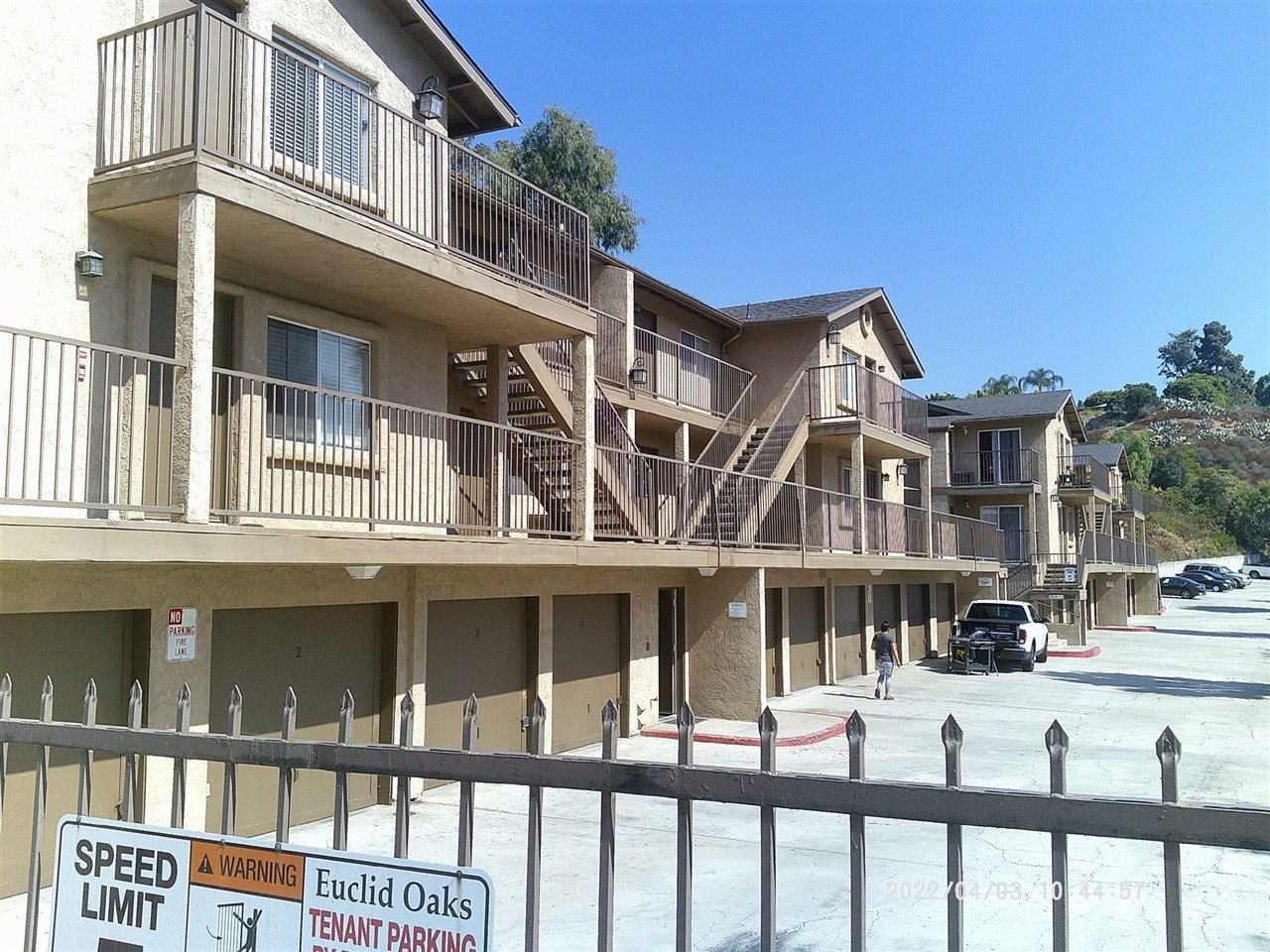
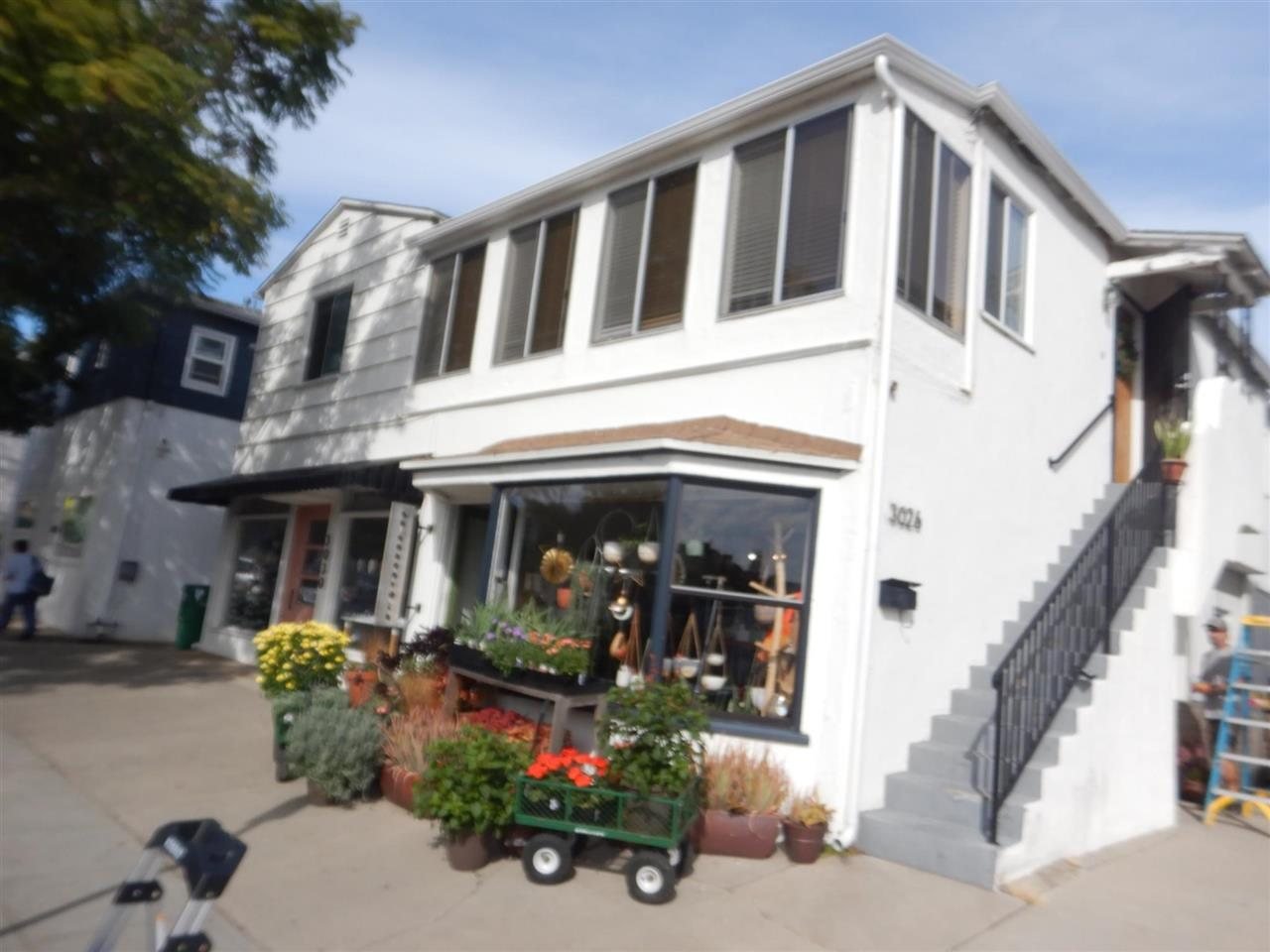
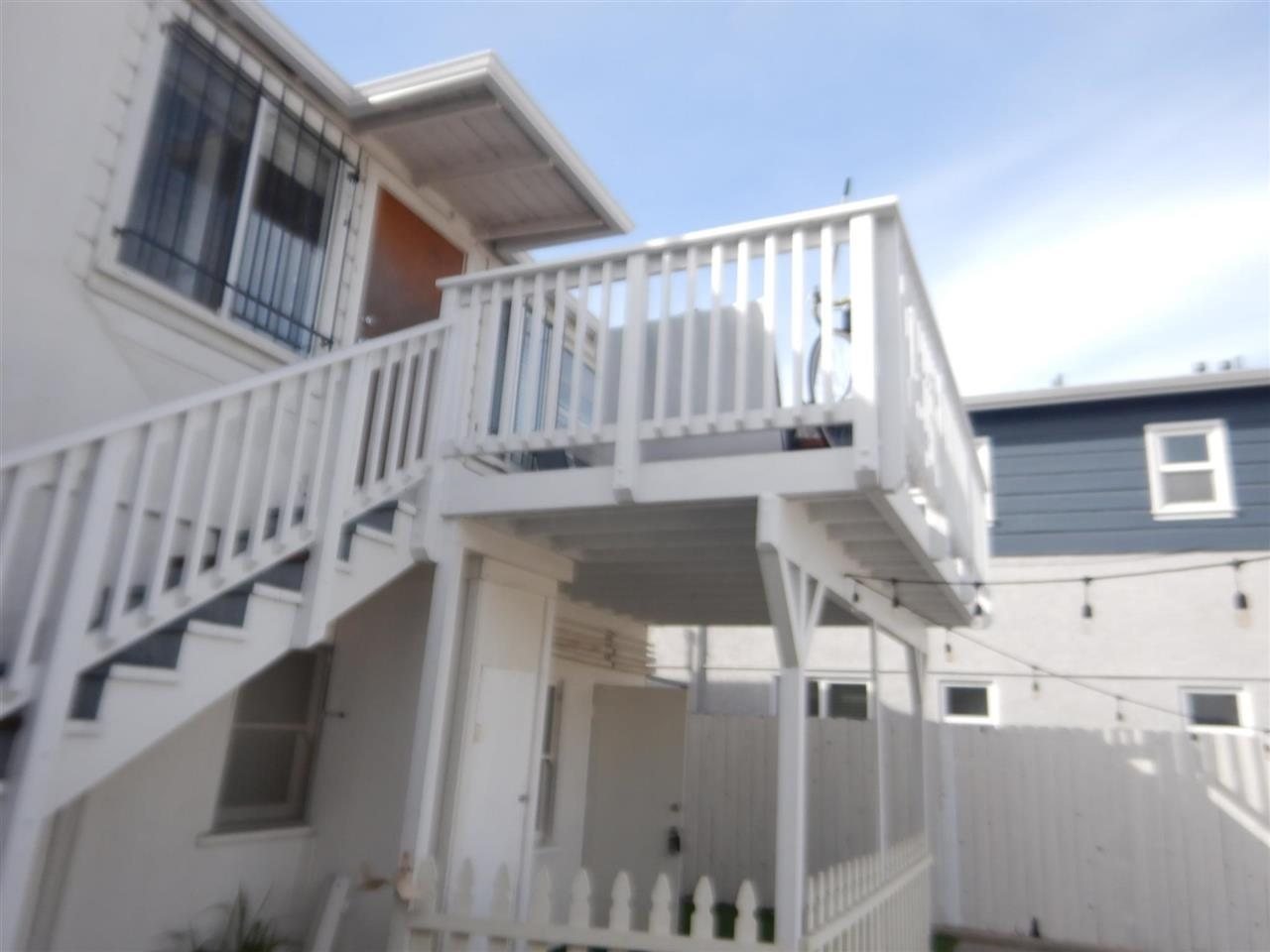
Properties evaluated for SB 721 exemption letters across San Diego County.
More inspections in Ocean Beach
- SB 326 balcony inspection in Ocean Beach
- Seller inspection in Ocean Beach
- Warranty inspection in Ocean Beach
- Commercial roof cleaning in Ocean Beach
- Home inspection in Ocean Beach
Nearby and countywide
Were You Happy With Your Inspection?
We are proud of our 4.9-star rating across 100+ Google reviews. If Joseph and the team did right by you, a quick Google review helps other San Diego County buyers and sellers find us.