
4-Point Inspection in Ocean Beach, CA
When an insurer asks for a 4-point inspection on an Ocean Beach property, the prompt is the calendar more than the condition. A 4-point is a narrow, carrier-formatted account of the four systems that drive the largest insurance claims — roof, electrical, plumbing, and HVAC — and underwriters lean on it before they will write or renew a policy on a house with some decades on it. OB is full of that kind of house: the 1910s-through-1940s Craftsman cottages packed onto the numbered avenues off Newport, the bungalow courts and beach shacks near the pier, the duplexes along Sunset Cliffs Boulevard, and the older builds climbing toward the Point Loma peninsula edge.
This is not a full home inspection, and we keep that distinction honest. A 4-point records each system's age, the materials behind it, and how it functions today, then names the specific conditions a carrier will not insure around — obsolete panels, vintage branch wiring, supply lines near end of life, water heaters and furnaces on borrowed time, and roof covering with little left in it. In a beach town where salt corrosion off the surf reaches every block, those four systems age on an accelerated schedule, and that wear is exactly the picture a carrier wants documented before committing to coverage.
Call (619) 752-4399 Schedule an Inspection
Which four systems does the OB report cover, and how deeply?
The report is confined to four systems by design, yet it examines each to the standard an underwriter genuinely measures against. For an Ocean Beach home, we record:
- Roof. The covering material — composition shingle across most cottages, scattered clay or concrete tile, and rolled or torch-down membrane on the flat-roofed beach builds — along with its approximate age and the service life we judge remains. Salt-heavy ocean air corrodes flashing, vent boots, and fasteners well before the roof field gives out, and the report captures that.
- Electrical. The service panel's manufacturer and amperage, plus the branch-wiring type, with any equipment carriers refuse named plainly. On anything wired before the mid-1970s, that means hunting for the panels and wiring an underwriter draws a hard line at.
- Plumbing. The supply piping hidden in the walls, the drain material we can observe, and the water heater's age and state. OB's sandy lots and the marine moisture that settles into crawlspaces keep older runs damp, which is unkind to aging pipe.
- HVAC. The heating and cooling equipment type, its age taken off the data plate, and whether it powers on the day we inspect. The mild coastal climate let many OB cottages get by on wall heaters or a small furnace with no air conditioning at all, and the report states what is actually installed.
For each, we set down what the system is and the shape it is in — observed condition, never a pass-or-fail grade. Where a remodel finish or cramped access conceals a system, we note that on the report instead of guessing.
What does an Ocean Beach address signal to an underwriter?
OB draws these requests for reasons stitched into the neighborhood itself: old, tightly built cottages sitting right on the open coast at the foot of a peninsula. Here is the risk an underwriter is weighing the moment the request comes through:
- Relentless salt corrosion. Perched on the surf line with the Point Loma peninsula wrapping the south edge, OB takes a near-constant dose of corrosive marine air. It rusts roof flashing and vents, attacks condenser coils and water-heater shells, and wears on panel hardware quicker than a home even a couple of miles inland would face — so a system's age on paper consistently understates the real damage.
- Sandy soil and coastal damp. The flats between Newport and the cliffs sit on sandy ground that holds marine moisture, leaving crawlspaces and sub-floor runs damp. That standing damp is rough on slab plumbing, supply lines under the floor, and the lower courses of older drains — the very items a 4-point exists to surface.
- Genuinely old cottage stock. The numbered avenues and the blocks near the pier hold homes from the 1910s through the 1940s — the era of original fuse panels, knob-and-tube and early branch wiring, and galvanized or cast-iron plumbing that carriers now scrutinize hard.
- Decades of piecemeal remodels. OB cottages have changed hands and been updated room by room for a century, which often leaves an original panel or a stretch of galvanized supply hiding behind a clean cosmetic refresh. The 4-point looks straight past the finish at the systems beneath it.
- A hardening California market. As carriers re-price coastal and wildfire-exposed risk statewide, even a lovingly kept beach cottage is now asked to prove these four systems are sound before a policy is bound or renewed.
Which conditions recur on OB 4-point inspections?
Inspect enough century-old beach cottages for insurance and a familiar set of underwriting flags shows up over and over — many of them hurried along by the salt and the damp sand. None of these automatically sinks a policy, but every one has to be recorded cleanly so you and your carrier are reading from the same page:
- Panels carriers reject. Federal Pacific (FPE), Zinsco, and Sylvania panels in homes wired from the 1950s into the '70s — the most common single reason an Ocean Beach 4-point stalls with an underwriter, and frequently something they will insist be swapped out.
- Obsolete branch wiring. Knob-and-tube threaded through the oldest pre-war cottages and aluminum branch wiring in postwar and early-remodel work, both flagged as serious hazards.
- Supply piping at the end of the road. Galvanized lines corroded shut from the inside and polybutylene installed in later remodels, alongside cast-iron drains long past their service life beneath the oldest homes — decay the damp, sandy ground only speeds up.
- Salt-beaten roofs and flashing. Coverings near the end of their useful life and, just as routinely, flashing and fasteners eaten through by the oceanfront air before the roof field itself fails.
- Worn-out water heaters and furnaces. Units run past their service life, often with salt corrosion creeping across exterior cabinets and condensers, which an underwriter reads as a claim waiting to be filed.
How does the on-site process work and what report do you get?
We schedule against whatever deadline is driving you — a renewal date, a binder needed to close escrow, or a non-renewal letter you are racing to replace — and we arrange access with the owner, agent, or tenant in advance so the panel, water heater, attic, and equipment are all within reach. That groundwork pays off in OB, where the service gear is so often jammed into a cramped original closet, a back alley, or a shared utility nook behind a beach rental. Once on site, Joseph Romeo works the four systems in sequence: the panel cover pulled and photographed, wiring verified wherever it is exposed, supply and drain materials identified, water-heater and HVAC ages read off their plates, and the roof assessed for covering, age, and remaining life — with particular attention to the corroded flashing and hardware a coastal carrier never fails to ask about.
You receive a 4-point report in the format insurers expect, delivered through HomeGauge the same day or the next so a binder or renewal is never sitting idle on our end. Each system's age, material, and condition is documented with photographs, and the underwriting-sensitive items are spelled out clearly. A 4-point is narrower than a full inspection on purpose, and we say so plainly — if you are buying an OB home, we will tell you when the full inspection is the right instrument and the 4-point is only the carrier's checkbox. One principle holds throughout: we document what we observe, we do not bid or carry out repairs, and we have no stake in what the report turns up.
Why do OB owners, investors, and agents call Joseph Romeo?
Documenting these four systems for an underwriter calls for someone who understands how a hundred-year-old beach cottage was framed, rewired, and re-plumbed through decades of salt air and a long string of remodels. Your inspection is led by Joseph Romeo, an InterNACHI Certified Professional Inspector (CPI) who also holds a California CSLB General Contractor license (#1113143). That builder's perspective earns its place on a 4-point — when the report flags a Zinsco panel, a rust-clogged galvanized line, or salt-eaten flashing, he can tell you whether it is a fast correction or a genuine project, and what a carrier is likely to require, before you ever line up a quote.
- 20-plus years and more than 10,000 inspections across San Diego County's coast, bay, and inland communities.
- 4.9 stars across 106 Google reviews from homeowners, buyers, investors, and agents.
- Honest reporting that stands up with an underwriter — accurate system ages, sharp photos, no filler, formatted so you are not sent back for a re-do against a deadline.
- Genuine familiarity with OB's housing, from the numbered-avenue Craftsman cottages and bungalow courts to the Sunset Cliffs duplexes and the older builds along the peninsula edge.
When the report surfaces something a carrier wants corrected, we point you to the right licensed trade for the panel swap, the re-pipe, the water heater, or the roof work — the repair stays with a specialist while our report stays independent.
Which inspections are worth pairing with an OB 4-point?
A 4-point settles the single question your carrier raised, but it is a narrow view on purpose. Depending on your situation, OB owners, investors, and buyers often pair it with or follow it up with:
- Full home inspection — the complete InterNACHI-standard read on the structure and every system, the right move when you are actually buying an older Ocean Beach home or a rental rather than just clearing a carrier.
- Roof inspection — a closer study of the salt-stressed covering, flashing, and fasteners when the 4-point flags remaining roof life and you need more detail before a carrier or repair call.
- Sewer scope inspection — a camera run down the buried lateral the 4-point never reaches, frequently aging clay or cast iron sitting in OB's sandy, moisture-holding soil.
- Thermal and infrared imaging — reveals hidden moisture behind walls and under floors, a real benefit given the damp sand and steady marine air this close to the surf.
When a carrier requires a 4-point on an older OB home you are also purchasing, the full home inspection is the pairing we recommend most — the 4-point clears the underwriter, but it was never meant to tell you everything about the house. We suggest what suits your circumstances rather than pushing a set bundle, and we will run both in one visit where that makes sense. For the actual panel swap, re-pipe, roof work, or a structural or termite/WDO report, we coordinate the right licensed specialist rather than stepping outside our scope.
Ocean Beach 4-Point Inspection FAQs
Why is my insurer asking for a 4-point on my Ocean Beach home?
Is a 4-point inspection the same as a full home inspection?
Does Ocean Beach's salt air really change what a 4-point turns up?
What problems most often hold up a policy on OB cottages?
Can you inspect an Ocean Beach rental or vacation unit for a 4-point?
How fast will I get the report for my insurance deadline?
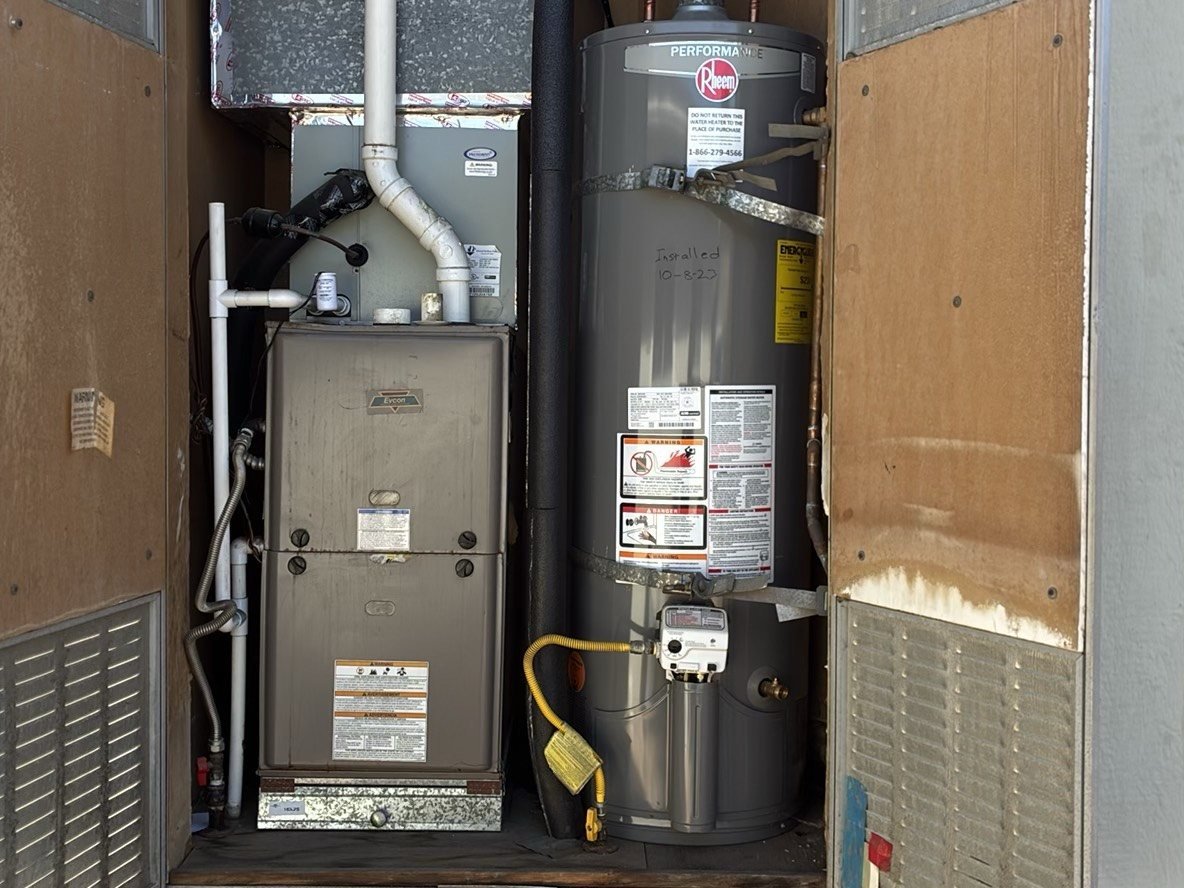
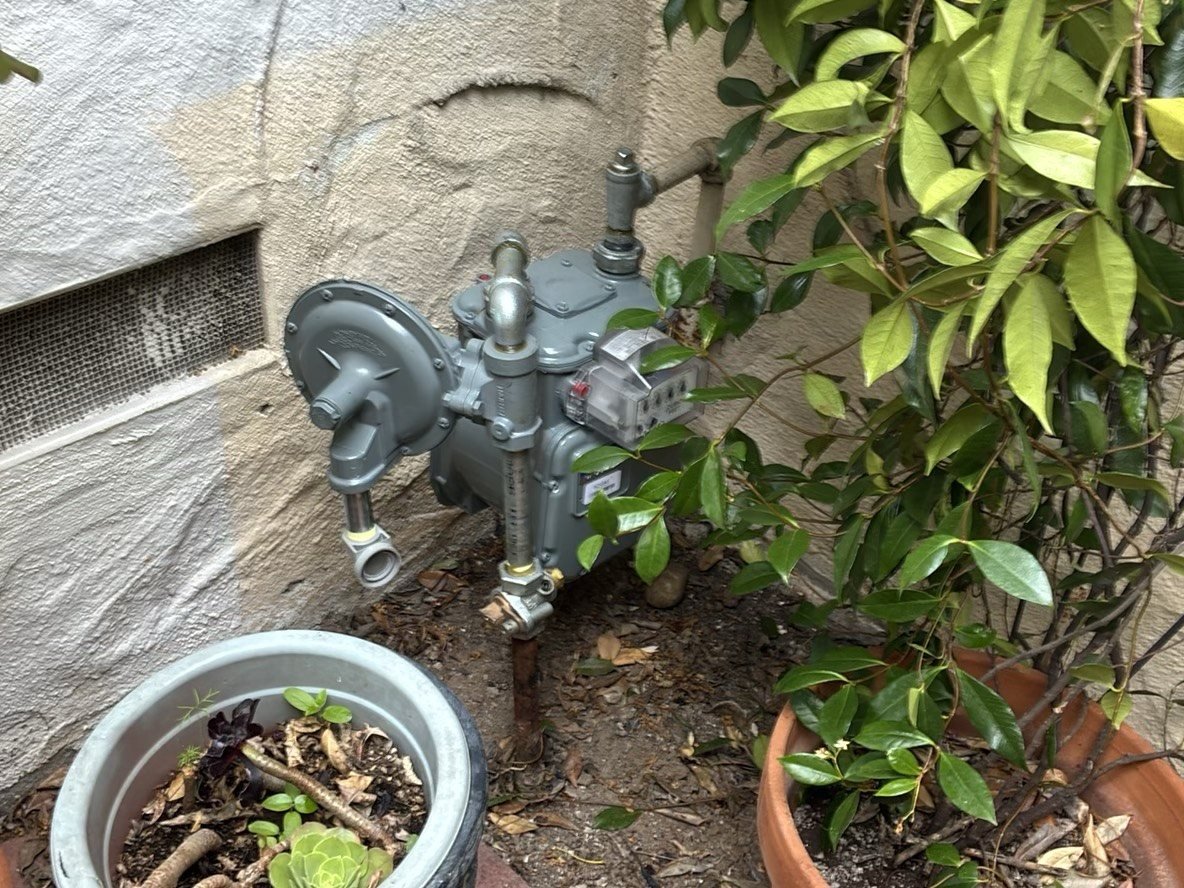
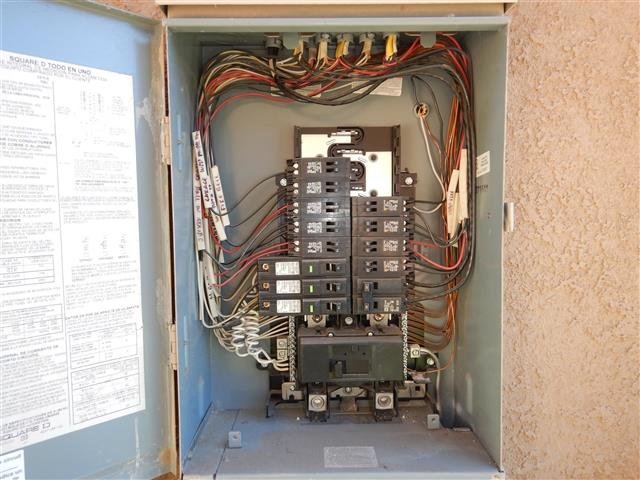
Roof, electrical, plumbing and HVAC
Documentation from recent 4-point inspections across San Diego County.
More inspections in Ocean Beach
- SB 721 balcony inspection in Ocean Beach
- SB 326 balcony inspection in Ocean Beach
- SB 721 exemption letter in Ocean Beach
- Seller inspection in Ocean Beach
- Home inspection in Ocean Beach
Nearby and countywide
Were You Happy With Your Inspection?
We are proud of our 4.9-star rating across 100+ Google reviews. If Joseph and the team did right by you, a quick Google review helps other San Diego County buyers and sellers find us.