
SB-326 Balcony Inspection in Ocean Beach, CA
If your Ocean Beach association owns a condo building with wood balconies or shared elevated walkways, a state law named SB-326 already applies to it. The provision sits inside the Davis-Stirling Act and tells every common-interest development the same thing: a qualified professional must examine the building's exterior elevated elements and hand the board a written condition report, then repeat that exercise on a nine-year rhythm. The opening cycle closed on January 1, 2025, so most OB associations are either finishing their first round or quietly overdue for it. What the law cares about are the load-bearing, wood-framed balconies, decks, stair landings, exterior staircases, and elevated walkways that hold people more than six feet above grade, plus the waterproofing meant to keep that wood from rotting.
SB-326 is the condo-and-HOA edition of the EEE inspection. Apartment owners answer to SB-721 for the very same balconies and decks; here the responsible party is your board, and the document we produce feeds directly into the reserve study and the association's long-range funding plan. We pull a statistically meaningful random sample of the elements, grade and photograph each, and deliver a report the board can adopt, budget against, and lean on at a meeting. We assess and document; the corrective work is a licensed contractor's job, never ours.
Call (619) 752-4399 Schedule an Inspection
What does the SB-326 EEE scope include on an OB condo?
The statute draws a tight circle around exterior elevated elements (EEE) — the wood-framed assemblies that hold residents aloft, plus the moisture barrier defending that wood. On an Ocean Beach association — maybe a converted cottage block off Newport Avenue, a small bungalow-court HOA near the pier, or a two-and-three-story condo run up toward Sunset Cliffs — we take every sampled balcony, deck, landing, stair, and walkway and document four things:
- The structural wood — joists, ledgers, beams, posts, and rim boards, examined for decay, fastener fatigue, splitting, and any droop along the load path.
- The moisture defense — deck coating or membrane, flashing, sealed joints, and the seam where the balcony ties into the wall, which in this salt belt tends to surrender first.
- Guardrails and their anchorage — how the rails and the element itself fasten back into the framing, and whether brine has eaten those connections hollow.
- Drainage and dry-out — whether the assembly sheds water and gets a chance to dry between marine-layer mornings, since standing damp is what quietly turns sound lumber to pulp.
SB-326 asks for a statistically meaningful random sample — a count large enough to project the condition of the entire element population with confidence a board can defend. The work is visual, escalating to sounding and probing wherever a surface clue points to hidden trouble. Each sampled element earns a verdict on safe continued use, and the language is written for a reserve analyst and a board, not for an engineer to decode.
Why does Ocean Beach weather punish elevated wood?
The charm that draws people to OB — a few blocks of cottages tucked against the surf at the foot of the Point Loma peninsula — is exactly what shortens the life of anything cantilevered off a wall here. The local conditions gang up on balconies in a handful of repeatable ways across the neighborhood's housing stock:
- Severe salt corrosion. OB sits right on the open Pacific with almost nothing between the swell and the buildings, so chloride-laden air drives hard into joist hangers, ledger bolts, post bases, and rail fasteners — the steel can be reduced to flakes behind stucco that still photographs fine.
- Craftsman-era framing, 1910s through the 1940s. A large share of OB's housing went up as early-century cottages and small flats, later carved into condos, framed in decades when modern deck flashing simply didn't exist; coatings here are often laid straight over old, uncorrected damage.
- Original-era wiring and plumbing nearby. The oldest OB buildings still carry knob-and-tube and galvanized lines, a sign of stock that predates current building practice — and where those systems linger, the surrounding framing details tend to be just as dated.
- Persistent onshore damp. The marine layer parks over OB many mornings and shaded, north-facing decks barely dry, so the wood holds moisture far longer than anything a mile inland.
- Cottage-density walkways and add-on decks. Tightly packed lots and decades of bolt-on balconies and second-story decks mean a lot of elevated wood was added long after the original build, with tie-ins that were never detailed for the coast.
What do our OB EEE samples keep turning up?
Walk enough Ocean Beach decks, exterior stairs, and cottage-court balconies and the same failures keep surfacing. SB-326 directs us to log each as observed; anything that endangers the structure or a person gets its own flag for the board to act on:
- Hardware eaten back by brine. Hangers, lag screws, and post bases corroded well past their rated strength — the defining OB finding, and almost always invisible from the deck surface.
- Ledgers turned spongy. The wall connection bearing a balcony's weight, rotted where a split coating let coastal moisture soak the wood and never let it leave.
- Waterproofing at the end of its life. Cracked, bubbled, or carelessly terminated coatings and flashing routing water back into framing — routine on OB decks recoated over earlier failures.
- Decay hiding under a tidy surface. Joists and rim boards gone soft beneath a coating that looks perfectly fine until it's tapped and probed.
- Guardrails working loose. Balcony and shared-walkway rails whose anchors have corroded free — a direct fall hazard in a multi-unit OB cottage block.
- Add-on decks failing at the tie-in. Later-added balconies and stairs pulling away at the wall where a coastal-grade flashing detail was never installed in the first place.
How do we run it and what does your board walk away with?
We begin in the paperwork. We go through the association's building plans, the inventory of elevated elements by type, and any prior EEE assessment or repair record, then size and select the random sample SB-326 calls for. Access is arranged with the board or the management company — in OB's tight cottage courts and tenant-occupied conversions, that usually means scheduling around residents. On site, Joseph Romeo works each sampled balcony, deck, stair, and walkway in turn: studying the wall tie-in and framing, sounding and probing the coating wherever damp or a soft patch hints at concealed rot, and assessing the rails, drainage, and waterproofing. Where the surface raises a question, we open it instead of assuming a clean coating means clean wood underneath — on this stretch of coast that assumption almost never survives contact.
Your board comes away with an SB-326 report built to the statute's content list: the elements inspected, the condition rating for each, the photos that back it, the remaining useful life your reserve study depends on, and a distinct callout for any element posing an immediate safety threat. It's organized so the board can adopt it, slot it into reserve planning, and defend it in front of owners, and it arrives through HomeGauge the same day or the next. We retain a copy toward the nine-year record an association is expected to hold.
One line never moves: we assess and report observed condition — we do not design repairs, carry them out, or issue structural or engineering certifications on a building we've inspected. When we flag a rotted ledger or a failed membrane, the repair design and the work itself go to a licensed contractor, and we'll steer your board to a capable one. Termite and WDO work sits outside our scope too; where wood-destroying organisms enter the picture, we bring in a licensed pest specialist. Keeping that separation is what lets the report stay clean of any repair we'd profit from.
Why do OB boards hand this to Joseph Romeo?
SB-326 limits who may legally perform the inspection, and any report is only as good as the person reading the structure behind it. Yours is led by Joseph Romeo, an InterNACHI Certified Professional Inspector (CPI) who also holds a California CSLB General Contractor license (#1113143). That builder's eye is precisely what an EEE assessment leans on — he reads framing, connections, and waterproofing the way someone who has assembled them does, and can separate a cosmetic coating crack from a ledger that's a season away from giving up behind salt-stained stucco.
- 20-plus years and over 10,000 inspections across San Diego County's coastal, peninsula, and beach-town properties.
- 4.9 stars across 106 Google reviews from owners, boards, managers, and agents.
- Reports framed to meet SB-326's content requirements, so your filing and reserve-study tie-in hold up under scrutiny.
- Genuine familiarity with OB's stock — Newport Avenue cottage conversions, pier-area HOAs, and Sunset Cliffs-side condo blocks.
For the record: we're InterNACHI CPI and CSLB-licensed, not ASHI or CREIA members, and we don't publish flat prices, because the fee turns on how large the community is and how many elements the random sample has to reach. Findings come back quickly and in plain English, so your board, reserve analyst, and contractor can each act without a go-between.
Which companion inspections do OB associations tend to need?
An SB-326 inspection settles one specific duty on your elevated elements, but an OB association's list is usually longer. Depending on the property, Ocean Beach boards often pair it with or move on to:
- SB-721 balcony inspection — the sister EEE law for apartment and rental buildings; if any part of your holdings is rental rather than a common-interest development, that statute governs there.
- Thermal/infrared imaging — locates concealed moisture inside walls and deck assemblies without cutting them open, a real advantage in OB's fog-and-salt climate.
- Roof inspection — the wind-scoured, salt-worn coverings and flashing overhead, frequently aging on the same nine-year arc as the balconies beneath.
- Building and systems walkthrough — a wider read on accessible common-area structures and mechanicals when the board is staging capital work, useful on OB's older converted stock.
- Specialist coordination — for repair design, a deck re-coat, or a termite/WDO report, we refer the right licensed contractor, engineer, or pest specialist rather than stretching past our scope.
If your association runs more than one OB building, we can schedule the SB-326 inspections in one pass and keep the reporting consistent, so the whole community's nine-year cycle stays in a single, orderly record.
Ocean Beach SB-326 Balcony Inspection FAQs
Which Ocean Beach buildings does SB-326 apply to?
When was the SB-326 deadline, and how often does it come back?
Why does Ocean Beach's location wear out balconies so fast?
Do you have to inspect every balcony in our OB community?
How does the report support our reserve study?
Will you repair the elements you flag for our board?
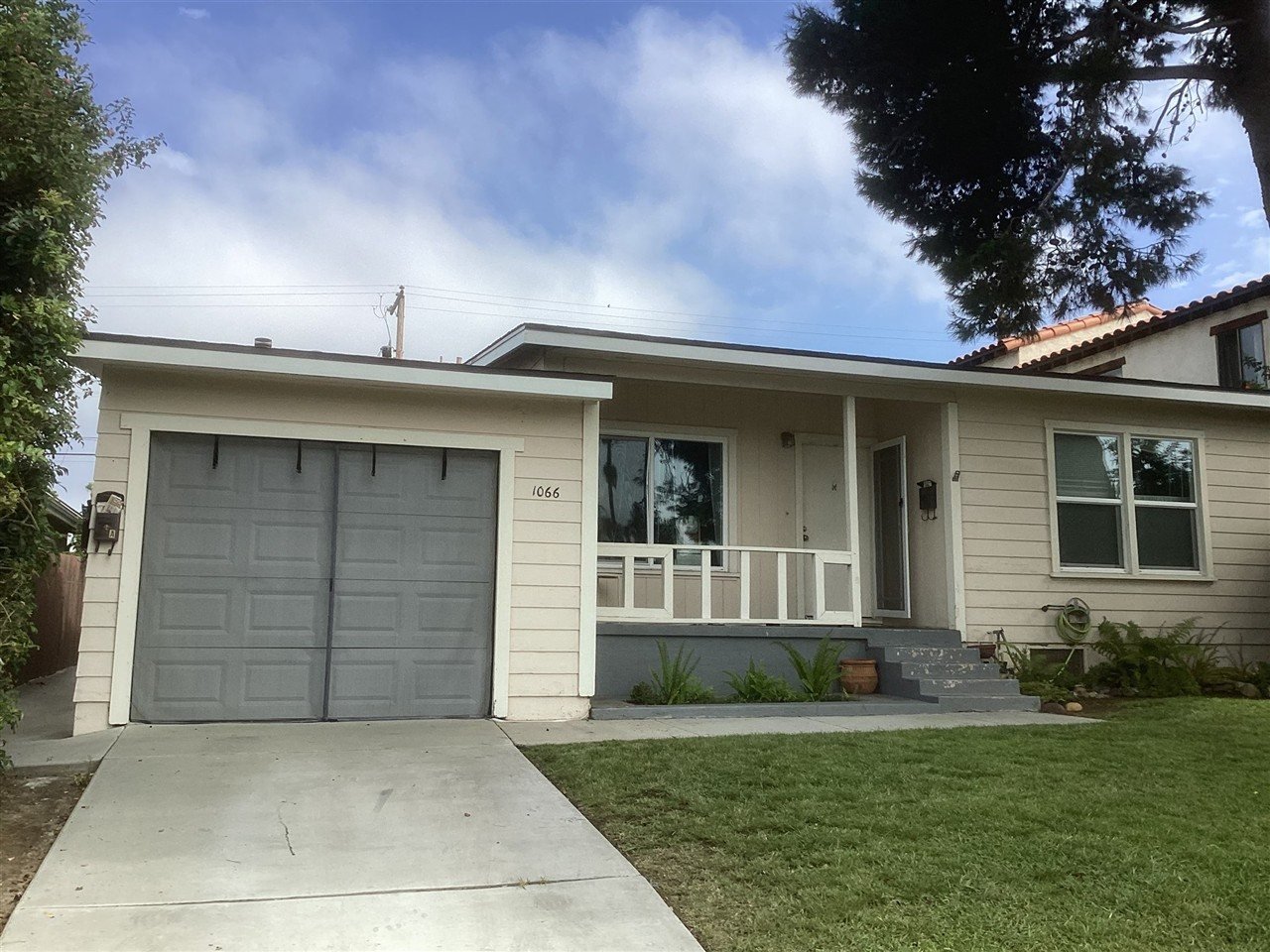
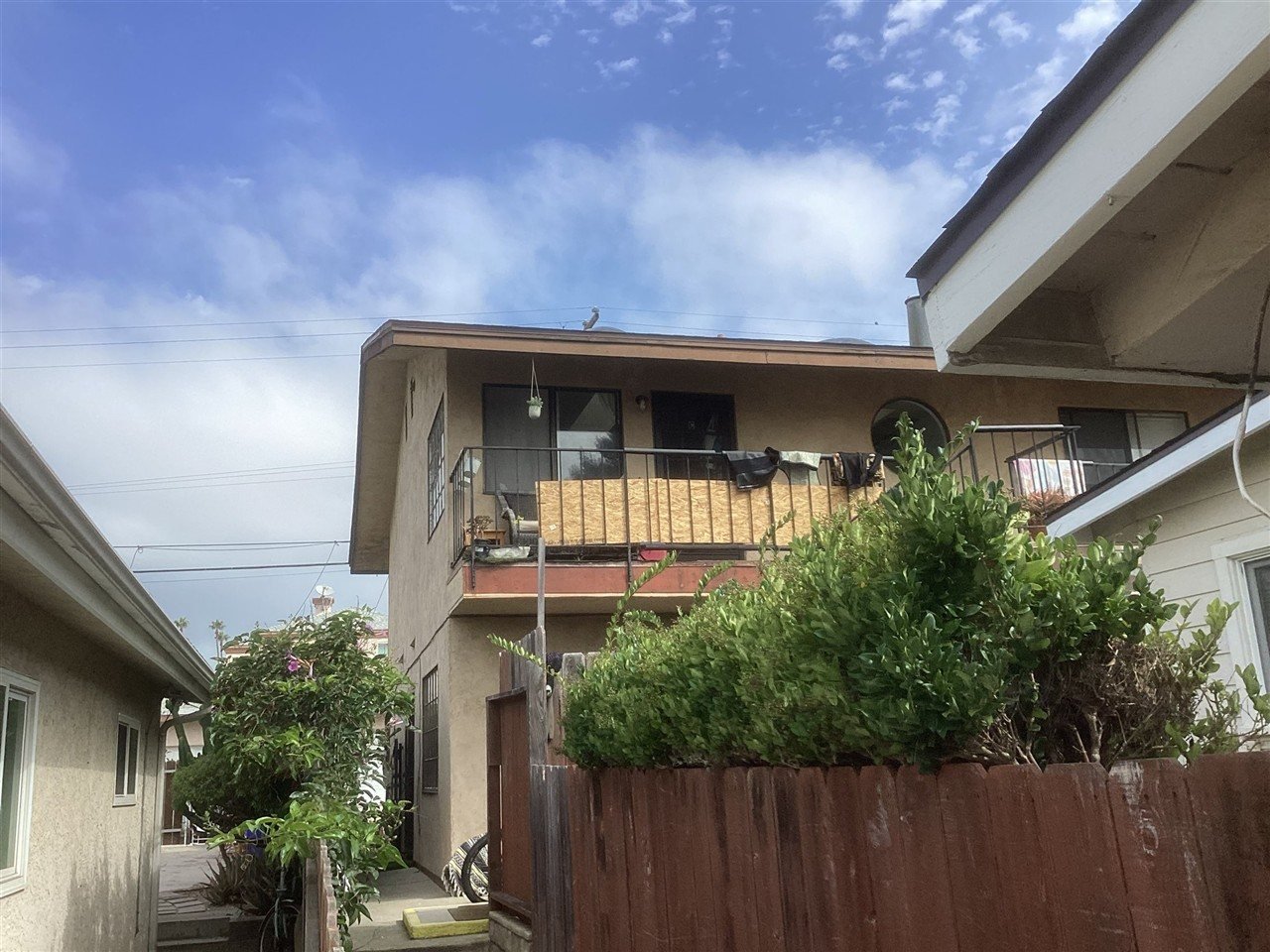
HOA properties we inspect
Condominium properties documented for SB 326 balcony compliance across San Diego County.
More inspections in Ocean Beach
- Seller inspection in Ocean Beach
- Warranty inspection in Ocean Beach
- Commercial roof cleaning in Ocean Beach
- Commercial inspection in Ocean Beach
- Home inspection in Ocean Beach
Nearby and countywide
Were You Happy With Your Inspection?
We are proud of our 4.9-star rating across 100+ Google reviews. If Joseph and the team did right by you, a quick Google review helps other San Diego County buyers and sellers find us.