
Pool & Spa Inspection in Ocean Beach, CA
Ocean Beach is a small, defiantly independent beach town wedged onto the south flank of the Point Loma peninsula, and it was never laid out for pools. The grid off Newport and Voltaire runs to narrow lots packed with 1910s-through-1940s craftsman cottages, so the swimming water you do find here is the exception rather than the rule — a compact plunge pool dropped into a courtyard, a spa bolted onto a back deck, or a basin shoehorned behind a cottage decades after the house went up. Whatever's back there sits a few blocks off the surf, which means the salt arriving on the morning breeze is relentless and the metal around the water pays for it.
I'm Joseph Romeo, and I inspect Ocean Beach pools and spas myself — on their own or folded into a full home inspection. It's a careful visual evaluation of the whole arrangement: the basin and its finish, the deck and coping, the waterline tile, the circulation plumbing I can actually see, the pump-filter-heater equipment, the electrical bonding and GFCI protection, and the fencing, gates, and anti-entrapment drain covers that keep a small child out of the water. What it isn't is a pressurized leak test or a chemistry workup — those go to a pool specialist, and I'll tell you the moment one is worth calling. To see the pool alongside the rest of the house, start at the Ocean Beach home inspection hub.
Call (619) 752-4399 Schedule an Inspection
What does an Ocean Beach pool and spa inspection look at?
I read the pool as one linked system — the vessel that holds the water, the gear that circulates and heats it, and the safety barrier around the whole thing — and I document what's plainly visible on each part at your OB property:
- Basin and interior finish — the shell examined for structural cracking, and the plaster, pebble, or quartz lining checked for crazing, blistering, soft delamination, and the salt-driven etching that coastal water leaves on an aging surface
- Deck, coping, and waterline tile — the surrounding deck reviewed for cracks and lifting, coping for loose or displaced caps, and the tile band for pieces that have debonded, sound hollow, or fallen away
- Visible circulation plumbing — skimmers, returns, valves, and the exposed piping at the pad observed as found rather than pressurized, with a close eye on corrosion at fittings sitting in salt air
- Pump, filter, and heater — cycled wherever the controls allow, weighed on age and condition, and inspected for the rust and pitting coastal equipment shows first
- Electrical bonding and GFCI — the equipotential bonding grid that ties the metal together, plus ground-fault protection on the pump and light circuits, the single most safety-critical thing I confirm on any OB pool
- Fencing, gates, and alarms — barrier height, gates that close and latch on their own, and door or slider alarms, all measured against California's drowning-prevention rules
- VGB anti-entrapment covers — sound, current main-drain covers that guard against the suction entrapment the federal Virginia Graeme Baker Act addresses
Everything is reported strictly on what's observable and reachable. Where a line runs underground, a panel is locked, or a heater can't be fired safely, I write that on the report rather than imply I confirmed something I couldn't get to. Pressurized leak detection and water balancing fall outside this service — when the evidence points that way, I name it and refer a licensed pool pro.
How do salt and OB's old cottages shape the job?
The same beach-town setting that makes an Ocean Beach pool a rarity is exactly what grinds it down. These are the items I slow down on out here:
- Relentless salt corrosion. OB sits at the open, surf-facing toe of the Point Loma peninsula, so prevailing wind drives salt straight off the water into every backyard. Heater cabinets bloom rust, pump fittings and unions pit, conduit chalks, and the bonding lugs that protect swimmers corrode while the plaster still looks fine. A salt-chlorine generator pushes all of it further, so the heater header, the cell, and any metal in the bonding path get extra time.
- Very old housing stock, pools added late. Much of OB predates the war — craftsman and beach cottages from the 1910s to the 1940s — and the few pools and spas came decades afterward on lots that were already tight. The original homes often still carry knob-and-tube wiring and galvanized supply lines, and that vintage electrical context matters when I'm tracing whether a pool's bonding and GFCI were ever brought up to a modern standard.
- Cramped lots and squeezed-in water. On OB's small parcels a pool or spa usually got wedged against a property line or built into a deck, leaving abandoned plumbing, mixed-vintage equipment, and barriers that never had room to meet code. Sorting current-and-functional from leftover is real work here.
- Persistent marine-layer damp. Heavy fog mornings keep decks, coping, and the shell waterline wet on a town that takes weather straight off the ocean, feeding organic staining, efflorescence, and slow finish etching on older plaster.
Which findings keep surfacing on OB pools and spas?
Inspect enough swimming water across Ocean Beach — the cottages off Sunset Cliffs Boulevard, the courtyards near Newport, the spas tucked behind beach bungalows — and the reports settle into a familiar shape. None of these is automatically a dealbreaker; they're things to understand and price before your contingency closes:
- Salt-etched, tired finishes — plaster crazed and softening, pebble baring its aggregate, and coastal staining set into a lining near the end of its service life
- Corroded coastal equipment — heaters rusting from the cabinet inward, pump fittings and unions pitted by salt air, and salt cells scaled or spent, frequently with no service record behind them
- Compromised or missing bonding — the equipotential grid corroded, cut, or never reconnected after an equipment swap, a genuine shock hazard so close to saltwater and one of the most common findings on weathered OB pools
- No GFCI protection — pump, light, and equipment circuits wired before current ground-fault standards, especially routine where the cottage still runs older electrical
- Expired or flat drain covers — main-drain covers that no longer satisfy the federal VGB anti-entrapment rule, among the most dangerous items still in service
- Non-compliant safety barriers — fences below height, gates that won't self-close or self-latch on a cramped OB yard, and missing alarms on the slider — the items that matter most on a family property
- Deck and coping movement — cracked decking, lifted coping, and failed mastic joints where a basin was squeezed onto a small, settling lot near the bluff
The report sorts the safety-critical findings and big-ticket repairs ahead of routine upkeep, so the numbers you carry into negotiation reflect what actually drives the cost.
How does the visit run and what report do you get?
Book it by calling (619) 752-4399 or emailing a quick note on what's in the yard — an in-ground plunge pool, an attached spa, an above-ground unit, or a shared courtyard pool. To give you a complete read I need the equipment energized and the pad reachable, so if there's a gate code, a locked equipment closet, or a safety cover on the water, tell me before the appointment instead of letting me find it on site.
On the visit I bring the pump, filter, and heater up through a normal cycle wherever the controls permit — confirming flow at the skimmers and returns and watching the valves at the pad rather than judging a cold, off system. While that runs, I work every gate and run of fencing the way a child actually would, sound and examine the shell and waterline, and move through the deck and equipment in order. The electrical safety items get the most attention, because that's where OB's salt does its quietest damage. You're welcome to walk it with me, and on a pool I encourage it — a corroded bonding clamp or a gate that won't latch makes far more sense standing in front of it than as a line on a page, and that walk is how we separate the must-fix safety items from the upkeep you can budget for later.
What you receive is a photo-documented HomeGauge report written in plain language, with the safety-critical findings — bonding, GFCI, fencing, and drain covers — pulled into their own summary apart from ordinary wear. You'll typically have it same-day or next-day, inside your contingency window, ready to turn into repair requests or hand to a pool contractor. I report observed condition only and never bid or perform the repairs I identify, so nothing in the writeup carries a conflict of interest. Two things stay outside this scope and I'm upfront about them: pressurized leak detection and water chemistry balancing are specialist services, and when the visible evidence points there — not unusual on older OB pools — I recommend a licensed pool specialist for that part.
Why do Ocean Beach buyers and agents have me read the pool?
What turns a useful pool report into more than a checklist is whether the inspector understands how the vessel, the plumbing, and the wiring were actually put together. I hold two credentials that back that up: InterNACHI Certified Professional Inspector (CPI) and a California CSLB General Contractor license, #1113143. Because I've built and repaired these systems myself, I can stand at your pad in Ocean Beach and tell you straight whether a finding is an afternoon fix or a tear-out-and-re-equip job carrying a four-figure invoice — and on OB's altered, salt-stressed older pools, that contracting background is the difference.
- 20-plus years and more than 10,000 inspections across San Diego County, the coastal pools of the Point Loma peninsula among them
- A 4.9-star rating from 106 Google reviews left by the buyers, sellers, and agents I've worked for
- No conflict of interest — my work stops at reporting condition; since I never bid or run the repairs, nothing in the writeup is steering you toward paid work
- Straight talk — I tell you what I'd want to know if it were my own family in the water, especially on the safety items, with no scare tactics and no upsell
When a job genuinely calls for pressurized leak detection, plaster resurfacing, equipment replacement, or chemistry, I point you to the right licensed pool specialist instead of overreaching. Reach me at joe@sandiegohomeinspection.com or the number above.
Which Ocean Beach inspections should you pair with it?
Hardly anyone buys the pool by itself. It usually rides along with a fuller look at the house, and I can fold the following into one coordinated OB visit:
- Full home inspection — the complete walkthrough the pool report rounds out, covering roof, electrical, plumbing, and structure, most often done in the same appointment; start at the Ocean Beach hub
- Sewer scope — running a camera down the lateral earns its keep behind OB's older cottages, where decades-old clay and cast-iron carry root intrusion and shifted joints out of sight, especially where the run passes near the pool
- Thermal / infrared imaging — surfaces hidden moisture in decking and equipment-room walls, a real payoff in OB's fog-and-salt corridor
- Roof inspection — the salt-stressed flashing and coverings that fail early this close to the surf on the peninsula's open south face
- Specialist coordination — for pressurized leak detection, shell engineering, water chemistry, or a termite/WDO report, I refer the right licensed professional rather than stretch past my scope
Not sure which of these your property needs? Send the address and I'll tell you what genuinely applies before your contingency runs out — or browse the full menu of inspections we offer.
Ocean Beach Pool & Spa Inspection FAQs
How much is an Ocean Beach pool and spa inspection?
Does Ocean Beach salt air really affect the equipment?
Will you pressure-test the lines or balance the chemistry?
Can you inspect a pool behind an old OB craftsman cottage?
Why such close attention to the fence and drain covers?
Does the equipment need to be running for the inspection?
Pools and equipment
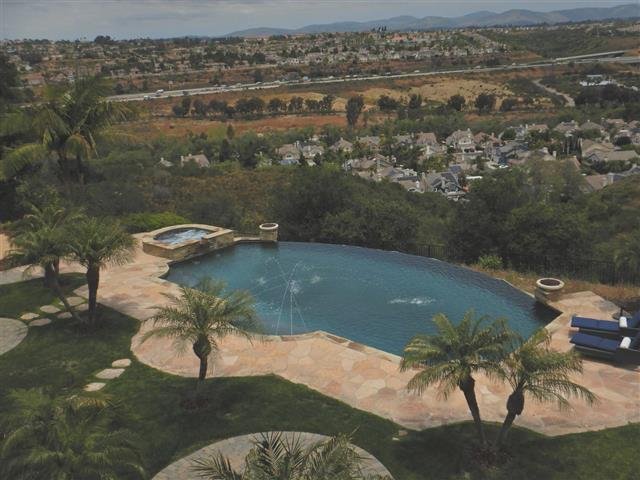
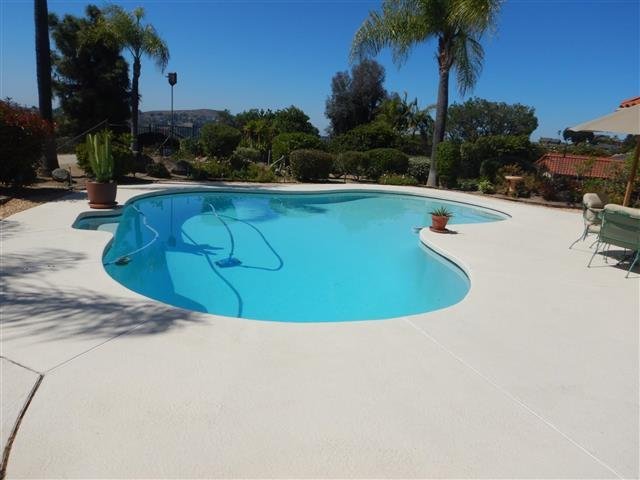
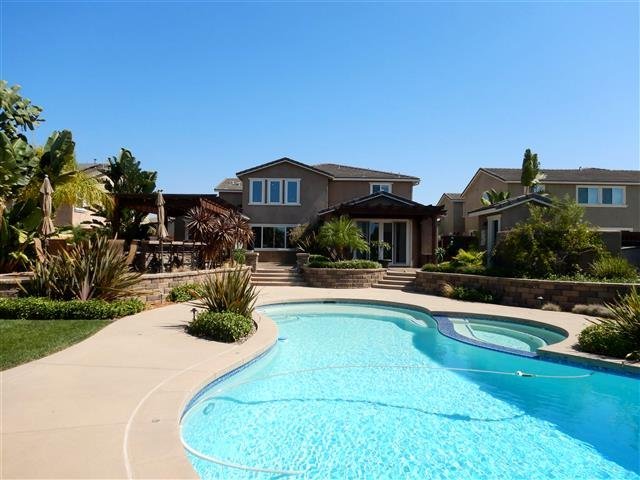
Pools, spas and equipment photographed during recent inspections.
More inspections in Ocean Beach
- Roof inspection in Ocean Beach
- Thermal imaging in Ocean Beach
- Foundation slab survey in Ocean Beach
- SB 721 balcony inspection in Ocean Beach
- Home inspection in Ocean Beach
Nearby and countywide
Were You Happy With Your Inspection?
We are proud of our 4.9-star rating across 100+ Google reviews. If Joseph and the team did right by you, a quick Google review helps other San Diego County buyers and sellers find us.