
Commercial Property Inspection in Ocean Beach, San Diego
Ocean Beach keeps a downtown that most coastal neighborhoods traded away decades ago. Newport Avenue still runs its antique consignment houses, the OB People's Organic Food Co-op, dive bars, taco counters, surf and skate shops, and the storefronts that feed foot traffic off the pier. Voltaire Street and Cable Street carry the everyday trade — corner markets, repair shops, small offices, and walk-up mixed-use with apartments stacked over the ground floor. Sprinkle in the income bungalows and converted cottages threading toward the Sunset Cliffs edge, and you have a commercial inventory mostly framed between the 1910s and the 1940s, reworked for a parade of tenants ever since. Sign for one of these buildings on a handshake read and you inherit every shortcut the prior owners postponed.
I'm Joseph Romeo, and I handle these commercial walkthroughs myself. You get a Property Condition Assessment in the spirit of the ASTM E2018 standard, sized to the actual structure — a Newport Avenue retail bay behaves nothing like a Voltaire Street mixed-use block or a pier-adjacent restaurant space. I walk the major systems, judge how much life each one has left, and put a photographed report in your hands before your due-diligence clock expires. Anyone — buyer, investor, landlord, or incoming tenant — staking capital on salt-worn beach-town stock deserves a read written for this corner and this craftsman vintage, not a recycled house form.
Call (619) 752-4399 Schedule an Inspection
What does an Ocean Beach commercial walkthrough cover?
Commercial buildings here carry heavier mechanicals and rent-paying occupants, so the assessment digs well beyond a single-family inspection. On a Newport Avenue antique or retail bay, a Voltaire corner market, or a pier-side restaurant, I record the reachable systems and grade where each one sits along its service life:
- Roof covering — the low-slope TPO, modified-bitumen, and built-up membranes capping the flat OB blocks, along with parapets, coping, scuppers, internal drains, and the standing water these roofs trap a stone's throw from the surf.
- Rooftop mechanicals — packaged RTUs and split equipment feeding shops, kitchens, and upstairs offices, logged for age, refrigerant, curb-and-flashing shape, and the exhaust hoods and make-up air a food tenant relies on.
- Electrical service — service capacity and condition, frequently three-phase where a bar, taqueria, or grocer pulls real kitchen and refrigeration load, plus the panels, subpanels, and the wiring layered in across years of remodels.
- Plumbing and water heating — supply, waste, and vent runs, commercial and tankless heaters, restroom groups, and the grease provisions OB's many eateries demand.
- Fire and life-safety — visible sprinkler heads and risers, alarm components, extinguishers, exit signage, and emergency lighting, all noted by observation, never certified.
- Envelope and structure — stucco and lap siding, storefront glazing, sealant joints, and visible framing or masonry on the aging wood-frame craftsman stock.
- Site, parking, and access — the cramped beach-block paving, striping, drainage, and a visual look at accessible parking, signage, and travel path.
Two scopes stay outside this work: a Phase I Environmental Site Assessment and any stamped engineering or structural certification. On an older OB parcel — or a former fuel, auto, or cleaning site — where one is warranted, I say so and bring in the proper licensed specialist.
How do the surf line and beach trade reshape the job?
Ocean Beach perches right where the San Diego River mouth meets the open Pacific at the foot of the Point Loma peninsula, and its commercial fabric works a high-turnover beach and counterculture economy. That setting hands me a short list of conditions that earn extra minutes on the walk:
- Punishing salt corrosion. This is OB's headline. A block off the water, RTU cabinets, condenser coils, bare conduit, flashing, fasteners, and storefront hardware rust out years sooner than identical gear a few miles east. Down the pier-facing and Abbott Street blocks I study coil rot, eaten curbs, and the edge fasteners gripping the membrane, because rooftop equipment usually rings up the single largest deferred number on a beach-town building.
- Knob-and-tube and galvanized leftovers. OB's oldest 1910s-to-1920s commercial cottages can still hide knob-and-tube wiring and galvanized supply piping buried under newer build-outs. I trace what's live, what's abandoned, and where a remodel tied modern load into wiring that was never meant to carry it.
- Peninsula marine layer. Fog rolls off the cliffs and lingers on the seaward elevations toward Sunset Cliffs Boulevard well past noon. I chase failed storefront sealant, split parapet caps, stucco cracking, and interior tide-lines where damp has crept behind an older facade.
- Eclectic re-tenanted stock. Newport and Voltaire are lined with craftsman buildings carved and re-carved for one operator after the next, leaving stacked roofing, mismatched panel brands, dead circuits, and life-safety gear spanning several code eras. Separating working systems from forgotten ones is genuine labor on these blocks.
What findings recur on Ocean Beach commercial buildings?
Walk enough Newport antique bays, Voltaire corner stores, and pier-side eateries and the defects start to rhyme. None is an automatic walk-away; these are line items to price before your contingency lapses:
- Salt-spent rooftop units — RTUs with corroded cabinets and failing coils nursed years past their rated life, where the honest move is to budget a swap rather than another service call. The signature defect this near the surf.
- Layered, ponding membranes — built-up and modified roofs holding water at clogged scuppers, seams lifting, and re-covers piled over material that should have been stripped on the flat OB blocks.
- Outdated wiring tie-ins — knob-and-tube remnants, ungrounded circuits, and a salad of panel makes left by serial build-outs, plus three-phase capacity that may not carry a new kitchen or grocer.
- Tired plumbing — galvanized and cast-iron waste lines, grease-fouled or undersized drains, and water heaters on borrowed time across the dense food tenancies along Newport.
- Life-safety gaps — lapsed extinguisher tags, sprinkler heads painted over or blocked, and exit and emergency lighting that drops out under test.
- Cramped-site access shortfalls — broken paving, faded van-accessible striping, and path-of-travel items that a change of use on a tight beach lot has to resolve.
I split the cosmetic beach wear from the consequential, so your reserve number reflects what genuinely drives cost on a coastal asset.
How does the inspection run and what report do you get?
It opens with a call to (619) 752-4399 or an email carrying the address, building type, and square footage. A lone Newport Avenue retail bay is a different day than a Voltaire mixed-use block or a multi-tenant building near the pier, so I scope each to fit and arrange roof access, tenant-bay entry, and any utilities-on needs in advance so nothing stalls once I'm on site. OB's tight blocks and short-supply parking take planning, and I sort that scheduling so the walk runs clean.
You, your lender, partner, or property manager are welcome to walk the building alongside me. Standing at a parapet while I point out a salt-chewed RTU curb, or at an opened wall where I show a remodel circuit feeding a kitchen, registers far better than a PDF, and it's the moment to sort genuine deal-breakers from reserve items.
The report arrives through HomeGauge with a photo on every finding and a summary that keeps safety and code-observation items apart from routine upkeep. I turn it around same day or next day in most cases, organized system by system so your team can drop cost items straight into a diligence package or hand a single trade to a roofer, electrician, or plumber. I report observed condition only and never bid or perform the repairs I flag, so nothing in the report carries a conflict.
Why do Ocean Beach investors and landlords call me?
A commercial assessment is worth what the inspector grasps about how a building was assembled and altered. I'm an InterNACHI Certified Professional Inspector (CPI) and I hold a California CSLB General Contractor license (#1113143). On OB's salt-aged, endlessly re-tenanted craftsman stock, that contracting background is the edge: I've replaced the membrane roofs, rooftop units, three-phase services, and corroded coastal hardware I'm now evaluating, so I can tell you straight whether a finding is a quick tenant fix or a six-figure capital item.
- 20-plus years and more than 10,000 inspections across San Diego County, including Ocean Beach's Newport Avenue antique and retail row, the Voltaire and Cable Street corridors, and the mixed-use blocks running toward the pier.
- 4.9 stars across 106 Google reviews from buyers, investors, agents, and landlords.
- Independent and conflict-free — I assess condition and never bid the repairs, so the report works for your decision and nobody else's.
Investors and landlords keep coming back because the reports hold up in a price negotiation without torpedoing the deal. Reach me at joe@sandiegohomeinspection.com.
Which related inspections suit Ocean Beach commercial deals?
A property condition assessment covers the building shell and systems. Depending on the deal, a focused add-on or a coordinated specialist often pays for itself on a coastal parcel, and I can stage these around the same visit:
- Roof inspection — the one I lean on hardest here. A deeper look at membrane condition, rooftop equipment loads, and the salt-stressed flashing that quits before the field of the roof does, since the roof eats the brunt of the marine air.
- Sewer scope — a camera run down the lateral, well worth it on the older Newport and Voltaire buildings with original clay or cast-iron lines and years of food-tenant grease.
- Thermal and infrared imaging — for concealed roof moisture, envelope leaks the marine layer pushes behind stucco, and overheating three-phase connections.
- Multi-unit residential inspection — for the small apartment and bungalow-court buildings dotting OB's blocks that trade as investments.
- Phase I Environmental Site Assessment — a separate scope I coordinate on parcels with a former fuel, auto-service, or dry-cleaning past.
- Structural or engineering review — when a foundation crack or settlement question on an old cottage parcel needs an engineer, I refer one.
Unsure which apply to your address? Send it over and I'll tell you what's worth doing.
Ocean Beach Commercial Property Inspection FAQs
What does a commercial property inspection cost in Ocean Beach?
How seriously should salt corrosion weigh on an OB deal?
Is this the same as a Phase I Environmental Site Assessment?
Can you inspect a tenant-occupied shop or restaurant on Newport Avenue?
Do you check fire-sprinkler and ADA compliance?
Do old OB buildings still have knob-and-tube or galvanized piping?
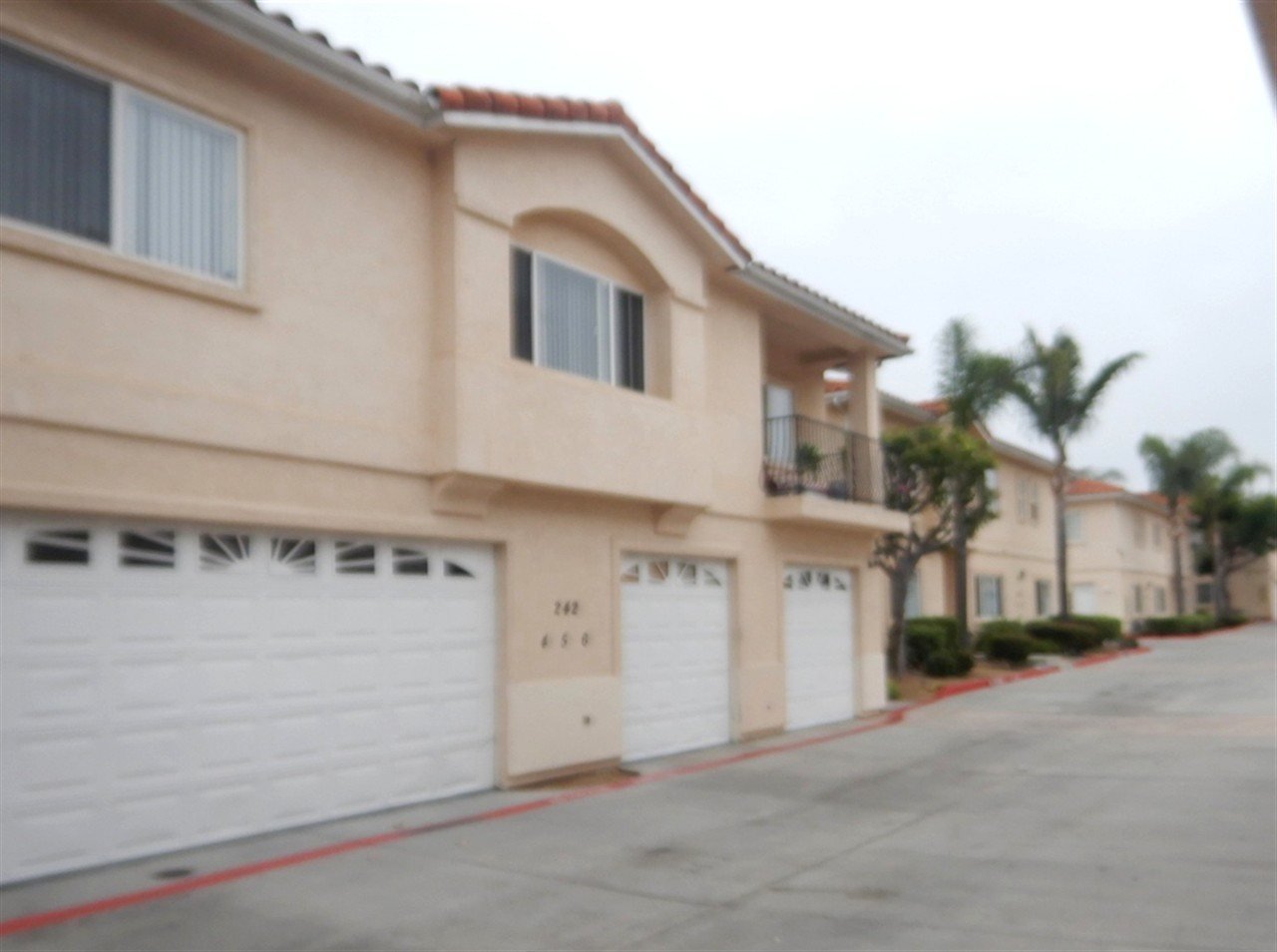
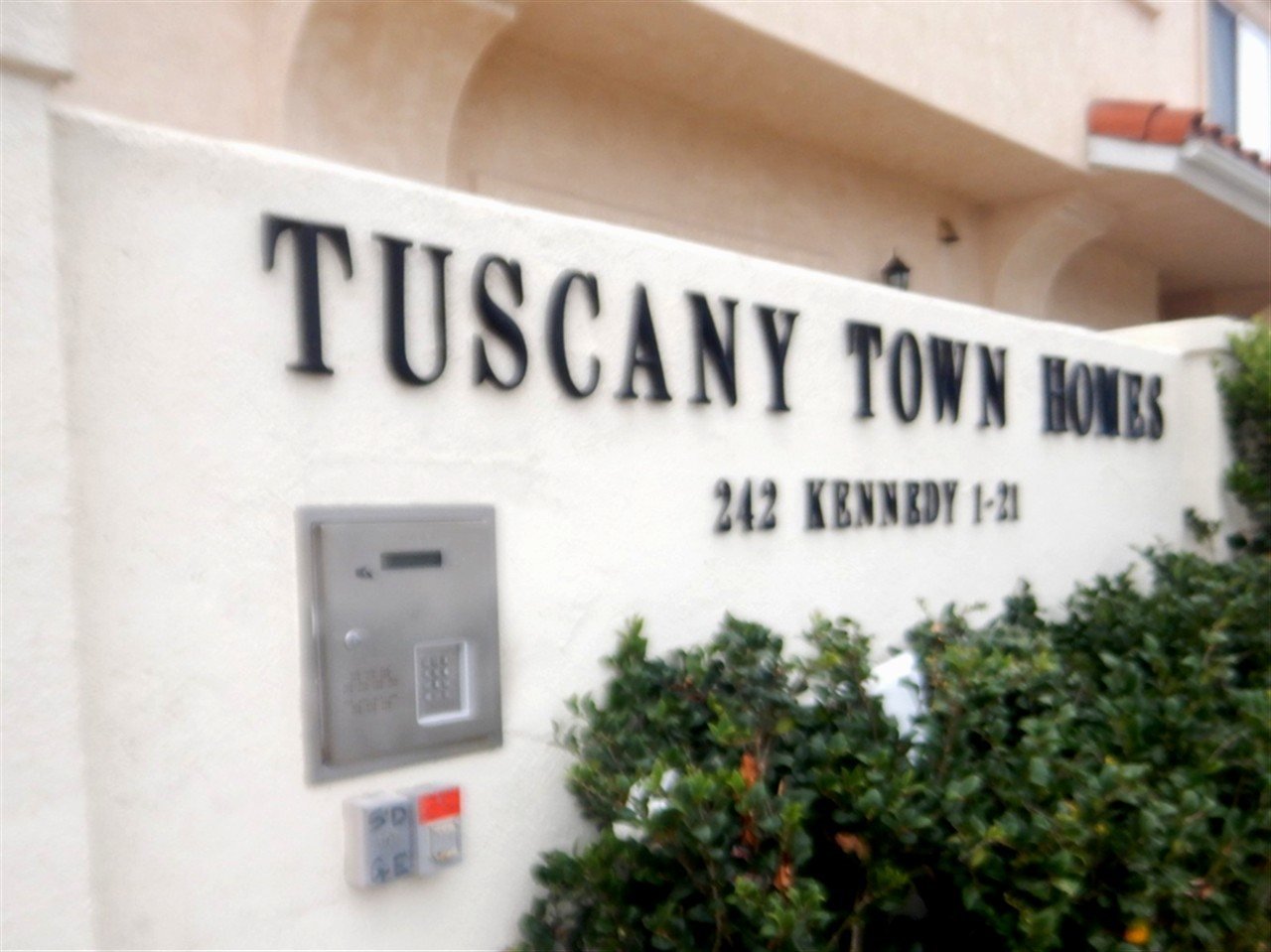
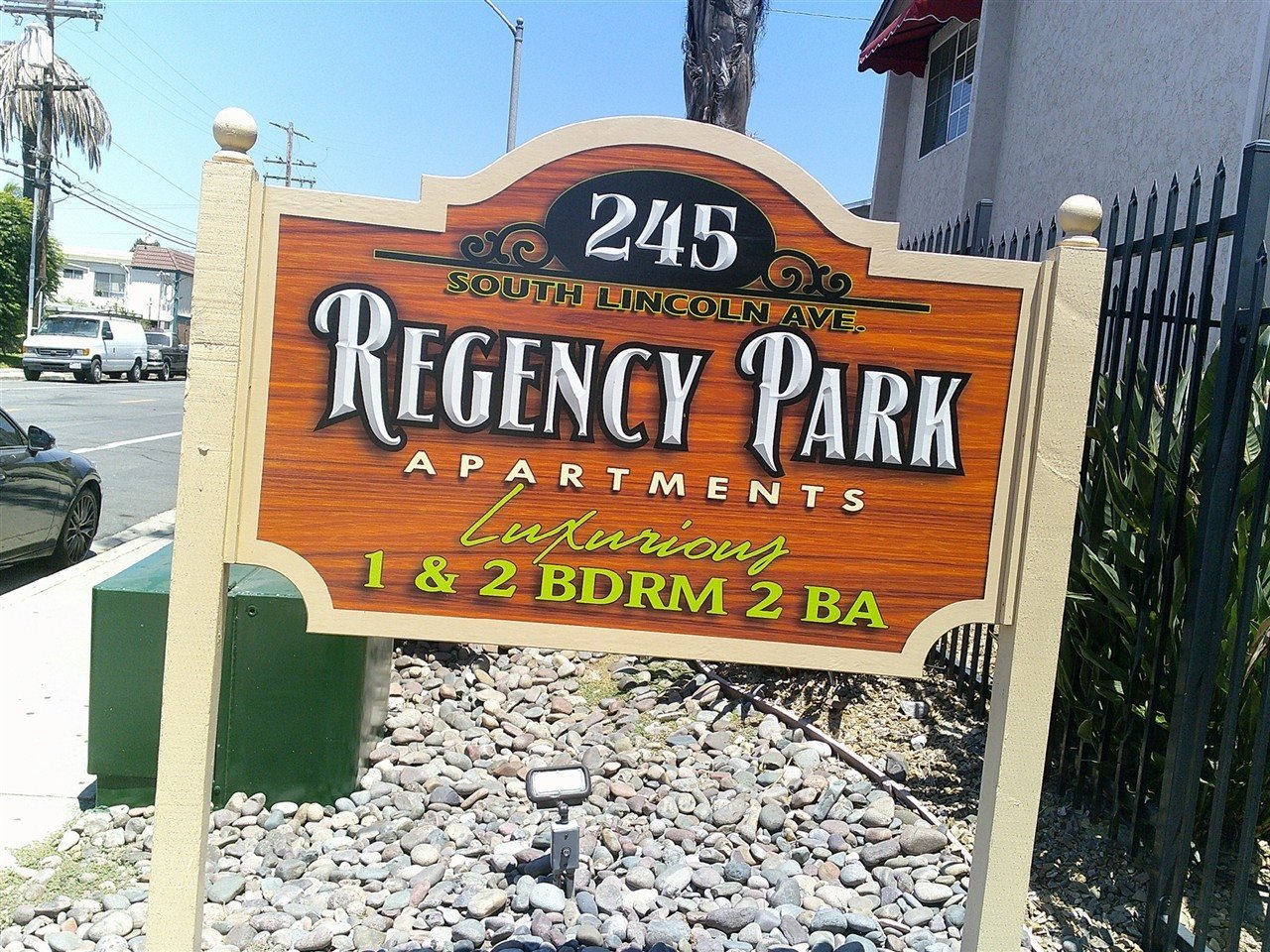
Multi-unit experience
Commercial and multi-unit properties we have inspected across San Diego County.
More inspections in Ocean Beach
- Roof inspection in Ocean Beach
- Thermal imaging in Ocean Beach
- Foundation slab survey in Ocean Beach
- SB 721 balcony inspection in Ocean Beach
- Home inspection in Ocean Beach
Nearby and countywide
Were You Happy With Your Inspection?
We are proud of our 4.9-star rating across 100+ Google reviews. If Joseph and the team did right by you, a quick Google review helps other San Diego County buyers and sellers find us.