
Commercial Property Inspection in Point Loma, CA
Point Loma's commercial inventory reads like the peninsula itself — stretched along the water and shaped by it. You have the marine-trade buildings on Scott Street and Shelter Island Drive feeding the sportfishing fleet and the boatyards, the harbor-view offices out on Harbor Island, the converted Navy-era buildings now leased as retail and office space at Liberty Station, the storefront and restaurant blocks through the village near Rosecrans, and the older income and mixed-use buildings climbing toward Sunset Cliffs. Most of it went up between the 1920s and the 1950s, re-tenanted and re-roofed several times since, on a finger of land the bay works on one side and the open Pacific the other. Take title to a building like that without a clear read on its systems and you absorb whatever the last owner deferred.
A peninsula commercial inspection is its own discipline, not a supersized house call. We run a Property Condition Assessment-style walkthrough patterned on the ASTM E2018 framework, scaled to the structure and how you mean to use it, documenting the major systems so your condition and budget picture is set before the due-diligence window closes — a straight read on how this Point Loma asset has held up against bay-and-ocean salt air and decades of hard commercial use.
Call (619) 752-4399 Schedule an Inspection
What does the walkthrough document on a Point Loma commercial building?
We weight the assessment by asset class — a Scott Street marine-trade building, a Liberty Station office suite, and a Rosecrans storefront each pull our attention in different directions. The visible, reachable systems we record break down this way:
- Roof coverings. Flat-roofed village and corridor buildings run low-slope membranes — TPO, modified-bitumen, and tired built-up — so we work the parapets, coping caps, scupper outlets, and the penetrations where peninsula leaks begin.
- Rooftop and packaged HVAC. Retail, restaurant, and office spaces typically run packaged RTUs or splits; we log each unit's age, operating condition, condensate, and curb flashing.
- Electrical service. We trace the service entrance, the metering on multi-tenant gear, and the panels and feeders — often a 3-phase service where marine shops, kitchens, and machine work pull the load.
- Plumbing and water heating. Supply, waste and drainage, commercial and tankless heaters, restrooms, and any grease provisions a food tenant needs.
- Fire and life-safety. Extinguishers, alarm devices, egress and emergency lighting, and whatever sprinkler heads and risers are visible — recorded by observation, not certified.
- Envelope and structure. On the peninsula's older wood-frame and masonry stock we read the stucco, glazing, sealant joints, and any structural movement that shows.
- Site, parking, and access. Lots, paving, drainage, and accessibility provisions get a visual read against the layout the use calls for.
It's a visual, reachable-condition report throughout. Where a roof can't be safely walked or a room stays locked, we say so in writing rather than imply we saw what we didn't.
How does a peninsula between bay and ocean wear on a commercial building?
The setting that gives Point Loma its value is rough on the structures. Here's where the extra hours go:
- Two-sided salt exposure. Wedged between San Diego Bay and the open ocean, buildings here take salt from both directions, and the waterfront marine-trade and Harbor Island stock gets it worst. RTU cabinets, condenser coils, fasteners, flashing, and bare conduit pit and rust through faster than a few miles inland, so we scrutinize coil rot, corroded curbs, and the edge fasteners pinning the membrane down.
- Marine layer working the envelope. Fog sits on the seaward elevations toward Sunset Cliffs well into the day. We hunt failing storefront sealant, cracked parapet caps, stucco fractures, and interior tide-lines where moisture has slipped behind an older building's cladding.
- Marine-trade and industrial wear. The boatyards, chandleries, and fish-handling buildings along Scott Street run washdown, hoists, and heavy electrical that age plumbing, slabs, and panels well ahead of a quiet office.
- 1920s–1950s much-altered stock. Village and corridor buildings go back generations and have been reworked for one tenant after another, leaving dead circuits, capped plumbing, and roofing stacked layer on layer. Telling live from abandoned is real work here.
- Hillside lots and drainage. Parcels climbing toward the lighthouse step down a grade, so we follow how scuppers, leaders, and grade carry runoff away before it finds the slab.
What do we keep finding on Point Loma commercial properties?
Walk enough peninsula buildings — waterfront, village, and corridor — and a familiar set of issues keeps surfacing. Few are deal-killers; most are line items to value and bargain over before your contingency lapses:
- Salt-spent rooftop units. RTUs with eaten-through cabinets and failing coils limping along years past useful life, where the honest call is to pencil a swap rather than a service ticket — worse on the bay- and ocean-facing roofs.
- Water-holding membranes. Built-up and modified-bitumen roofs ponding at plugged scuppers, seams blistering open, and re-covers stacked over material that should have been torn off.
- Patchwork electrical. A grab-bag of panel makes, double-tapped breakers, and live-or-dead circuits left by past tenants, plus 3-phase capacity that may not carry a new marine shop or kitchen.
- Hard-used plumbing. Old galvanized and cast-iron waste lines, drains undersized or grease-choked, and washdown and water heaters on borrowed time in the marine-trade buildings.
- Life-safety lapses. Expired extinguisher tags, sprinkler heads painted shut or blocked, and exit and emergency lighting that won't hold on a test.
- Site and access wear. Trip-prone paving, faded striping, and accessible-stall, signage, and path-of-travel items out of date.
How do we run the assessment and what does your report give you?
We size the job before we arrive — floor area, the count of tenant spaces, the roof system, and your role in the deal set our hours on site. On a multi-tenant Liberty Station building or a Scott Street marine property, that means lining up roof, mechanical-room, and panel access through the broker, manager, or tenants, then walking a fair cross-section of the spaces. Bring your broker and your lender and walk it with us — a few minutes at a corroded curb unit or a maxed-out panel teaches more than any line on the page.
What lands in your inbox is a photo-rich HomeGauge report built on the ASTM E2018 PCA framework, organized one system at a time, with the significant findings and likely near-term repairs in an opening summary you and your lender can act on. Turnaround is same or next day, so a short due-diligence clock never waits on us. We document condition only — we don't bid or perform the work we identify, which keeps the report free of conflict. Two items sit outside our scope: a Phase I Environmental Site Assessment and any stamped engineering or structural certification are separate specialties, common on older peninsula and former-Navy parcels, and when yours calls for one we coordinate or refer the proper licensed pro.
Why do Point Loma investors and brokers call Joseph Romeo?
Commercial diligence rewards an inspector who understands how buildings get built and reworked, not one filling blanks on a form. Joseph Romeo leads every assessment — an InterNACHI Certified Professional Inspector (CPI) who also holds a California CSLB General Contractor license (#1113143). On Point Loma's old, repeatedly remodeled and re-tenanted stock that license earns its keep: he reads how a build-out was framed and wired, spots where a past tenant cut a corner, and gauges what a re-roof or a heavier 3-phase service on a waterfront parcel actually involves.
- 20-plus years and 10,000-plus inspections across the county's coastal, harbor, and hillside building stock.
- 4.9 stars from 106 Google reviews left by buyers, sellers, investors, landlords, and agents.
- Plain answers for the person making the call — the read we'd want if our own money were on the line, with no fear-selling and no add-on pitch.
- Real working knowledge of Point Loma, from the Scott Street and Shelter Island marine trades to the Liberty Station conversions and the Rosecrans village blocks.
Which related inspections suit Point Loma commercial buyers?
Depending on the building, peninsula investors often add one or two of these to the main assessment, usually on the same visit:
- Roof and membrane inspection — a close read of the low-slope covering, ponding, and the corroded flashing that gives out before the field of the roof does.
- Sewer scope — a camera run down the building lateral, worth it on older village properties with original clay piping and mature street trees overhead.
- Thermal and infrared imaging — surfaces concealed moisture in roofs and walls, which pays off in a fog-bound coastal corridor.
- Multi-unit residential inspection — a unit-and-common-area review for investors picking up a small Point Loma apartment building.
- Specialist coordination — a Phase I ESA, an engineering or structural certification, or a pest report routed to the right provider.
On peninsula deals we push the roof look and the thermal scan hardest — between two-sided salt air chewing the equipment and the marine layer hiding wet spots, that's where the money leaks. We match add-ons to your building.
Point Loma Commercial Property Inspection FAQs
What does a commercial property inspection in Point Loma include?
Do you inspect marine-trade, retail, office, and Liberty Station buildings?
Why does Point Loma's peninsula setting matter for a commercial building?
Is a Phase I Environmental Site Assessment included?
Can you inspect a tenant-occupied building on Rosecrans or Scott Street?
What does a Point Loma commercial inspection run?
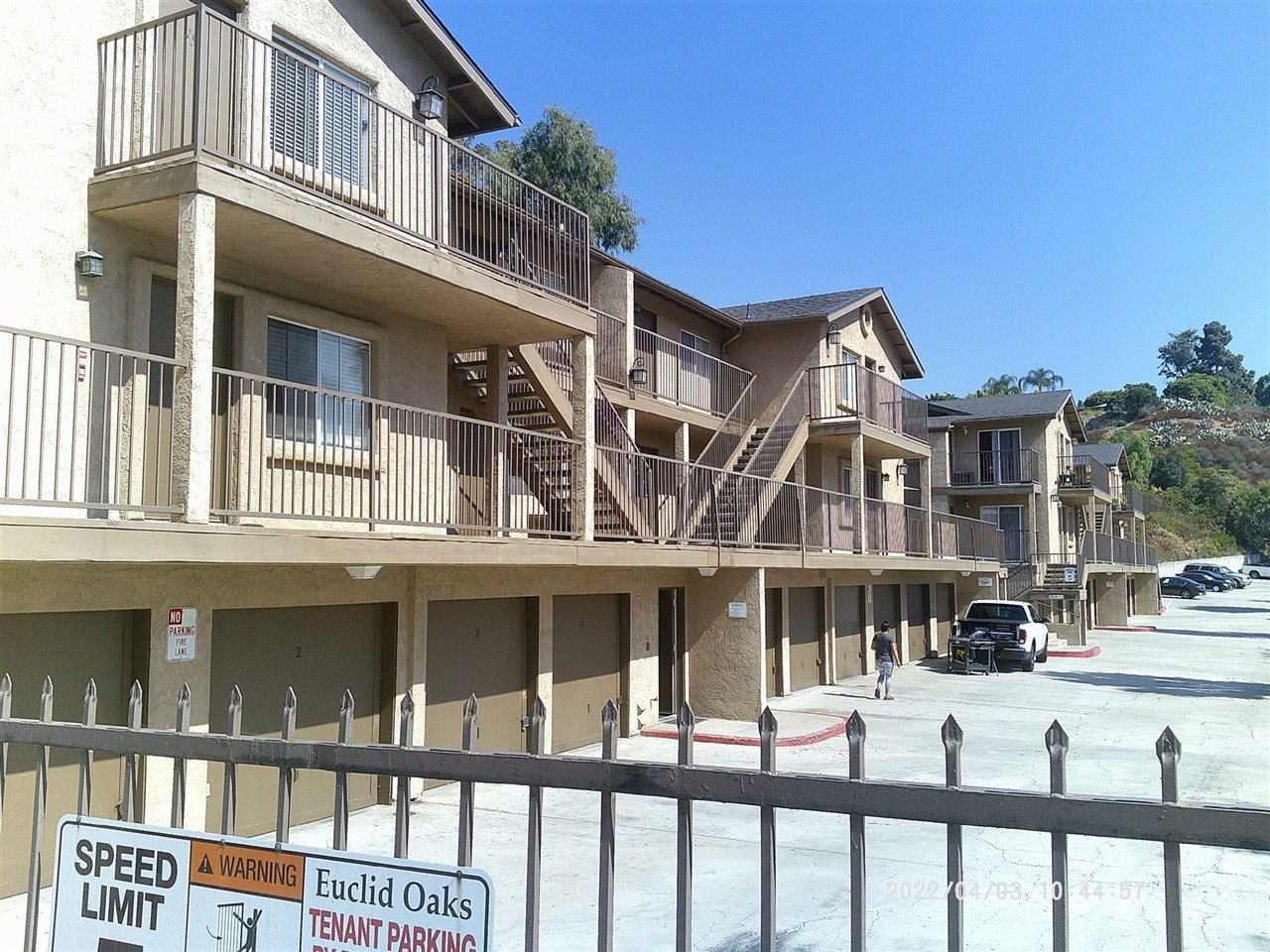
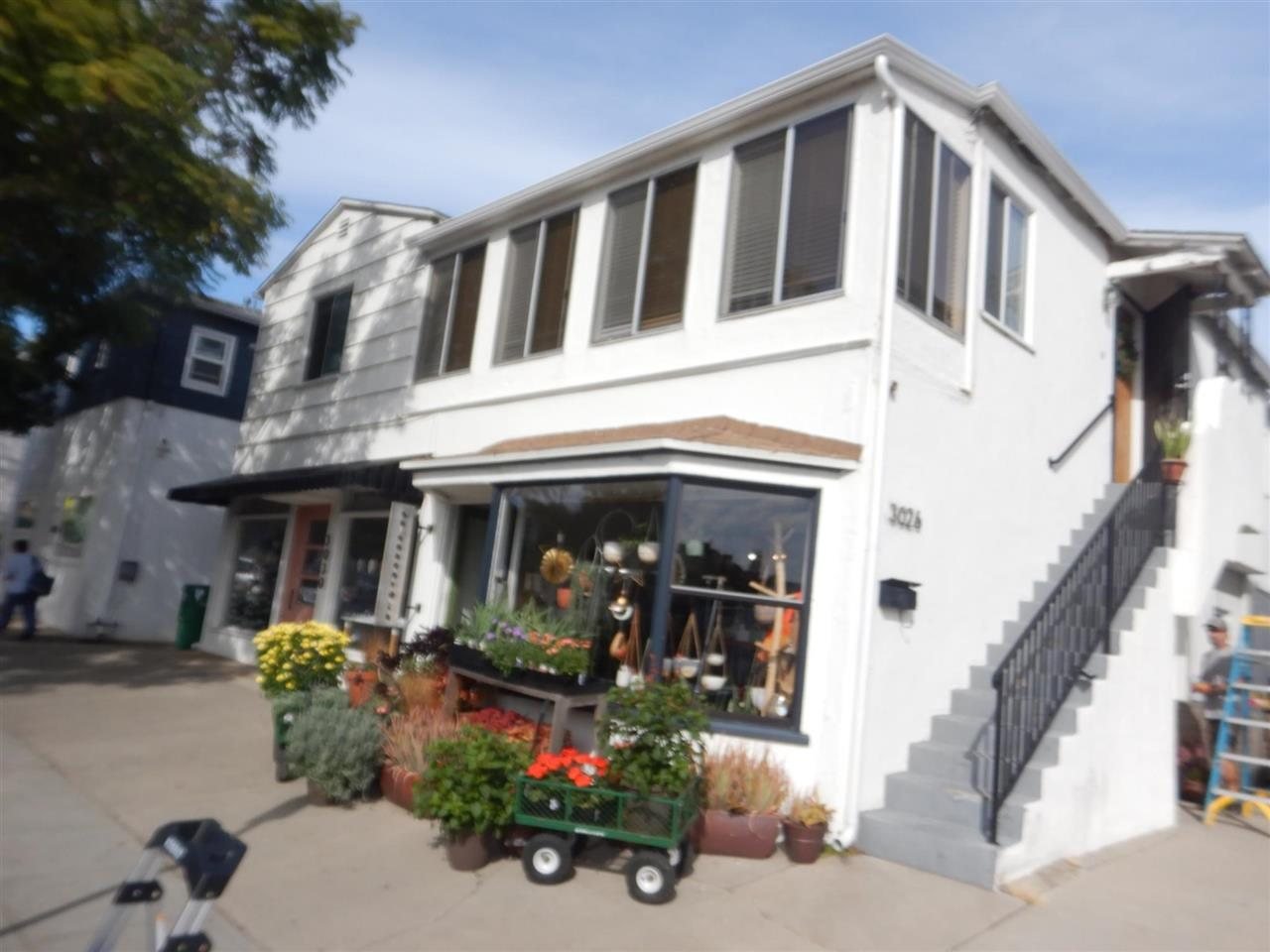
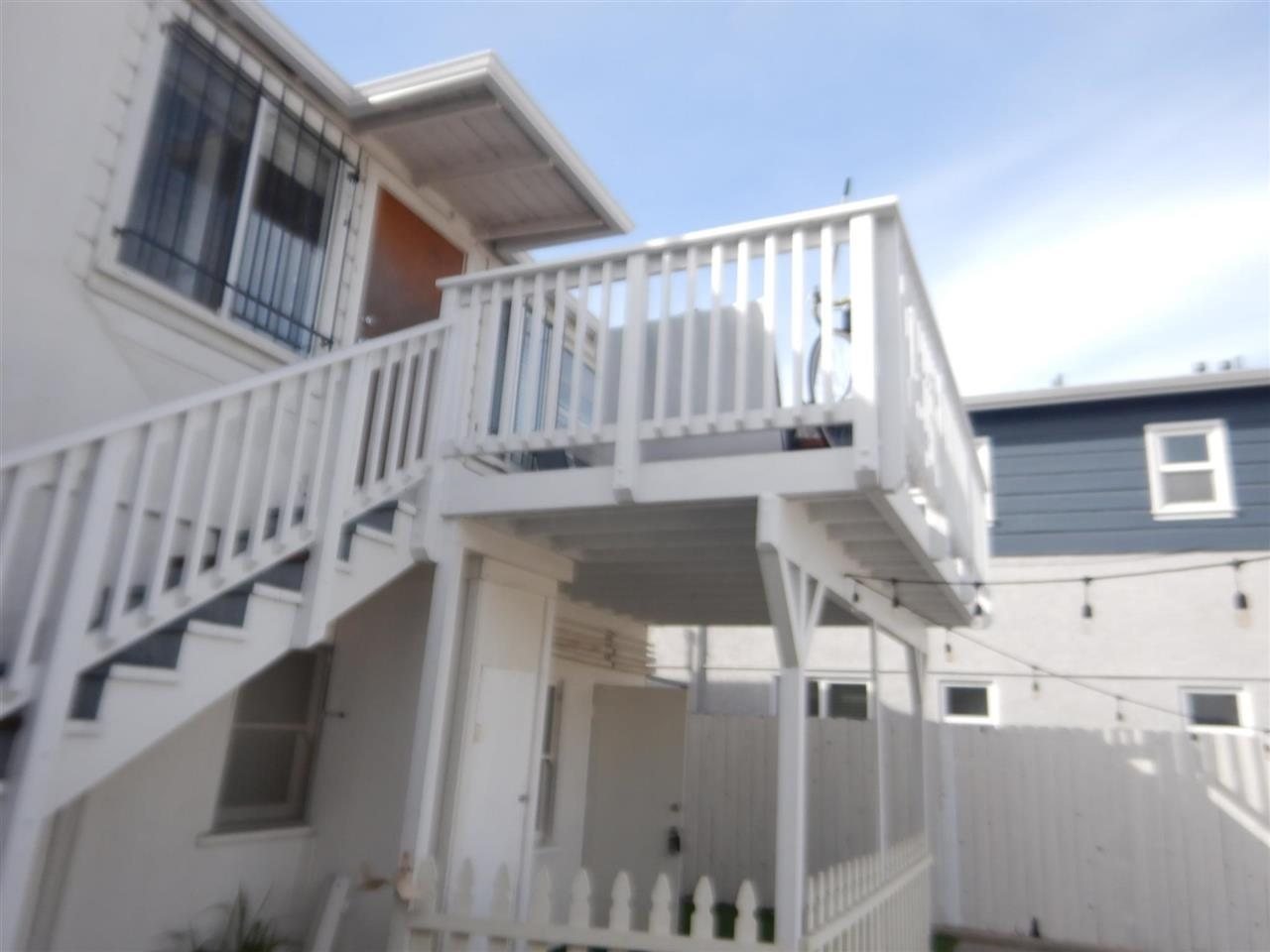
Multi-unit experience
Commercial and multi-unit properties we have inspected across San Diego County.
More inspections in Point Loma
- Roof inspection in Point Loma
- Thermal imaging in Point Loma
- Foundation slab survey in Point Loma
- SB 721 balcony inspection in Point Loma
- Home inspection in Point Loma
Nearby and countywide
Were You Happy With Your Inspection?
We are proud of our 4.9-star rating across 100+ Google reviews. If Joseph and the team did right by you, a quick Google review helps other San Diego County buyers and sellers find us.