
Roof Inspection in Point Loma, CA
Point Loma is a narrow peninsula, so the roof on almost any home here is taking weather from two directions at once — the bay side off San Diego Bay and the open-ocean side above Sunset Cliffs — with very little terrain in between to break the wind or the salt. Stack that on a housing stock built largely between the 1920s and the 1950s, and you get roofs that have already lived through several covering cycles, sit on hillside lots, and hide their worst problems behind a parapet or up a slope you can't see from the street. A roof inspection is a deliberate, system-by-system read of all of that, ordered before you buy in Roseville or La Playa, before you list a Loma Portal Craftsman, or after a ceiling stain shows up that nobody can explain.
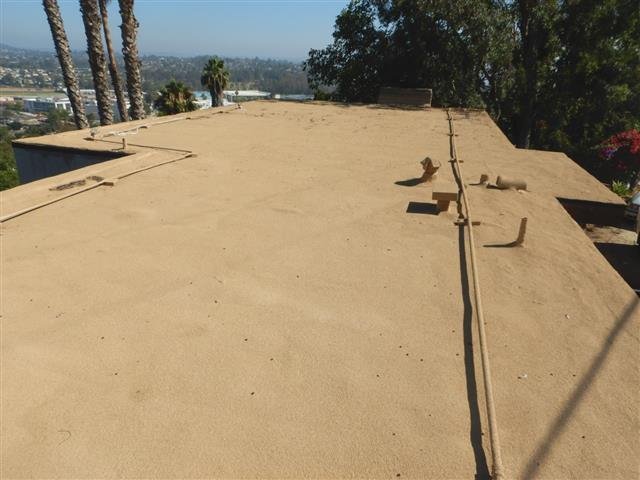
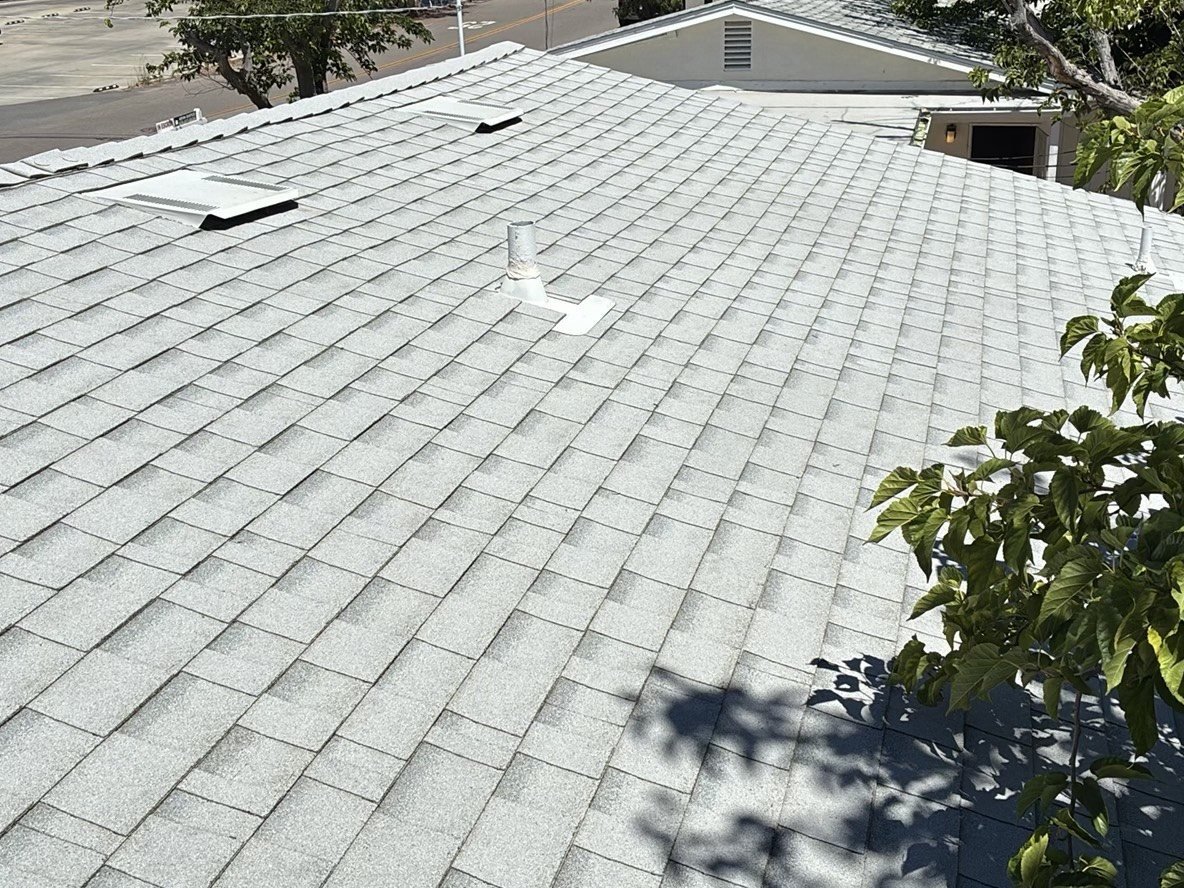
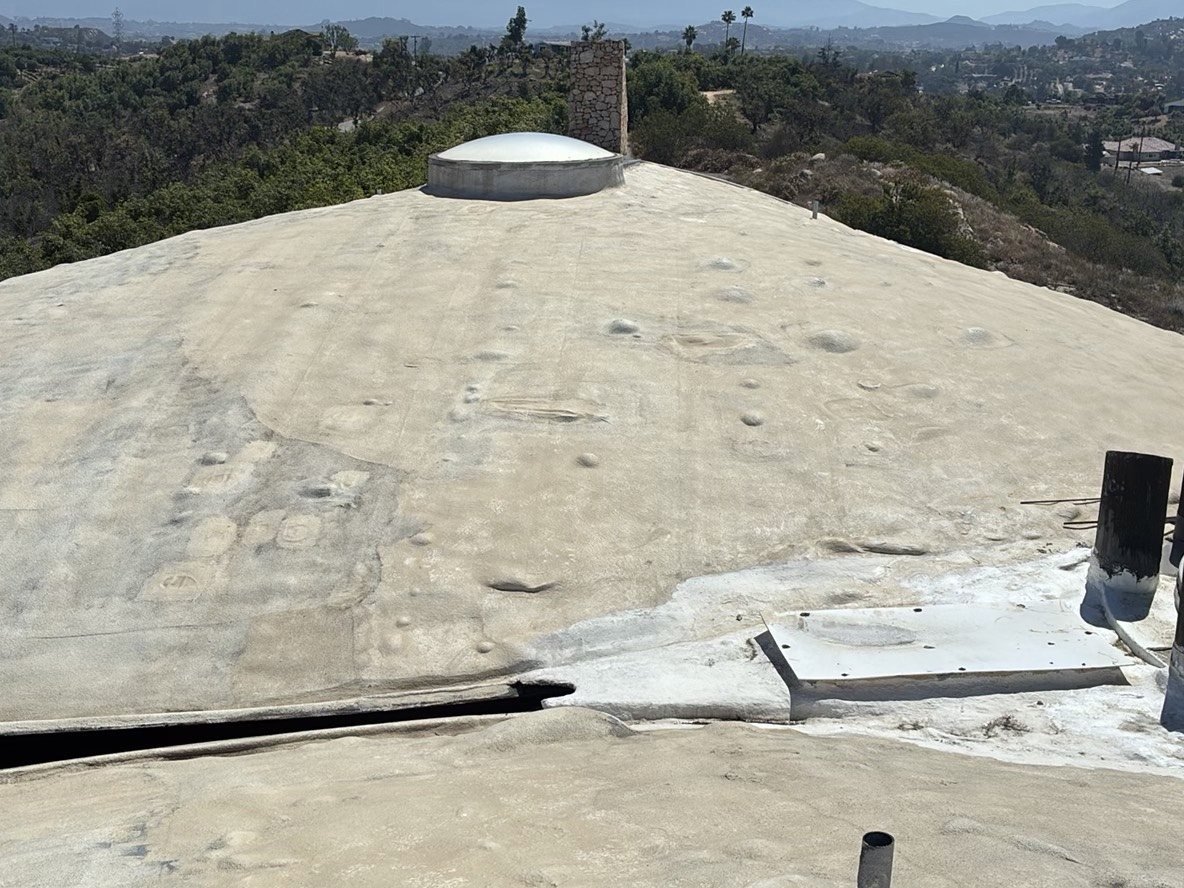
We assess the covering — asphalt shingle, concrete or clay tile, or the flat foam (SPF) and modified-bitumen decks common on the peninsula's mid-century and airport-adjacent bungalows — plus the flashing, valleys, penetrations, vents, skylights, gutters, and drainage that actually decide whether water stays out. Where the attic is reachable, we read the underside for moisture, staining, and ventilation. You get our honest call on condition and remaining-life indicators, documented with photos. We don't certify roofs and we don't repair them — when the roof needs work or a formal certification, we point you to a licensed roofer with our notes already in hand.
Call (619) 752-4399 Schedule an Inspection
What does our Point Loma roof inspection cover?
This is a condition assessment of the whole roofing assembly, not a look from the sidewalk on Rosecrans. On a peninsula home we examine and photograph, wherever it can be safely reached:
- The covering material — asphalt composition shingle, concrete or clay tile, or flat foam and modified-bitumen membranes. We note the type, apparent age, and how much serviceable life the surface looks to have left.
- Flashing and the transitions — metal at sidewalls, chimneys, valleys, and roof-to-wall joints, where peninsula salt and tired sealant let water through long before the open field of the roof fails.
- Everything that pokes through — plumbing vents, HVAC curbs, solar mounts, and skylights, each a deliberate hole that lives or dies by its boot and flashing.
- Gutters and the drainage path — how water is meant to get off the roof and away from the foundation, which matters more here given the peninsula's slopes and high water table.
- Valleys and low-slope sections — where runoff concentrates, lingers, and hunts for the smallest opening.
- Attic and underside, where accessible — staining, active moisture, daylight at the deck, and ventilation, which on a damp peninsula decides whether a roof sheds moisture or quietly rots from beneath.
We report only what we can safely access and observe. On a steep tile roof, a soft foam deck, or a brittle older covering we can't walk without causing damage, we work from ladders, the eaves, binoculars, and the attic — and we tell you plainly what was viewable and what wasn't, instead of implying we walked a roof we never stepped onto.
Which Point Loma conditions drive roof wear?
The peninsula is a genuinely tough place to keep a roof, and the reasons are specific to where Point Loma sits and when its homes were built:
- Salt from both shorelines. A narrow peninsula gets marine air off the bay and the ocean at once. That salt rusts flashing, drip edge, vent collars, and fasteners years before the shingle, tile, or foam above them wears out — so the covering can read as serviceable while the metal keeping it watertight is corroding through at the seams.
- Wind and raw UV off the cliffs. The Sunset Cliffs and Ocean Beach edge of the peninsula catches onshore wind that lifts shingle tabs and drives rain up under flashing, plus unfiltered coastal UV that chalks and cracks the coating on flat foam decks.
- Roofs on 1920s-50s homes. Much of Roseville, La Playa, Loma Portal, and the Wooded Area was built early-to-mid century. Those Spanish, Craftsman, and mid-century roofs carry complex pitches, dormers, and layered repairs, often near or past service life and sometimes re-roofed over an older covering that hides what's underneath.
- Slopes and a high water table. Hillside lots above the bay shed water fast toward foundations that already sit close to groundwater, so gutters, downspouts, and the drainage plan carry real weight here — a roof that drains poorly compounds a wet-soil problem the peninsula already has.
- Mature canopy in the Wooded Area. The big established trees that give parts of Point Loma their name also drop debris into valleys and gutters and hold north-facing slopes damp, feeding moss, algae, and slow rot where the roof never fully dries.
- Tile that outlasts its underlayment. Concrete and clay tile on the larger Spanish-style homes lasts decades — but the waterproof underlayment beneath it doesn't, so a roof that looks permanent may be leaking under intact-looking tile.
What do we commonly find on Point Loma roofs?
Inspect enough roofs from La Playa up to the Wooded Area and back toward Roseville and the same defects keep surfacing. Most aren't reasons to walk — they're items to understand, price with a roofer, and weigh before you close:
- Corroded, lifting flashing. Rusted, loose, or poorly sealed metal at sidewalls, chimneys, valleys, and skylights — the most frequent finding on a peninsula hit by salt from both sides.
- Spent underlayment under sound tile. Intact concrete or clay tile sitting over felt that's brittle and past its life, meaning the real fix is an underlayment replacement, not new tile.
- Worn flat-foam coating. Chalked, cracked, blistered, or ponding SPF and modified-bitumen decks on mid-century and airport-side bungalows where the protective coat has worn through and water now sits.
- Wind-lifted, aging shingle. Granule loss, curling, and tabs raised by onshore wind on asphalt shingle, with moss and algae on the shaded, tree-held north slopes that never dry.
- Debris-clogged drainage. Valleys and gutters packed with canopy debris, undersized or blocked downspouts, and runoff dumped at the foundation on hillside lots where the water table is already high.
- Layered and patched older roofs. Re-roofed-over coverings, aged dormer and valley flashing, and prior patch repairs on the 1920s-50s homes that mask the roof's true age.
When we find a leak indicator, we trace it as far as safe access allows — from the attic stain back toward the corroded flashing or failed penetration above it — so a roofer starts with a location instead of a guess.
How does the inspection run and what does your report show?
We start from the ground and the eaves, then get onto the roof itself whenever the pitch, covering, and safety allow — a walkable shingle or low-slope deck earns a hands-on, close look. On a steep tile roof, a brittle older covering, or a soft foam deck where walking would crack tile or puncture the membrane, we inspect from ladders, the perimeter, the attic, and binoculars, because protecting the roof we're evaluating matters more than a photo angle. Where the attic is reachable, we go inside to read the underside for moisture, staining, and ventilation. You're welcome to have us walk you through the findings, and on a major system like a roof we encourage it.
Your deliverable is a photo-documented HomeGauge report that names the covering, calls out each defect with its location, and gives our read on condition and remaining-life indicators — the difference between re-flashing one chimney and a covering that's near the end of its run. We turn findings around same day or next day, so your inspection contingency never stalls waiting on us.
One boundary we're upfront about: we report observed condition, we don't certify or repair. We don't issue roof certifications, run leak pressure-tests, seal flashing, or re-coat foam, and we never bid the work we find — so nothing in the report carries a conflict of interest. When the roof needs repair, an underlayment replacement, or a formal certification a buyer or lender wants, we point you to a licensed roofer and hand over our photos and notes to give them a running start.
Why do Point Loma buyers and owners call Joseph Romeo?
Reading a peninsula roof well is part knowing the material and part knowing what the repair actually involves. Your inspection is led by Joseph Romeo, an InterNACHI Certified Professional Inspector (CPI) who also holds a California CSLB General Contractor license (#1113143). That building background matters on a Point Loma roof — he can tell you whether what's on the surface means re-flashing a single dormer or re-roofing a whole 1920s home, so you head into negotiation knowing the difference.
- 20+ years and more than 10,000 inspections across San Diego County's coastal and hillside neighborhoods.
- 4.9 stars across 106 Google reviews from buyers, sellers, and agents who wanted a straight answer on a roof.
- Straight talk — we tell you what we'd want to know if we were buying the home ourselves, with no scare tactics and no push toward repairs we don't perform.
- Real familiarity with Point Loma's roofing mix, from clay and concrete tile on the Spanish-style homes to flat foam decks on the mid-century bungalows and aging shingle in Loma Portal and the Wooded Area.
We are InterNACHI CPI and CSLB-licensed — we are not ASHI or CREIA members, and we don't post flat prices, since roof scope shifts with size, pitch, and covering. Findings arrive in a clear, photo-documented HomeGauge report you, your agent, and your roofer can read without translation.
Which related inspections suit Point Loma buyers?
A roof inspection is usually one piece of a larger look at a peninsula property. Point Loma buyers commonly pair it with:
- Full home inspection — the house, roof, electrical, plumbing, and structure together, the foundation of any Point Loma purchase and the visit we most often assess the roof within.
- Thermal/infrared imaging — reads hidden moisture behind ceilings and walls, a real payoff on a damp peninsula where a slow roof leak can wet framing long before it stains.
- Sewer scope inspection — a camera down the buried lateral on the older Roseville and La Playa homes with mature trees, another out-of-sight system worth seeing before you buy.
- 4-point inspection — the insurer-focused report on roof, electrical, plumbing, and HVAC, common on the older peninsula homes at renewal.
- Specialist coordination — for an actual roof certification, a repair, or a structural or termite/WDO report, we refer the right licensed professional rather than stretch past our scope.
The pairing we recommend most often is the roof inspection alongside a full home inspection, for one coordinated read on the whole property in a single visit. We suggest what fits your purchase rather than pushing a package.
Point Loma Roof Inspection FAQs
Why does Point Loma's peninsula location matter for a roof?
Do you walk the roof, or inspect it from the ground?
My Point Loma home was built in the 1930s. Does that change the inspection?
Why inspect a Point Loma tile roof that looks perfect?
Does the high water table affect what you check on the roof?
Will you certify the roof or repair what you find?
Roofs we document
Aerial and on-roof photos from recent San Diego County roof inspections.
More inspections in Point Loma
- SB 326 balcony inspection in Point Loma
- SB 721 exemption letter in Point Loma
- Seller inspection in Point Loma
- Warranty inspection in Point Loma
- Home inspection in Point Loma
Nearby and countywide
Were You Happy With Your Inspection?
We are proud of our 4.9-star rating across 100+ Google reviews. If Joseph and the team did right by you, a quick Google review helps other San Diego County buyers and sellers find us.