
4-Point Inspection in Point Loma, CA
A 4-point inspection request on a Point Loma home is, nine times out of ten, a question about age rather than upkeep. Insurers won't write or renew a policy on a decades-old house without a current snapshot of the four systems that generate the costliest claims — roof, electrical, plumbing, and heating-and-cooling. Point Loma is dense with houses old enough to draw that request: the Spanish and Craftsman homes climbing the streets of Roseville and La Playa, the 1920s and '30s builds in the Wooded Area, the postwar tract houses on the flats toward Midway, and the bluff-top homes strung along Sunset Cliffs.
This report is deliberately narrow — it is not a full home inspection, and we won't sell it as one. A 4-point sets down the age, the material, and the working condition of those four systems and surfaces the exact items an underwriter won't insure around: obsolete electrical panels, dated branch wiring, supply pipe at the end of its run, and roof covering with little life left. We hand you a clean, factual account your agent and carrier can act on without translation, and we point you to a licensed trade when the next step is a repair rather than a report.
Call (619) 752-4399 Schedule an Inspection
What does a Point Loma 4-point cover, system by system?
A 4-point stops at four systems on purpose, but it reads each one to the depth an underwriter actually weighs. On a Point Loma property we set down, for each:
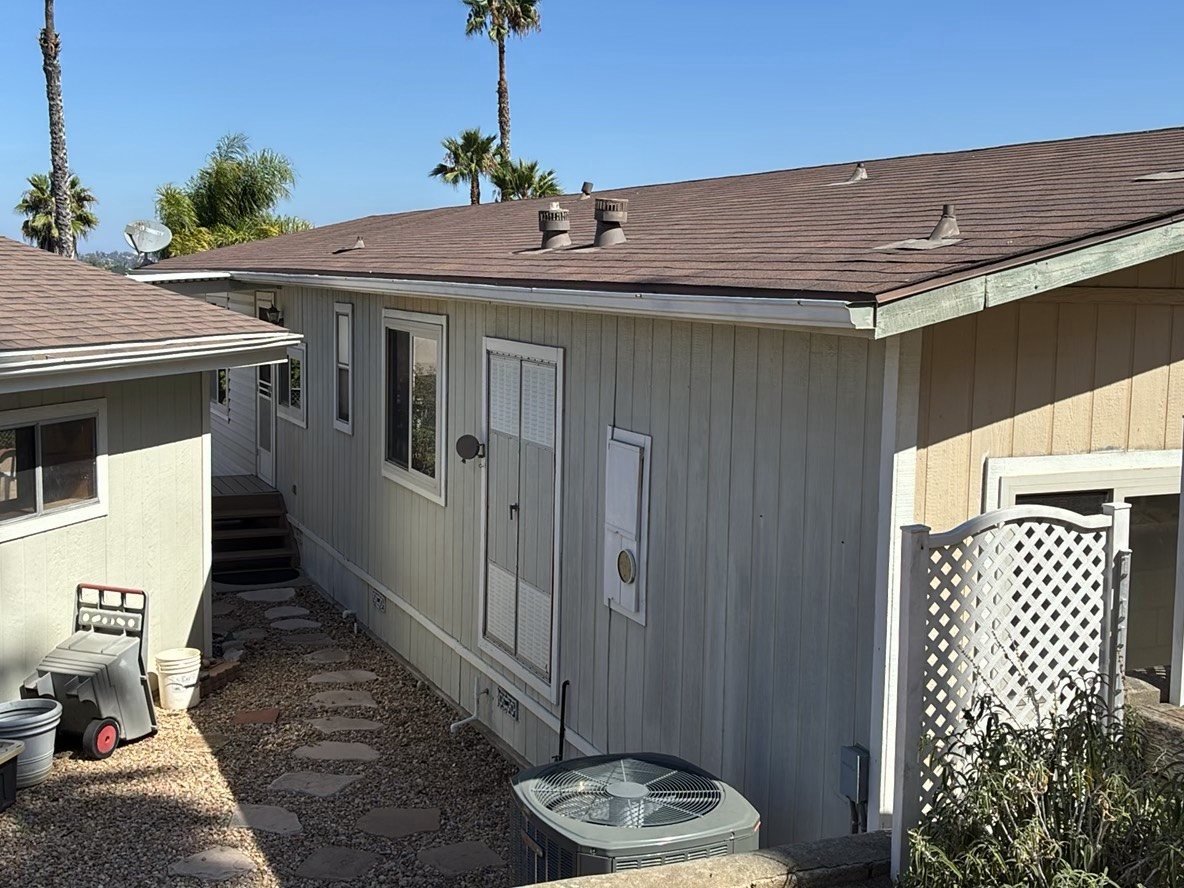
- Roof — the covering (clay and concrete tile on the Spanish-revival stock, asphalt composition, or low-slope torch-down on flat-roofed mid-century builds), its approximate age, and the service life we estimate is left. On a peninsula that takes wind-driven marine air off both the ocean and the bay, flashing and fasteners corrode well ahead of the field, and we note that.
- Electrical — the service panel's manufacturer and amperage and the branch-wiring type, with the equipment carriers reject named outright. On homes wired before the mid-1970s that means watching for the panels and wiring an underwriter treats as a hard stop.
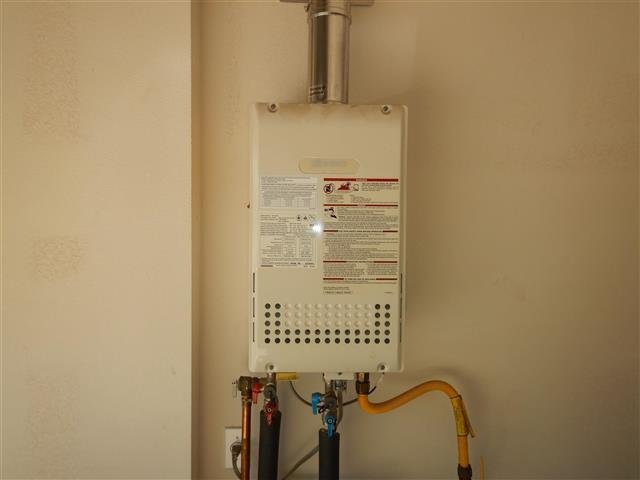
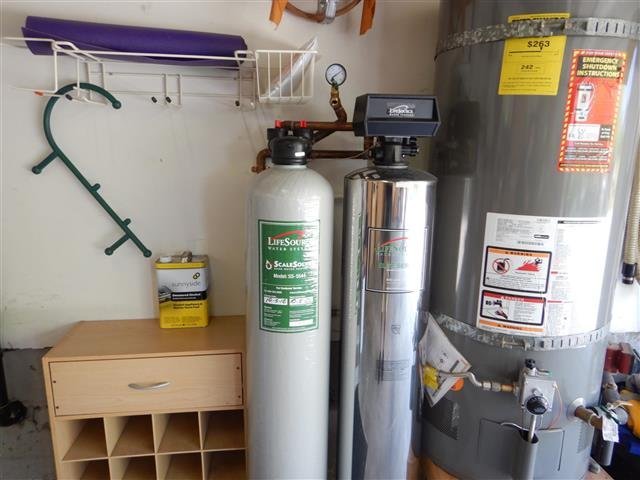
- Plumbing — the supply material running through the walls, the visible drain material, and the water heater's age and condition. Point Loma's high water table keeps crawlspaces and lower runs damp, which is hard on aging pipe.
- Heating and cooling — the equipment type, its age off the data plate, and whether it actually runs the day we're there. Many peninsula homes lean on heat-only or modest split systems, and the ocean-cooled climate let plenty of them stay in service far past their prime.
We write down what each system is and the shape it's in — documented condition, never a pass-or-fail stamp. Where finishes or access hide a system, we say so on the report instead of guessing at it.
How does the peninsula wear on these four systems?
Point Loma's geography is unusual even by San Diego standards, and it works on all four systems at once. Here's what an underwriter is reacting to when the request lands:
- Two-sided marine exposure. The peninsula sits between the open Pacific on the west and San Diego Bay on the east, so salt-laden air reaches a home from more than one direction. It corrodes roof flashing and vents, eats into condenser coils and water-heater jackets, and works on panel hardware faster than a few miles inland would.
- A genuinely high water table. Much of the peninsula sits over shallow groundwater, and the low-lying ground near the bay and the Midway flats stays damp. That standing moisture is rough on slab plumbing, sub-floor supply runs, and the lower courses of older drain lines — precisely the things a 4-point is built to surface.
- Slopes, canyons, and cut-in lots. Homes terraced into the hillsides above the bay or perched along the cliffs were built on grades that route water past foundations and service equipment, accelerating corrosion on anything metal left in the path.
- Pre-war and military-era stock. The Wooded Area, La Playa, and Roseville hold homes from the 1920s through the 1950s — the decades of original panels, early branch wiring, and galvanized or cast-iron plumbing carriers now examine closely.
- A hardening California market. As carriers re-rate coastal and wildfire-exposed risk across the state, even a well-tended peninsula home is being asked to prove these four systems are sound before a policy is bound or renewed.
Which findings recur on Point Loma 4-points?
Document enough older peninsula homes for insurance and the same underwriting flags keep turning up — several of them pushed along by the salt air and the damp ground. None of these automatically ends a policy, but each has to be recorded straight so you and your carrier are working from one set of facts:
- Rejected panels. Federal Pacific (FPE), Zinsco, and Sylvania panels in homes wired from the 1950s into the '70s — the single most frequent reason a Point Loma 4-point gives an underwriter pause, and often something they'll want swapped.
- Dated branch wiring. Knob-and-tube tucked into the pre-war Wooded Area homes and aluminum branch wiring in postwar tract builds, both read as serious risks.
- Supply pipe at the end of its life. Galvanized lines rusted shut from the inside and polybutylene from later remodels, plus cast-iron drains long past their prime under the oldest homes — corrosion the high water table only speeds up.
- Weather-beaten roofs and flashing. Coverings near the end of their service life and, just as often, flashing and fasteners corroded by the two-sided marine air well before the roof field fails.
- Tired water heaters and HVAC. Units past their service life, frequently with salt corrosion on exterior cabinets and condensers, that an underwriter reads as claims waiting to happen.
How do we run it and what does the report deliver?
We book the inspection around whatever clock you're on — a renewal date, a binder needed to close, or a non-renewal you're scrambling to replace — and we line up access with the owner or agent ahead of time so the panel, the water heater, the attic, and the equipment are all reachable. That coordination matters on the peninsula's older homes, where service gear often sits in cramped original closets or down a damp hillside crawlspace. On site, Joseph Romeo moves through the four systems in order: the panel cover off and photographed, wiring confirmed where it's visible, supply and drain material identified, the water heater and HVAC ages read off their plates, and the roof sized up for covering, age, and remaining life — with a close eye on the corroded flashing and hardware a carrier always asks about.
What you receive is a 4-point report in the format insurers expect, delivered through HomeGauge same day or next day so a binder or renewal isn't left waiting on us. Every system's age, material, and condition is laid out with photographs, and the underwriting-sensitive items are called out plainly. A 4-point is narrower than a full inspection by design, and we're upfront about that — if you're buying a peninsula home, we'll tell you when the full inspection is the right tool and the 4-point is only the carrier's box to check. We hold one line throughout: we document observed condition, we don't bid or perform the repairs, and we carry no stake in what the report finds.
Why do Point Loma owners and agents call Joseph Romeo?
Reading these four systems for an underwriter takes someone who understands how an eighty- or hundred-year-old peninsula home was built, rewired, and re-plumbed across decades of salt and damp. Your inspection is led by Joseph Romeo, an InterNACHI Certified Professional Inspector (CPI) who also carries a California CSLB General Contractor license (#1113143). That contractor's eye earns its keep on a 4-point — when the report flags a Zinsco panel, a rusted galvanized line, or salt-rotted flashing, he can tell you whether you're looking at a quick fix or a real project, and what a carrier is likely to demand, before you ever call for a quote.
- 20+ years and more than 10,000 inspections across San Diego County's coast, bay, and inland neighborhoods.
- 4.9 stars across 106 Google reviews from homeowners, buyers, and agents.
- Straight reporting that holds up with an underwriter — accurate system ages, clear photos, and no padding, formatted so you're not bounced back for a re-do against a deadline.
- Real familiarity with the peninsula's stock, from the Wooded Area and La Playa to Roseville-Fleetridge and the bluff homes along Sunset Cliffs.
When the report turns up something a carrier wants corrected, we steer you to the right licensed trade for the panel swap, the re-pipe, the water heater, or the roof work — the repair comes from a specialist while our report stays independent.
Which inspections are worth pairing in Point Loma?
A 4-point answers the one question your carrier asked, but it's a narrow look by design. Depending on where you stand, peninsula owners and buyers often pair or follow it with:
- Full home inspection — the complete InterNACHI-standard read on structure and every system, the right call when you're actually buying an older Point Loma home rather than just satisfying a carrier.
- Roof inspection — a closer look at the marine-stressed covering, flashing, and fasteners when the 4-point flags remaining roof life and you need detail before a carrier or repair decision.
- Sewer scope inspection — a camera run down the buried lateral the 4-point never touches, frequently aging clay or cast iron sitting in the peninsula's high groundwater.
- Thermal/infrared imaging — reads hidden moisture behind walls and under floors, a real payoff given the damp ground and persistent marine air on the peninsula.
If a carrier wants a 4-point on an older Point Loma home you're also buying, the full home inspection is the pairing we suggest most — the 4-point clears the underwriter, but it was never meant to tell you everything about the house. We recommend what fits your situation rather than pushing a fixed bundle, and we'll run both in a single visit where it makes sense. For the actual panel swap, re-pipe, roof work, or a structural or termite/WDO report, we coordinate the right licensed specialist instead of reaching past our scope.
Point Loma 4-Point Inspection FAQs
Why is my insurer asking for a 4-point on my Point Loma home?
Is a 4-point inspection the same as a full home inspection?
How does Point Loma's high water table affect a 4-point?
What problems commonly hold up a policy on Point Loma homes?
How fast will I get the report for my insurance deadline?
Do you fix what the 4-point flags?
Roof, electrical, plumbing and HVAC
Documentation from recent 4-point inspections across San Diego County.
More inspections in Point Loma
- Sewer scope inspection in Point Loma
- Roof inspection in Point Loma
- Thermal imaging in Point Loma
- Foundation slab survey in Point Loma
- Home inspection in Point Loma
Nearby and countywide
Were You Happy With Your Inspection?
We are proud of our 4.9-star rating across 100+ Google reviews. If Joseph and the team did right by you, a quick Google review helps other San Diego County buyers and sellers find us.