
Sewer Scope Inspection in Ocean Beach, CA
Ocean Beach keeps its character on the surface — the murals off Newport Avenue, the courts of little 1910s-to-1940s craftsman cottages, the funky bungalows that have changed owners a dozen times since the trolley days. What none of that tells you is the shape of the buried drain line carrying waste out to the city main. On OB's tight, walkable blocks at the foot of the Point Loma peninsula, that lateral is almost always the oldest thing on the parcel, and it has been baking in some of the most aggressive salt air in San Diego for the better part of a century.
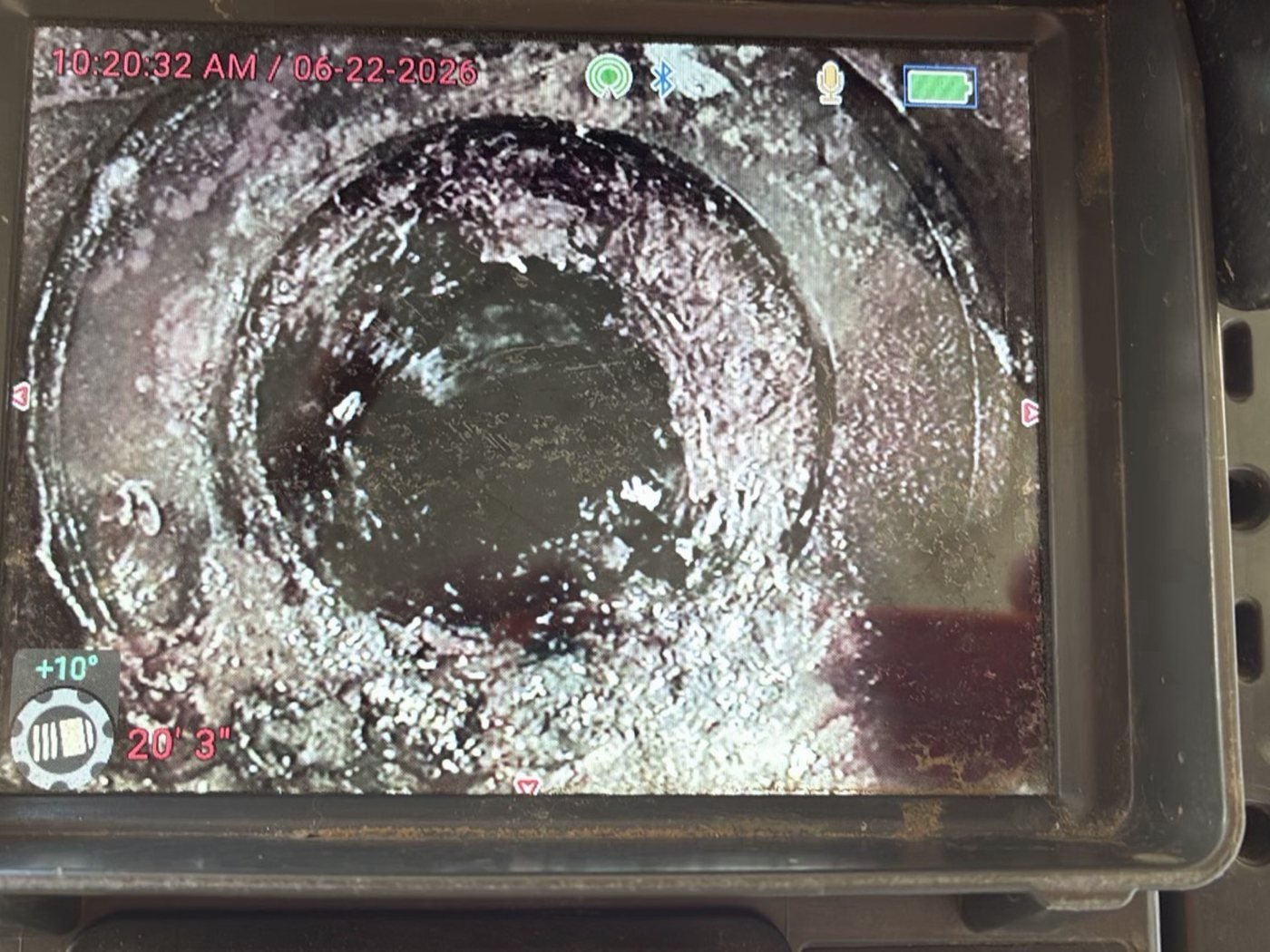
The only way to grade a buried pipe honestly is to look inside it. We feed a waterproof inspection camera into the main sewer lateral through a cleanout or other opening and steer it toward the public tap, recording every foot. You end up with video of the pipe's interior — the material, how the years and marine air have treated it, and any root masses, fractures, rust, low spots, or knocked-loose joints between your future house and the street. We capture and explain; we do not excavate, jet, or repair. That trade belongs to a licensed plumber, and we'll connect you with one — but on an OB cottage, the smart move is to roll the tape before you remove contingencies.
Call (619) 752-4399 Schedule an Inspection
What does an Ocean Beach sewer camera inspection cover?
What you're buying is a live camera trip through the home's main sewer lateral, starting at a reachable opening and heading toward the public main. On a typical OB lot, these are the things the run is built to surface and record:
- Pipe material under the cottage — vitrified clay, cast iron, Orangeburg (a tar-and-fiber pipe used mid-century), or newer ABS/PVC. The material sets how a line fails and what putting it right takes, and OB's century of building left all of them in the ground.
- Root invasion — thread-thin feeders and packed root masses forcing in at seams and splits, a constant where an aged clay run threads past the mature trees crowding these narrow lots and alleys.
- Metal breakdown — cast-iron walls flaking, scaling, and cutting a trough along the bottom, the usual end-state for iron pipe sitting this close to open ocean.
- Dips and pooling — sagged sections where the line dropped into shifting beach ground and quit draining cleanly, so water and solids sit instead of moving.
- Splits, misalignments, and past patch jobs — broken lengths, joints knocked out of true, caved pipe, and earlier fixes or liners that show the lateral already has a record.
We log only what the camera can reach and view. If pooled water, an obstruction, or a collapse stalls the head short of the main, we pin the spot and the reason on the recording — we won't imply we tracked sound pipe to the street when the lens never got there.
What does Ocean Beach throw at a buried drain line?
Few San Diego pockets stack as many hazards onto a sewer lateral as OB does, and they rarely arrive one at a time. This is the reason the camera is worth scheduling:
- The oldest beach stock around. Plenty of OB cottages predate the Depression — 1910s and 1920s craftsman boxes in the alley-fed courts off Newport and Niagara. Older houses than most of the coast mean older, more brittle pipe, and on the very oldest you'll still find galvanized supply and knob-and-tube wiring as a tell that nothing underground got modernized either.
- Salt at full strength. OB sits on the seaward face of the peninsula with surf a block or two off, so the chloride load in the air is about as harsh as it gets locally. That marine punishment eats cast-iron laterals and metal fittings from the outside, thinning them years ahead of inland pipe.
- Loose, damp ground near the shore. Sandy fill near the beach and the river mouth shifts under a buried line and lets it settle into bellies, while moisture in that soil corrodes pipe walls and draws roots toward any weeping seam.
- Crowded lots and alley runs. OB's small parcels and rear-alley plumbing mean laterals often dogleg under pavement, and the cleanout can be buried, paved over, or never installed on a cottage this old.
Which findings are common on OB cottage laterals?
Send enough cameras under Ocean Beach and a recurring lineup of trouble shows up on the screen. Most of it won't sink a purchase on its own — these are items to grasp, price out with a plumber, and negotiate while your contingency window is open:
- Roots at clay seams. The single most frequent call in OB — feeders and balls wedging into the seams of an old clay line beneath the heavy tree cover these blocks are known for.
- Pitted, troughed cast iron. Iron pipe rusted thin along its floor with coarse scale grabbing waste, accelerated hard by OB's front-row salt air.
- Settled bellies. Low, water-holding stretches where the pipe sank into loose shoreline soil — a repeat on the flatter blocks down toward the pier and the river channel.
- Collapsing Orangeburg. Egg-shaped or caving fiber pipe on the mid-century parcels that still carry it — a serious flag no matter how the line drains the day we look.
- Layered prior repairs. Partial liners, patch sections, and abrupt material changes that prove the lateral already failed once on a house that has turned over again and again.
How does the camera process work and what do you receive?
Before the appointment we settle the particulars — entry point, the cottage's age, and whether the line heads to the street or the alley — and arrange with whoever holds keys so the opening is ready when we pull up. On site we drive the camera down the lateral and read it off the monitor, calling material, defects, and footage marks out loud as the lens moves. A short reach near Newport wraps fast; a long alley run on a packed OB lot asks for more patience.
Stand at the screen with us if you can — we encourage it. Watching roots choke a seam or the lens drop under water in a belly registers in a way no written line matches, and it helps you tell a monitor-it pipe from a tear-it-out one with your own eyes.
You leave with the recorded footage plus a written rundown of what matters — material, location, severity — in a photo-documented HomeGauge report, with footage marks noted so a plumber knows where to open the ground before quoting. Findings land same day or next day, so an OB contingency clock never stalls on us. We grade condition and never bid or perform the fix, which keeps the report free of conflict. Jetting, spot fixes, and replacement are plumbing work — when the video calls for it, we point you to a licensed plumber instead of overstepping.
Who runs your OB sewer scope and what are the credentials?
Grading a lateral well takes two kinds of knowledge: reading what the camera shows and understanding what the repair really demands. On a salt-eaten OB line, that second piece is where buyers get blindsided at closing. Your inspection is run by Joseph Romeo, an InterNACHI Certified Professional Inspector (CPI) who also holds a California CSLB General Contractor license (#1113143). That contractor background lets him separate a cast-iron line with cosmetic scale and years left from one troughed thin enough to dig out.
- More than two decades on the job and over 10,000 inspections countywide, OB's beach cottages among them.
- A 4.9-star rating built on 106 Google reviews from buyers, sellers, and repeat-referring agents.
- Clear calls on whether a line is one to watch or one to replace, every one backed by what the lens recorded — never a scare pitch on a pipe you'll never see yourself.
For anything beyond the camera — jetting, a spot repair, an alley excavation, or a full lateral swap — we refer the right licensed plumber rather than reach past what we're licensed to do.
Which inspections do OB buyers often add alongside?
A sewer scope is usually one chapter of a wider read on an Ocean Beach property, and an old beach cottage gives you plenty to read. OB buyers regularly pair the scope with one or more of these, often on the same trip:
- Full home inspection — the foundational look at roof, structure, electrical, plumbing, and HVAC, and the visit your scope tends to ride along with.
- Thermal/infrared imaging — surfaces hidden moisture behind walls and under floors, which earns its keep in a fog-and-salt corridor and where a leaking lateral may be wetting soil near the foundation.
- Roof inspection — the wind-driven, salt-stressed flashing and coverings that give out early this near the surf.
- Specialist coordination — for the repair itself, jetting, or a structural or termite/WDO evaluation, we refer the right licensed professional rather than stretch past scope.
The pairing we point to most is the scope plus a full home inspection — one coordinated read on the property in a single visit. We suggest what suits your purchase, not a fixed package.
Ocean Beach Sewer Scope Inspection FAQs
Why does a sewer scope matter so much on Ocean Beach homes?
Does Ocean Beach salt air really reach a buried sewer pipe?
Is a cleanout required to run the camera?
If something turns up, will you clear or repair the pipe?
Should I scope the line on an old OB cottage that was recently flipped?
Can the scope and the home inspection happen the same day?
What the camera sees
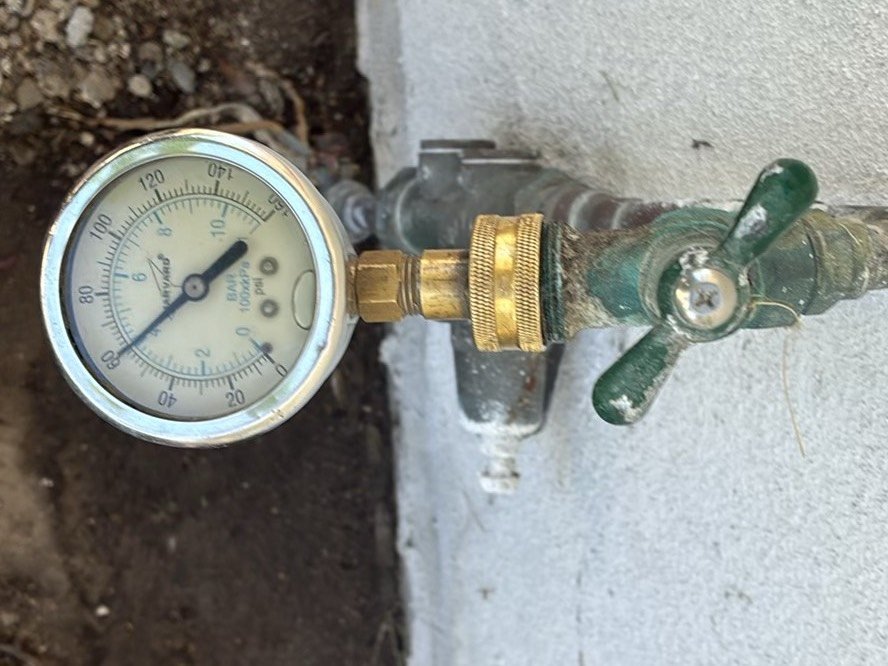
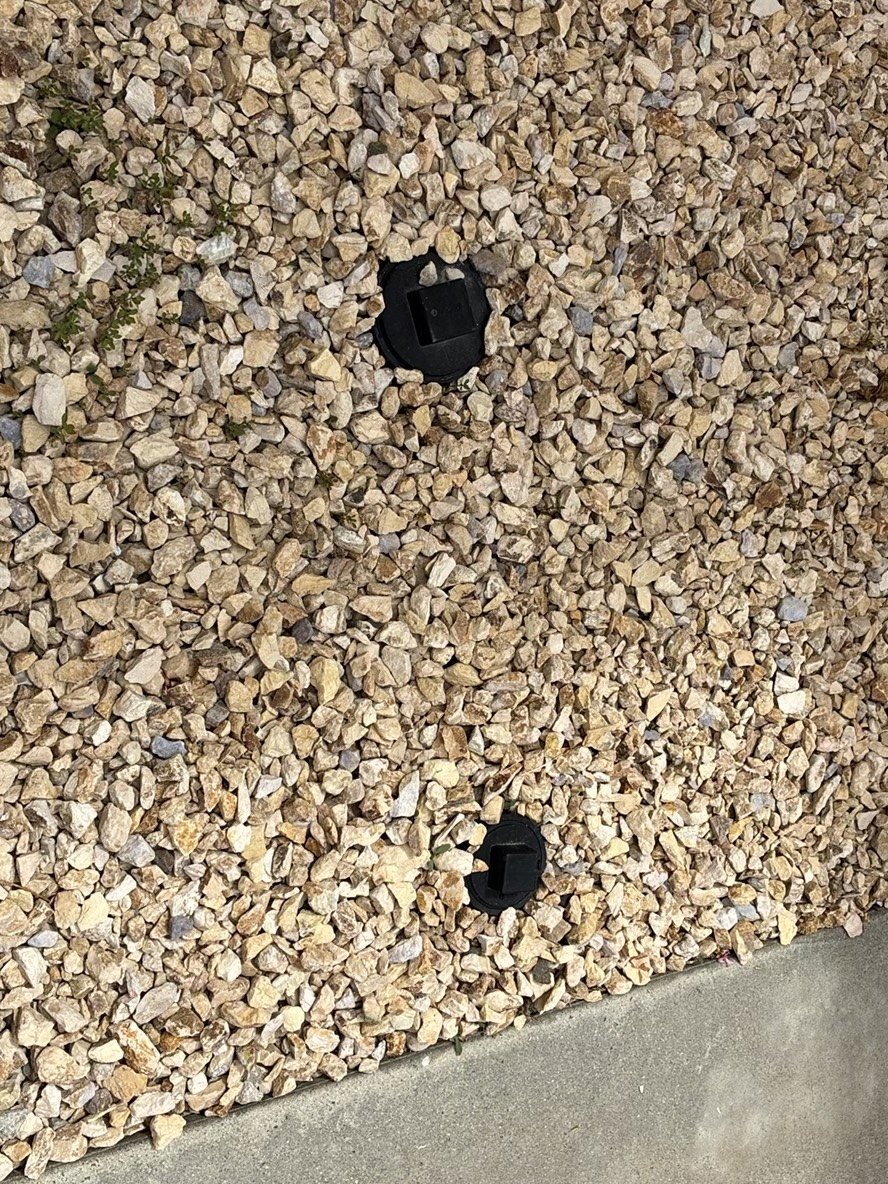
Sewer scope documentation from recent San Diego County inspections.
More inspections in Ocean Beach
- SB 326 balcony inspection in Ocean Beach
- SB 721 exemption letter in Ocean Beach
- Seller inspection in Ocean Beach
- Warranty inspection in Ocean Beach
- Home inspection in Ocean Beach
Nearby and countywide
Were You Happy With Your Inspection?
We are proud of our 4.9-star rating across 100+ Google reviews. If Joseph and the team did right by you, a quick Google review helps other San Diego County buyers and sellers find us.