
Foundation & Slab Inspection in the College Area, San Diego
The College Area climbs from El Cajon Boulevard over Montezuma Road to the canyon rims above Interstate 8, and nearly all of it was graded and poured between the late 1940s and the mid-1960s. With San Diego State in the middle, the housing leads a double life: original ranch homes on Mary Lane and Catoctin Drive, and blocks near Hardy Avenue that have spent decades as student rentals, repainted every August. Almost everything stands on first-generation slab-on-grade concrete now seventy years old.
I am Joseph Romeo. My foundation & slab inspection is a focused visual read of that original pad — cracking, floor slope, racked doors, and the soil and drainage behavior driving them. I report observed condition in plain language; when a finding calls for engineering, I help line up a licensed structural engineer. The rest of the house is covered through the College Area home inspection hub.
Call (619) 752-4399 Schedule an Inspection
What does the foundation inspection cover around SDSU?
This is a visual evaluation of accessible foundation components — no coring, no soil borings, no load calculations. The question it answers: is the house still moving, or did it finish settling decades ago? Foundation type comes first:
- Slab-on-grade dominates the postwar grid between Montezuma Road and El Cajon Boulevard. I walk the exposed slab edge, garage floor, and perimeter for cracking, spalling, and elevation change.
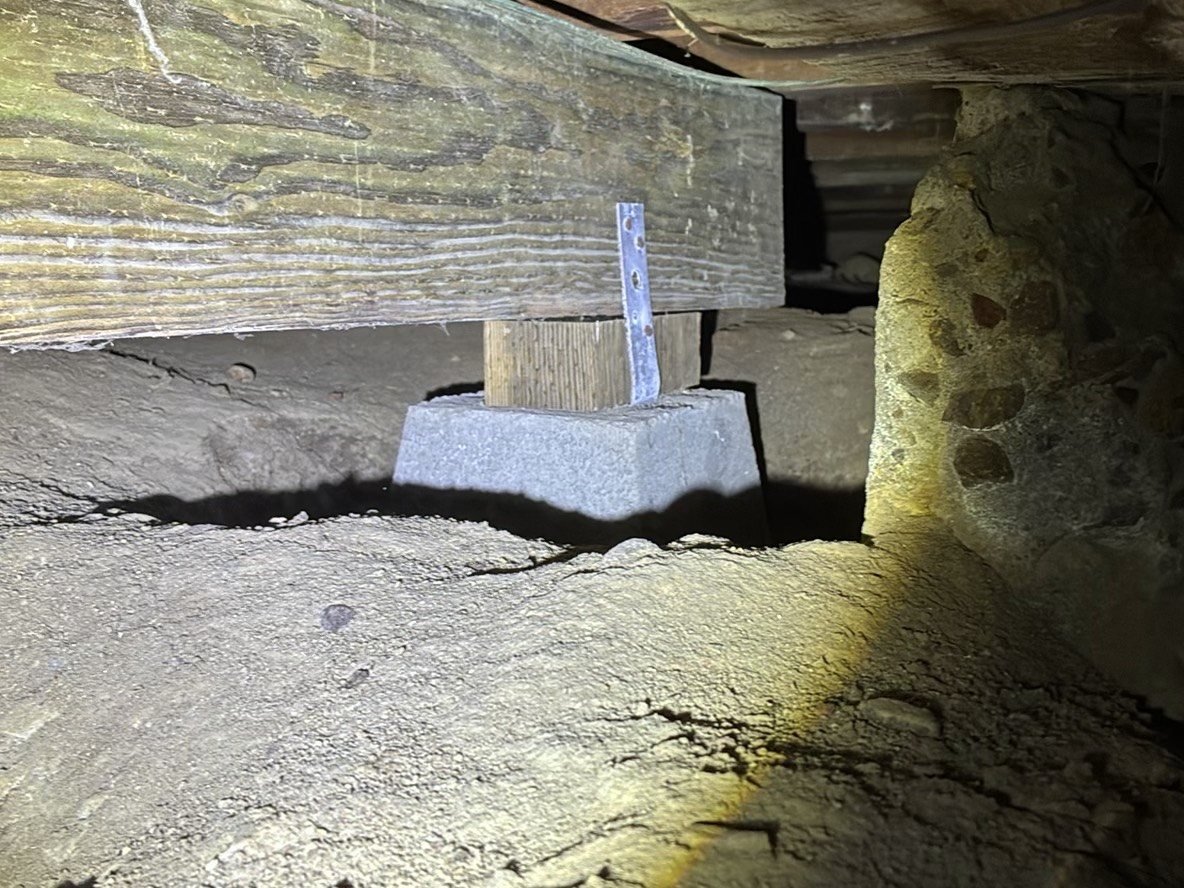
- Raised perimeter foundations appear in older pockets near the boulevard and on some Alvarado Estates customs. Where entry is safe, I evaluate stem walls, posts, girders, mudsills, anchorage, and crawlspace moisture.
- Post-tension slabs are scarce this deep in the old grid, but when one turns up I flag it — embedded cables change what anyone can ever safely drill or cut.
I also document sloping or springy floors, racking doors and windows, diagonal drywall cracks off window corners, and the grading and downspouts feeding the footing.
How do College Area soil and terrain affect the slab?
Soil and terrain drive most slab movement here, and the grid reads flat from College Avenue, but canyons carve three of its sides — Alvarado Canyon to the north, fingers dropping toward Fairmount, steep ground behind Alvarado Estates. Where a house sits in that topography matters:
- Clay-bearing mesa soils. Level blocks hold inland clay that swells with winter rain and shrinks through the dry months, working slab edges every cycle.
- Cut-and-fill rim lots. Canyon-edge pads were graded by cutting the high side and filling the low; the fill half settles more, surfacing as a crack line or a floor running toward the view.
- Slope creep below the rims. Decomposed granite and loose fill migrate downhill gradually, loading rim footings unevenly.
- Low ground near Alvarado Creek. Toward the trolley line, water sits near the surface and pads stay damp after wet winters.
What do you keep finding in College Area houses?
The age of the concrete and the rental economy around the university both leave fingerprints:
- Paint over the evidence. Rentals get patched and repainted at every turnover, erasing drywall cracking a dozen times over. Floor slope, door operation, and the slab edge do not take paint, so I concentrate there.
- Mini-dorm conversions. Garages turned into bedrooms sit on thin, often unreinforced pads pitched toward the old door opening, and the cold joint to the main slab frequently shows a step or crack.
- Wet soil from old plumbing. End-of-life under-slab galvanized and early copper lines keep soil under one side of the pad swollen.
- Bathrooms trenched through the slab — saw-cut, re-poured sections that settle on their own schedule.
- History in the concrete — epoxy injections, replacement piers, partial underpinning, sometimes unknown to the seller.
Most of it grades out as age-consistent or a drainage correction, and the report draws that line item by item.
How does booking, the walk-through, and your report work?
Book by calling (619) 752-4399 or emailing joe@sandiegohomeinspection.com with the address, the home’s age, and what prompted the request — escrow contingency, a crack that widened over winter, or an investor purchase near campus.
On site I confirm foundation type and circle the exterior first — slab edge or stem wall, grading, downspout discharge, irrigation against the concrete — then check floor slope room by room, operate doors and windows, and trace interior cracking to its origin. Crawlspaces get entered wherever clearance and safety allow.
The photo-labeled HomeGauge report arrives the evening of the inspection or the following morning: foundation type, mapped cracks and slopes, and which findings are routine for this vintage versus matters for a structural engineer. I do not issue certifications, design repairs, or bid work — when engineering is the next step, the report says so and I arrange the referral.
Who inspects your College Area foundation?
Judging a seventy-year-old slab is pattern recognition built from volume. I am an InterNACHI Certified Professional Inspector (CPI) and hold CSLB General Contractor license #1113143 — a builder’s license earned forming footings and placing slabs. When I tell you a conversion pad was never built for bedrooms, or that a stem-wall crack stopped moving twenty years ago, the call comes from construction experience.
- 20-plus years, over 10,000 inspections across San Diego County, including steady College Area work for owner-occupants, SDSU parents, and investors.
- 4.9 stars across 106 Google reviews, many from agents needing a fast, defensible read in escrow.
- No repair business behind the report — I never bid on or perform the corrections I document.
What is worth pairing with the foundation visit?
The age and tenant wear that stress a 1950s slab show up in surrounding systems, so combining evaluations in one visit often makes sense:
- Full home inspection — for a purchase, especially a long-held rental, through the College Area home inspection hub.
- Sewer camera of the lateral — original clay and cast-iron drains crack and root-intrude, and a leaking line is a common hidden source of wet soil under a slab.
- Infrared moisture scan — locates dampness at slab edges and behind repainted rental walls.
- Termite/WDO referral — a separately licensed specialty in California; I note conducive conditions and coordinate a licensed pest company.
Send the address and what you are seeing — browse every inspection service we offer, check current inspection fees, or book a College Area foundation inspection.
College Area Foundation & Slab Inspection FAQs
I'm buying a student rental near SDSU. What should the foundation inspection focus on?
Are cracks in a 1950s College Area slab normal?
The garage was converted to bedrooms. Is the slab under it a concern?
My lot backs up to the canyon above Interstate 8. Does that change the inspection?
What does a foundation inspection cost in the College Area?
Can you certify the foundation for my lender or design the repair?
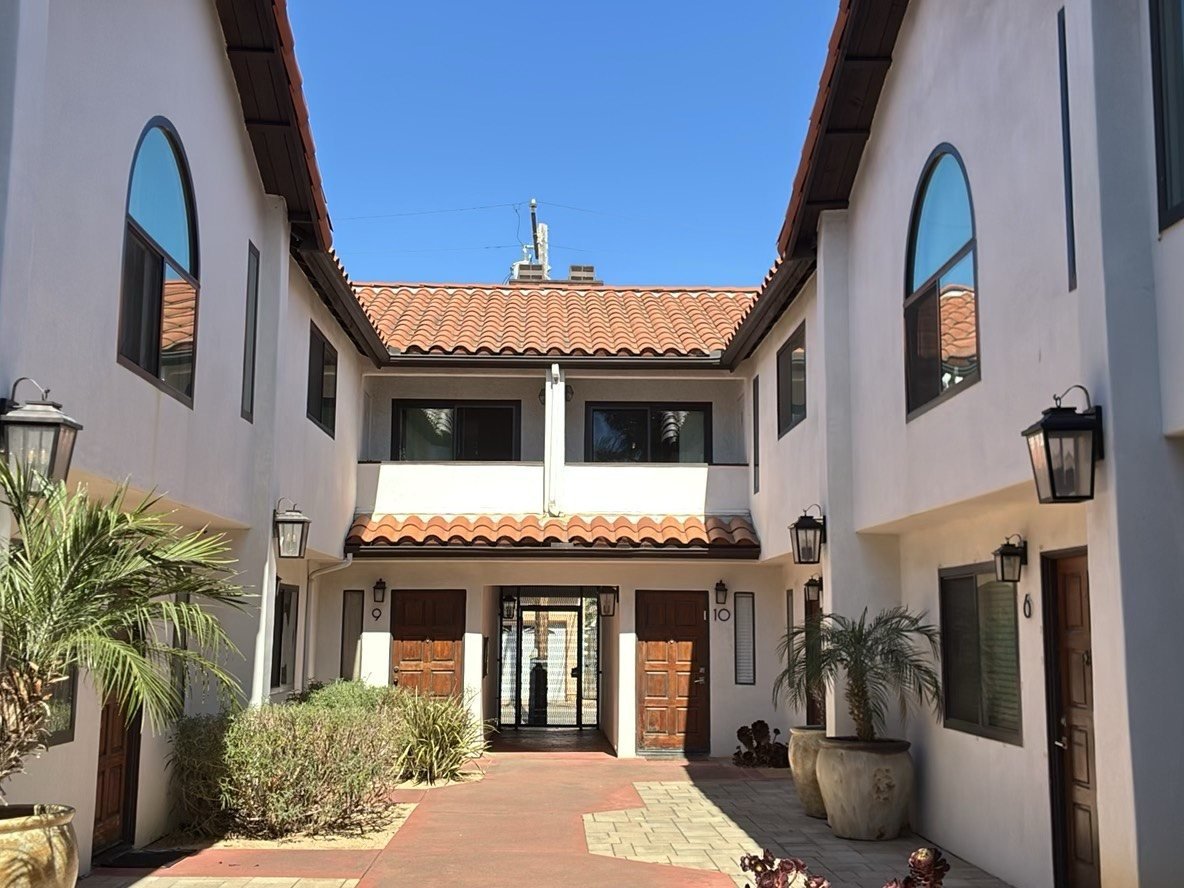
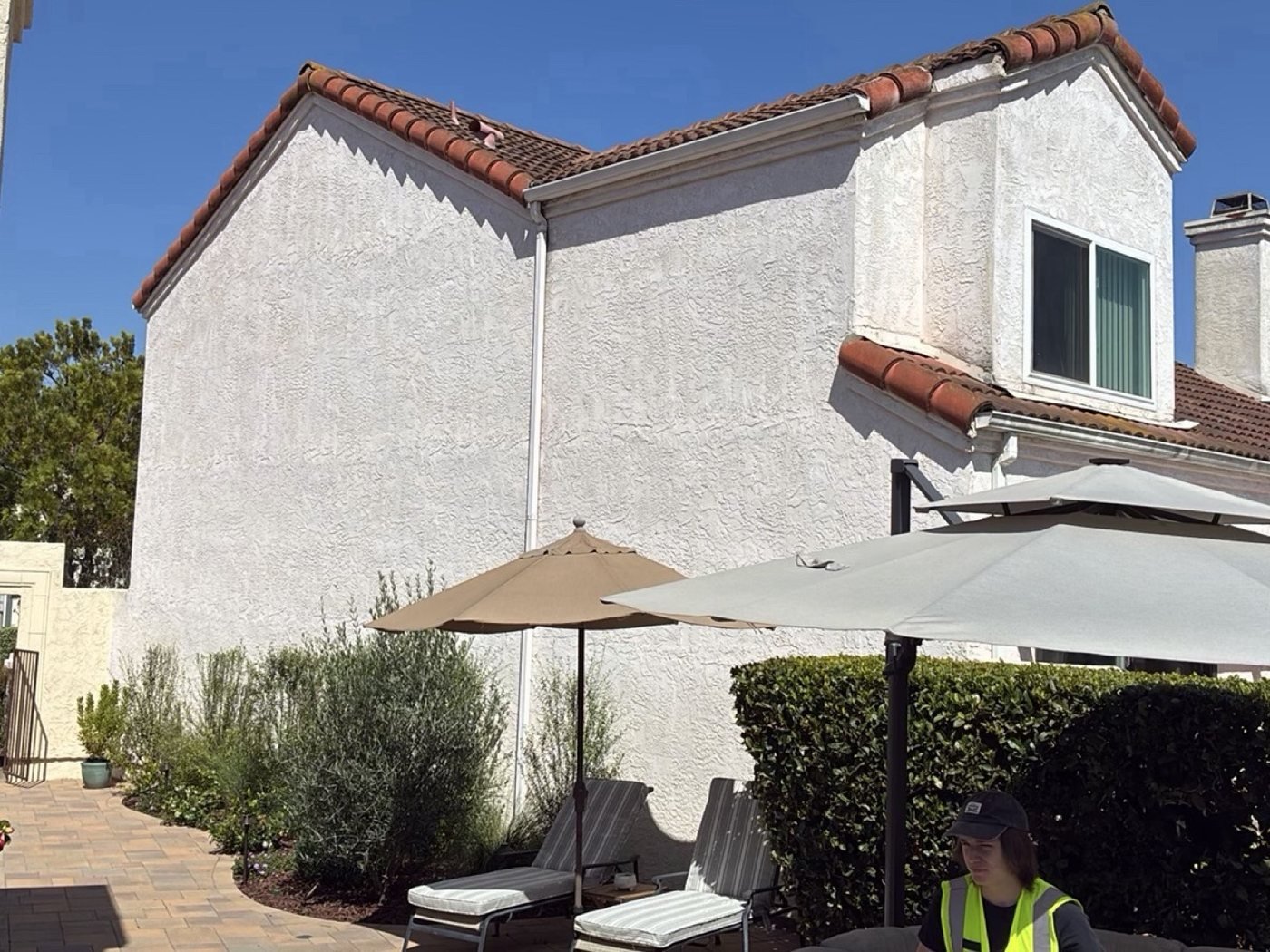
Slab surveys in action
ZipLevel altimeter measurements and foundation documentation from recent surveys.
More inspections in College Area
- Thermal imaging in College Area
- SB 721 balcony inspection in College Area
- SB 326 balcony inspection in College Area
- SB 721 exemption letter in College Area
- Home inspection in College Area
Nearby and countywide
Were You Happy With Your Inspection?
We are proud of our 4.9-star rating across 100+ Google reviews. If Joseph and the team did right by you, a quick Google review helps other San Diego County buyers and sellers find us.