
Pre-Listing Inspection in the College Area: Know Your House Before the Buyer Does
Most College Area listings I walk have spent at least part of their life as a rental. A 1958 ranch a few blocks off Montezuma Road may have housed SDSU students for fifteen straight years before the owner decides to sell, and that history shows up in places a fresh coat of paint never reaches. A pre-listing inspection puts the complete picture in your hands before a buyer's inspector puts it in theirs. I evaluate the property exactly as I would for a buyer—roof to slab, under the InterNACHI Standards of Practice—then hand you a report you can use to repair, disclose, or price with confidence. Call (619) 752-4399 and get on the schedule before your photographer shows up.
Call (619) 752-4399 Schedule an Inspection
What does a College Area pre-listing inspection cover?
It covers the same full buyer's-side checklist, finished on your timeline. Nothing about the checklist shrinks because you're the one paying for it. I examine the roof covering and flashings, the attic framing and insulation, the electrical service, panel, and accessible branch wiring, supply and drain plumbing, the water heater, heating and cooling equipment, interior walls and ceilings, windows and doors, the garage, grading and surface drainage around the foundation, and the built-in kitchen appliances. Every observation gets a photo and a plain-English explanation of why it matters.
A few items sit outside a general inspection by design: termite and wood-destroying-organism reports come from a licensed pest company I'll coordinate, and a sewer camera is an add-on this housing stock usually justifies—more on that below. The result is the document a buyer's inspector would otherwise produce mid-escrow—in your hands weeks earlier.
How does rental duty near SDSU age these tract houses?
The College Area built out fast in the 1950s and 60s—slab-on-grade ranches and split-levels on the streets between El Cajon Boulevard and the campus, with custom homes in Alvarado Estates as the exception. That vintage means original galvanized supply piping, 60- and 100-amp services, single-pane aluminum sliders, and gas wall furnaces decades past their prime.
Then there's the rental economy. Demand from SDSU students turned ordinary three-bedroom houses into five- and six-bedroom operations: converted garages, partitioned dens, a deadbolt on every interior door, and circuits feeding more mini-fridges and window AC units than the 1959 panel ever anticipated. Each turnover also leaves another layer of handyman-grade fixes.
Lots backing the canyon fingers add a third variable—fill settlement at the rim, downspouts dumping at the slope edge, and aging retaining walls and decks. Buyers and their inspectors will probe all three of these storylines. Your pre-listing report gets there first.
Which defects recur in 92115 listings?
After twenty-plus years inspecting these blocks, certain findings feel almost scheduled:
- Zinsco and Federal Pacific panels still in service—brands with documented breaker-failure histories that many buyers' agents flag on sight.
- Galvanized supply lines showing weak flow at the far bathroom, often with piecemeal copper or PEX splices from past leaks.
- Original wall furnaces with no service record, scorched cabinets, or clearance problems where furniture and storage crowd them in rented rooms.
- Converted garages and added bedrooms lacking proper egress windows, heat, or correctly wired receptacles.
- Roofs layered comp-over-comp, with the south-facing field worn well ahead of the rest.
- Slab cracks telegraphing through flooring, more pronounced on lots near the canyon edges where soils move seasonally.
- Tenant-era electrical habits—painted-over GFCIs, double-tapped breakers, extension cords doing permanent duty.
- Water heaters missing seismic straps or starved for combustion air in closet installations.
None of these is automatically a deal-killer—but each is a renegotiation lever if a buyer's inspector finds it first.
How do you schedule around tenants and share the report?
Many College Area sellers come to me with the house still occupied. That's workable—we coordinate proper notice with your tenants or property manager, and I work carefully around belongings while still reaching the panel, water heater, and attic hatch. Plan on a few hours on site for a typical house here; heavily partitioned rentals take longer—more to open and test.
Your HomeGauge report arrives the same day or the next, organized by system with photos and arrows pointing at exactly what I saw. From there you have three clean moves: fix the items that are cheap relative to their negotiating weight, disclose the ones you leave—which slots neatly into your California Transfer Disclosure Statement—and price with no surprises hiding in the deal. The report is yours to hand to your agent, post with the disclosures, or share with serious buyers. Sellers who do this routinely watch their escrows close without the mid-transaction repair brawl.
Who inspects your College Area home before listing?
I'm Joseph Romeo, owner and lead inspector. I hold the InterNACHI Certified Professional Inspector credential and a CSLB General Contractor license (#1113143), with more than twenty years and 10,000-plus inspections behind me. The contractor's license matters most at the negotiating table: when my report describes a corroded galvanized line or an end-of-life furnace, I can tell you whether the correction is a service call or a project, so you answer repair requests from knowledge, not fear.
I also never bid on or perform the repairs I report—my only product is an accurate account of the property's condition, which is why the report carries weight with buyers' agents who've seen my name before. The 4.9-star average across 106 Google reviews reflects sellers and buyers on both sides of that table. Reach me at (619) 752-4399 or joe@sandiegohomeinspection.com.
What do College Area sellers add to the work order?
Two add-ons earn their keep on this housing stock. First, a sewer lateral camera: the original clay and cast-iron drain lines under these 1950s lots have spent decades hosting tree roots, and a six-bedroom rental pushes far more water through them than the line was sized for. Finding a bellied or root-bound lateral before escrow beats finding it during one. Second, a coordinated termite report from a licensed pest company—bundling the visits saves you a week.
Selling a duplex or small multi-unit along the El Cajon Boulevard corridor? The same logic applies unit by unit—ask and I'll scope it. The College Area home inspection page covers the buyer's-side service. The full menu lives on the services page, with current pricing on the fee schedule.
College Area Seller's Pre-Listing Inspection FAQs
Is a pre-listing inspection worth it on a College Area student rental?
Can you inspect the house while tenants still live in it?
Will you evaluate an unpermitted garage conversion?
How fast does the report arrive, and can I give it to buyers?
What does a seller's inspection cost in the College Area?
Does the inspection include a termite report?
Pre-listing documentation
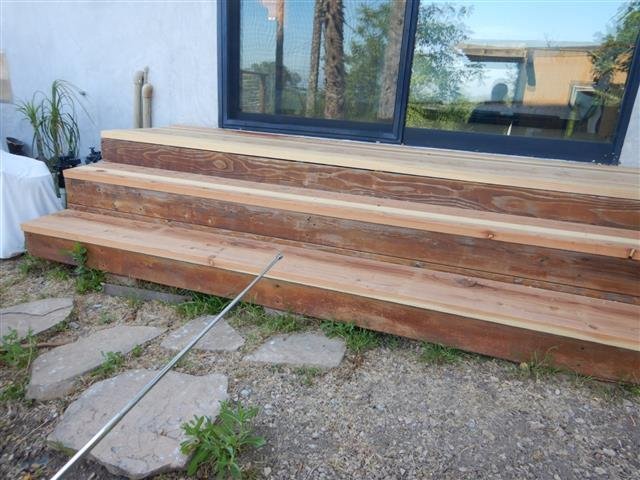
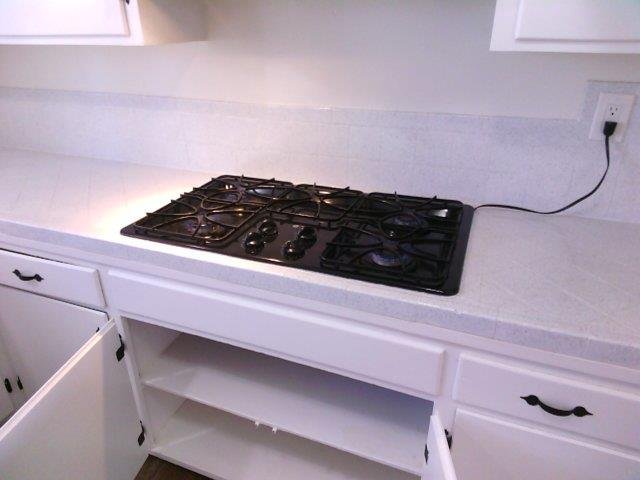
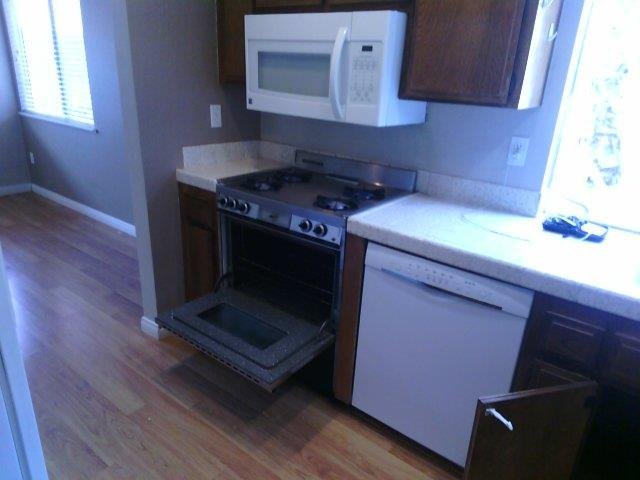
Pre-listing inspection photos from across San Diego County.
More inspections in College Area
- Thermal imaging in College Area
- Foundation slab survey in College Area
- SB 721 balcony inspection in College Area
- SB 326 balcony inspection in College Area
- Home inspection in College Area
Nearby and countywide
Were You Happy With Your Inspection?
We are proud of our 4.9-star rating across 100+ Google reviews. If Joseph and the team did right by you, a quick Google review helps other San Diego County buyers and sellers find us.