
Commercial Roof Cleaning in the College Area, San Diego
The commercial roofline of the College Area is invisible from the sidewalk, which is exactly the problem. From El Cajon Boulevard or College Avenue you see mid-century parapet storefronts — taquerias, copy shops, coffee spots fueling SDSU study sessions — and behind each parapet sits a flat roof, much of it built in the 1950s and 60s and resurfaced several times since. Add the office and medical buildings along Alvarado Road, the mixed-use blocks near the trolley station, and the churches and institutional properties scattered through the neighborhood, and you have acres of low-slope membrane that nobody thinks about until a tenant reports a ceiling stain in October.
I'm Joseph Romeo, and this page covers the maintenance side of those roofs: getting bark, litter, and biological growth off the field, getting every scupper and drain moving water again, and producing a dated photo record of what's actually up there. Cleaning and documentation is the entire assignment. Recoats, patches, and membrane surgery belong to a licensed roofer; when a roof needs one, I say so and refer one. Below: the scope, the local conditions, the recurring finds, and the report — alongside the rest of the College Area home inspection hub.
Call (619) 752-4399 Schedule an Inspection
What does cleaning a College Area flat roof include?
College Area commercial roofs span the whole low-slope catalog — single-ply TPO over the newer mixed-use construction, torch-applied modified bitumen from 90s and 2000s remodels, original gravel-surfaced built-up roofing on the older strips, and spray polyurethane foam from decades-old recoats. One visit covers:
- Debris off the field — eucalyptus bark and leaf drop carried up from the canyon rims, Santa Ana dust, and the bottles, cans, and stray objects that find their way onto single-story roofs in a college neighborhood
- Every outlet opened — through-parapet scuppers, interior drains and strainer domes, overflow ports, and conductor heads cleared until water has a verified exit path
- Growth lifted — algae and lichen scrubbed out of chronically damp zones with methods matched to the membrane, never with pressure that drives water under a lap
- Grease zones degreased — the membrane surrounding kitchen exhaust fans on the restaurant rows gets cleaned and examined closely; grease fallout chemically attacks single-ply
- Equipment perimeters — HVAC curbs, condensate terminations, plumbing vents, satellite mounts, and abandoned gear cleared around and noted
- A dated photo file — membrane surface, seams, flashings, ponding evidence, and outlet condition recorded before and after the work
The line: cutting, welding, coating, or replacing roofing is a roofing contractor's job. My deliverable is a clear roof and an honest record.
Why do College Area roofs need this more than most?
The neighborhood's commercial stock and its inland position gang up on a flat roof in ways the coastal communities don't see:
- 1950s–60s strip construction: the original El Cajon Boulevard and College Avenue buildings drain through small parapet scuppers sized for a different era, and several rounds of overlay roofing have flattened slopes and narrowed those openings further.
- Canyon-edge litter: the College Area drops into canyon fingers at its edges, and the eucalyptus stands on those rims shed bark ribbons and seed pods that the afternoon westerly lifts onto nearby rooftops, where they mat into wet felt over the outlets.
- Long UV days: this far inland the marine layer burns off by mid-morning most of the year. That extra daily sun chalks TPO, dries the flood coat on old BUR until it alligators, and crazes the elastomeric coatings protecting foam roofs.
- Restaurant density: few San Diego neighborhoods pack more food operations per block than the streets feeding SDSU. Each kitchen exhaust fan rains a fine grease film onto the membrane around it, and grease genuinely dissolves roofing.
- The academic calendar: everything around SDSU spikes with the school year, so the smart maintenance window is the late-summer lull — debris from the dry months is up there, the first storm isn't, and the buildings are quiet.
Plenty of these buildings belong to landlords who live nowhere near Montezuma Road; a standing maintenance record is how an absentee owner knows the roof's condition at all.
What do I keep finding between I-8 and El Cajon Boulevard?
The recurring list from College Area rooftops — the boulevard strips, the Alvarado Road offices, the blocks around the trolley station — reads like this:
- Scuppers plugged solid with bark, leaf mat, and the occasional bottle cap collection, with a dried silt shoreline on the membrane showing how deep the water stood during the last storm
- Ponding behind parapets where overlay layers killed what little slope the 60s builder provided — mineral rings and dark biological staining mark the spots
- Alligatored flood coat and bare felts on built-up roofs that have outlived several owners, gravel migrated into moisture-holding drifts
- Grease-darkened, softened membrane in a halo around restaurant exhaust fans, sometimes with the lap edges nearby visibly swelling
- Tired foam recoats — coating crazed through to raw foam, plus bird-pecked craters that drink water every time it rains
- Orphaned equipment — dead condensers, sign frames, and conduit from tenants three leases ago, with fastener penetrations and condensate lines dripping onto the field
- Seam and flashing lifts at penetrations hiding under matted debris, which is precisely where the next leak is rehearsing
Each item lands in one of two buckets — housekeeping the cleaning resolves, or a material condition for a roofer — and both get photographed and located so nothing rests on memory.
How do you book the visit and what report arrives?
Call (619) 752-4399 or email joe@sandiegohomeinspection.com with the building address, what you know about the roof system, and the reason for the visit — seasonal upkeep, a warranty maintenance log, pre-storm prep, or a snapshot ahead of a sale or lease. Access varies a lot in this neighborhood: some boulevard buildings have interior hatches, others mean a ladder over the parapet from the alley, and I plan for that up front.
On the roof, the field and low spots get cleared first, then every drainage outlet gets opened and checked for actual flow. The cleaning doubles as a close inspection: I'm reading UV wear on the open stretches, lap and flashing behavior at every curb and penetration, grease impact near exhaust fans, and the silt evidence that tells me how the roof drains when nobody's watching. Method follows material — a foam roof and a gravel BUR do not get treated the same way.
Afterward you receive a HomeGauge report with the before-and-after photos, each outlet's condition, and every flagged concern located precisely for the roofer who handles repairs. Turnaround typically runs within a day of the visit. Because I sell no roofing work whatsoever, the report has no thumb on the scale; it documents what exists. Fees are flat and published — the fee schedule covers how pricing works.
Who has the credentials behind the report?
A licensed contractor and certified inspector reads every roof I clean. Moving debris is the easy half of this work; the hard half is knowing what you're looking at once it's gone. I'm an InterNACHI Certified Professional Inspector (CPI) and I hold a California CSLB General Contractor license, #1113143. The contractor's background means that when I look at a swollen mod-bit lap or a scupper sleeve rusting through a 1958 parapet, I understand the assembly behind it, what failure looks like in progress, and what scale of fix a roofer will likely propose — so you walk into that conversation informed.
- 20+ years and more than 10,000 inspections across San Diego County, including the College Area's boulevard retail, the Alvarado Road medical and office corridor, and the mixed-use construction near SDSU
- 4.9-star rating across 106 Google reviews
- No repair conflict — cleaning and documentation only, with membrane work, recoating, and drainage reconstruction referred out to licensed roofers
Formal certifications, engineering opinions, and warranty repairs go to the appropriate licensed specialist, and I'll help line that up; the maintenance and the record stay with me.
Which inspections do College Area owners pair with this?
Most College Area clients own more than a roof; several services stack onto the same property:
- Full roof inspection — a deeper condition-and-remaining-life evaluation of the covering, flashings, and drainage when you're budgeting capital work on an original mid-century building
- Commercial building inspection — structure, electrical, plumbing, and mechanical in one pass, the standard move for investors buying retail or mixed-use near campus
- Thermal imaging — infrared scanning to chase moisture that has already traveled into the deck or ceiling cavities, where eyes alone can't follow
- Rental and multi-unit inspections — many of the same owners hold College Area student rentals, where condition documentation pays off just as well
- Site drainage review — confirming the scuppers and downspouts discharge somewhere sane instead of against the slab, a real question on the older lots
Tell me the address and I'll tell you which of these earn their fee — the services page shows everything I offer, and the contact page starts the conversation.
College Area Commercial Roof Cleaning FAQs
When should a College Area commercial roof be cleaned?
Can you handle the grease around my restaurant exhaust fan?
Do things really end up thrown onto roofs near SDSU?
If you find damage, will you repair it on the spot?
Will this satisfy my roof warranty's maintenance requirement?
What does a College Area commercial roof cleaning cost?
Large rooftops, handled
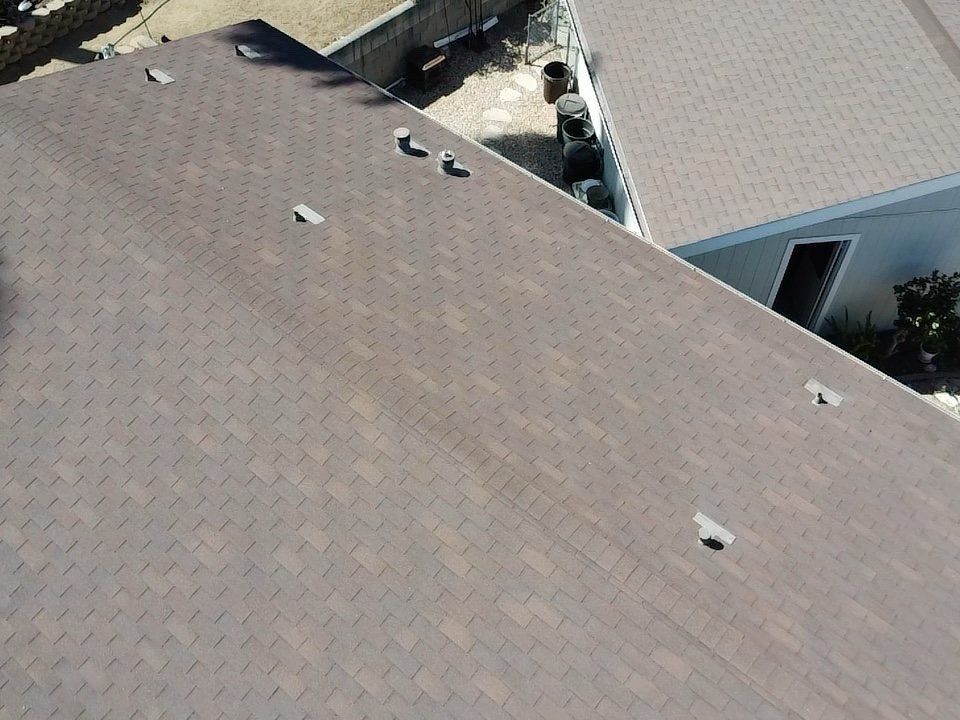
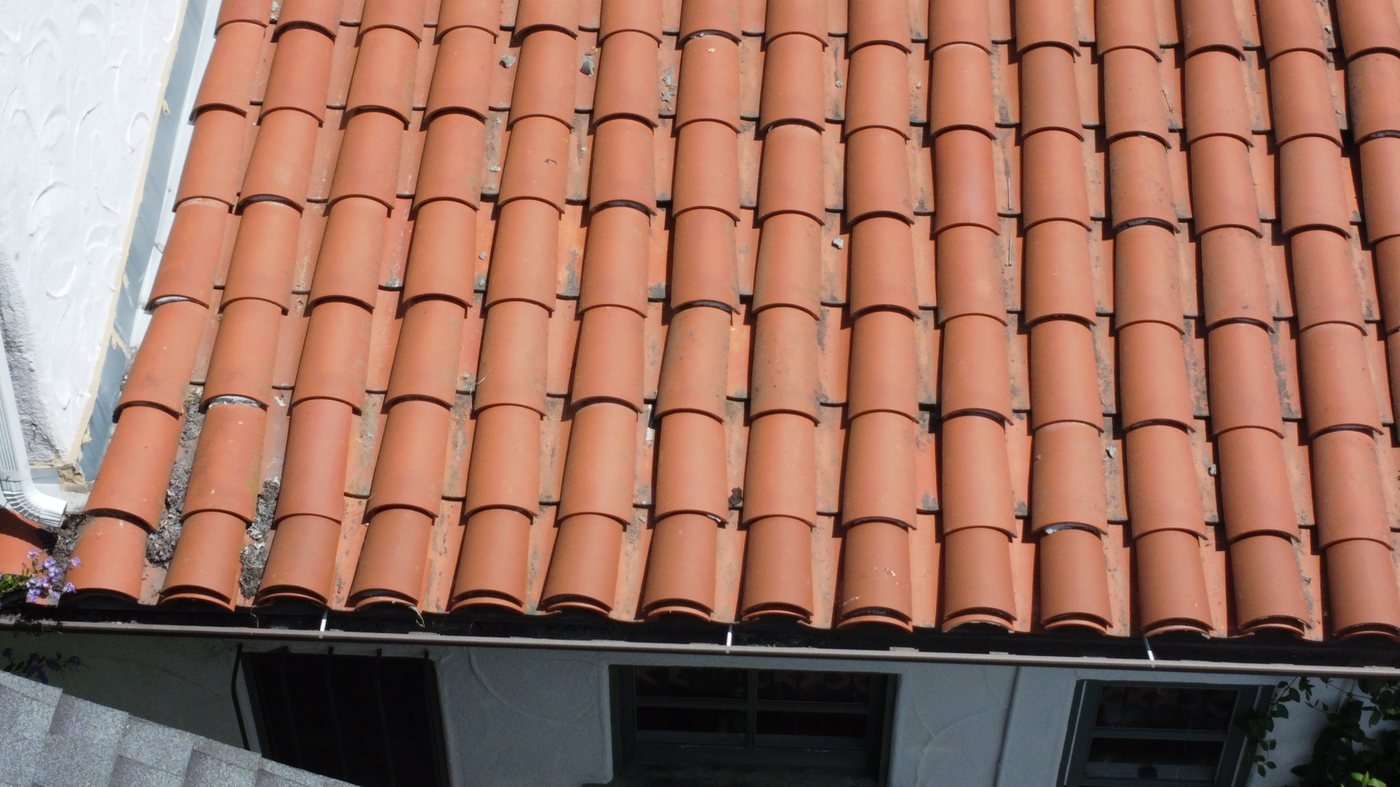
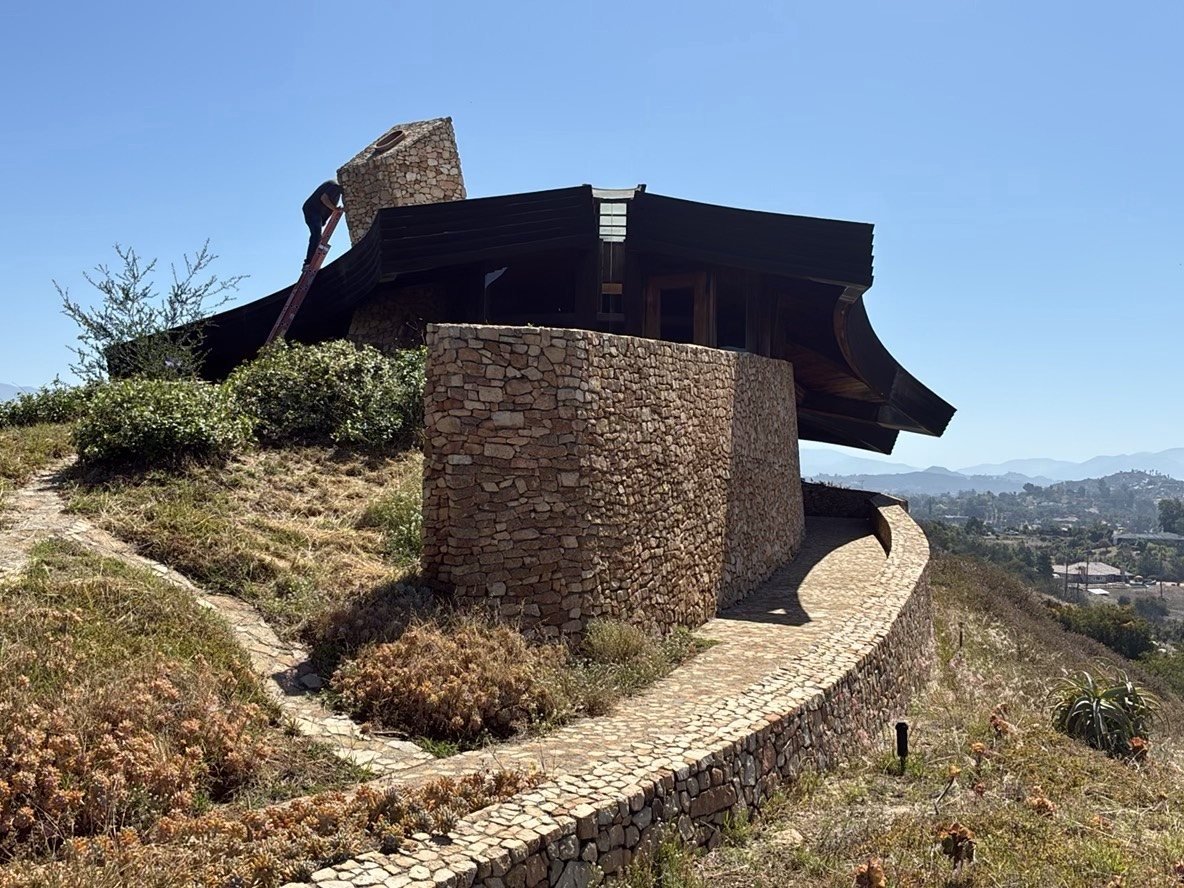
Flat and low-slope commercial roofs we access, document and maintain.
More inspections in College Area
- Sewer scope inspection in College Area
- 4-point inspection in College Area
- Roof inspection in College Area
- Thermal imaging in College Area
- Home inspection in College Area
Nearby and countywide
Were You Happy With Your Inspection?
We are proud of our 4.9-star rating across 100+ Google reviews. If Joseph and the team did right by you, a quick Google review helps other San Diego County buyers and sellers find us.