
SB-721 Balcony Inspection in the College Area, San Diego
Drive Montezuma Road between Collwood and College Avenue and count the two-story stucco apartment buildings — most went up in the late 1950s and 1960s to house San Diego State students, and most are still doing that job today. Nearly every one carries a second-floor walkway, an exterior stair run, or a row of small balconies above tuck-under parking, and any building renting three or more dwelling units owes California an SB-721 evaluation of those elements. The first compliance date, January 1, 2026, has already come and gone. I'm Joseph Romeo, owner of The Real Estate Inspection Company, and the College Area's student-rental stock is some of the hardest-working — and hardest-worn — housing I look at anywhere in San Diego County.
Call (619) 752-4399 Schedule an Inspection
Which College Area properties and elements does the law reach?
SB-721 applies to apartment buildings with three or more dwelling units, and within them it targets the load-bearing pieces framed substantially in wood that sit more than six feet above the ground: balconies, decks, stair systems, second-floor walkways, landings, and the railings and waterproofing that go with them. A qualified inspector evaluates a statutory sample of each element type, signs a report documenting safe and unsafe conditions, and the building repeats the cycle every six years — AB 2579 is what moved the first due date to the start of 2026.
The College Area adds its own wrinkles. A mini-dorm — a 1950s ranch house rented bedroom-by-bedroom to eight students — is still one dwelling unit and typically falls outside this statute, while the same lot legally converted to a triplex is squarely inside it. The condo conversions clustered near campus answer to the companion law, SB-326, with different sampling math and a different reporting path. Mixed-use buildings along El Cajon Boulevard are judged on their apartment count, not the businesses at the sidewalk. And an ADU stacked over a garage adds its stair and landing to the SB-721 inventory once the property hits three units. If you're unsure where your building lands, send me the address and I'll sort it out before you commit to anything.
Why do SDSU-adjacent rentals age differently?
Two forces work on College Area buildings that quieter neighborhoods never see. The first is occupant load. A balcony detailed in 1962 for a couple of folding chairs hosts a dozen students on a game-day Saturday; guardrails get sat on, leaned over, and used as bottle openers. No other part of my territory puts this much live load on this little framing this often.
The second is the turnover cycle. Leases roll every August, and the maintenance that happens between tenants is cosmetic by design — a fast coat of paint over the walkway edge, fresh caulk smeared into a crack that needed flashing. Year after year, those refreshes bury the evidence without touching the rot underneath.
Layer the setting on top. This is inland San Diego at the 92115 ridge: the marine layer burns off early, summer ultraviolet cooks deck coatings brittle, and the first hard winter storm drives water straight into the opened seams. Lots backing the canyon fingers above Alvarado Creek carry stairs and decks on tall posts over slope, where runoff keeps the footings damp. And a meaningful share of these buildings have been held for decades by owners who live nowhere near them, so deferred maintenance is the baseline condition, not the exception.
What turns up on these 1960s walk-ups?
The defining surface of this era is magnesite — the troweled, pinkish-gray walking deck on most original second-floor walkways and balconies near campus. Magnesite hairline-cracks with age, wicks moisture, and corrodes the metal lath inside it; when I see spalling at the outboard edge or rust blooming through the surface, the plywood and rim joist below have usually been wet for years. The walkway's drip edge is the most common point of entry, and the outboard framing is where the probing finds soft wood first.
Other repeat offenders: cantilevered balconies over the tuck-under parking stalls, where a stain or crack on the carport ceiling is the only visible warning that sealed-in joists are deteriorating; sliding-door thresholds with original minimal pans that have leaked into the floor framing inboard of the track; guardrail posts worked loose by twenty graduating classes of abuse, with baluster spacing from a code cycle long retired; steel stair stringers and concrete-filled pans rusting at the welds; and cable, satellite, and string-light penetrations drilled through waterproofing by whoever got there first. None of these is exotic. What makes the College Area distinct is finding all of them on a single property, hidden under the newest layer of paint.
How do you schedule around the academic calendar?
The summer lease gap and December break are the easiest windows, but proper tenant notice lets me work occupied buildings year-round. Start with a call to (619) 752-4399 or an email to joe@sandiegohomeinspection.com carrying the address, unit count, and a rough tally of balconies, stairs, walkways, and landings. That tally lets me fix the required sample, line the visit up against the published fee structure, and tell you exactly which units need access. For occupied student buildings, the practical windows are the summer gap between leases and the December break — though with proper tenant notice I work occupied properties year-round, and I'll coordinate the notice language with your manager.
On site, each sampled element gets a close visual pass, moisture metering at stains, edges, and post bases, hands-on load checks of rails and guards, and probing wherever wood reads suspect. When the surface evidence points to concealed damage — common under magnesite — I'll propose a small intrusive opening, agreed with you first and sized for a borescope rather than a saw. The deliverable is a photo-documented HomeGauge report, in your inbox the same or next business day, grading every inspected element: performing as intended, needing repair within the statutory window, or an immediate threat to occupants. That last category means the element comes out of service right away and the local enforcement agency gets notified, and the report is built so a contractor or engineer can scope the fix directly from my photographs.
What credentials stand behind each grade?
California allows several license types to perform these evaluations. What I bring is the combination that matters on sixty-year-old rental stock: InterNACHI Certified Professional Inspector, plus an active general contractor license — CSLB #1113143 — backed by more than twenty years and over 10,000 inspections across San Diego County. I've rebuilt the assemblies I'm grading, which is what it takes to tell a magnesite deck that needs a coating from one hiding a rotted rim joist, or a wobbly rail that needs fasteners from one anchored into wood that's done.
Independence is the other half of the value. I don't bid on, perform, or profit from any repair my report generates, so an unsafe grade costs me business rather than creating it. When a finding crosses into structural territory, the repair design belongs to a licensed engineer, and I'll connect you with one instead of stretching my role. The record stands at 4.9 stars across 106 Google reviews, a good share of them from landlords and property managers running buildings exactly like yours.
What related inspections do College Area rental owners need?
An SB-721 visit is usually the first professional look a College Area building has had in years, and it tends to surface bigger questions. The companion work I book most around campus: full investment-property inspections for buyers acquiring a walk-up near SDSU, covering the original electrical panels, galvanized supply lines, and slab-era plumbing these buildings still run on; sewer camera runs through the clay laterals under 1950s and 60s lots, which decades of landscaping roots have found; SB-326 evaluations for converted condo buildings governed by an HOA; and thermal imaging to chase suspected moisture behind walkway finishes before committing to an intrusive opening. Termite and wood-destroying-organism reports come from a licensed pest operator I coordinate with, not from me — the two reports complement each other but answer different questions. The full lineup is on the services page, pricing structure is on the fee schedule, and everything else we do in this neighborhood lives at the College Area home inspection hub. Booking goes through the contact page or a direct call.
College Area SB-721 Balcony Inspection FAQs
Does my College Area mini-dorm need an SB-721 inspection?
When is the best time to inspect a student rental near SDSU?
Our building has steel stairs with concrete treads. Are those in scope?
How disruptive is the inspection for my tenants?
What happens if a balcony is graded unsafe mid-semester?
What does an SB-721 inspection cost in the College Area?
Properties we inspect
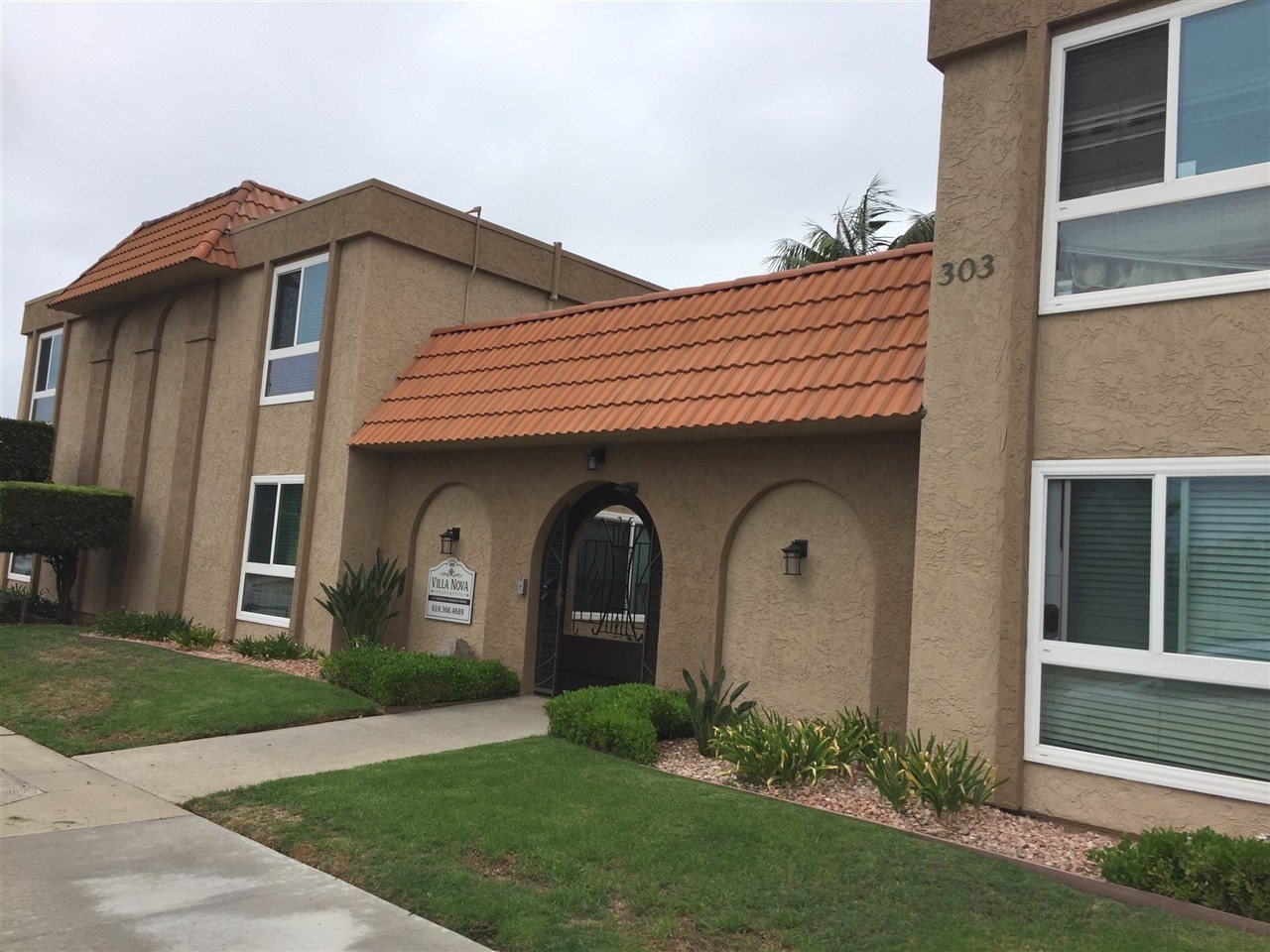
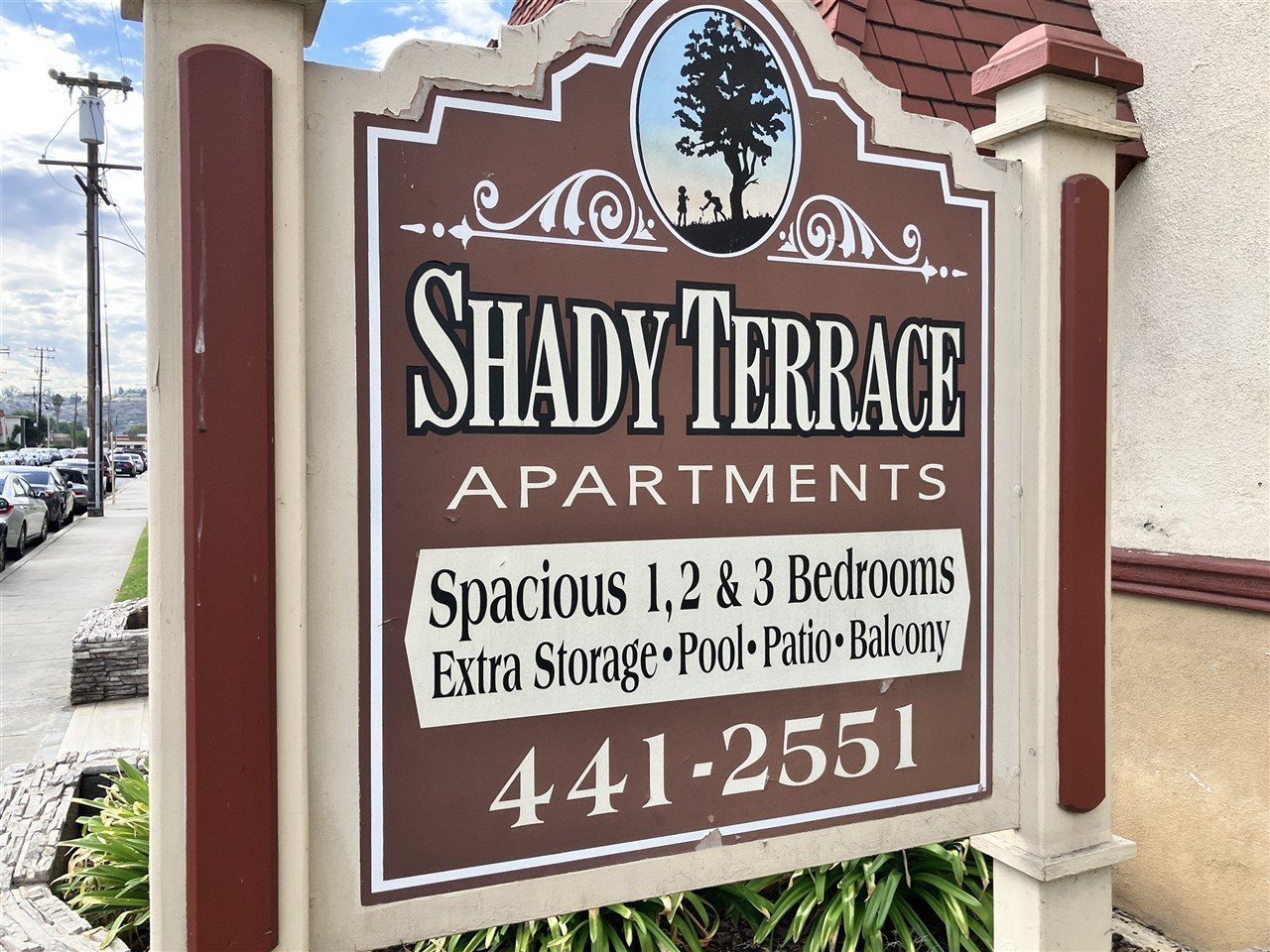
Multi-unit properties documented for SB 721 balcony compliance across San Diego County.
More inspections in College Area
- Warranty inspection in College Area
- Commercial roof cleaning in College Area
- Commercial inspection in College Area
- Pool and spa inspection in College Area
- Home inspection in College Area
Nearby and countywide
Were You Happy With Your Inspection?
We are proud of our 4.9-star rating across 100+ Google reviews. If Joseph and the team did right by you, a quick Google review helps other San Diego County buyers and sellers find us.