
Pool & Spa Inspection in the College Area, San Diego
The College Area climbs from El Cajon Boulevard to the canyon rim above Interstate 8, with San Diego State University planted square in the middle. The housing is mostly 1950s and 60s ranch stock on slab, and the pools sort into two camps: gunite rectangles behind the owner-occupied streets off Montezuma Road, and custom builds inside Alvarado Estates. Student rentals complicate both — a pool here may have spent ten years maintained by whichever tenant remembered the skimmer basket existed.
I'm Joseph Romeo. Whether you're buying a family home or an income property two blocks from campus, the pool gets the same visual evaluation: shell and finish, deck, visible plumbing, equipment pad, bonding and GFCI, and the fencing, gates, and VGB drain covers that keep people alive around the water. Pressurized leak hunting and chemistry balancing go to a pool specialist when the evidence warrants. This page is part of our College Area home inspection coverage.
Call (619) 752-4399 Schedule an Inspection
What does a College Area pool and spa inspection include?
Every pool answers three questions: does the vessel hold together, does the machinery work, and would a wandering toddler survive this yard. I document the visible condition of:
- Structure and finish — the gunite shell and its plaster or pebble surface, separating harmless crazing from cracks that go somewhere
- Coping, tile, and decking — hollow tile, lifted coping, failed mastic, crack patterns that map ground behavior
- Plumbing in view — skimmers, returns, valves, exposed runs at the pad
- Equipment — pump, filter, heater, automation, any salt cell, operated where power allows
- Pad electrical — bonding connections and GFCI on motor and light circuits
- The safety envelope — enclosure height, self-closing self-latching gates, required alarms, and anti-entrapment covers compliant with the federal VGB law
- Attached spas — jets, blower, controls, cover
Pressure-testing buried lines and balancing chemistry belong to a licensed pool specialist; where the evidence points that way, the report names the referral.
What makes College Area pools different?
Four local realities shape the pools between the boulevard and the freeway:
- The student-rental economy. Much of the housing runs as mini-dorm rentals, and a rental pool ages differently: service gets skipped, water sits green between tenancies, gates get propped open for parties, latch hardware quietly disappears. For a landlord buyer, barrier findings aren't a punch list — they're a liability question with tenant turnover built in.
- Sixty-year-old shells on their third surface. Pools dug beside these 50s-60s ranch houses have usually been replastered twice, and a recent finish can dress up a tired structure — while inland heat and mineral-heavy fill water etch and scale a surface faster here than near the coast.
- Canyon-rim ground. Lots backing the gorges above I-8 sit partly on fill; decks rotating toward the slope, one-sided coping pull, and stair-stepped shell cracks get traced, not averaged into a general comment.
- Alvarado Estates complexity. The gated enclave carries bigger systems — spillover spas, water features, aging automation — where one obsolete controller can cost more than a whole tract-pool pad.
Which pool findings repeat in this neighborhood?
Between Montezuma Road and the canyon edge, the report items form a pattern worth knowing before your contingency clock runs out:
- Gates that don't self-latch — the most common defect on rental-history pools and the most consequential, since the latch is the barrier
- Pre-VGB or cracked main-drain covers on original 50s-60s vessels, an entrapment hazard that leads the summary every time
- No GFCI on the pool light, especially where an incandescent niche fixture survives from the original build
- Bonding lugs left empty after a handyman pump swap with no permit trail
- Etched, mottled plaster from years of tenant-managed or absent chemistry
- Improvised enclosures — a neighbor's sagging fence doing barrier duty, or a gate hung to swing the wrong way
None of it automatically kills a deal. The value is the ranking: life-safety first, five-figure repairs second, ordinary wear labeled as exactly that.
How does the inspection run and what do you receive?
Booking starts at (619) 752-4399 or joe@sandiegohomeinspection.com with the address and what's in the yard. On tenant-occupied properties, access is the variable that matters: power on, pad reachable, yard available — usually solved by coordinating tenant notice through the listing agent in advance.
On site I run the circulation and heating gear where the controls cooperate, operate every gate and latch by hand, walk the full enclosure, and photograph as I go. Walk it with me — watching a gate refuse to latch lands harder than any write-up.
You get a HomeGauge report delivered same-day or next-day, every finding photographed and explained in plain English, with bonding, GFCI, barrier, and drain-cover items in a summary block your agent can lift straight into a repair request.
Who is the licensed inspector behind the opinion?
Joseph Romeo, a licensed contractor and certified inspector, stands behind every College Area pool report. An aging pool on a rental property is as much a construction and liability question as a swimming one. I'm an InterNACHI Certified Professional Inspector and hold a California general contractor license, CSLB #1113143 — the opinion at your equipment pad comes from someone who has built and corrected these systems.
- 20+ years, 10,000+ inspections countywide, including the College Area's rental corridors and Alvarado Estates
- 106 Google reviews at 4.9 stars, most of it repeat agent referrals
- Zero repair income — I report condition and stop there, so no defect gets inflated to sell follow-on work
Leak location, shell engineering, slope stability, chemistry — each belongs to a different license, and I coordinate or refer the right specialist with the handoff documented.
Which other College Area inspections are worth bundling?
On a 50s-60s slab house near SDSU, the pool is rarely the only system with a story. These pair into one visit:
- Complete home inspection — roof through structure on the same trip; details at the College Area home inspection hub
- Sewer scope — original clay laterals here collect roots and offsets, and a rental's lateral has absorbed decades of abuse
- Thermal imaging — overheated pool-circuit connections and hidden moisture where decking meets the house
- Electrical attention — panels modified for mini-dorm bedroom counts deserve scrutiny before a pump shares the load
- Specialist coordination — leak detection, chemistry, geotechnical, or termite/WDO work referred to the right licensed pro, in writing
Not sure which apply to your address? Ask through the contact page, or compare the full list of services against the posted fee schedule.
College Area Pool & Spa Inspection FAQs
What does a pool and spa inspection cost in the College Area?
The property is a tenant-occupied student rental. Can you still inspect the pool?
I'm buying this as an SDSU rental. Should the pool worry me?
The pool is green and clearly hasn't been serviced. Is an inspection still useful?
Can you find out where a College Area pool is losing water?
Our lot backs the canyon above I-8. How do you handle possible movement?
Pools and equipment
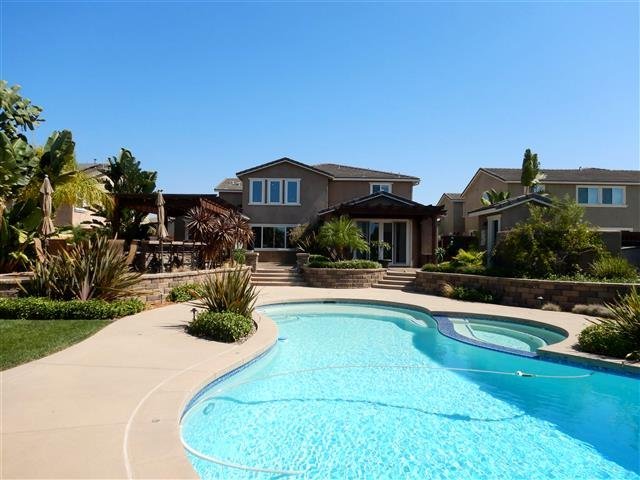
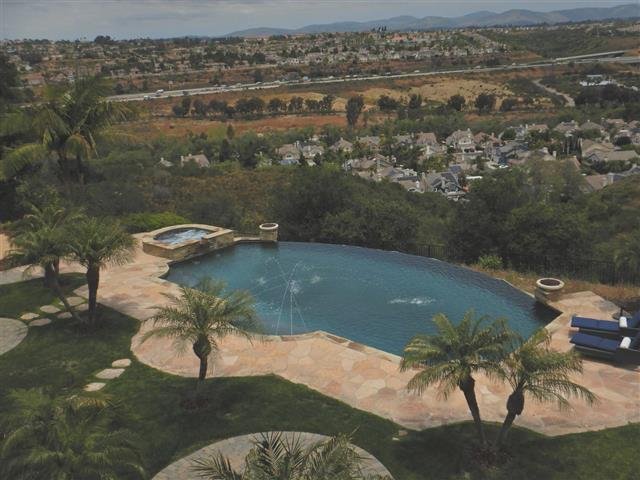
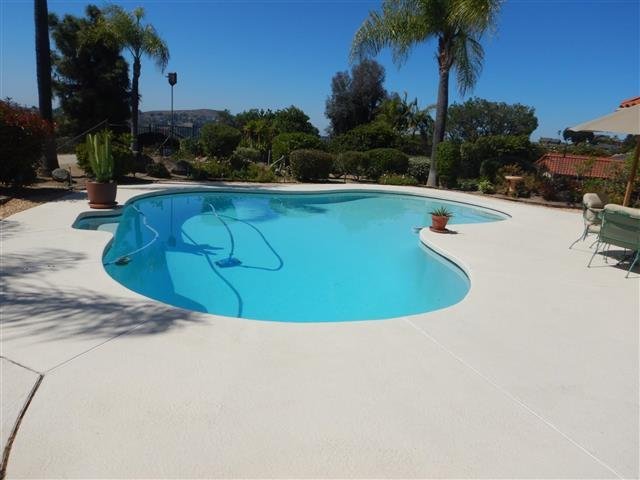
Pools, spas and equipment photographed during recent inspections.
More inspections in College Area
- Foundation slab survey in College Area
- SB 721 balcony inspection in College Area
- SB 326 balcony inspection in College Area
- SB 721 exemption letter in College Area
- Home inspection in College Area
Nearby and countywide
Were You Happy With Your Inspection?
We are proud of our 4.9-star rating across 100+ Google reviews. If Joseph and the team did right by you, a quick Google review helps other San Diego County buyers and sellers find us.